

Why Tile Choice Defines the Whole Pool Deck
Modern pool tile ideas fail most often not at the aesthetic stage but at specification — the tile selected for the waterline and pool surround determines how the entire deck system behaves under thermal cycling, chemical exposure, and wet-foot traffic over decades. Your tile and your deck material aren’t two independent decisions; they’re a single specification with compounding consequences. Getting that pairing right from the start separates installations that perform for 25 years from those that get torn out at year eight.
The Travertine Pairing Advantage
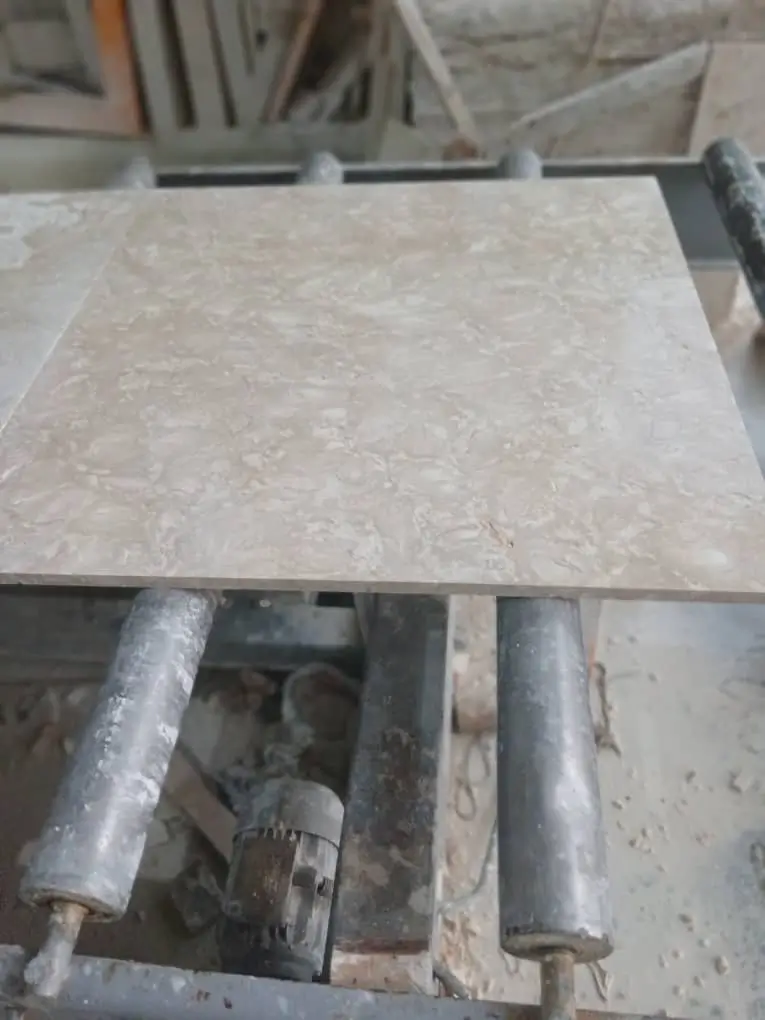
Pools with travertine pavers create a design baseline that’s genuinely hard to compete with — the warm ivory tones, the natural variation, and the open-pore texture that keeps surface temperatures manageable underfoot. The material performs at its best when your waterline tile reinforces rather than fights the palette. Neutral-toned ceramic or glass mosaics in whites, soft greys, and warm beige create a visual continuity that lets the travertine dominate without distraction.
Travertine’s calcium carbonate base keeps surface temperatures measurably lower than dense igneous alternatives — a critical factor for barefoot pool deck use. According to Natural Stone Institute travertine outdoor performance data, its pore structure and absorption characteristics actively moderate surface heat in high-UV environments. Factor this into your finish selection before committing to a pool deck specification.
- Honed travertine paired with matte-finish waterline tile eliminates competing gloss levels that look inconsistent in direct sunlight
- Tumbled travertine edges pair naturally with textured mosaic tile rather than high-polish glass — matching finish language matters more than matching colour exactly
- Cross-cut travertine slabs read as more formal and suit precision-edged rectangular pool tiles better than irregular cut edges
- Ivory and walnut travertine tones complement warm-tinted grout in waterline applications — avoid bright white grout, which reads as clinical against natural stone
Modern Pool Tile Ideas by Visual Style
Your pool’s visual direction should be locked in before you ever look at individual tile options. Broad style categories filter your choices quickly and prevent the paralysis that comes from browsing hundreds of products without a framework.
Minimalist Linear
Clean horizontal tile bands in a single colour — typically 4×12 or 3×9 format — give a pool the elongated, calm quality that defines contemporary outdoor design. Matte finishes outperform gloss in this application because they hold their appearance longer in chlorinated water without the efflorescence staining that shows on high-shine surfaces. Pairing a soft grey or white linear waterline tile with a pool with travertine coping creates a restrained, architectural result that photographs exceptionally well and ages without looking dated.
Glass Mosaic Accent
Glass mosaics give you colour depth that ceramic can’t replicate — the way light passes through and reflects off individual tesserae creates a living surface. Keep the colour range narrow: two adjacent tones from a single palette (teal and aqua, for example) rather than multicolour blends that compete with travertine’s natural variation. A 1×1 or 2×2 glass mosaic at the waterline with pools with travertine pavers surrounding the deck creates a jewel-like focal point without overloading the design.
Large-Format Porcelain
Twenty-four-by-twenty-four porcelain panels at the waterline are a growing preference in high-end residential and commercial pool construction. Fewer grout lines read as cleaner, and the format holds a continuous stone-look pattern without interruption. Verify that your pool shell’s substrate can maintain the flatness tolerance these formats demand — porcelain at this scale has almost no flex tolerance, and substrate movement will telegraph as cracks within two to three seasons if base conditions aren’t controlled.
Natural Stone Tile at the Waterline
Limestone and honed travertine tile used directly at the waterline creates a seamless visual connection between the pool interior and the surrounding travertine deck. This approach requires pool-grade sealing protocols — standard stone sealers won’t survive sustained chemical exposure in a pool environment. Use a penetrating epoxy-modified sealer and plan for reapplication every 18 to 24 months. The reward is a completely unified material palette that no manufactured tile can replicate.
Slip Resistance and Safety Requirements
Every modern pool tile idea starts with aesthetics but has to pass a safety filter before it becomes a real specification. Pool decks are wet-zone environments, and your tile’s coefficient of friction (COF) has to meet minimum standards for safe use. The ANSI A326.3 defines the baseline — 0.42, the ANSI A326.3 wet DCOF threshold — for pool and spa environments.
- Honed and matte-finish tiles consistently outperform polished finishes in wet-COF testing — avoid polished stone or high-gloss ceramics at any deck-level application
- Textured mosaic tile, particularly with sand-finish grout, achieves excellent slip resistance while maintaining design flexibility
- Tumbled natural stone at the coping and step nosing provides inherent texture that manufactured tile approximates but rarely matches in tactile quality
- Grout joint width affects slip performance — wider joints with sanded grout increase friction surface area across the tile plane
Pool coping safety standards published by the Pool & Hot Tub Alliance provide additional guidance on deck surface and coping material requirements. Review these standards alongside your jurisdiction’s pool construction code before finalising any tile specification — requirements vary by region and some jurisdictions have adopted supplementary wet-surface friction minimums beyond the ASTM baseline.
Building Code and Structural Considerations for Pool Tile
Code compliance shapes your tile specification in ways that don’t appear on any mood board. Pool construction in most jurisdictions requires stamped structural drawings that address deck load capacity, coping anchorage, and waterproofing membrane continuity — and your tile choice feeds directly into each of these. Natural stone tile at 3/4-inch nominal thickness adds dead load to the pool shell surround that engineered drawings must account for. If you’re working with an older shell originally designed for lighter tile, confirm with your structural engineer before specifying stone.
Frost line depth is a critical variable for pools with travertine coping in regions that experience ground freeze. Coping set on a mortar bed over a pool shell beam needs a movement joint at intervals that accommodate the differential expansion between the shell and the surrounding deck. Many jurisdictions now codify this joint spacing as a minimum requirement rather than a recommendation — check your pool code before setting coping with continuous mortar without control joints.
- Tile thickness specifications should align with ANSI A108 setting standards — thin-set bed depth requirements differ for natural stone versus porcelain
- In seismic zones, pool shell movement during a seismic event can shear tile set without adequate flexible adhesive — specify polymer-modified thin-set rated for shear performance
- Edge restraint requirements at the pool coping-to-deck transition are increasingly codified — confirm whether your jurisdiction requires mechanical anchoring of coping units beyond standard mortar set
- Waterproofing membrane continuity between pool interior and coping is non-negotiable — tile selection affects how membrane detailing at the bond beam is executed
Colour and Finish Pairing Guide
Explore our contemporary pool tile selection for a practical view of how waterline tile finishes align with travertine deck tones across different pool configurations. The pairing logic follows a consistent principle: your tile finish should either match or deliberately contrast with the travertine’s surface character — mid-ground combinations that are neither matchy nor intentionally contrasted read as indecisive rather than designed.
Warm travertine tones (ivory, walnut, gold vein) pair with earth-toned tile palettes — sandy beige mosaics, warm grey ceramics, or terracotta-tinted natural stone tile. Cool travertine finishes (silver, grey-veined) accept a wider range, including blue-green glass mosaics and slate-grey porcelain panels that would clash against warmer travertine backgrounds.
Sizing and Format Decisions That Matter
The format of your waterline tile changes how the pool reads from different vantage points — close up, from the deck, and from inside the house looking out. Smaller mosaic formats (1×1, 2×2) read as texture rather than pattern from distance and are forgiving of substrate irregularities. Larger formats (6×12 and above) read as planes of colour and require a flatter substrate to look intentional rather than wavy.
Contemporary modern pool tile ideas increasingly favour mixed-format approaches: a band of large-format porcelain at the waterline transitioning to a narrow mosaic border at the water’s edge. This detail takes careful planning — your tile contractor needs to sequence the mosaic installation before grouting the large-format field, or you’ll end up with grout-colour mismatches at the junction line that are difficult to correct without demo.
- Waterline tile height (the band visible above the waterline) typically ranges from 6 to 12 inches — taller bands suit larger pools and create stronger visual presence
- The tile band should align with the pool coping underside so the grout line at the top of the tile doesn’t appear as a random cut in the field
- Square formats read as more traditional; rectangular formats aligned horizontally read as contemporary and elongating
- Step risers and bench faces inside the pool should match the waterline tile — continuity across wet-zone surfaces is the hallmark of a resolved design
Ordering, Logistics, and Lead Times
Natural stone tile for pool applications — particularly stone sourced to match a specific travertine lot — requires more lead time than standard ceramic. Citadel Stone maintains warehouse inventory across the country, which typically reduces lead time to one to two weeks for stocked travertine tile formats compared to the six to eight week import cycle that custom or specialty sourcing requires. Confirm warehouse availability for your tile and coping selections simultaneously — receiving both in the same delivery window simplifies site coordination and reduces the risk of colour-batch mismatches between separately shipped lots.
Truck access at the job site affects delivery scheduling more than most clients anticipate. Wide-format stone tile and travertine paver pallets require a truck with a liftgate or forklift access — confirm site clearance before your delivery date, particularly for backyard pool projects where gate width or grade changes can prevent direct pallet delivery. Build a two to three day material staging buffer into your schedule so installation doesn’t stall while logistical issues are resolved.
Your Action Plan for Modern Pool Tile
Pulling a successful modern pool tile specification together requires working in the right sequence. Lock in your travertine deck selection first — its tone, finish, and format set the constraints within which your tile decision operates. Then filter tile options through safety compliance, building code requirements, and substrate conditions before evaluating aesthetics. That order of operations is what separates installations that perform for 25 years from those that get torn out at year eight.
Document your tile and travertine selections from the same supplier lot where possible, and retain a small quantity of each as service stock — matching replacements five years after installation is notoriously difficult when production dye lots have changed. For a deeper look at how deck material decisions affect the full project specification, selecting the right pool deck tile covers the broader decision framework in useful detail. Clean-lined waterline tile from Citadel Stone pairs naturally with honed travertine surrounds, reinforcing a contemporary outdoor aesthetic without visual clutter.
Related reading: travertine pool deck pros and cons · travertine pool deck problems · Pool Paver Sealer Guide: Protecting Travertine Right.