

Outdoor wall tiles fail most often not because of material weakness but because specifiers underestimate the mechanical demands of vertical stone installation. Unlike horizontal paving where gravity works with the installation, wall-mounted stone fights gravity at every joint — and the adhesive, substrate, and tile thickness must work together to compensate. Getting those relationships right separates an installation that looks pristine after fifteen years from one that starts delaminating within three.
Why Vertical Stone Behaves Differently Than Horizontal Paving
The load dynamics on an exterior wall tile system differ fundamentally from floor paving. Every tile on a vertical face experiences shear stress continuously — its own weight pulling downward while the adhesive bond resists that pull at the back face. For a 24×24-inch stone tile at 3/4-inch thickness, you’re looking at roughly 8–12 lbs of sustained shear load per tile, multiplied across hundreds of square feet. That’s a cumulative mechanical demand that most generic tile specifications don’t explicitly address.
Thermal cycling intensifies this. Exterior wall tiles expand and contract with daily and seasonal temperature swings, and because the wall substrate and the stone respond at different rates, the adhesive layer absorbs constant micro-movement. You need a polymer-modified adhesive rated for exterior vertical applications — standard thin-set simply won’t accommodate the movement range over a ten-year horizon. Look for products conforming to ANSI A118.4 or ISO C2S2 classifications when specifying mortar for natural stone wall cladding.
The tile thickness specification matters more on walls than on floors. Below 3/4 inch (20 mm), most natural stone outdoor wall tiles require back-buttering on every piece and a full-coverage adhesive application — no voids, no bridging. The TCNA installation standards for natural stone exterior wall applications specify minimum 95% adhesive contact on exterior installations and 80% on interior — a distinction worth holding your installer to before work begins.
Stone Types That Perform on Exterior Wall Tiles
Not every natural stone that works on a patio translates well to a vertical exterior application. The combination of lower thickness, adhesive bonding (versus mechanical interlock), and constant exposure to weather narrows the field to materials with sufficient structural consistency across the face.
- Limestone: Dense, even-grained limestone in the 15–18 MPa compressive range performs reliably as tiles for exterior wall applications when sealed correctly. Its relatively low thermal expansion coefficient — approximately 3.5–5.0 × 10⁻⁶/°F — reduces adhesive shear stress across thermal cycles. Avoid highly porous or travertine-heavy limestone varieties on north-facing walls in freeze-thaw regions without filling all voids with epoxy grout.
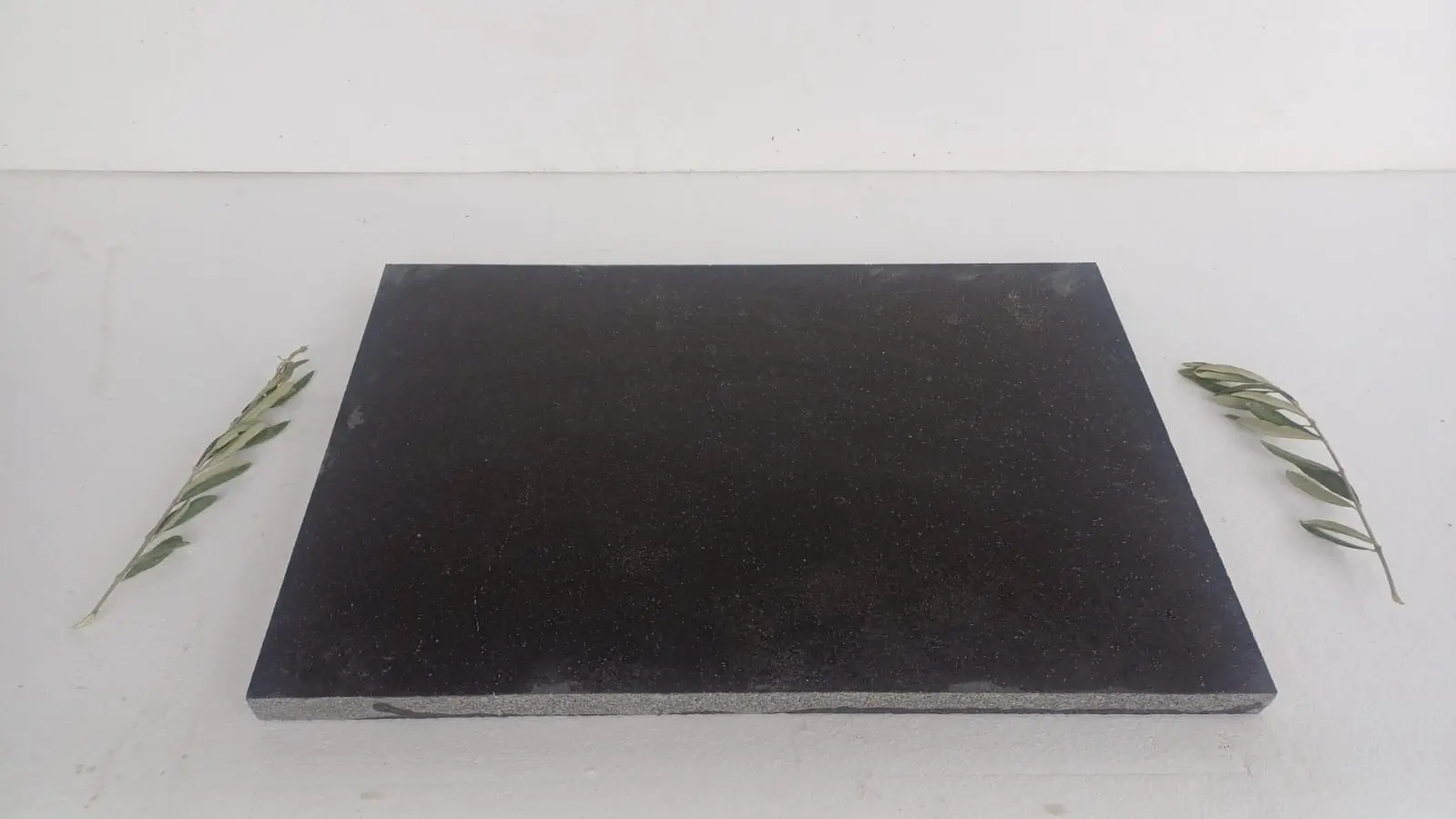
- Basalt: One of the strongest performers for wall cladding. Basalt’s tight crystalline structure gives compressive strength above 20,000 PSI, and its low absorption rate (typically under 0.5%) means it resists moisture intrusion even without aggressive sealing schedules. The dark tones of honed basalt show efflorescence more readily than lighter stones, though — factor that into your maintenance planning.
- Granite: Dense, low-absorption granite is a premium choice for exterior wall stone tiles, particularly on high-traffic façades where impact resistance matters. The material’s hardness (Mohs 6–7) resists surface abrasion from wind-driven debris, and polished finishes maintain their reflectivity for decades with minimal intervention.
- Sandstone and slate: These perform adequately in dry climates but carry risk in freeze-thaw regions due to their laminar cleavage planes. If the project is in a zone that sees more than 25 freeze-thaw cycles annually, avoid these on wall surfaces that trap moisture at horizontal ledges.
According to Natural Stone Institute wall stone installation guidance, the decision between these stone types for wall cladding should hinge on absorption rate, flexural strength, and the specific exposure conditions of the installation face — not just aesthetic preference. That guidance aligns with what experienced specifiers see in the field: the projects that come back for remediation are almost always ones where aesthetics drove material selection without a performance review.
Surface Finish Selection: What Actually Matters on a Wall
The finish conversation for outdoor wall tiles is different from floor tile selection because slip resistance — the dominant concern for horizontal surfaces — becomes secondary. On a wall, finish selection centers on three things: how the surface handles moisture runoff, how it weathers over time, and how it reads visually at varying distances and light angles.
Honed finishes are the most forgiving choice for exterior walls. They don’t show water staining as dramatically as polished surfaces, they age gracefully without looking neglected, and they provide enough surface texture that minor installation irregularities don’t read as obviously as they do on mirror-polished faces. For high-traffic areas where the wall surface might receive contact — entry columns, boundary walls at pedestrian level — honed also conceals fingerprints and incidental scuff marks far better than a gloss finish.
Bush-hammered and sandblasted finishes work well on boundary walls and feature walls where a rougher, more tactile aesthetic is the design intent. Their higher surface roughness (Ra values typically above 200 µm) creates strong shadow lines in directional light, which enhances visual depth on large wall panels. The trade-off is that these finishes trap particulates and organic matter more readily, which accelerates biological growth in humid environments.
- Polished finishes on exterior walls: accept only where the face is protected from direct rain exposure — covered entry walls, interior courtyard features. On fully exposed wall surfaces, polished stone loses reflectivity within 3–5 years from acid rain microetching and airborne abrasion.
- Flamed or thermal finishes: excellent for feature walls in dry environments. The crystalline texture diffuses light beautifully on granite, but the open surface texture requires more aggressive sealing to prevent biological staining.
- Split-face finishes: strong visual impact for rustic and contemporary designs alike. Bear in mind that the irregular surface depth (often 1–2 inches of relief) increases the effective weight per square foot and requires reinforced adhesive specification.
Substrate Preparation and Ground Conditions That Affect Wall Tile Performance
Here’s what most wall tile specifications miss entirely: the condition of the subgrade and foundation bearing the wall has a direct effect on tile bond integrity. Exterior walls built on expansive clay soils are subject to differential foundation movement — sometimes as much as 1/4 to 3/8 inch of seasonal displacement at the wall base. That movement propagates up the structure, and if your expansion joint layout doesn’t account for it, you’ll see a pattern of diagonal cracking and tile delamination that starts near the base and migrates upward over 3–5 years.
Sandy or poorly compacted subgrades create the opposite problem — foundation settlement rather than heave. A wall that settles unevenly across its length produces racking stress in the substrate, which transfers directly to the tile-adhesive interface. Before any tile specification is finalized for a freestanding boundary wall or garden wall, a basic soil assessment — even a simple probe test — is worth the time. You don’t need a full geotechnical report for a residential project, but knowing whether you’re dealing with expansive clay, caliche, or well-draining sandy loam changes your joint spacing and movement accommodation strategy significantly.
For walls on challenging subgrades, increase the frequency of horizontal movement joints to every 8–10 feet vertically (rather than the standard 12–15 feet), and spec a compressible filler material (closed-cell polyethylene backer rod) with a polyurethane or silicone sealant. This small investment in joint detailing buys you significant insurance against differential movement damage to your exterior wall stone tiles.
Sealing Exterior Stone Wall Tiles: Protocols That Actually Hold
The sealing requirement for outdoor wall tiles is frequently underestimated — or addressed with a single-application product that doesn’t match the stone’s porosity or exposure conditions. The right sealing approach depends on the stone type, its absorption rate, and whether the wall face receives direct rainfall or is partially sheltered.
For porous limestones and sandstones, a penetrating impregnator sealer — silane/siloxane chemistry for water and oil repellency — should be applied before grouting and again after. The pre-grout application protects the stone face from grout haze (a particular problem with dark stones and light grouts), and the post-installation coat seals both the stone and the cured grout joint in a single treatment. Apply at ambient temperatures between 50°F and 85°F, and allow 24–48 hours of dry conditions before and after application.
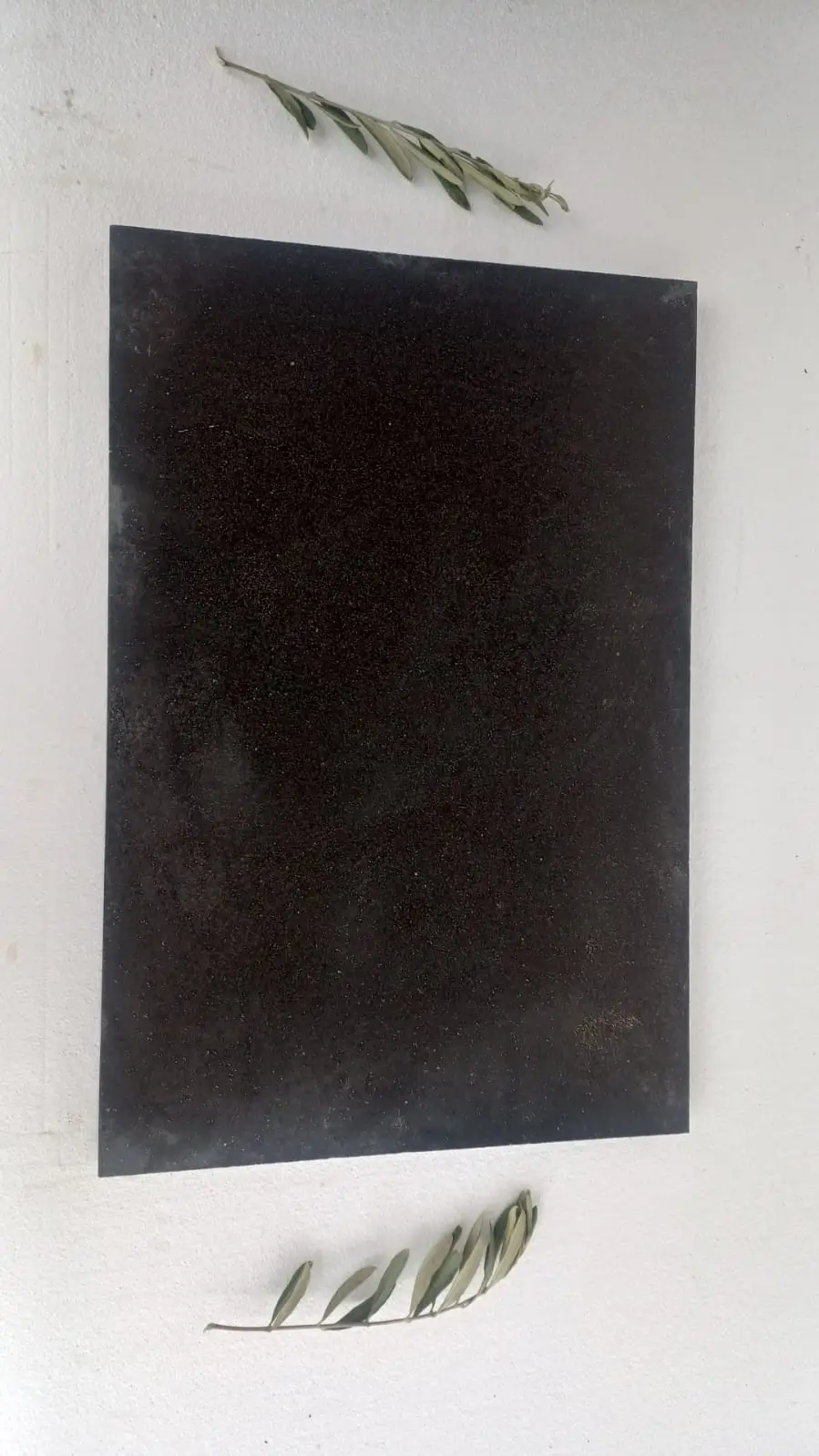
For dark, dense stones, knowing how to seal black limestone correctly on an exterior wall changes the outcome significantly. These stones have low absorption rates, which means aggressive impregnator application can result in surface whitening as the excess sealer migrates back to the surface. When you seal black limestone on an exterior wall, use a lighter hand — a single application at half the manufacturer’s recommended rate, allowed to absorb fully for 15 minutes before buffing off any excess. This approach minimizes the white hazing that clients notice immediately on dark vertical surfaces. At Citadel Stone, we’ve refined this application guidance through direct testing on our black limestone inventory, and the difference between correct and over-sealed application is visible within the first rainfall cycle.
Installation Pattern Decisions for Outdoor Wall Tiles
Pattern selection for exterior wall tiles carries structural implications that go beyond aesthetics. The layout you choose affects how load transfers between tiles, how movement joints align with the grid, and how efficiently an installer can maintain consistent bed thickness on large wall areas.
- Running bond (brick pattern): the standard for most wall tile installations. The offset joints distribute adhesive load more evenly than stacked vertical joints, and the pattern reads well at distances above 10 feet — the viewing distance for most boundary and feature walls.
- Stacked bond: strong contemporary look, but structurally demanding. Continuous vertical joint lines create a defined stress plane — if the substrate moves even slightly, you’ll see cracking along those lines first. Use only on walls with exceptional substrate stability and a generous movement joint schedule.
- Ashlar pattern: irregular coursing with consistent heights but varying widths. Excellent for natural, textured stone where the material has inherent face variation. The irregular format also makes substrate imperfections less visible than regular coursing patterns.
- Herringbone on walls: rarely specified but worth considering for feature panels. The angled layout is forgiving of slight adhesive thickness variation and creates a strong directional visual flow that suits narrow vertical panels particularly well.
Joint width is a detail that catches many first-time specifiers off guard. The standard 1/8-inch joint used for interior floor tiles is too tight for most exterior wall tiles in uncontrolled temperature environments. A 1/4-inch minimum joint width on exterior faces gives you adequate accommodation for thermal movement and simplifies grouting on textured stone surfaces. For split-face or heavily textured tiles for exterior wall applications, 3/8 to 1/2 inch works better and looks proportionally correct against the surface relief.
Weight Loading and Structural Attachment for Large-Format Wall Tiles
Large-format outdoor wall tiles — anything above 24×24 inches — introduce weight loading considerations that adhesive-only systems can’t reliably address in all conditions. The industry threshold where you should consider mechanical support (shelf angles, hidden clips, or wire ties) sits around 15 lbs/sq ft for the finished stone weight. Most 3/4-inch natural stone tiles in the 24×24 format land between 9 and 13 lbs/sq ft depending on density, which puts you right at the margin.
For wall heights above 10 feet or for any installation in seismic zones, consult The Masonry Society’s natural stone wall construction standards before finalizing your attachment detail. Their guidance on veneer anchorage accounts for wind load, seismic displacement, and adhesive creep — factors that become critical on tall wall panels that you won’t appreciate until an inspection engineer reviews the plans.
Mechanical clips and shelf angle systems add cost — typically $3–6 per square foot installed — but they provide redundant attachment that adhesive alone cannot. On commercial façade projects or on any wall where tile failure would create a falling hazard to pedestrians, mechanical backup isn’t optional. It’s the difference between a specification that protects the client and one that exposes everyone to liability.
Ordering, Lead Times, and Warehouse Stock Realities
Exterior wall tile projects have a logistics profile that floor paving projects don’t — the tile quantities tend to be lower per project, but the need for consistent batch matching is higher because wall surfaces read as a continuous visual plane. A floor can absorb slight color variation across delivery batches. A wall surface amplifies it, especially on smooth or honed finishes viewed under raking light.
Order all material from the same quarry production run wherever possible. When you’re sourcing exterior wall stone tiles from warehouse stock, ask specifically whether all pallets for your order come from the same lot number. Stock that’s been warehoused in separate shipments — even if it’s nominally the same product — can show measurable color and texture variation that creates visible banding on large wall panels. Citadel Stone maintains detailed lot tracking on warehouse inventory specifically to help specifiers avoid this problem on critical projects.
Lead times vary significantly depending on whether the product is in warehouse stock or requires special ordering. Standard formats in common materials — 12×24, 16×24, 24×24 in limestone or basalt — typically ship within 1–2 weeks from warehouse. Large-format tiles (24×48 and above) or less common materials may require a 4–8 week lead time. Build this into your project schedule before setting a wall tile installation date, particularly on commercial projects where trade sequencing depends on cladding completion before other finishes proceed. Your truck delivery timing should be coordinated with the wall framing or substrate preparation completion — arriving before the substrate is ready wastes handling cycles and risks damage to tile edges during staging.
For projects requiring multiple truck deliveries, confirm that all pallets are banded and corner-protected for vertical storage. Wall tiles are thinner than floor pavers in most cases, and stacking them horizontally creates edge-chip risk that shows up immediately on installation. Specify vertical pallet orientation in your delivery instructions — it’s a detail that prevents field rejects on the day tiles are cut and set.
Parting Guidance for Outdoor Wall Tile Projects
Outdoor wall tiles reward specifiers who treat them as a structural and environmental system — not just a finish selection. The material choice, the adhesive chemistry, the joint spacing, and the substrate condition all interact, and getting any one of those elements wrong creates problems that show up months after installation when remediation is exponentially more expensive than getting it right the first time. Your best protection is a specification that accounts for the full performance environment: thermal cycling, moisture exposure, adhesive mechanics, and the ground conditions that affect the wall’s structural substrate.
Explore the range of wall cladding materials available for your project by reviewing Citadel Stone stone cladding options — detailed product data on density, absorption, and finish availability helps you narrow the selection to materials that suit your wall’s specific exposure and visual requirements. For projects that involve both vertical cladding and horizontal paving, consistency between materials strengthens the overall design cohesion and simplifies your maintenance schedule across the full installation. You’ll also find that coordinating stone selection between wall and floor surfaces allows you to order from a single source — reducing the coordination overhead and the risk of mismatched tone between what goes on the wall and what goes underfoot. As you consider the broader scope of your natural stone project, laying a stone patio from base to finish covers the horizontal counterpart to wall tile specification in the same level of technical detail. Stone for nationwide projects ships from Citadel Stone with textured faces selected for grip on vertical exterior surfaces.
Related reading: why does limestone turn black · black limestone rock explained · outdoor patio tiles cost guide.