

Pool coping maintenance tips get discussed plenty, but the ones that actually extend stone life by a decade or more come down to understanding how poolside chemistry, thermal cycling, and moisture interact at the coping surface — not just running a mop over the edge. The gap between a coping installation that holds up for 25 years and one that starts delaminating at year eight almost always traces back to maintenance gaps in the first three seasons, when the stone is still stabilizing in its setting bed and the sealer hasn’t fully proven itself under real pool chemistry conditions.
Why Pool Coping Fails Earlier Than It Should
Most premature coping failures aren’t structural — they’re maintenance failures that compound over time. Chlorine and bromine compounds don’t just stay in the water. They volatilize, migrate into grout joints, and react with calcium-based stones at the microscopic level, particularly travertine and limestone, where open porosity gives those chemicals a direct path into the stone matrix. You’ll recognize early chemical degradation by a chalky, faded surface that loses its original finish faster than expected — typically within two to three seasons if resealing gets skipped.
Pool coping stone repair costs far exceed what annual maintenance requires. Replacing damaged or spalled coping sections means mobilizing a crew, sourcing matching material — which gets harder as time passes and stone batches change — and dealing with downtime while the pool is unusable. Keeping the existing installation intact through consistent care is always the better economic decision.
The PHTA ANSI pool deck safety standards provide a useful framework for understanding how coping performs as a functional safety surface, not just an aesthetic edge treatment. Understanding those requirements helps you recognize when maintenance has let the surface slip below safe performance thresholds.
Sealing Schedules That Actually Work
The standard advice is to reseal annually. That’s a reasonable starting point, but the real answer depends on the stone type, finish, and the chemical load your pool runs at. Here’s what field experience actually shows:
- Honed travertine in a heavily chlorinated pool should be resealed every 10 to 12 months — chlorine degrades penetrating sealers faster than most product specs suggest
- Tumbled limestone and rough-finish coping benefit from a two-coat application on the first seal after installation, then single annual coats thereafter
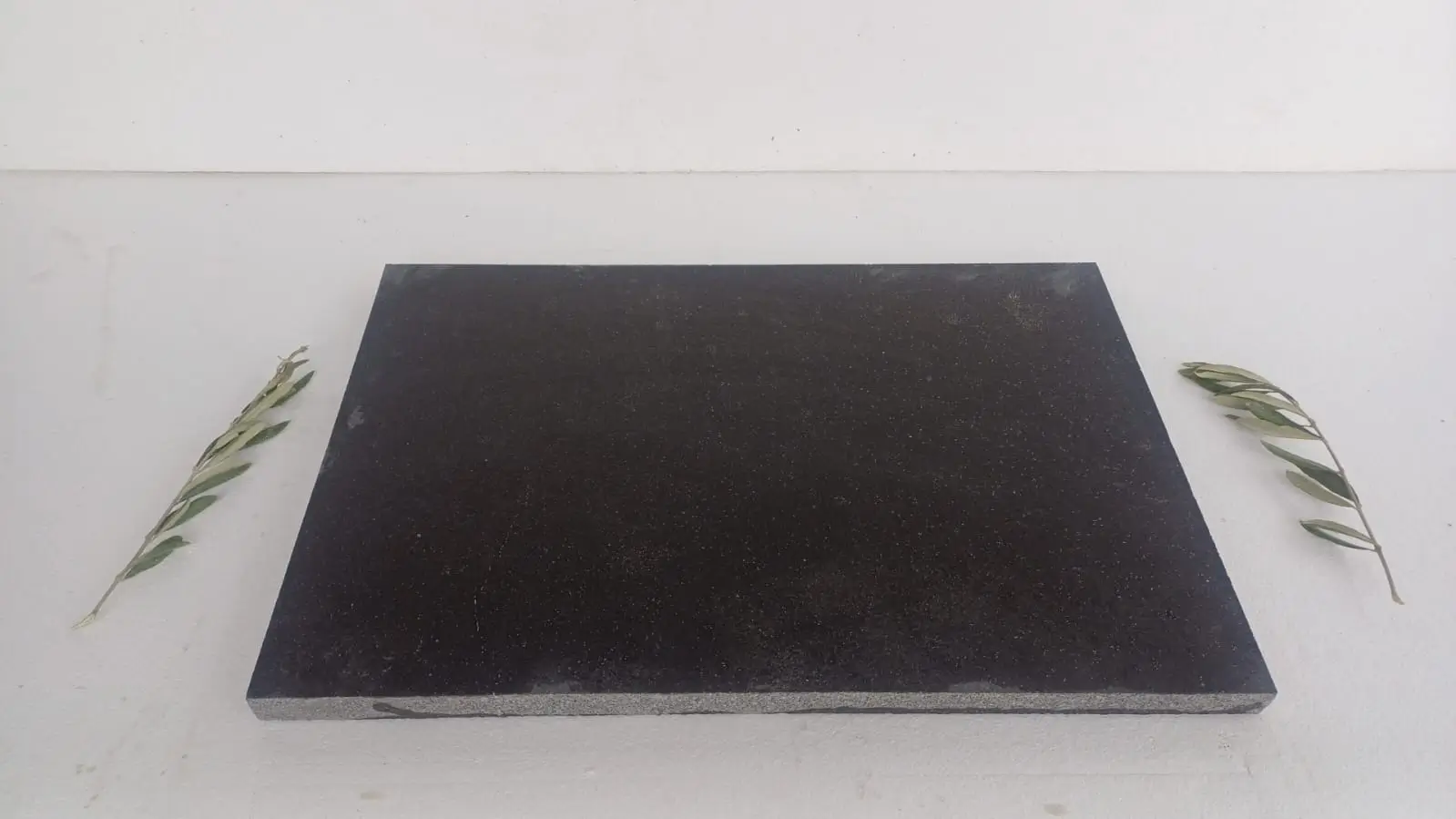
- Polished granite coping can often go 18 months between sealings, but you should still inspect the surface quarterly for areas where the sealer has burned off near the waterline
- Bluestone pool coping, which has lower porosity than travertine, still needs annual sealing — its tighter structure doesn’t make it immune to salt water or bromine exposure
- Always test with a water droplet before sealing — if it absorbs within 3 to 4 minutes, the sealer has worn through and resealing is overdue
Timing your sealing work seasonally matters more than most people account for. Penetrating sealers require the stone surface to be between 50°F and 90°F for proper curing — apply outside that window and you risk a sealer that never fully bonds. Early fall, once pool temperatures start dropping but before the first frost, is often the optimal window in freeze-thaw regions. In warmer climates, late spring before peak heat sets in gives the sealer time to cure before the surface temperature climbs above 95°F and the curing window closes.
Cleaning Protocols for Pool Coping Stone
Your cleaning routine needs to address three distinct contaminant categories: chemical deposits from pool water, organic matter from leaves and algae, and calcium scaling from hard water at the waterline. Treating all three with the same product is one of the most common mistakes in pool coping maintenance, and it’s where a lot of stone damage originates.
For general weekly cleaning, use a pH-neutral stone cleaner diluted in warm water. Standard household cleaners — including many deck washes and outdoor surface cleaners — contain acids or alkalis that strip sealer and etch calcium-based stones. Read the label. If it doesn’t explicitly state pH-neutral and safe for natural stone, assume it isn’t.
Calcium scaling at the waterline requires a dedicated calcium remover designed for natural stone. Acidic descalers will clean calcium effectively but they’ll also etch travertine and limestone in the process. Use a product specifically formulated for stone — these work through a chelating action rather than acid dissolution, and they won’t compromise your sealer or the stone surface beneath it.
- Brush coping joints weekly with a stiff nylon brush to prevent algae and debris from establishing in the grout
- Rinse coping surfaces with fresh water after each pool chemical treatment — don’t let chlorine residue dry on the stone surface
- Address rust staining from metal fixtures immediately using a poultice designed for stone — rust left on limestone or travertine will migrate into the pore structure within days
- For algae growth, use a diluted hydrogen peroxide solution rather than bleach, which damages sealer and can cause discoloration in calcareous stones
Joint Maintenance: The Detail Most Owners Overlook
Grout and mortar joints in pool coping take more abuse than any other component of the installation. They’re constantly wet, exposed to pool chemicals, subject to thermal expansion and contraction, and mechanically stressed by people sitting and stepping on the coping edge. Letting joints deteriorate is a direct path to coping stones that loosen, shift, and eventually crack.
Check all joints at the start and end of each pool season. Hairline cracks are acceptable if they’re stable, but crumbling, hollow-sounding, or missing sections of grout need to be repointed before water gets underneath the setting bed. Subsurface moisture is the accelerant for coping failures — once water gets beneath a coping stone and the freeze-thaw cycle takes over in cooler months, you’re looking at coping stones pool repair work rather than simple maintenance.
For the expansion joint between the coping and the pool deck, make sure the flexible sealant remains intact and pliable. This joint exists specifically to accommodate the differential movement between the pool shell and the surrounding deck. A rigid, cracked expansion joint is a structural problem, not just a cosmetic one. Replacing the backer rod and sealant every three to five years is standard practice on properly maintained pools.
Reviewing ASTM slip resistance and stone specifications for pool coping gives you a clear benchmark for evaluating surface performance during your inspection cycles — particularly useful when assessing whether a worn finish still meets safe-use thresholds.
Seasonal Timing for Pool Coping Maintenance and Repair Work
Pool coping maintenance tips work best when you coordinate them around temperature windows that suit both the stone and the products you’re applying. Getting the timing right isn’t complicated, but it does require planning maintenance into your seasonal schedule rather than treating it as a reactive task.
Spring opening is your primary inspection window. After the cover comes off, walk the entire coping perimeter and assess joint integrity, sealer condition, surface texture, and any movement in individual stones before the pool fills. Repairs made before the pool is in use are always easier and more durable than repairs attempted mid-season with water nearby.
If you need to apply adhesive, mortar, or repointing compound to coping stones, plan that work for morning hours when surface temperatures are stable and rising slowly. Afternoon work on dark-colored stone or direct west-facing exposures can mean stone surface temperatures that exceed ambient air temperature by 30°F or more — adhesive and mortar products have working time windows that compress sharply as temperature climbs. For penetrating sealers specifically, you want the stone surface to be in the 65°F to 80°F range at the time of application for optimal absorption and curing. Those conditions occur most reliably in morning hours during late spring and early fall in most regions. Avoid sealing within 24 hours of forecast rain — moisture interferes with sealer penetration regardless of how well the surface appears to have dried. For work involving coping stones pool repair, your mortar needs at least 28 days to cure before the expansion joint sealant goes in — rushing this sequence causes joint failure within the first pool season.
For access to detailed product selection and guidance on maintaining your coping installation, stone coping maintenance from Citadel Stone covers material-specific care requirements across the full product range.
Stain Removal Without Damaging the Stone
Stain removal on pool coping is one area where well-intentioned maintenance causes more damage than the stain itself. The approach depends entirely on what type of stain you’re dealing with, and guessing wrong with the wrong product on the wrong stone type can etch, discolor, or strip sealer in ways that require professional remediation.
- Tannin stains from leaves and organic debris: use an alkaline stone cleaner, allow dwell time of 10 to 15 minutes, then agitate with a nylon brush
- Metal stains (iron, copper from pool fittings): poultice treatment with a non-acidic iron stain remover — two to three applications are typically needed for staining that’s been present for more than a week
- Oil-based stains from sunscreen and body oils: alkaline degreaser specifically formulated for stone, not kitchen or bathroom degreasers
- Calcium and white mineral deposits: chelating descaler safe for natural stone — never use vinegar or general acid washes on travertine or limestone coping
- Algae and green organic growth: hydrogen peroxide at 3 to 6% concentration, applied and left to dwell before brushing — effective without sealer damage
The Natural Stone Institute limestone and travertine performance data includes useful guidance on chemical compatibility for common pool coping stone types — worth consulting before introducing any new cleaning product to your maintenance program.
Material-Specific Maintenance Differences
Not all pool coping seasonal care and cleaning follows the same schedule. The maintenance frequency and product selection that works for travertine will be over-aggressive for granite and under-protective for highly porous limestone. Understanding your specific stone type is foundational to a maintenance program that actually protects the material.
Travertine pool coping has open voids and an interconnected pore structure that makes it particularly receptive to pool chemistry. It benefits from more frequent sealing than denser stones and requires quarterly visual inspections for surface etching. Its relatively soft surface responds well to pH-neutral maintenance cleaners and shows damage quickly when acidic products are used — which is actually useful, because you’ll know fast if you’ve made a product selection error.
Granite coping is significantly denser and more chemically resistant, but it’s not maintenance-free. Granite’s crystalline structure can trap organic matter in micro-fissures, and the surface still needs sealing to prevent salt and chemical migration into the setting bed beneath. At Citadel Stone, we recommend a silane-siloxane penetrating sealer for granite pool coping rather than a topical film sealer — it bonds at the molecular level and doesn’t peel or cloud the way film sealers do in wet environments.
Bluestone and flagstone coping require attention to the cleft surface texture, which can trap debris and algae in the natural texture ridges. A stiff nylon brush weekly and an alkaline cleaner quarterly handles the organic buildup effectively without smoothing the surface texture that gives these stones their slip resistance.
Ordering and Scheduling Replacement Material
Any pool coping maintenance program should include a plan for how you’ll handle replacement material if sections need to be replaced. Natural stone is a quarried material — the same visual batch that was installed on your pool five years ago may not be available from your original source. Matching existing coping stone accurately depends on how long it’s been and how much the stone has weathered and aged in service.
Citadel Stone maintains warehouse inventory across its product range, which means you can verify material availability and reserve matching stock before you begin repair work rather than discovering mid-project that the original material has been discontinued. Truck delivery scheduling for replacement material typically runs two to five business days for in-stock material — factor that lead time into your repair planning so work doesn’t stall waiting for stone.
Order a modest overage — typically 10 to 15% above the measured replacement area. Coping cuts at returns and corners create offcuts that aren’t always reusable, and having extra material from the same warehouse batch means any touch-up work in future seasons can draw from matched stock. The alternative — ordering a separate batch later — almost always produces a visible color variation at the repair line, particularly on light-colored stones like ivory travertine or white limestone.
According to PHTA ANSI pool deck stone and coping safety standards, replacement material used in pool coping stone repair applications must meet the same slip-resistance and performance thresholds as the original installation — something to verify with your supplier before ordering.
Long-Term Pool Coping Maintenance Performance
Pool coping maintenance tips have real compounding value — a few hours of inspection and preventative care each season is the difference between a coping installation that ages gracefully and one that requires a full replacement at the 10-year mark. Your maintenance program should address sealing, joint integrity, stain removal, and material-specific cleaning on a consistent schedule rather than waiting for visible deterioration to trigger action. Deterioration that’s visible has almost always been progressing for longer than it looks.
The most overlooked dimension of long-term coping performance is the waterline transition — where pool water chemistry, evaporation, and stone surface all interact simultaneously. That zone concentrates chemical deposits, experiences the most frequent wet-dry cycling, and is where sealer burns through fastest. Give it dedicated attention during every maintenance inspection rather than treating it as part of the general coping surface. As you think about the broader stone transition at your pool edge, the pool tile-to-coping transition guide covers how material selection at that critical junction affects long-term maintenance requirements. The stone coping varieties stocked by Citadel Stone vary in their susceptibility to poolside chemical staining, which affects how frequently each type should be cleaned and resealed.
Related reading: What Is Pool Coping and Why Does It Matter? · pool coping material comparison · pool coping material guide.