

Introduction – Building Trust Through Certification
When you’re sourcing stone for a project, you’re not just buying a product—you’re entering into a partnership. That partnership needs to be built on trust, and in the stone industry, trust is earned through certifications and ethical practices. Stone supplier certifications are more than just stamps of approval; they’re proof that your supplier adheres to rigorous standards in quality, safety, and sustainability.
But why do these certifications matter so much? For one, they ensure that the stone you’re using meets industry benchmarks for durability and performance. Certifications also protect your brand’s reputation by aligning you with suppliers who prioritize ethical stone sourcing—meaning they minimize environmental harm, treat workers fairly, and operate transparently. In an era where consumers and clients demand accountability, partnering with a responsible stone supplier isn’t just smart—it’s essential.
In this guide, we’ll explore the certifications that matter most, the role of ethics in stone sourcing, and how you can verify that your stone supplier is truly walking the talk. Let’s start by understanding the key certifications every stone supplier should have.
Key Industry Certifications for Stone Suppliers
Certifications are the backbone of quality assurance in the stone industry. They provide a standardized way to measure a natural stone supplier’s commitment to environmental stewardship, worker safety, and product consistency. Here’s a breakdown of the most important certifications to look for in a sustainable stone vendor.
Quarry and Extraction Standards
The journey of stone begins at the quarry, and how it’s extracted can have a massive impact on both the environment and the quality of the final product. Key certifications to look for include:
ISO 14001: This certification focuses on environmental management systems. A supplier with ISO 14001 certification has proven that they’re actively minimizing their environmental impact through sustainable practices like reducing waste, conserving water, and managing energy use.
ANSI/NSC 373: This standard, developed by the Natural Stone Council, certifies that a quarry meets sustainability benchmarks in areas like water usage, site management, and transportation. It’s a gold standard for quarry certifications and signals a deep commitment to responsible extraction.
Key Insight: Always ask your stone supplier near me for their quarry certifications. These documents are your first line of defense against unsustainable practices.
Manufacturing & Processing Certifications
Once stone is extracted, it’s processed and manufactured into slabs, tiles, or custom pieces. Certifications in this area ensure that the processing is done safely, efficiently, and with minimal environmental impact.
CE Marking: Common in Europe, CE marking indicates that the stone product complies with EU safety, health, and environmental protection standards. It’s a must-have for suppliers serving international markets.
ANSI A108: This American standard covers the installation of ceramic tile and natural stone, but suppliers who adhere to it demonstrate a commitment to quality control in their processing methods.
ISO 9001: While not stone-specific, ISO 9001 certifies that a supplier has a robust quality management system in place, ensuring consistent product quality and customer satisfaction.
Key Insight: Look for stone suppliers near me who can provide documentation for these certifications. It’s a sign they take quality seriously.
Social & Labor Compliance
Ethical sourcing isn’t just about the environment—it’s also about people. Certifications that focus on labor practices ensure that workers are treated fairly and safely.
SA8000: This certification is based on international labor standards and covers issues like child labor, forced labor, health and safety, and fair wages. A supplier with SA8000 certification is committed to ethical labor practices.
Fair Stone: Specifically designed for the stone industry, Fair Stone certification ensures that suppliers adhere to fair labor practices, including safe working conditions and fair pay.
Key Insight: Social compliance certifications are non-negotiable if you want to ensure your supplier is truly ethical.
The Role of Ethical Stone Sourcing
Certifications are crucial, but they’re only part of the story. Ethical stone sourcing goes beyond compliance—it’s about a supplier’s commitment to doing the right thing, even when no one’s watching. Here’s what ethical sourcing looks like in practice.
Environmental Stewardship
Stone extraction and processing can be resource-intensive, but ethical local stone suppliers take steps to minimize their footprint.
Carbon Footprint Reduction: Ethical suppliers invest in energy-efficient machinery, renewable energy, and optimized logistics to reduce emissions.
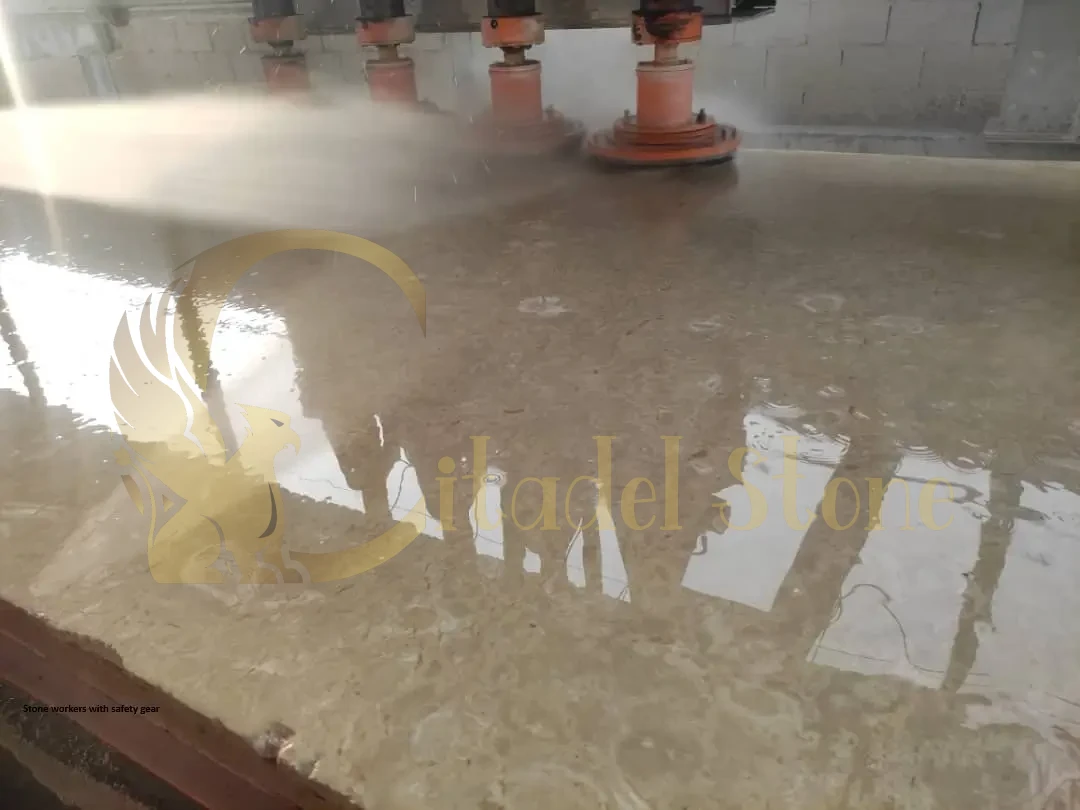
Water Conservation: Water is used heavily in stone processing. Responsible suppliers recycle water and use closed-loop systems to minimize waste.
Habitat Protection: Quarrying can disrupt local ecosystems. Ethical suppliers work to restore land post-extraction and protect biodiversity.
Key Insight: Ask your local stone supplier about their environmental initiatives. A sustainable stone vendor will be proud to share their efforts.
Community & Social Responsibility
Stone sourcing doesn’t happen in a vacuum—it affects the communities where quarries and factories are located.
Supporting Local Communities: Ethical suppliers create jobs, invest in local infrastructure, and engage with community leaders.
Fair Wages and Worker Rights: Workers should be paid fairly and have access to safe working conditions. Ethical suppliers go beyond legal minimums to ensure worker well-being.
Cultural Heritage Protection: In regions with historical or cultural significance, ethical suppliers work to preserve and respect local heritage.
Key Insight: A responsible stone supplier sees their role as a steward of both the environment and the community.
Transparency & Chain of Custody
Knowing where your stone comes from—and how it’s handled at every stage—is critical for ethical sourcing.
Chain of Custody: This refers to the ability to track stone from the quarry to the final installation. Suppliers with strong chain-of-custody practices can provide detailed documentation on the stone’s journey.
Transparency: Ethical natural stone suppliers near me are open about their sourcing practices, allowing you to verify their claims through audits or third-party reports.
Key Insight: If a natural stone supplier near me can’t provide clear documentation on their sourcing, it’s a red flag.
Benefits of Partnering with a Responsible Stone Supplier
Now that you understand what certifications and ethics look like, let’s talk about why they matter for your business or project.
Quality Assurance & Consistency
Certifications like ISO 9001 and ANSI/NSC 373 ensure that your natural stone wholesaler follows strict quality control processes. This means:
Consistent Product Quality: You’ll receive stone that meets the same high standards every time.
Fewer Defects: Certified natural stone wholesale suppliers have systems in place to catch and correct issues before they reach you.
Key Insight: Certifications are your guarantee of quality—don’t settle for less.
Regulatory Compliance & Risk Reduction
In an industry with complex regulations, partnering with a certified natural stone distributor near me reduces your risk.
Legal Compliance: Certified natural stone distributors near me are more likely to meet local and international regulations, protecting you from legal headaches.
Reputational Risk: Sourcing from an unethical supplier can damage your brand. Certifications and ethics are your shield against bad press.
Key Insight: Think of certifications as insurance—they protect your project and your reputation.
Enhanced Brand & Project Credibility
Clients and consumers are increasingly demanding ethical and sustainable products. By choosing a certified, ethical supplier, you:
Boost Credibility: Show that you care about more than just profits.
Differentiate Your Brand: Stand out in a crowded market by aligning with values-driven suppliers.
Key Insight: Ethics aren’t just good for the planet—they’re good for business.
How to Verify Stone Supplier Certifications & Ethics
Knowing what to look for is one thing—verifying it is another. Here’s how to ensure your supplier’s certifications and ethics are legit.
Reviewing Certification Documents
Certifications are only as good as their validity. Here’s what to check:
Validity Period: Certifications expire. Make sure the supplier’s documents are current.
Issuing Body: Verify that the certification was issued by a reputable organization (e.g., ISO, ANSI).
Scope: Ensure the certification covers the specific products or processes you’re interested in.
Key Insight: Don’t just take their word for it—ask for copies of their certificates and check the details.
On-Site Audits & Virtual Tours
If possible, visit the supplier’s facilities or request a virtual tour. Here’s what to look for:
Cleanliness and Organization: A well-maintained facility is a sign of professionalism.
Worker Conditions: Are workers wearing proper safety gear? Do they seem well-treated?
Environmental Practices: Look for signs of water recycling, waste management, and energy efficiency.
Key Insight: If an on-site visit isn’t possible, ask for a virtual tour or detailed photos.
Third-Party & Customer References
Don’t just rely on the supplier’s claims—get outside perspectives.
Third-Party Audits: Ask if the supplier has been audited by independent organizations.
Customer Testimonials: Reach out to past clients to hear about their experiences.
Industry Associations: Check if the supplier is a member of reputable industry groups like the Natural Stone Institute.
Key Insight: References and audits add an extra layer of trust.
Practical Checklist for Vetting Your Supplier
To make verification easier, here’s a step-by-step checklist you can use when evaluating a stone supplier:
Request copies of all relevant certifications (ISO 14001, ANSI/NSC 373, SA8000, etc.).
Verify the validity and scope of each certification.
Ask for documentation on their chain of custody and sourcing practices.
Inquire about their environmental initiatives (e.g., water recycling, carbon reduction).
Request a virtual or on-site tour of their facilities.
Check for third-party audit reports or industry association memberships.
Speak with past clients to confirm their experiences.
Evaluate their transparency—do they openly share information about their practices?
Inspect stone samples for quality and consistency.
Confirm their lead times and ability to meet your project deadlines.
Key Insight: Use this checklist to ensure you’re covering all bases when vetting a supplier.
Real Orders, Real Deliveries
We only publish projects we have actually supplied. See our Las Vegas white limestone delivery — two containers, 6,884 sq ft, 32 crates, shipped door to door — and how we supplied Creative Environments in Arizona with 21 containers across a 70,000+ sq ft installation: white limestone pavers and tiles, shellstone and Ocean Reef pavers.
Had Citadel Stone material installed on your project? Send us your photos and we will feature the work here, with your permission.
Conclusion & Next Steps
Choosing a stone supplier isn’t just about finding the best price—it’s about finding a partner who shares your commitment to quality, ethics, and sustainability. By prioritizing stone supplier certifications and ethical stone sourcing, you’re not only protecting your project but also contributing to a better industry.
At Citadel Stone, we take certifications and ethics seriously. Our suppliers are rigorously vetted, and we’re proud to offer stone that meets the highest standards of quality and responsibility. Ready to take the next step? Learn about our sustainably sourced collections or reach out to our team for a consultation. Contact us today to discuss your project needs.
Don’t leave your project’s success to chance—verify your supplier’s credentials and build with confidence.