

What Tundra Grey Limestone Actually Delivers on Site
Tundra grey limestone carries a compressive strength typically ranging from 8,000 to 12,000 PSI depending on bed orientation and quarry zone — a performance window that positions it squarely between softer domestic limestones and denser igneous options. Your specification decisions should anchor to that range, because it directly informs thickness selection, base depth, and the load scenarios this material handles confidently. Getting these inputs right from the start is the difference between a stable, long-running installation and one that develops hairline fractures within the first few freeze-thaw seasons. According to Natural Stone Institute limestone technical data, limestone density and absorption rate are the two variables that most reliably predict outdoor performance across climate zones.
Visual Character, Tone Variation, and Finish Selection for Warm Limestone Tile and Paving
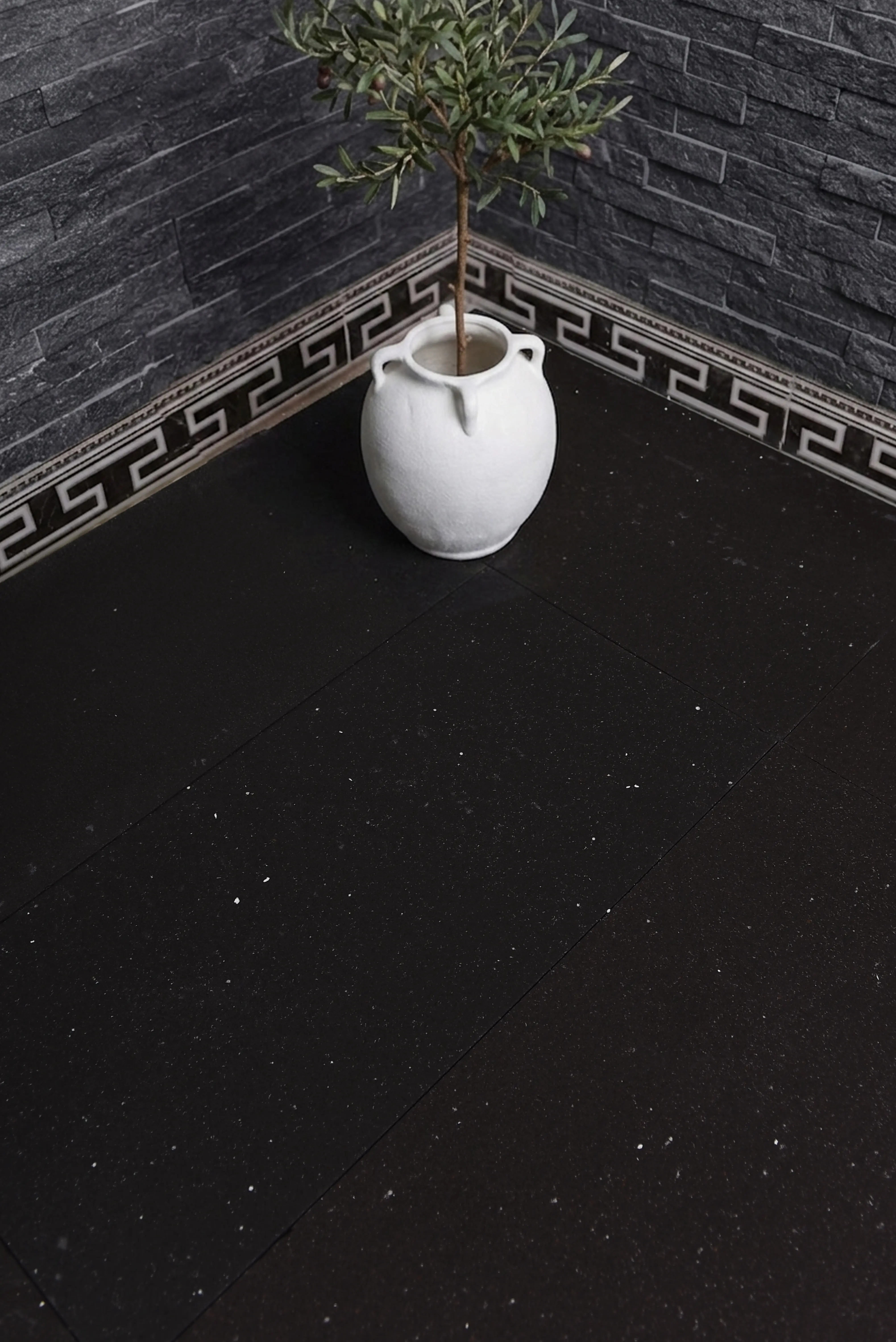
Tundra grey limestone reads differently across lighting conditions in ways that catch specifiers off guard. Under overcast northern light, the material presents as a cool, blue-leaning mid-grey. Move the same slab into direct sun and the warm buff undertones surface — those micro-fossil deposits and calcite veins scatter warm light in ways that push the perceived color toward taupe. This tonal shift is not a defect; it’s a characteristic of tundra grey limestone’s sedimentary layering, and it matters when you’re coordinating with facade materials or mortar color.
Surface finish amplifies or suppresses this effect significantly. A honed finish subdues the warm undertones and delivers a flatter, more consistent grey. A brushed or tumbled finish opens the pore structure slightly and lets the natural warmth read more prominently — which is often why warm limestone tile applications in transitional-style interiors favor those finishes over honed. Your design intent should dictate finish selection before you commit to a sample.
Natural variation across a single order runs moderate for this material. Expect tonal shifts of roughly 15–20% between the lightest and darkest pieces in any given batch. At Citadel Stone, we conduct warehouse quality checks specifically for color banding and veining consistency before pallets ship, because field calls about tonal mismatch almost always trace back to mixed batches that weren’t sorted at origin.
Thickness and Format Selection for Your Application
The format question for tundra grey limestone isn’t just about aesthetics — it’s a structural decision tied directly to your intended load and base system. Here’s what field performance data consistently shows across residential and light commercial installs:
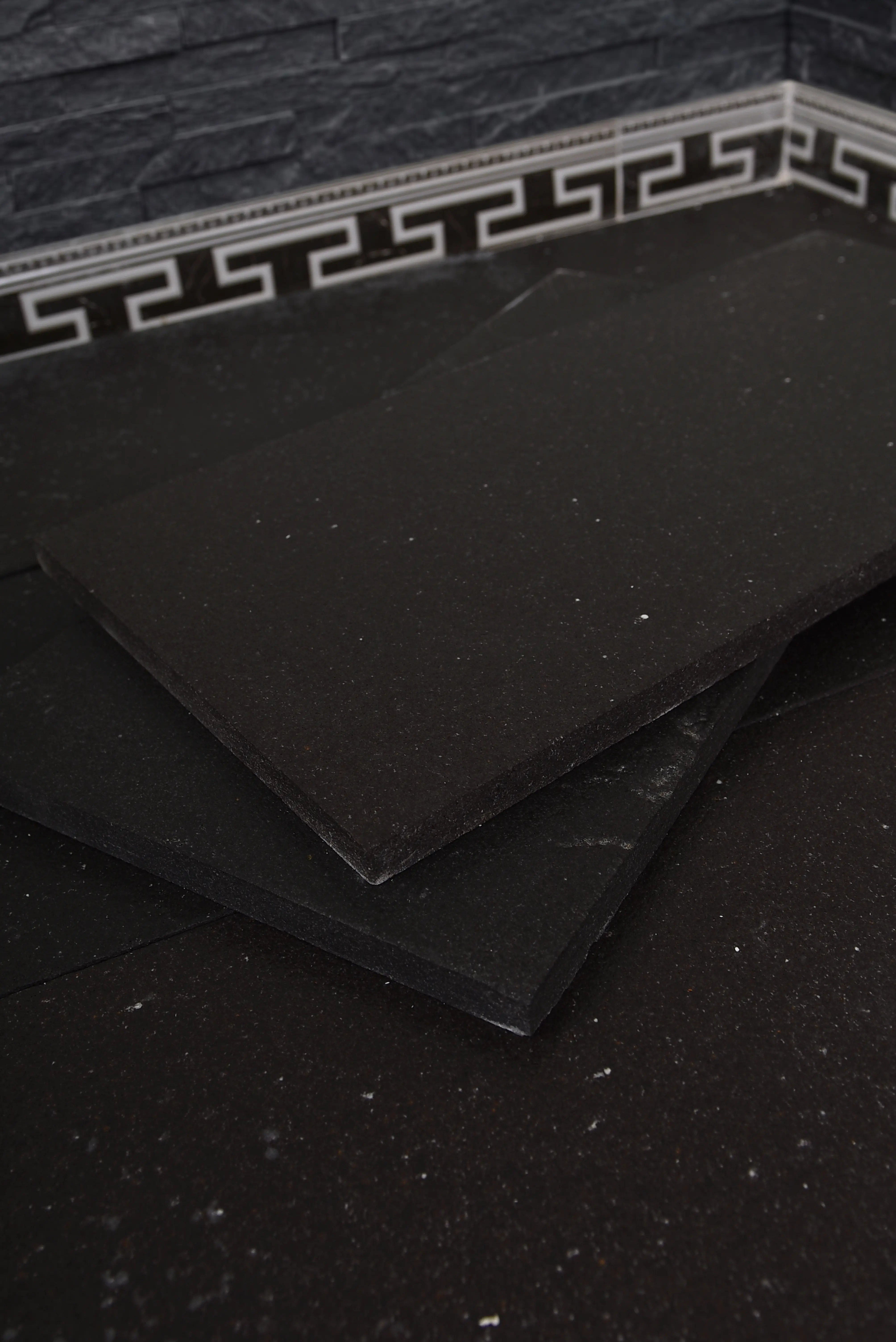
- 20mm (3/4 inch) nominal: suitable for interior flooring, wall cladding, and covered outdoor areas with pedestrian traffic only — not appropriate for vehicular or heavy point-load zones
- 30mm (1.25 inch) nominal: the standard outdoor specification for patios, pool surrounds, and walkways under normal residential loading
- 40mm (1.5 inch) nominal: appropriate for driveways, commercial pedestrian plazas, and any zone where occasional vehicle access is possible
- 50mm (2 inch) and above: specified for heavy-traffic commercial applications, loading areas, or projects in expansive soil zones where base stability is unpredictable
Tundra grey limestone pavers in the 30mm and 40mm range represent the volume of what most residential and light commercial projects require. Format sizing follows similar logic — larger formats (600×900mm and above) require stiffer, better-compacted bases because any differential settlement becomes visible as lippage across a wide slab face. Keep large-format installs to sand-set or full-mortar bed systems; skip the aggregate-only base for anything over 600mm on the longest edge.
Base Preparation: The Variable That Determines Everything Else
The single most common field failure in tundra grey limestone installations isn’t the stone — it’s the base. Specifically, it’s the gap between what the spec sheet recommends and what actually gets built on site. A 150mm compacted aggregate base sounds straightforward until you’re dealing with clay-heavy subsoil that retains moisture and shifts seasonally. In those conditions, you need to add a geotextile separation layer and increase base depth to at least 200mm to prevent subgrade migration into your aggregate layer.
Drainage geometry is equally critical. Your finished surface should slope a minimum of 1.5% away from structures — 2% is the target for open outdoor areas where ponding risk is real. Tundra grey limestone’s absorption rate (typically 3–6% by weight depending on finish) means standing water gets drawn into the stone matrix under freeze-thaw pressure, which is where spalling originates. The USGS limestone composition and application data confirms that calcium carbonate-based stones in this porosity range are highly vulnerable to cyclical freeze-thaw damage when drainage is inadequate.
- Subgrade compaction minimum: 95% Proctor density before aggregate placement
- Aggregate base: crushed stone, not rounded gravel — angular aggregate locks under load rather than shifting
- Sand bedding layer: 25–40mm of coarse washed sand, screeded to tolerance of ±3mm across a 3-meter straightedge
- Joint width: 3–5mm for a tight, formal look; 8–12mm for a more relaxed aesthetic — never go below 3mm or grout joint stress transfer becomes a cracking risk
Sealing, UV Exposure, and Long-Term Appearance Retention
Sun-exposed installations of tundra grey limestone raise specific questions about color stability that deserve direct answers. The grey tone you select from a sample board can shift perceptibly over the first two to three seasons of UV exposure — particularly in west-facing or south-facing applications that receive intense afternoon sun for extended periods. The mechanism is oxidation of trace iron compounds in the stone matrix, which gradually introduces a slight amber or rust tint into lighter sections of the slab surface. This is more pronounced in honed finishes than in brushed or sandblasted ones, because honed surfaces present a flatter, more reflective face that amplifies subtle color changes.
Penetrating silane-siloxane sealers are your primary tool for managing both UV-related color shift and moisture ingress in tundra grey limestone. Apply the first coat before the installation is exposed to weather — ideally within 48 hours of grouting completion. For outdoor sun-exposed zones, a reapplication schedule of every 24–36 months is realistic in most climates. High-UV environments (intense sun, minimal shade, reflective surroundings like pool water or light-colored concrete) typically pull that schedule closer to 18–24 months. A simple water-bead test tells you exactly when the sealer is spent — when water no longer beads on the surface and instead spreads flat, it’s time to reseal.
Finish selection is a meaningful lever for UV resilience. Brushed and flamed finishes scatter UV light rather than absorbing it uniformly, which reduces the visible oxidation effect over time compared to polished or honed surfaces. For pool surrounds and open terrace applications where sustained UV exposure is unavoidable, a brushed finish is the stronger specification. You can review limestone’s geological characteristics and mineral composition to understand why certain trace minerals in limestone react differently to extended UV and weathering cycles.
- Apply penetrating sealer within 48 hours of grout cure — before first rain exposure
- Use silane-siloxane chemistry, not topical acrylic sealers that can trap moisture and peel
- Reapply every 18–36 months depending on UV intensity and traffic level
- Brushed and flamed finishes outperform honed in maintaining appearance consistency under sustained sun exposure
- Avoid dark-tinted enhancement sealers unless you’re deliberately deepening tone — they can read unevenly as the sealer ages
Installing Tundra Grey Limestone in Full Mortar Bed Systems
Full mortar bed installation is the specification-grade approach for any tundra grey limestone project that involves interior heated floors, outdoor areas over concrete substrates, or commercial-grade traffic loading. This method is equally well-suited to warm limestone tile interior runs where dimensional consistency and thermal performance both factor into the specification. The mortar bed gives you three advantages: it provides a rigid, crack-isolating layer, it lets you fine-tune lippage across uneven slabs, and it eliminates the dynamic movement that aggregate-set systems allow under concentrated loads.
Your mortar bed should be a dry-pack mix (5:1 sand-to-Portland ratio) at 40–50mm depth, compacted and screeded before stone placement. Use a polymer-modified thinset as your bonding adhesive between the bed and the stone — standard cement-only thinset bonds poorly to limestone’s smoother face surfaces, and bond failure is where the grouting phase becomes a problem. For tundra grey limestone pavers on heated subfloors, verify that your thinset is rated for radiant heat systems; thermal cycling in those applications is more aggressive than outdoor seasonal movement.
You can browse our tundra limestone selections to compare available thicknesses and formats before committing to a mortar bed specification — thickness tolerance varies across the product range and affects your bed depth calculation.
Slip Resistance: Choosing the Right Finish for Wet Zones
Slip resistance for tundra grey limestone is finish-dependent, and the spec decision matters most in pool surrounds, outdoor stairs, and entry areas exposed to rain. A honed finish leaves a smooth, closed face — borderline for wet barefoot use, and one to check against the ANSI A326.3 minimum wet DCOF of 0.42 that most commercial wet-zone specifications require. A brushed finish opens the surface texture further, and a flamed or sandblasted finish opens it more still, which covers virtually all outdoor wet-zone requirements.
- Polished finish: not recommended for any wet or outdoor application — wet DCOF falls below 0.40
- Honed finish: appropriate for interior dry-zone flooring and covered outdoor areas with minimal rain exposure
- Brushed finish: the standard specification for pool surrounds, terraces, and outdoor stairs — wet DCOF test report on request
- Flamed or sandblasted finish: the strongest option for high-traffic wet zones, commercial stairs, and areas where elderly or mobility-limited users are expected
For covered outdoor areas where rain exposure is low but condensation is possible, a honed finish with a light anti-slip additive in the sealer coat is a practical middle-ground that preserves the cleaner aesthetic while improving wet-surface traction. Test the coefficient on-site after sealing — some penetrating sealers slightly reduce friction values on smooth surfaces.
Sourcing, Lead Times, and Logistics Planning
Tundra grey limestone is quarried from multiple source regions — primarily Turkey and selected quarries from the Middle East — with meaningful variation in density, vein character, and color consistency between sources. Specifying by region matters when color consistency across a large project is non-negotiable. A single-source order from one quarry zone delivers tighter tonal uniformity than a mixed-source order assembled from warehouse inventory across multiple lots.
Lead times for tundra grey limestone depend on whether you’re drawing from held warehouse stock or ordering against a fresh quarry cut. Citadel Stone maintains national warehouse inventory of core tundra grey formats, which typically supports 1–2 week lead times for standard sizes. Custom dimensions or specialized finishes generally require a 6–10 week lead from quarry to delivery. Factor this into your procurement schedule — ordering 4–6 weeks ahead of your install date for standard stock, and 12+ weeks for custom cuts, protects your project timeline from supply gaps.
Truck delivery logistics are worth confirming before your order is placed. Full-pallet orders of 30mm and 40mm material run 2,200–2,800 lbs per pallet, and a standard truck delivery will drop at curbside. If your site has restricted truck access — tight turning radius, weight-restricted access roads, or elevated driveways — arrange for smaller delivery vehicles or a crane-assisted off-load in advance. Trying to solve truck access problems on delivery day adds cost and delays that eat into your installation window.
Realistic Maintenance Expectations Over the Long Term
Tundra grey limestone pavers and slabs maintained correctly deliver decades of service life in demanding outdoor conditions. The maintenance protocol is straightforward, but consistency matters more than intensity — irregular care creates the conditions for staining and joint degradation that lead to premature remediation costs.
- Annual cleaning: pH-neutral stone cleaner, soft-bristle brush or mechanical scrubber — avoid acidic cleaners (vinegar, citrus-based products) which etch the calcium carbonate surface
- Joint inspection: check sand or mortar joints annually for settlement gaps — open joints allow water infiltration that accelerates base erosion and freeze-thaw damage
- Sealer reapplication: every 18–36 months as confirmed by water-bead test, not by calendar alone
- Efflorescence management: white mineral deposits on the surface are soluble and removable with diluted sulfamic acid — address early before they cycle repeatedly and permanently lighten the surface tone
- Stain response: tundra grey limestone’s moderate porosity means oil and organic stains penetrate quickly — blot spills immediately and apply a poultice treatment within 24 hours for any stain that has absorbed into the matrix
What most property owners underestimate is the joint sand maintenance. Polymeric joint sand locks effectively when first installed, but UV degradation and rain wash-out over several seasons can reduce joint fill to 60–70% capacity. At that point, water infiltration and weed establishment accelerate simultaneously. Refilling joints to 90–95% capacity is a 20-minute maintenance task that prevents expensive base remediation — it’s worth building into your annual inspection routine.
Getting Tundra Grey Limestone Specifications Right
Tundra grey limestone rewards careful specification far more than it rewards expensive remediation after the fact. Your most consequential decisions — finish selection, base depth, joint width, and sealing schedule — happen before the first slab touches the ground. Get those inputs right, and the material’s natural density and tonal versatility carry your project through decades of service without significant intervention. The details covered here represent the specification discipline that separates installations that age gracefully from those that require costly correction within the first five years. As your project planning extends to related interior applications, it’s worth exploring grey limestone countertop specifications — the performance variables for countertop use overlap with flooring in meaningful ways and inform cohesive material selection across your project. Sourced from quarries across the Mediterranean and Middle East, tundra grey limestone from Citadel Stone suits both indoor and shaded outdoor use.
Related reading: grey limestone varieties compared · grey limestone color guide · honed grey limestone finish guide.