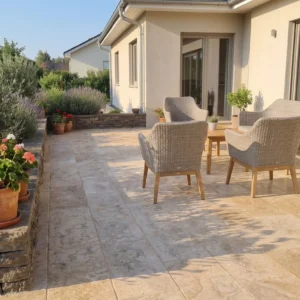
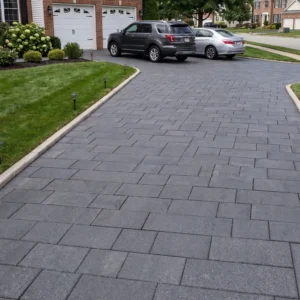
In Cayman’s condo stock, the finest stone specification in the world builds nothing until a meeting votes for it. Strata governance decides what amenity decks, walkways and balconies become — and the difference between upgrades that happen and upgrades that die in discussion is rarely technical. It is preparation, translation and meeting craft: the skills this playbook packages for owners, boards and managers who want the works approved and the community intact afterwards.
Know the machine before feeding it
Every strata runs on its documents — bylaws setting approval thresholds, reserve rules governing funding, meeting procedures deciding when votes can even occur — and the works proposal that succeeds was drafted by someone who read them first. The homework list is short: what majority the works class requires, whether reserves or special assessment funds them, which meeting can carry the vote and what notice it needs, and who — board, committee or manager — shepherds proposals between meetings. An hour with the bylaws routinely saves a season of procedural restarts.
- Which majority the works class actually requires under the bylaws.
- Whether reserve funds can be drawn, or whether a special levy is needed.
- When votes can be taken, and what notice period applies.
- What quorum the meeting needs, and how proxies are counted.
- Whether the work touches common property, which changes the approval route entirely.
The proposal pack: decisions made easy
Boards approve what they can evaluate, and the winning submission arrives complete: the physical sample owners can touch at the meeting, photographs of comparable installations, the specification in plain terms with the datasheet behind it, an itemized quote with phasing options, the reserve-impact framing that turns cost into asset arithmetic, and the maintenance regime priced so the decade is visible. The pack’s deeper function is trust: a proposal this prepared signals a project that will run the same way — and boards fund competence.
- A physical sample owners can touch during the meeting.
- Photographs of comparable installations, ideally on the same island.
- The specification in plain terms, with the datasheet behind it for anyone who asks.
- An itemized quote with phasing options rather than a single number.
- A written maintenance regime and its annual cost, so the reserve position is honest.
Translating stone into strata language
Technical virtues persuade only when translated into the room’s currencies. Density and slip values become “fewer incident reports at the pool”; attic stock becomes “repairs without assessments”; batch records become “phase two will match”; the storm-zone specification becomes “the insurance conversation improves”; and durability becomes the sentence every AGM understands: “this is the last time we fund this surface.” The presenter’s discipline is answering the question owners actually hold — what does this cost me, when, and what do I get — before the floor asks it.
Phasing: the politics of the possible
Full-scope proposals frighten funding votes; phased ones build coalitions. The classic Cayman sequence starts where consensus lives — the amenity deck everyone uses, or the entrance everyone sees — delivers it impeccably, and lets the result campaign for the next phase: owners who watched phase one arrive on time, on budget and beautiful vote differently on phase two. Phasing also fits the island works calendar — low-season windows, booked years ahead in busy buildings — and the batch-reservation discipline that keeps a three-year program matching across votes.
The meeting itself
AGM craft is its own modest art: the sample passed hand to hand while the presentation runs, the quote’s phasing options framed as choices rather than ultimatums, questions answered by the specification rather than improvisation, dissent heard fully — strata memories are long, and steamrolled objections return as next year’s opposition — and the vote requested cleanly when the room is ready. Where boards lack technical confidence, the supplier joins by invitation: ten minutes of professional answers frequently converts the skeptical middle a proposal lives or dies by.
After the yes: governing the works
Approval begins the second campaign: works communicated ahead (dates, zones, noise honesty), buildings never closed per the no-vacancy renovation rules, progress reported at the cadence owners were promised, and the handover file — batch records, spares inventory, maintenance calendar, warranties — lodged with the strata documents where the next decade’s boards will find it. The finished deck then does the politics forever after: every owner who crosses it daily is a vote the next proposal already holds. The Cayman supply hub prepares board-ready packs as standard — because on this island, the meeting is where stone projects are truly built.
The reserve study: stone’s numbers inside the fund
Every strata argument about money eventually reaches the reserve study — the schedule of what the building must replace and when, priced into the fund’s contributions — and stone’s case is strongest exactly there, because it changes the document’s arithmetic. A painted deck cycles every few years; a timber system carries refinishing lines and a replacement horizon; membrane surfaces carry re-coating cycles the fund must anticipate. A properly specified stone deck enters the study differently: no scheduled replacement inside the planning horizon, a maintenance line measured in cleaning and joint care, and a repair allowance served by attic stock already purchased. The board that moves its amenity surfaces to stone is not just approving a project; it is deleting future lines from the reserve schedule.
Presenting it that way wins meetings. The proposal pack should show the study before and after: current surface’s remaining life and replacement cost as scheduled, stone’s capital cost once, and the contribution impact across ten years — a table any treasurer can verify. Include the assumptions honestly: batch spares held (and their storage), the cleaning regime priced at real island rates, and the one number boards forget to ask for — what a like-for-like repair costs per square meter with stock on hand versus without. The same table defends the fund at every future AGM: when a unit cracks, the answer is an hour’s labor and a stored stone, minuted once and forgotten.
Reserve studies reward materials that behave predictably, and stone’s predictability is the whole pitch: the fund knows its future because the surface refuses to have one worth budgeting for. Boards buy certainty; put the certainty where they audit it.
Where planning permission sits alongside the strata vote
A strata vote is not the only approval a works package may need, and confusing the two is a common delay. The Cayman Islands Development and Planning Act defines what constitutes development and when permission is required.
- Development covers building, engineering or other operations, material change of use and subdivision.
- Permission is required for development after 17 January 1972, subject to listed exemptions.
- Maintenance that does not materially affect external appearance sits outside the definition.
- Building operations include rebuilding, structural alterations and additions to buildings.
- Permission, once granted, remains effective for five years, which matters for phased schemes.
Timing a submission around the authority calendar
Where permission is needed, the calendar is public and predictable, which makes it plannable. The Central Planning Authority publishes how it operates.
- A board of thirteen, chaired with a deputy chairperson and eleven members.
- Meetings held bi-weekly, on Wednesdays at 10am.
- The Director of Planning acting as Executive Secretary with departmental support.
- Applications assessed by the Department of Planning and other agencies before the board sees them.
- Conditions frequently attached to approvals, which should be anticipated in the works program.
Building the coalition before the meeting
Votes are usually decided before anyone sits down, which is why the week before the AGM matters more than the hour of it.
- The committee briefed individually, well ahead of the papers going out.
- The building manager consulted early, since operational objections sink proposals late.
- The most skeptical owner asked for their concerns in advance rather than in the room.
- A one-page summary circulated with the notice, not tabled on the night.
- Phasing options presented as choices, so the meeting decides how rather than whether.
Strata renovation approval and the traps worth knowing
The best specification in the region will not survive a badly prepared meeting. Read the bylaws first, find out which majority you actually need, bring a sample people can hold, translate density and slip values into incident reports and assessments, phase the scope so the first success argues for the second, and check whether the work needs planning permission as well as a vote. Do that and the technical part becomes the easy part. Where the deck itself is the subject, our condo amenity deck stone guide covers the specification. Win the meeting on paper and the trowels follow.