Why Proper Supplier Selection Matters
Selecting the right stone supplier is about more than just finding the best price—it’s about ensuring the long-term success of your project. Here’s why taking the time to vet suppliers properly is essential:
Cost, Quality, and Project Timelines
Cost: A supplier with transparent pricing and fair terms can help you avoid unexpected expenses. Hidden fees or low-quality materials can inflate your budget.
Quality: High-quality stone ensures durability and aesthetic appeal. Poor-quality stone may crack, stain, or fail to meet design specifications, leading to costly rework.
Timelines: Reliable suppliers deliver on schedule. Delays in stone delivery can stall your entire project, causing missed deadlines and increased labor costs.
Risk Mitigation and Warranty Protection
Risk: Unvetted suppliers may provide substandard materials or fail to meet industry standards, increasing the risk of project failure.
Warranty: Reputable suppliers offer warranties that protect you from defects and ensure long-term support. Without this, you may face expensive repairs or replacements down the line.
Proper vetting minimizes these risks, ensuring your project stays on track and within budget.

Key Criteria for Stone Supplier Selection
When choosing a stone vendor, it’s essential to evaluate several key factors to ensure they can meet your project’s specific needs. Here are the most important criteria to consider:
Product Range & Availability
Does the supplier offer a wide variety of stone types, finishes, and sizes?
Can they provide custom cuts or specialty stones if your project requires them?
Is their inventory readily available, or will you face long lead times?
A natural stone supplier with a diverse and accessible product range ensures you won’t face delays or compromises in material selection.
Certifications & Compliance (e.g., ANSI, ASTM)
Look for suppliers who adhere to industry standards like ANSI (American National Standards Institute) or ASTM (American Society for Testing and Materials).
Certifications ensure the stone meets quality, safety, and performance benchmarks.
Ask for documentation to verify compliance, especially for large-scale or high-stakes projects.
Sustainability & Ethical Sourcing
Does the supplier follow sustainable quarrying practices?
Are their stones ethically sourced, with fair labor practices and minimal environmental impact?
Sustainability is increasingly important for clients and regulatory bodies alike.
Choosing a stone supplier near me committed to ethical and sustainable practices not only aligns with modern values but can also enhance your project’s reputation.
Pricing Models & Volume Discounts
Understand the stone supplier in my area’s pricing structure—do they offer competitive rates for bulk orders?
Are there volume discounts or flexible payment terms for large projects?
Ensure pricing is transparent, with no hidden fees for delivery, handling, or customization.
A clear and fair pricing model helps you stay within budget while securing the best value.
The Supplier Vetting Process
Once you’ve shortlisted potential local stone suppliers based on the criteria above, it’s time to dive deeper into the vetting process. Here’s how to thoroughly evaluate each supplier:
Online Research & Review Analysis
Start by researching the supplier’s online presence. Look for reviews on platforms like Google, Yelp, or industry-specific forums.
Pay attention to recurring themes in reviews—both positive and negative. Are there consistent complaints about quality or service?
Check their website for case studies, project portfolios, and client testimonials.
Requesting Samples & Quality Testing
Always request samples before committing to a supplier. This allows you to inspect the stone’s quality firsthand.
Test the samples for durability, color consistency, and finish. If possible, conduct or commission lab tests for strength and porosity.
Compare samples from multiple suppliers to ensure you’re getting the best quality.
On-site Yard Visits & Facility Tours
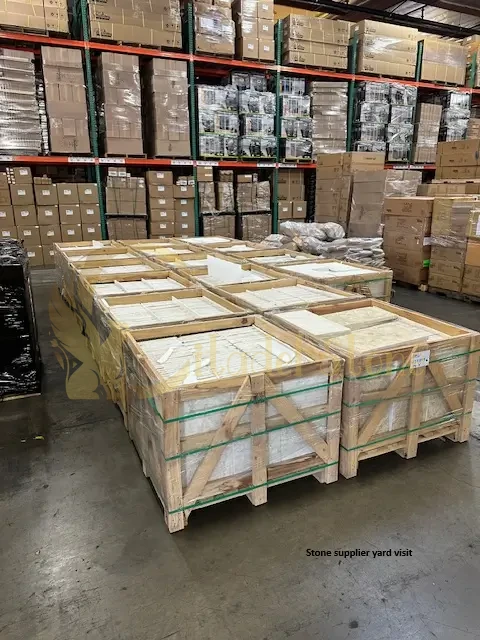
Whenever possible, visit the supplier’s yard or facility. This gives you insight into their operations, inventory management, and quality control processes.
During the visit, inspect the stone slabs for cracks, discoloration, or other defects.
Ask about their sourcing practices and how they handle quality assurance.
Reference Checks & Client Testimonials
Ask the natural stone supplier near me for references from past clients, especially those with projects similar to yours.
Contact these references to inquire about their experience—were they satisfied with the quality, delivery, and support?
Look for testimonials that speak to the supplier’s reliability and customer service.
A thorough vetting process ensures you’re partnering with a supplier who can deliver on their promises.
Evaluating Logistics & Support
Beyond the stone itself, logistics and support are critical to a successful partnership. Here’s what to consider:
Delivery Options & Lead Times
What delivery options does the supplier offer? Do they provide international shipping if needed?
What are their typical lead times for orders? Can they accommodate tight deadlines?
Ensure their delivery schedule aligns with your project timeline to avoid costly delays.
Packaging, Handling, and Damage Claims
Ask about their packaging methods—proper packaging prevents damage during transit.
Understand their process for handling damage claims. Will they replace or refund damaged stone promptly?
Look for stone suppliers with a clear, fair policy for addressing shipping issues.
Technical Support & Post-Sale Service
Does the supplier offer technical support for installation or maintenance questions?
What kind of post-sale service do they provide? Are they available for follow-up consultations or warranty claims?
Reliable support ensures you’re not left to resolve issues on your own after the sale.
Evaluating these factors ensures your supplier can handle the logistical demands of your project and provide ongoing support.
Negotiation & Contract Best Practices
Once you’ve selected a natural tile supplier, it’s time to negotiate terms and finalize the contract. Here’s how to protect your interests:
Drafting Clear Scope of Supply
Clearly define the scope of supply in the contract. Specify the type, quantity, and quality of stone, as well as any customizations.
Include detailed descriptions of finishes, dimensions, and tolerances to avoid misunderstandings.
Payment Terms & Deposit Structures
Negotiate payment terms that work for both parties. Common structures include a deposit upfront with the balance due upon delivery.
Be wary of suppliers who demand full payment before delivery, as this increases your risk.
Warranty, Returns, and Liability Clauses
Ensure the contract includes a warranty that covers defects in materials and workmanship.
Clarify the process for returns or replacements if the stone doesn’t meet specifications.
Include liability clauses that protect you in case of delays, damage, or non-compliance.
A well-drafted contract safeguards your investment and sets clear expectations for both parties.

Creating Your Stone Supplier Scorecard
To streamline the selection process, create a scorecard to evaluate potential natural stone wholesale suppliers objectively. Here’s a sample checklist and scoring system:
Sample Checklist Template
Product Range: Does the supplier offer the stone types and finishes you need? (Yes/No)
Certifications: Are they compliant with ANSI, ASTM, or other relevant standards? (Yes/No)
Sustainability: Do they follow ethical and sustainable sourcing practices? (Yes/No)
Pricing: Is their pricing competitive and transparent? (Yes/No)
Logistics: Can they meet your delivery timeline and provide adequate packaging? (Yes/No)
Support: Do they offer technical support and post-sale service? (Yes/No)
Scoring Metrics: Quality, Cost, Service, Sustainability
Assign a score (1–5) for each category:
Quality: Based on sample testing and certifications.
Cost: Based on pricing and value for money.
Service: Based on responsiveness, support, and client testimonials.
Sustainability: Based on their sourcing practices and environmental impact.
Use this scorecard to compare suppliers and make a data-driven decision.
Common Pitfalls & How to Avoid Them
Even with careful planning, there are common mistakes that can derail your supplier selection process. Here’s how to avoid them:
Hidden Fees and Chargebacks
Pitfall: Some suppliers add unexpected fees for delivery, handling, or customization after the initial quote.
Avoidance: Request a detailed, itemized quote upfront and include all potential costs in the contract.
Overpromising Suppliers
Pitfall: Suppliers may overpromise on quality or delivery times to win your business, only to underdeliver.
Avoidance: Verify claims through references, site visits, and sample testing. Set realistic expectations in the contract.
Inadequate Sample Testing
Pitfall: Relying solely on supplier-provided photos or descriptions without testing physical samples.
Avoidance: Always request and test samples. If possible, visit the supplier’s yard to inspect the stone in person.
By being aware of these pitfalls, you can take proactive steps to avoid them and ensure a smooth selection process.
Real Orders, Real Deliveries
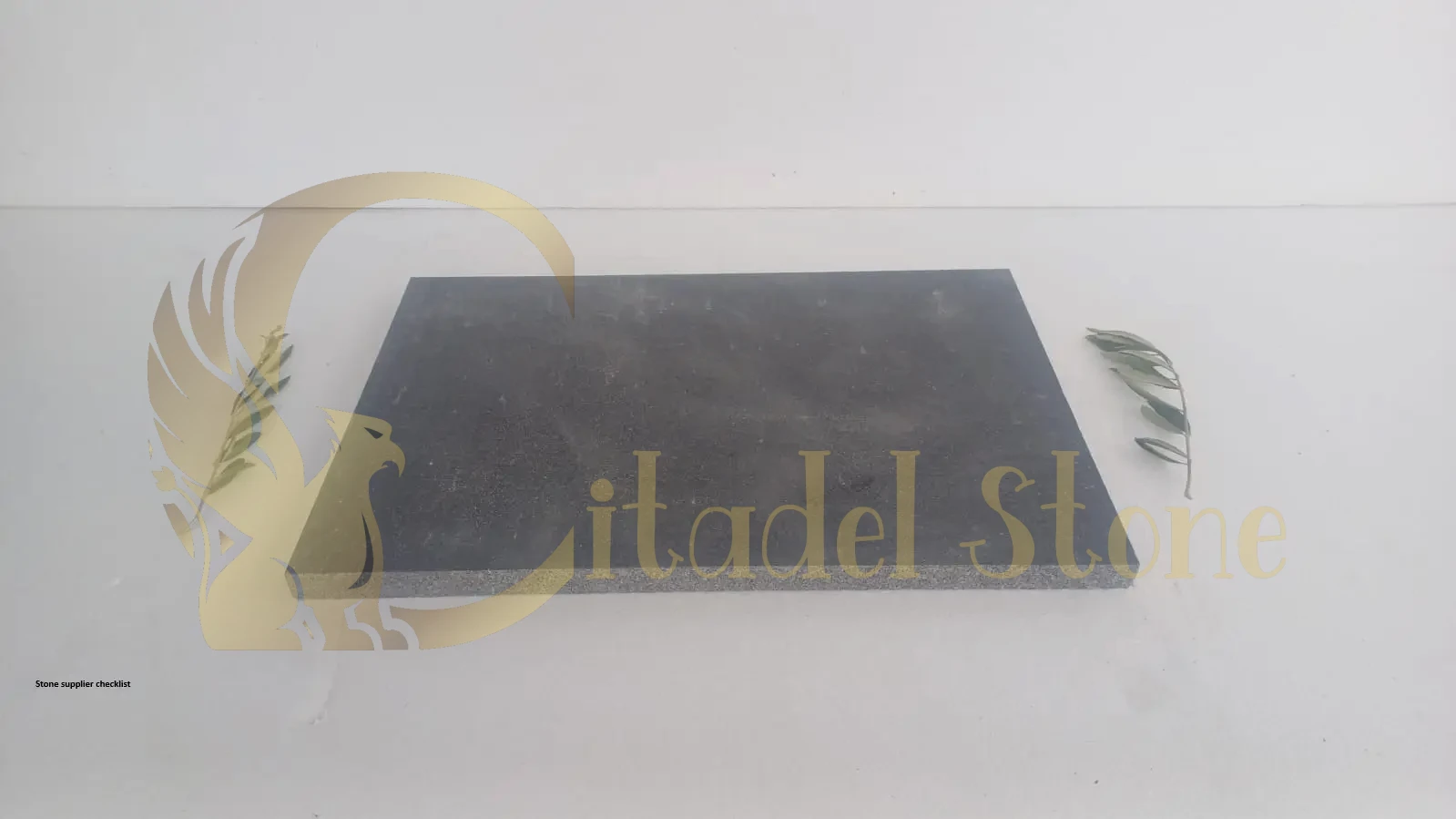
We only publish projects we have actually supplied. See our Las Vegas white limestone delivery — two containers, 6,884 sq ft, 32 crates, shipped door to door — and how we supplied Creative Environments in Arizona with 21 containers across a 70,000+ sq ft installation: white limestone pavers and tiles, shellstone and Ocean Reef pavers.
Had Citadel Stone material installed on your project? Send us your photos and we will feature the work here, with your permission.
Final Recommendations & Next Steps
Selecting and vetting a stone supplier requires careful consideration, but the effort pays off in the form of a successful project. Here are the key takeaways:
Start with clear criteria: Focus on product range, certifications, sustainability, and pricing.
Vet thoroughly: Use online research, sample testing, site visits, and reference checks.
Evaluate logistics: Ensure the supplier can meet your delivery and support needs.
Negotiate wisely: Draft a contract that protects your interests and sets clear expectations.
Use a scorecard: Objectively compare suppliers based on quality, cost, service, and sustainability.
Building a long-term partnership with a reliable supplier can streamline future projects and ensure consistent quality. For more resources on stone procurement and quality standards, explore our stone quality standards and browse our procurement resources.
By following this guide, you’ll be well-equipped to select the best stone supplier who meets your project’s needs and exceeds your expectations.