Understanding Supplier Warranties
Typical Warranty Coverage & Exclusions
Stone supplier warranties typically guarantee the material against:
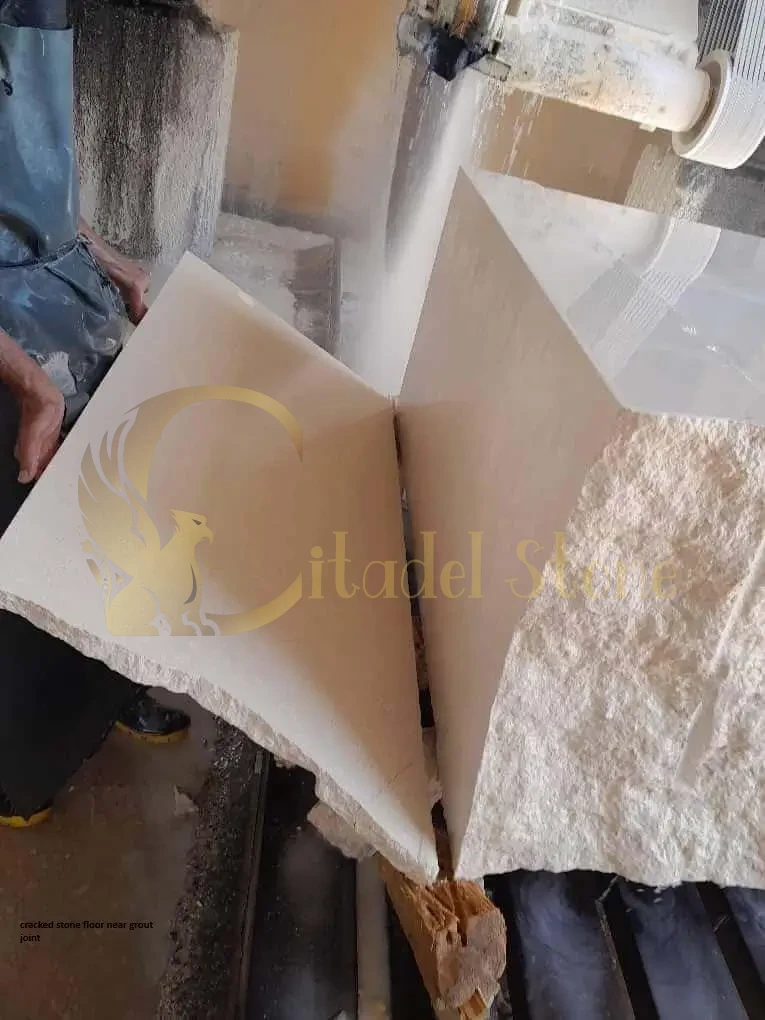
Structural defects (cracking, delamination).
Excessive absorption leading to freeze‐thaw damage.
Color fade under normal UV exposure.
Common exclusions include:
Improper installation or maintenance.
Damage from impact, misuse, or chemical exposure.
Natural variation in veining or color beyond approved mock-ups.
Claim Processes & Documentation Requirements
To pursue a natural stone warranty claim, you must:
Notify the natural stone supplier in writing within the warranty window (often 1–5 years).
Provide evidence: dated photographs, slab batch numbers, and mock-up approvals.
Return failed samples or grant access for on-site inspection.
Complete claim forms per the supplier’s protocol.
Limitations of Manufacturer’s Liability
Most stone suppliers cap warranty liability to the original material cost or contract value. They often disclaim coverage for:
Consequential damages, such as lost revenue.
Labor costs to replace or repair materials.
Third-party claims (e.g., guest injuries).
Installer Responsibilities & Standards of Care
Industry Installation Standards (ANSI/TCNA, BS 5385)
Installers are bound by recognized practice standards such as:
ANSI A108 for setting tile and stone.
TCNA Handbook for substrate preparation and layout.
BS 5385 for wall and floor tiling in the UK.
Adhering to these ensures correct mortar bed, movement joints, and waterproofing.
Common Installation Errors Leading to Failure
Insufficient adhesive coverage: leads to hollow spots and eventual cracking.
Incorrect joint spacing: causes lippage and stress fractures.
Poor substrate preparation: allows substrate movement that cracks stone.
Proof of Proper Installation & Maintenance Logs
To absolve installer liability, maintain:
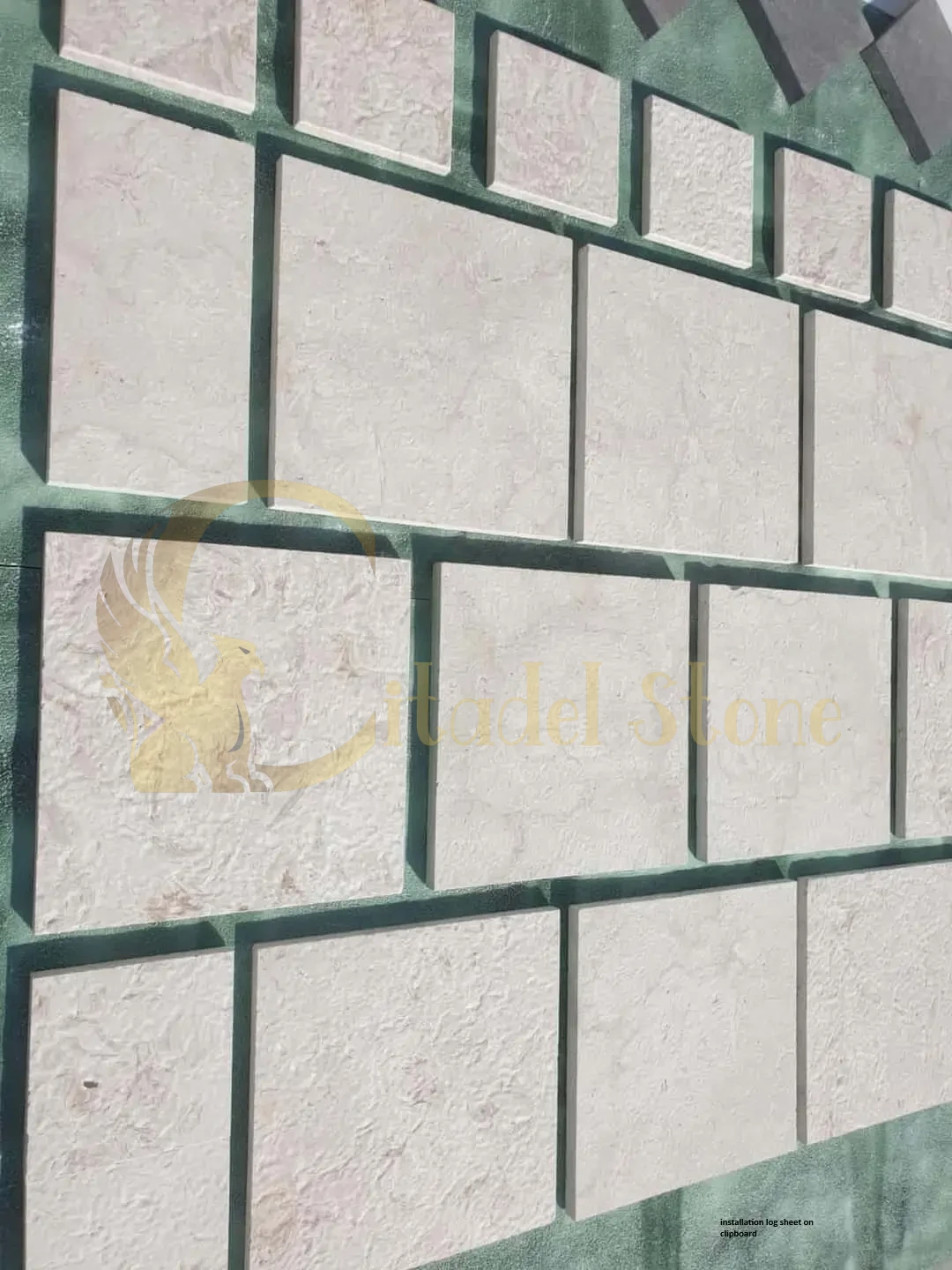
Daily log sheets recording substrate moisture tests, trowel size, and curing conditions.
Photographic records of bed thickness, joint profiles, and grout application.
Maintenance instructions delivered to end-users and confirmed in writing.
Inquire about custom stone solutions with your professional stone supplier near me!
Real Orders, Real Deliveries
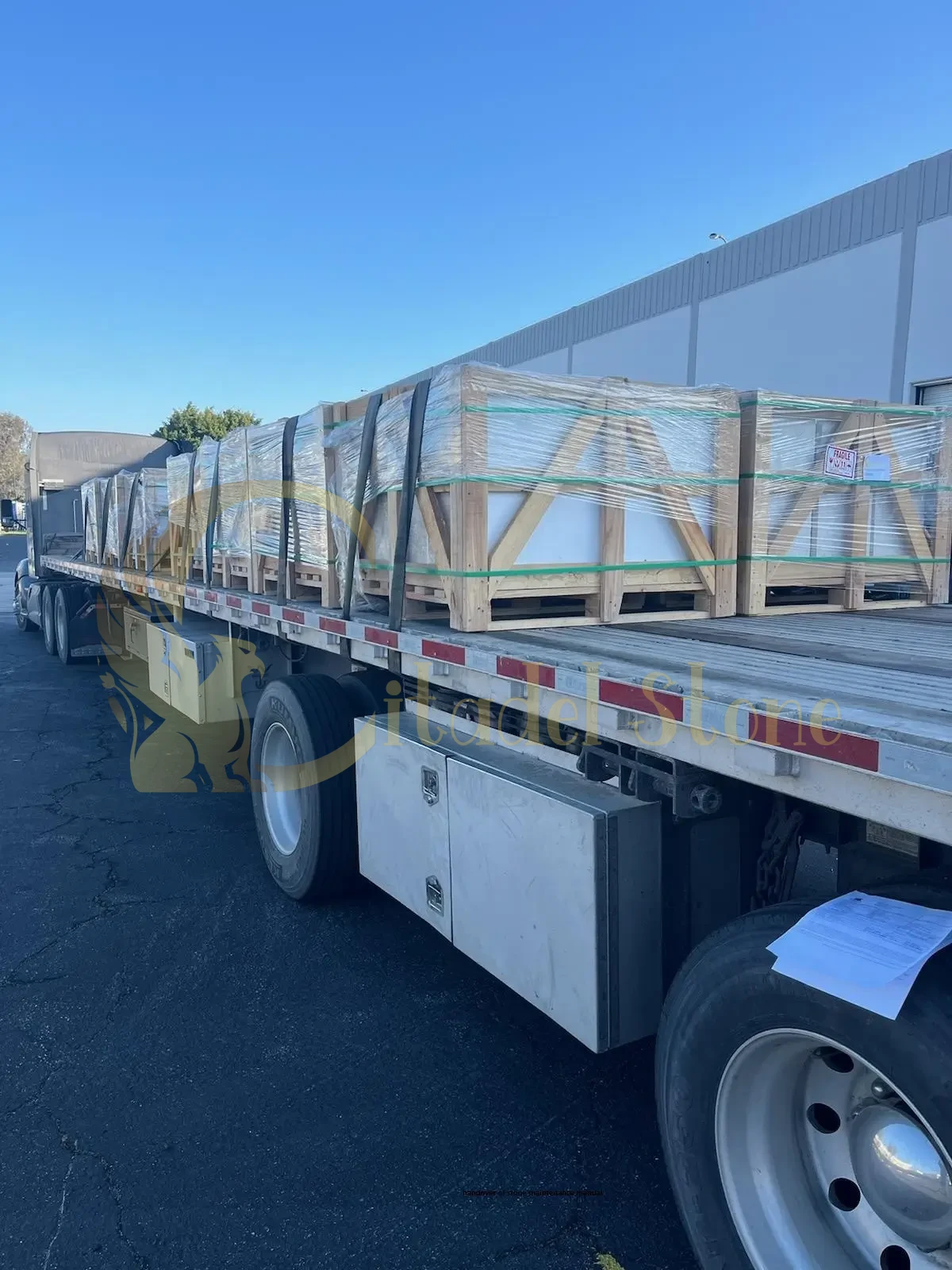
We only publish projects we have actually supplied. See our Las Vegas white limestone delivery — two containers, 6,884 sq ft, 32 crates, shipped door to door — and how we supplied Creative Environments in Arizona with 21 containers across a 70,000+ sq ft installation: white limestone pavers and tiles, shellstone and Ocean Reef pavers.
Had Citadel Stone material installed on your project? Send us your photos and we will feature the work here, with your permission.
Legal Framework & Contractual Clauses
Key Contract Terms to Assign Liability
Your natural stone supplier contract should explicitly state:
Warranty scope, including labor versus material coverage.
Installation standards required for warranty to remain valid.
Notification periods and claim procedures.
Indemnity, Limitation of Liability & Force Majeure
Mutual indemnity clauses protect both parties: the installer indemnifies for installation errors, the supplier for material defects.
Limitation of liability caps direct damages at material plus labor costs.
Force majeure excusals cover events like natural disasters affecting either party.
Dispute Resolution Mechanisms
Specify streamlined processes:
Mandatory expert evaluation within 30 days.
Mediation before arbitration or litigation.
Venue and governing law suited to project location.
Steps to Determine & Document Liability
Inspection & Expert Evaluation
Engage an independent stone consultant to assess failure cause.
Perform destructive testing on samples to differentiate crack origins.
Compare with mock-up standards and test reports.
Collecting Evidence: Photos, Reports, and Testing
High-resolution photos capturing crack patterns and installation details.
Lab test reports (e.g., tensile bond strength, water absorption).
Installer logs and supplier delivery records.
Engaging Legal Counsel & Insurance Claims
Consult construction counsel to interpret contract clauses.
Notify insurers promptly for potential coverage under CGL or LLC policies.
Coordinate warranty and insurance recoveries to avoid double-claim issues.
Understand your needs with insights from your reliable stone suppliers near me.
Best Practices to Protect Your Project
Include these 10 safeguards in your stone procurement and installation workflows:
☑️ Review warranty terms pre-contract, clarify labor versus material coverage.
☑️ Embed installation standards (ANSI A108 or BS 5385) into the contract.
☑️ Require mock-up approvals with signed acceptance before bulk deliveries.
☑️ Track slab batch numbers and maintain sample logs.
☑️ Document daily installation parameters (substrate moisture, mortar usage).
☑️ Specify approved sealants and cleaning products in writing.
☑️ Include mutual indemnity and liability-cap clauses.
☑️ Define clear dispute resolution and expert-evaluation procedures.
☑️ Maintain third-party QC inspections at key milestones.
☑️ Hold back final payment until completion of warranty documentation.
Conclusion & Next Steps
When natural stone fails, stone supplier liability and installer responsibility intersect. By understanding supplier defect responsibility, tracking natural stone warranty claims, and documenting installer liability stone, you gain leverage to resolve disputes effectively.
Key takeaways:
Define clear warranties and installation obligations upfront.
Document every material delivery and installation step.
Engage experts early to pinpoint failure causes.
Structure contracts with balanced indemnity and liability caps.
Plan payment holdbacks tied to successful warranty handover.
Ready to fortify your next project? Learn about our warranty terms or contact our technical support team to ensure full protection against stone failures. Learn about the sourcing quality from your best stone supplier.
With the right documentation, expert evaluations, and contractual safeguards, you’ll navigate supplier warranties vs. installer responsibilities—and keep your stone installations standing strong.