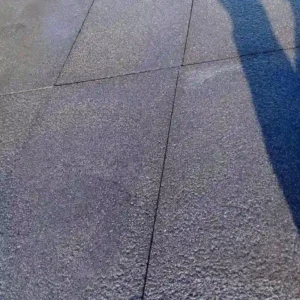

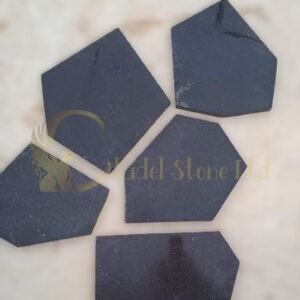
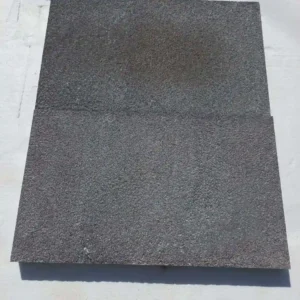
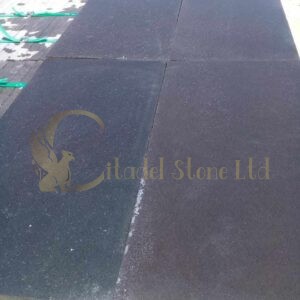

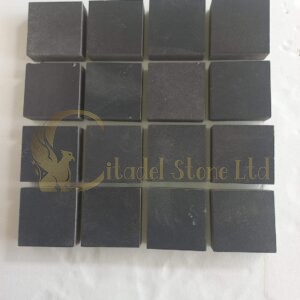
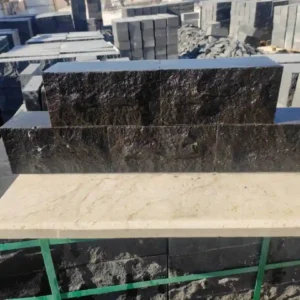
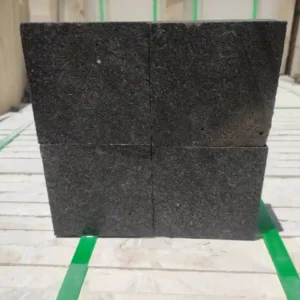
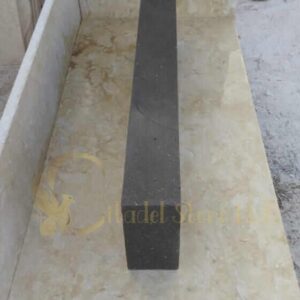
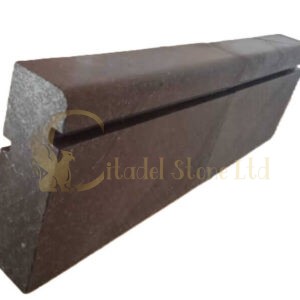
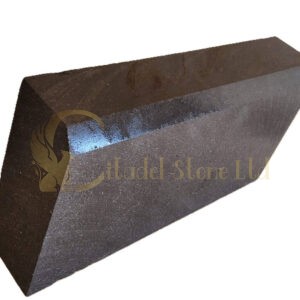
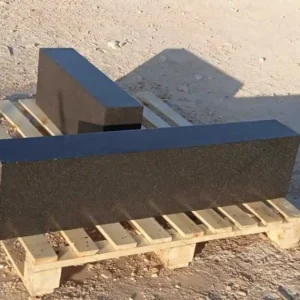
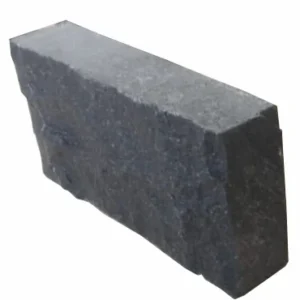
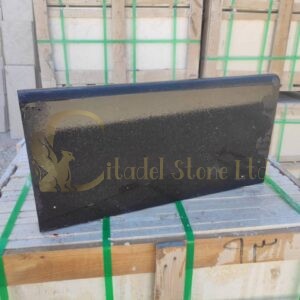
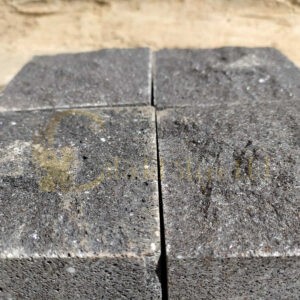
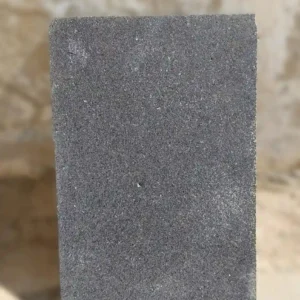
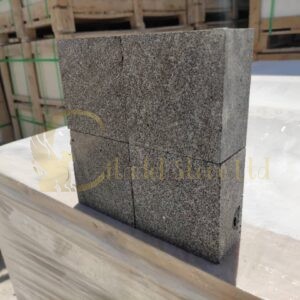
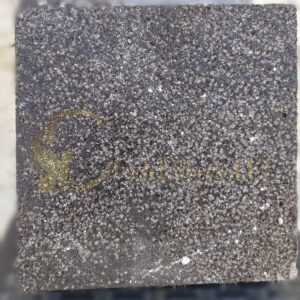
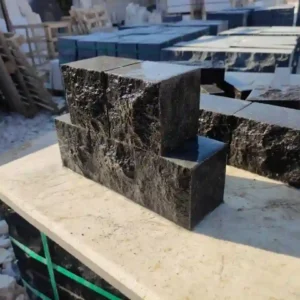
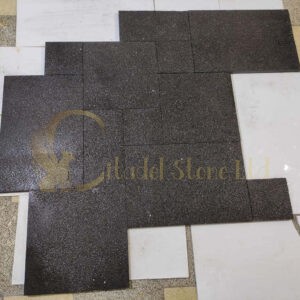
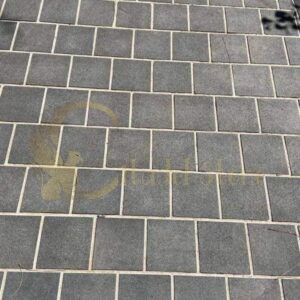

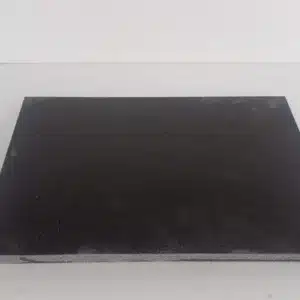
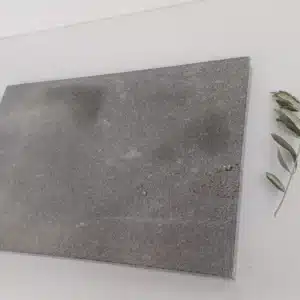
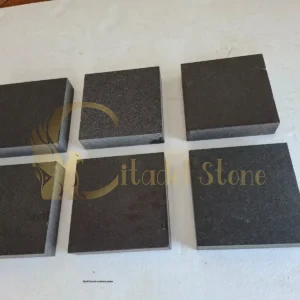



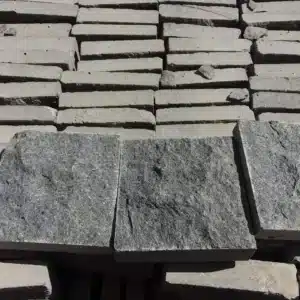
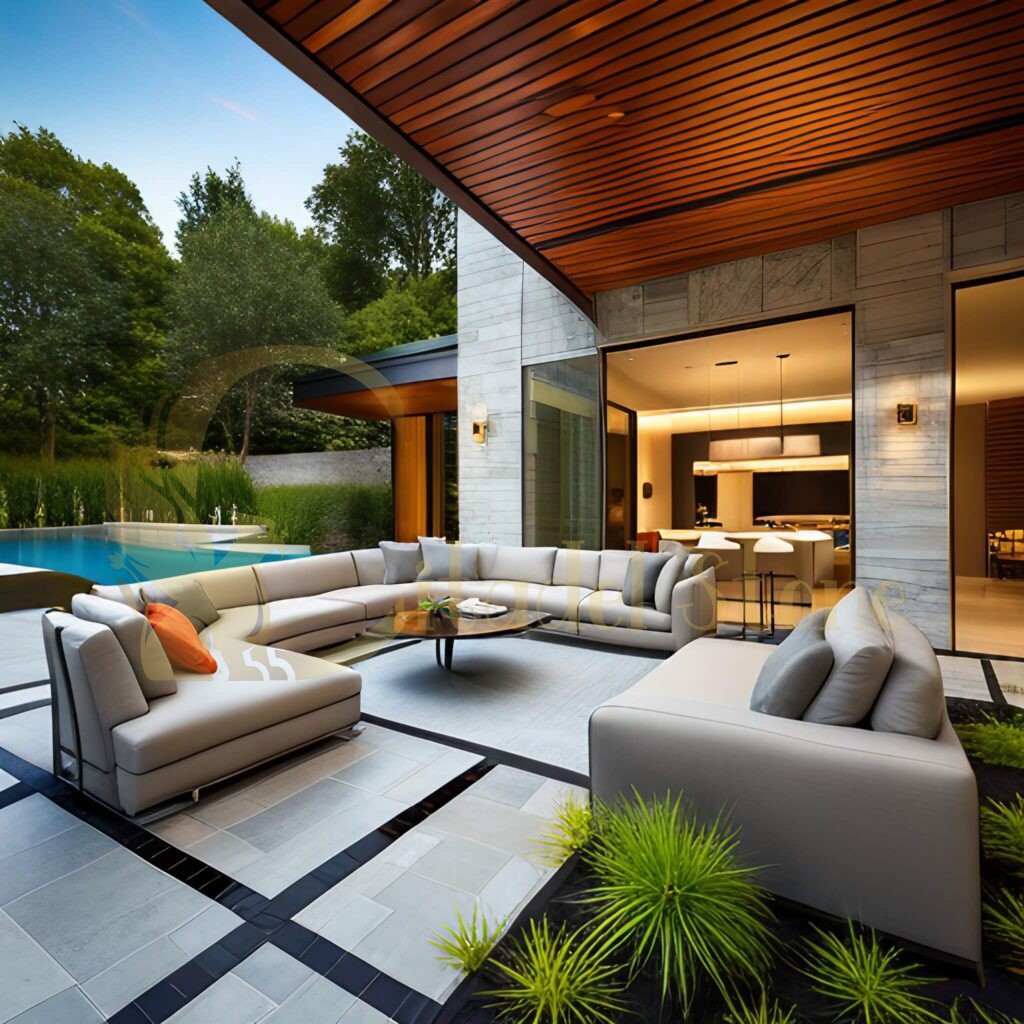
When you’re sourcing slate stone for sale in Arizona, you’re dealing with one of the most thermally stable natural materials available for desert climates. Citadel Stone specializes in natural slate suppliers in Arizona, providing material that withstands the state’s extreme temperature swings without the spalling issues common in softer sedimentary alternatives. You’ll find that slate’s low porosity—typically under 0.4% water absorption—makes it ideal for Arizona’s monsoon season followed by intense UV exposure.
The thermal coefficient of expansion for slate averages 0.0000055 inches per inch per degree Fahrenheit, which means a 10-foot slab experiences roughly 1/8 inch expansion in Arizona’s peak summer heat. You need to account for this movement with properly spaced joints, typically 3/8 to 1/2 inch depending on slab dimensions. Citadel Stone’s technical team provides joint spacing calculations specific to your Arizona project’s exposure conditions.
Material Performance in Desert Climates
Slate stone for sale in Arizona performs exceptionally well because of its metamorphic structure. The material’s foliated grain pattern provides natural cleavage planes that won’t delaminate under thermal stress the way some imported limestone does. You’re looking at compressive strength values typically exceeding 15,000 PSI for the blue slate suppliers in Arizona stock—far beyond what’s required for most commercial plaza applications.
Here’s what really matters for Arizona installations: slate maintains its slip resistance even when wet during monsoon downpours. Citadel Stone’s cleft-finish slate typically achieves DCOF ratings above 0.65, meeting ADA requirements for exterior walkways. The textured surface doesn’t become a liability like polished granite, which can drop to 0.25 DCOF when saturated.
- Thermal stability allows exposure to 120°F+ surface temperatures without structural degradation
- Low water absorption prevents freeze-thaw damage in Flagstaff and higher elevations
- Natural UV resistance maintains color integrity for 20+ years without sealers in most applications
- Abrasion resistance exceeds 25 on the hardness scale, suitable for high-traffic commercial zones
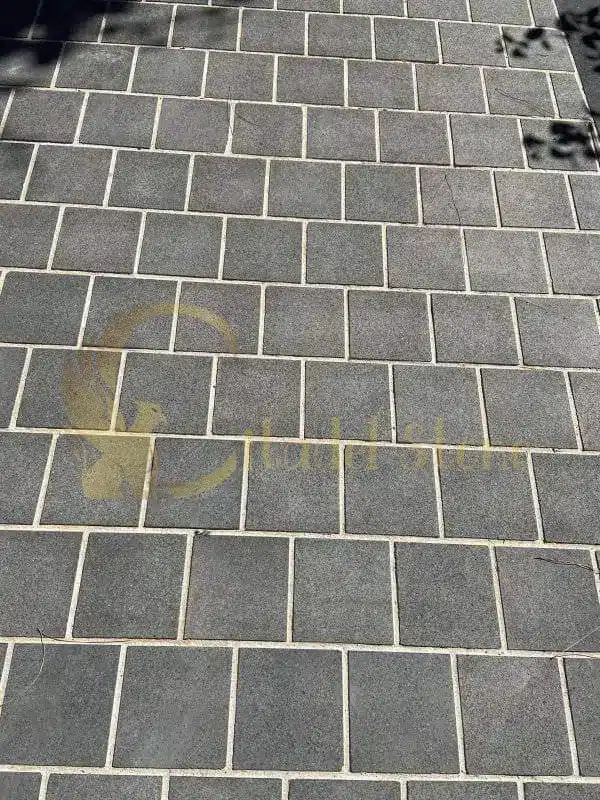
The porosity factor becomes critical when you’re specifying for water features or pool surrounds. Citadel Stone slate absorbs less than 0.4% of its weight in water, which translates to minimal efflorescence potential compared to sandstone alternatives that can exceed 3% absorption. You won’t see the white calcium deposits that plague porous materials within the first year of Arizona exposure.
Thickness Specifications and Structural Requirements
Your thickness selection for slate slabs for yard in Arizona applications directly affects both performance and installation cost. Citadel Stone stocks slate in 1/2-inch, 3/4-inch, 1-inch, and 1.25-inch thicknesses, each suited to specific load conditions. For residential patios with pedestrian-only traffic, you’ll typically specify 3/4-inch material over a properly prepared base.
When you move to vehicular applications—driveways or porte-cochères—the minimum thickness increases to 1.25 inches for Citadel Stone slate. This accounts for point loading from vehicle tires, which can exceed 2,000 PSI at the contact patch. The base preparation requirements also escalate: you need a minimum 8-inch compacted aggregate base with geotextile separation fabric beneath.
- 1/2-inch slate: Light-duty interior applications or wall cladding only
- 3/4-inch slate: Standard residential patios and walkways with 4-6 inch aggregate base
- 1-inch slate: Commercial plazas and pool decks with moderate foot traffic
- 1.25-inch slate: Driveways and areas with vehicular loads, requiring reinforced base
Don’t make the mistake of under-specifying base preparation to save on excavation costs. Citadel Stone installations require a stable substrate that won’t settle differentially. You’re looking at 6-inch minimum compacted Class II road base for pedestrian areas, increasing to 10 inches for vehicles. The base should achieve 95% compaction per Modified Proctor testing standards.
Color Selection and Heat Reflection Properties
Black slate landscape stone in Arizona creates a stunning visual contrast, but you need to understand the thermal implications. Dark slate surfaces can exceed 150°F under direct summer sun, making them unsuitable for barefoot areas like pool decks. Citadel Stone’s blue slate suppliers in Arizona offer a practical compromise: darker aesthetics with approximately 15-20°F lower surface temperatures than pure black material.
The albedo effect matters more in Arizona than almost anywhere else. Blue and gray slate reflects roughly 25-30% of solar radiation, while black slate reflects under 10%. When you specify for a resort courtyard or outdoor dining area, those temperature differences translate directly to guest comfort and usability during peak afternoon hours.
For areas where you can’t avoid dark slate due to design requirements, consider these mitigation strategies. Citadel Stone recommends incorporating shade structures, specifying larger joint widths filled with reflective aggregate, or using slate only in areas that receive afternoon shade from adjacent buildings. You’ll also want to warn your client about the surface temperature expectations—this isn’t a technical failure, it’s basic physics.
Installation Methodology for Arizona Conditions
The installation approach for slate walling stone suppliers in Arizona stock differs significantly from wet-climate techniques. You’re dealing with rapid moisture evaporation that affects mortar cure times and can cause premature setting. For projects requiring guidance on material thickness considerations, see Citadel Stone blue slate supply for comprehensive specifications that address Arizona’s unique installation challenges.
Set times for thinset mortar can drop to 15-20 minutes in July and August when ambient temperatures exceed 105°F. You’ll need to specify polymer-modified thinset with extended open time—look for products rated for 30-40 minute working windows. Citadel Stone’s installation guidelines recommend early morning installations (before 10 AM) during summer months to maximize workability.
- Use white or light-gray thinset to minimize thermal absorption beneath darker slate
- Increase water content slightly from manufacturer specs to compensate for rapid evaporation
- Apply setting bed in smaller sections—no more than 15-20 square feet at a time in summer heat
- Mist the substrate lightly before thinset application to prevent moisture wicking
- Cover completed sections with damp burlap for first 24 hours to ensure proper cure
The joint spacing requirements for Citadel Stone slate in Arizona typically range from 3/8 to 5/8 inch, depending on slab size. Large-format pieces (24×24 inches or greater) need the wider joints to accommodate thermal movement. You’re also specifying joints for the grout to withstand movement—use sanded grout with polymer additives rated for 1/8-inch flex capacity.
Edge Details and Finishing Considerations
Natural slate suppliers in Arizona provide material with several edge profiles, each affecting both aesthetics and installation complexity. Citadel Stone stocks cleft-edge slate (natural split), sawn-edge material, and bullnosed pieces for perimeter applications. Your selection impacts the joint reveal and overall formality of the installation.
Cleft-edge slate maintains the most authentic appearance but requires wider grout joints—typically 1/2 inch minimum—to accommodate the natural irregularity. You’ll find this appropriate for rustic residential projects or resort landscaping where a natural aesthetic is the goal. The irregular edges also provide some practical benefits: they mask minor lippage issues better than precision-cut edges do.
When you need tighter tolerances for commercial applications, sawn-edge slate from slate wholesale in Arizona sources allows 3/8-inch joints with consistent reveals. Citadel Stone’s sawn material maintains the natural cleft top surface while providing factory-cut edges that simplify installation. The trade-off is cost—expect 20-25% premium over natural-edge material for the additional fabrication.
Substrate Preparation Specifications
Your substrate preparation determines whether Citadel Stone slate performs for 20+ years or fails within 36 months. The most common failure mode isn’t the slate itself—it’s differential settling of an inadequate base causing slab cracking at stress points. You need to spec properly from the start because remediation costs far exceed the initial savings from cutting corners.
For pedestrian slate stone for sale in Arizona applications, start with 6 inches of Class II aggregate base compacted to 95% Modified Proctor density. This isn’t negotiable in Arizona’s expansive clay soils, which can exhibit 3-6 inches of seasonal movement in extreme cases. The compacted base provides a stable platform that won’t heave or settle differentially.
- Excavate to stable subgrade, removing all organic material and loose soil
- Install geotextile fabric to prevent aggregate migration into clay subsoils
- Place aggregate base in 2-inch lifts, compacting each layer before adding next
- Verify compaction with nuclear densometer or plate load testing
- Grade base to ensure positive drainage—minimum 2% slope away from structures
- Add 1-inch setting bed of concrete sand, screeded level but not compacted
The sand setting bed for natural slate suppliers in Arizona installations serves as an accommodation layer, allowing minor adjustments during slate placement. Don’t compact this layer—you’ll use it to fine-tune individual slab elevations during installation. The underlying aggregate base provides the structural support.
Drainage Requirements and Monsoon Performance
Arizona’s monsoon season delivers intense rainfall that can exceed 2 inches per hour, creating hydraulic conditions most stone installations never face. Your Citadel Stone slate installation needs to evacuate this water rapidly to prevent hydrostatic pressure buildup beneath slabs. Standing water also creates slip hazards and accelerates any efflorescence potential in the setting materials.
Specify a minimum 2% slope for all horizontal slate surfaces—that’s 1/4 inch per foot. In high-rainfall areas or near roof drainage points, increase this to 3% (3/8 inch per foot). You’ll also need to detail perimeter drainage: either a french drain system along edges or adequate runoff areas that won’t cause erosion problems.
The joint width specification affects drainage performance more than most specifiers realize. Wider joints (1/2 inch vs. 3/8 inch) increase the surface area for water infiltration but also provide more drainage paths when properly graded. Citadel Stone recommends against sealers on grout joints in exterior Arizona applications—the sealed joints can trap subsurface moisture and create spalling issues during thermal cycling.
Common Specification Errors to Avoid
You’ll encounter several recurring mistakes when reviewing slate stone for sale in Arizona specifications from less-experienced designers. The first involves thickness selection: specifying 3/4-inch material for applications that actually see occasional vehicular loads. Golf carts, maintenance vehicles, and emergency access create point loads that exceed pedestrian ratings.
Another frequent error is inadequate expansion joint detailing at building interfaces. When slate abuts concrete or masonry structures, you need a compressible joint filler—not just a grout line. Citadel Stone installations require 1/2-inch minimum joints at these transitions, filled with closed-cell foam backer rod and topped with polyurethane or silicone sealant rated for ±25% movement.
- Under-specifying base thickness to meet aggressive budget targets
- Failing to detail perimeter edge restraints, allowing slab creep over time
- Specifying sealed surfaces in high-UV areas, trapping subsurface moisture
- Omitting control joints in large slate fields exceeding 20 feet in any dimension
- Not accounting for differential thermal expansion at material transitions
The sealer specification deserves particular attention. Many architects default to specifying penetrating sealers without understanding the implications for blue slate suppliers in Arizona material. Slate’s naturally low porosity means sealers provide minimal stain protection while potentially trapping moisture that enters through joints. Unless you’re dealing with a kitchen environment with heavy oil exposure, leave Citadel Stone slate unsealed for exterior applications.
Cost Factors and Value Engineering Opportunities
When you’re evaluating slate wholesale in Arizona pricing, you’ll typically see ranges from $8-15 per square foot for material only, depending on thickness, color, and edge treatment. Citadel Stone’s pricing reflects quality control measures that ensure consistent thickness tolerances (±1/8 inch) and minimal breakage rates during shipping. Cheaper alternatives often arrive with 20-30% waste factors that eliminate the apparent savings.
The installed cost for slate stone suppliers in Arizona projects typically runs $18-28 per square foot, including base preparation, setting materials, and labor. Premium applications with intricate patterns or custom edge details can exceed $35 per square foot. You’ll find the most cost-effective approach involves standardizing on a single thickness and color while varying the installation pattern to create visual interest.
Value engineering opportunities exist in several areas without compromising performance. Consider using slate walling stone suppliers in Arizona stock sizes rather than custom dimensions—you’ll save 15-20% on fabrication costs. Citadel Stone maintains warehouse inventory in common sizes (12×12, 12×24, 18×18, 24×24 inches) that ship immediately rather than requiring 4-6 week fabrication lead times for custom cuts.
Maintenance Requirements and Long-Term Performance
Citadel Stone slate in Arizona installations requires minimal maintenance compared to other natural stone products, but you should establish realistic expectations with clients. Annual cleaning with pH-neutral stone soap removes dirt accumulation and organic debris that can trap moisture against the surface. High-pressure washing is acceptable but keep pressures under 1,500 PSI to avoid damaging grout joints.
The natural weathering process for black slate landscape stone in Arizona produces a slight color shift over the first 12-18 months of exposure. Dark slates may lighten slightly as surface minerals oxidize, while blue and gray materials typically deepen in tone. This isn’t a defect—it’s the natural patina development that many clients find desirable. Citadel Stone recommends showing clients samples that have weathered naturally to set accurate expectations.
- Sweep or blow debris weekly to prevent organic staining from decomposing leaves
- Clean with pH-neutral stone cleaner quarterly in high-traffic areas
- Inspect grout joints annually and repoint any areas showing deterioration
- Remove any efflorescence with diluted white vinegar solution (10:1 water to vinegar)
- Avoid harsh chemicals, especially acids, which can etch the slate surface
Joint maintenance represents the primary long-term concern. Arizona’s thermal cycling can cause grout deterioration over 5-7 years, particularly in joints that experience significant shade-to-sun transitions. You’ll want to specify polymer-modified grout initially and plan for joint inspection and selective repointing as part of the maintenance program.
Citadel Stone Arizona Slate Specification Guide — Regional Project Applications
Citadel Stone provides slate stone for sale in Arizona with expertise in regional climate considerations that affect material performance across diverse elevation and exposure conditions. This specification framework addresses hypothetical project scenarios in eleven Arizona cities, demonstrating how Citadel’s natural slate suppliers in Arizona would approach material selection, installation methodology, and performance optimization for each locale’s unique environmental factors.
The following city-specific guidance represents Citadel Stone’s recommended approach for projects requiring superior thermal performance, durability under intense UV exposure, and longevity in Arizona’s challenging desert climate. These recommendations would apply to comparable commercial and residential applications throughout the state.
Phoenix Heat Management
When you’re specifying Citadel Stone slate for Phoenix projects, you’re dealing with the longest extreme-heat season in Arizona—temperatures exceed 110°F for 20-30 days annually. You’d want to prioritize blue slate suppliers in Arizona inventory over black materials for any unshaded horizontal surfaces. The 15-20°F surface temperature difference becomes critical for resort pool decks and outdoor dining areas that need afternoon usability. Citadel Stone would recommend 3/4-inch thickness for standard patios, with joint spacing increased to 1/2 inch to accommodate thermal expansion across large slate fields. Base preparation would require the full 6-inch aggregate specification due to Phoenix’s expansive clay soils that can shift significantly during monsoon moisture infiltration.
Tucson Elevation Factors
Tucson’s 2,400-foot elevation creates slightly more moderate temperatures than Phoenix, but you’re still addressing 100°F+ conditions for extended periods. Citadel Stone’s slate wholesale in Arizona approach for Tucson would emphasize drainage detailing—the city averages 12 inches of annual rainfall, concentrated in monsoon events that deliver 1-2 inches per hour. You’d specify minimum 2.5% slopes on all horizontal surfaces and detail perimeter french drains where slate abuts building foundations. Natural slate suppliers in Arizona stock from Citadel would perform well in Tucson’s combination of heat and occasional freeze events at higher elevations, where the low porosity prevents freeze-thaw damage that affects sandstone alternatives.
Scottsdale Luxury Applications
Scottsdale’s resort and high-end residential market demands premium aesthetics where Citadel Stone slate excels. You’d likely specify sawn-edge material with tighter joint reveals—3/8 inch maximum—to achieve the refined appearance these projects require. Blue slate suppliers in Arizona would provide material with consistent color selection, avoiding the natural variation appropriate for rustic applications. Citadel Stone would recommend bullnosed edge details for pool coping and stair treads, fabricated to 1.25-inch thickness for durability under resort-level foot traffic. The thermal performance considerations mirror Phoenix requirements: prioritize lighter slate colors for unshaded areas and increase joint widths in large-format installations exceeding 20 feet in any dimension.
Flagstaff Freeze-Thaw Performance
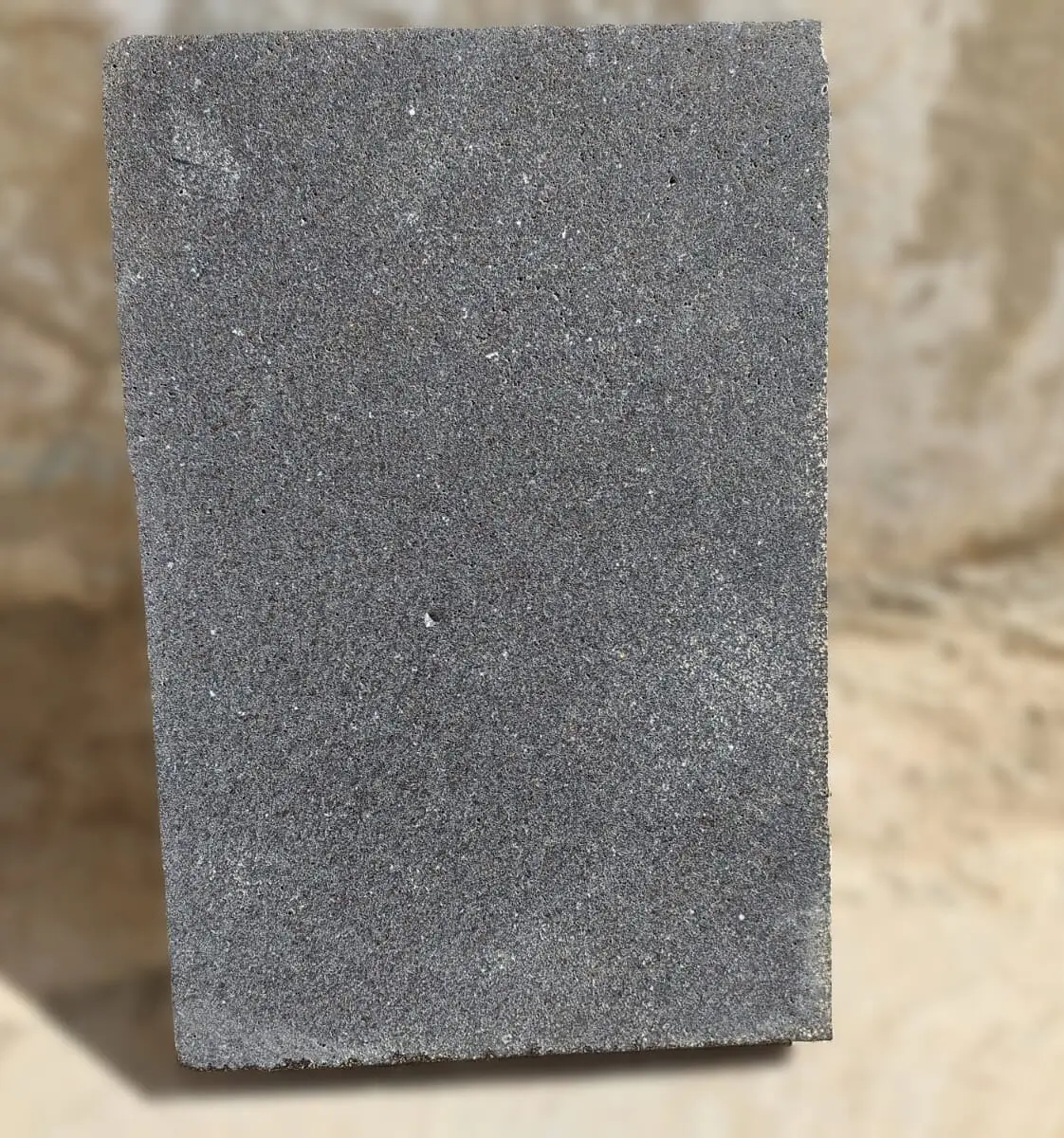
At 7,000 feet elevation, Flagstaff presents Arizona’s most demanding freeze-thaw environment—you’d need to verify that slate stone for sale in Arizona meets ASTM C1028 requirements for 300+ freeze-thaw cycles. Citadel Stone’s slate demonstrates water absorption under 0.4%, well below the 0.5% threshold for severe weathering classification. You’d specify 1-inch minimum thickness for all exterior applications to provide thermal mass that moderates temperature cycling. The installation methodology would differ from desert cities: joints would be 1/4 inch minimum to allow expansion during freezing, and you’d specify flexible polyurethane joint sealants rather than rigid grout in high-exposure areas like building entries and north-facing slopes.
Sedona Aesthetic Integration
Sedona’s red rock landscape creates unique aesthetic considerations where Citadel Stone would recommend slate colors that either complement or deliberately contrast with the surrounding geology. Natural slate suppliers in Arizona provide blue-gray materials that create striking visual separation from the iron-oxide red terrain, ideal for commercial plazas and resort entries. You’d specify cleft-edge slate with natural surface texture to maintain the organic character appropriate for Sedona’s design guidelines. Sedona’s 4,500-foot elevation creates moderate conditions—less extreme than Phoenix but warmer than Flagstaff—where standard 3/4-inch slate over 6-inch aggregate base would perform well for pedestrian applications. The area’s tourism focus demands slip-resistant surfaces; Citadel’s cleft-finish slate exceeds 0.65 DCOF in wet conditions.
Yuma Extreme Conditions
Yuma represents Arizona’s hottest environment—summer temperatures regularly exceed 115°F—where your material selection becomes critical for usability. Citadel Stone would strongly recommend against black slate landscape stone in Arizona for Yuma projects, instead prioritizing the lightest-toned materials available. Even blue slate reaches surface temperatures approaching 140°F in peak summer sun, so you’d need to incorporate shade structures, specify slate only in morning-sun/afternoon-shade areas, or limit use to vehicular applications where surface temperature isn’t a human-contact concern. The extreme heat accelerates thinset curing—installation would need to occur in early morning hours (before 8 AM) from June through September. Base preparation would require particular attention to compaction verification, as Yuma’s sandy soils can exhibit settlement issues without proper densification.
Regional Sourcing and Delivery Logistics
Citadel Stone’s warehouse locations throughout Arizona enable efficient material delivery that affects both project scheduling and cost. When you’re coordinating truck deliveries to job sites, you need to verify access for full-size flatbed trucks—many residential sites with narrow streets or tight turnarounds require smaller vehicles that increase per-unit delivery costs. Lead times from Citadel’s warehouse inventory typically run 3-5 business days for stock sizes and standard colors.
Custom fabrication requirements—special thicknesses, custom edge profiles, or non-standard dimensions—extend lead times to 4-6 weeks. You’ll want to identify these custom elements early in the design process and order them separately from standard stock materials. Citadel Stone’s project coordinators work with you to sequence deliveries so custom pieces arrive when installers reach those sections of the project, minimizing site storage requirements.
The material staging and protection requirements for slate stone suppliers in Arizona projects deserve attention in your specifications. Slate should be stored on level ground, supported on 4×4 timbers to prevent ground moisture contact. Cover pallets with breathable tarps—not plastic sheeting—to prevent condensation buildup that can stain material before installation. For additional insights into material processing and quality verification, review quarry-direct basalt processing and fabrication for commercial projects before finalizing your procurement schedule and delivery logistics.
Technical Specifications Summary
When you’re preparing construction documents for slate stone for sale in Arizona projects, your technical specifications need to address material properties, installation methodology, and performance criteria specific to Citadel Stone products. You’ll want to reference ASTM C629 (Standard Specification for Slate Dimension Stone) as your baseline, then add Arizona-specific requirements for thermal performance and UV stability.
Material acceptance criteria should include visual inspection for natural fissures (acceptable within tolerance), verification of thickness consistency (±1/8 inch), and confirmation of square edges on sawn material (±1/16 inch). Citadel Stone provides mill certificates documenting compression strength, water absorption, and abrasion resistance for each production lot. You should require these certificates as submittals prior to material delivery.
- Compressive strength: Minimum 15,000 PSI per ASTM C170
- Water absorption: Maximum 0.4% by weight per ASTM C97
- Flexural strength: Minimum 9,000 PSI per ASTM C880
- Abrasion resistance: Minimum hardness of 25 per ASTM C241
- Slip resistance: Minimum DCOF 0.60 for cleft finish per ANSI A326.3
Installation specifications for natural slate suppliers in Arizona material should detail substrate preparation requirements, setting material specifications (polymer-modified thinset meeting ANSI A118.4 or A118.15), joint width tolerances, and grout specifications. You’ll want to call out the climate-specific requirements: early morning installation during summer months, moisture retention procedures during curing, and thermal expansion joint requirements for large installations.
Long-Term Performance
You should set realistic expectations with clients regarding the 20+ year performance envelope for Citadel Stone slate in Arizona conditions. The material itself will outlast most surrounding hardscape elements—concrete, grout, sealants—all of which have shorter service lives. Your maintenance planning should focus on these ancillary components rather than the slate itself.
Color stability represents one area where slate stone for sale in Arizona excels compared to alternatives. The metamorphic structure means color exists throughout the material depth, not just as a surface characteristic. Surface oxidation that occurs during the first 12-18 months represents the only significant color change you’ll observe. After this initial weathering, Citadel Stone slate maintains stable appearance for decades under Arizona’s intense UV exposure.
The structural integrity of properly installed slate remains excellent throughout its service life, assuming adequate base preparation and appropriate thickness selection for the loading conditions. You won’t see the surface erosion, spalling, or delamination common in sedimentary materials. The primary maintenance intervention involves joint repointing every 7-10 years as grout degrades from thermal cycling. Contractors depend on Citadel Stone, the premier slate stone suppliers in Arizona for consistency.