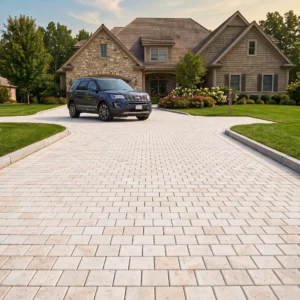
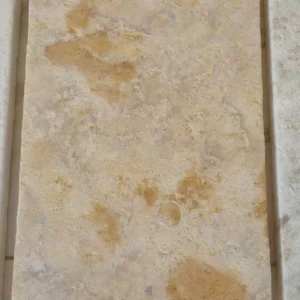
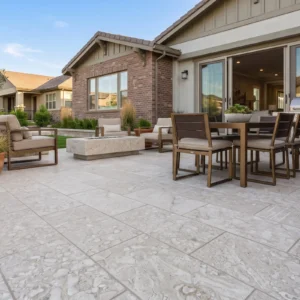
What Shellstone Actually Is
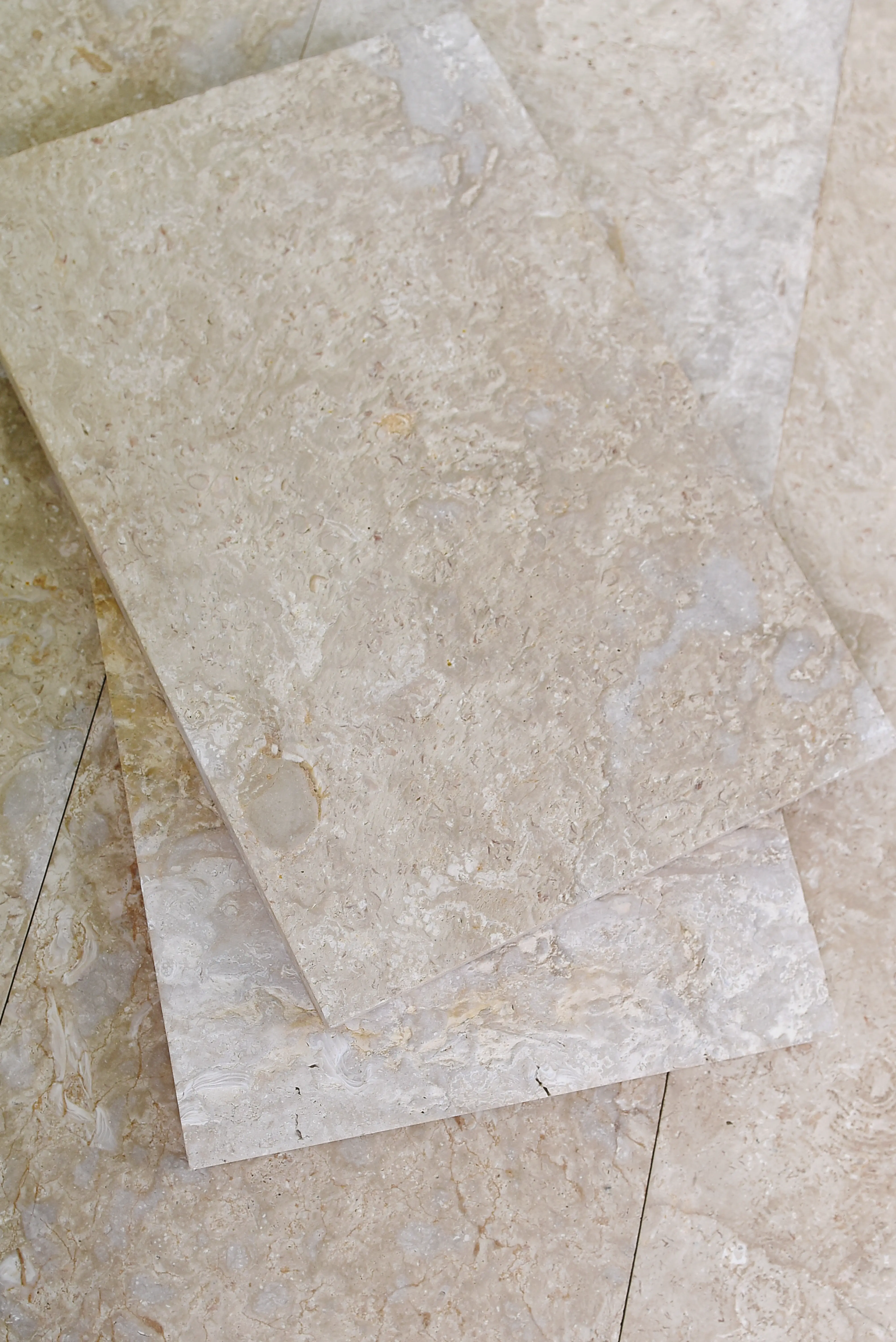
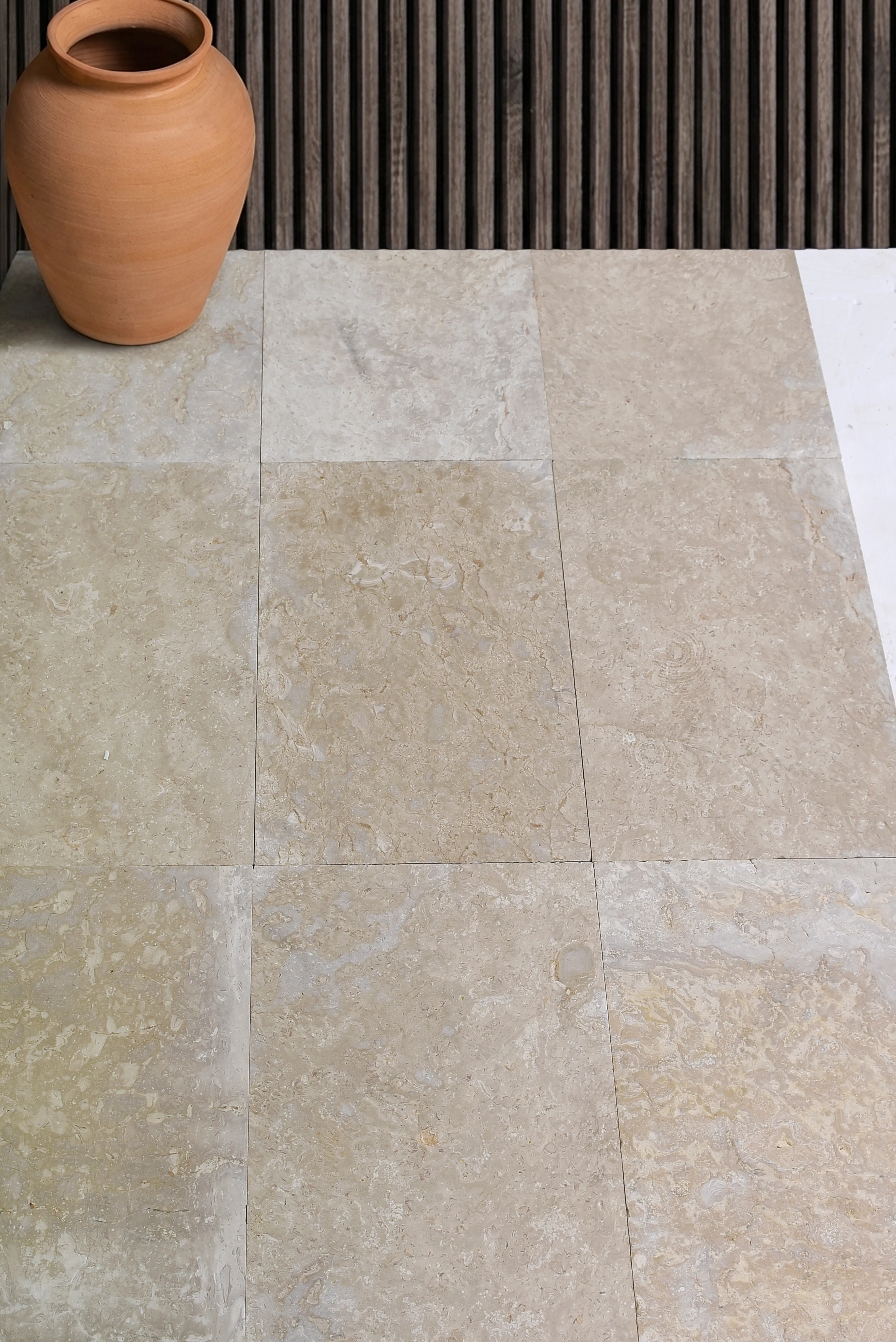
Shellstone limestone pavers carry a surface record of ancient marine life — compressed shells, coral fragments, and bioclastic debris cemented into a readable sedimentary matrix. That visible texture isn’t decorative; it’s structural. The fossilized inclusions create micro-relief that contributes directly to slip resistance in wet conditions, which is why shellstone limestone pavers have maintained a strong foothold in pool surrounds and covered outdoor entertainment areas for decades. According to limestone and shell rock geological formation from fossilised marine organisms, this bioclastic origin distinguishes shell limestone from denser calcium carbonate varieties, producing an open-pore structure that influences both performance and maintenance planning.
The porosity that defines shellstone works in two directions simultaneously. It keeps surface temperatures moderate by releasing absorbed heat more readily than low-porosity stones, and it allows moisture to migrate through the material rather than pool on top. For outdoor installations in climates that cycle between heavy rain and intense sun, that dual behavior matters more than most specifiers initially appreciate.
Surface Finish Options and What They Change
Your finish selection on shellstone limestone pavers affects four things simultaneously: slip coefficient, heat retention, maintenance frequency, and visual character. Understanding how each finish behaves in real conditions keeps you from specifying a sawn-smooth face in a high-moisture environment and then troubleshooting algae growth two seasons later.
- Tumbled finish — softens edges and face, produces the most pronounced surface texture, commonly specified for pool decks and walkways subject to frequent wetting; micro-texture holds grit and requires brushing every six to twelve months
- Honed finish — flat, matte surface with moderate slip resistance; works well for covered patios and interior-to-exterior transitions where foot traffic is controlled and wet exposure is limited
- Bush-hammered finish — mechanically textured surface that delivers consistent slip resistance across the full paver face; particularly suited to ramps, entry thresholds, and areas where barefoot traffic alternates with footwear
- Natural split or cleft — retains the quarried surface profile, irregular in texture, highest drainage efficiency; dimensional variation requires more careful base leveling during installation
- Sawn smooth — lowest friction coefficient of the group; requires a penetrating anti-slip treatment before installation in any wet or transitional area
The honed option gets misspecified most often. Designers choose it for its clean aesthetic, then install it in a location that gets significant rainfall runoff or morning dew accumulation. Shellstone’s open pore structure means a honed face will still perform better than polished dense limestone in the same conditions — but it’s not a blanket pass for wet environments without surface treatment.
Thickness and Format Selection
Standard shellstone limestone pavers run from 1¼-inch nominal for light pedestrian applications up to 2-inch nominal for driveways and areas that see occasional vehicle access. The 2×4 limestone pavers format — a rectangle twice as long as it is wide — gives you strong directional movement in a paving pattern and is one of the most specification-friendly formats for larger outdoor areas because it minimizes cutting waste at borders and curves. The 2×4 limestone pavers proportion also simplifies pattern transitions when blending formats across a single installation.
Thickness directly determines your base preparation depth. A 1¼-inch paver on a well-compacted aggregate base requires a minimum 4-inch compacted gravel layer for stable pedestrian use. Move to vehicle-capable applications and the math shifts: 2-inch nominal stone, 6-inch compacted aggregate, plus 1 inch of setting bed. Skimping on base depth is consistently where shellstone installations develop rocking and lippage within the first two to three winters — not a material failure, a spec failure.
- 1¼-inch nominal: residential patios, walkways, pool surrounds, low-traffic commercial courtyards
- 1½-inch nominal: transitional zones, covered outdoor rooms, moderate commercial foot traffic
- 2-inch nominal: driveways, service entries, areas with occasional equipment or delivery vehicle access
- Formats most commonly stocked: 12×24, 16×16, 18×18, 24×24, and the 2×4 proportional rectangle in custom dimensions
For projects covering more than 500 square feet, confirm thickness consistency across your pallet count before installation begins. Shellstone quarried from different beds within the same deposit can show up to ⅛-inch thickness variation across batches — manageable with a flexible setting bed, but it needs to be anticipated rather than discovered mid-install.
Color Range and Sourcing
The natural color range of shellstone limestone pavers runs from warm cream and buff through golden tan, with occasional rose or gray undertones depending on mineral content in the parent deposit. Middle East quarries produce some of the most consistent buff-to-cream material on the market — tight color banding, predictable fossil density, and good dimensional uniformity. Selected quarries from the Middle East supply material that holds color well under UV without the pronounced yellowing that affects some warmer-climate limestones over a five- to ten-year exposure cycle.
Color consistency is a practical ordering consideration, not just an aesthetic one. Shellstone from different quarry cuts can vary meaningfully even within the same product line. At Citadel Stone, we conduct warehouse-level batch checks on incoming material to flag significant color drift before it reaches your project — that kind of inspection step matters on large-area installations where mismatched pallets create visible banding once laid. Checking warehouse availability by batch rather than by total quantity is the right approach for projects exceeding 300 square feet.
You can expand your shellstone selection by reviewing the Citadel Stone shellstone selection, which covers larger-format options in detail alongside thickness and finish specifications relevant to high-volume projects.
Drainage Design and Base Preparation
Shellstone’s open-pore structure handles surface moisture efficiently — but the base beneath it determines whether that moisture exits the system cleanly or creates subsurface problems. In regions with intense seasonal rainfall, monsoon-pattern storms, or hurricane-season precipitation, a drainage-optimized base isn’t optional; it’s what separates a stable installation from one that shifts and settles within three years.
The USGS data on limestone composition and construction applications confirms that porous limestone types are particularly sensitive to hydrostatic pressure variation at the base interface — meaning that even highly resistant shellstone will develop installation problems if the sub-base holds water rather than drains it. Your base design should achieve positive drainage of at least 1% slope across the full installation footprint, with perimeter edge drains in any area bounded by structures on three or more sides.
- Minimum aggregate base: 4 inches compacted for pedestrian use, 6 inches for vehicle-capable areas
- Use angular crushed aggregate (not rounded pea gravel) — angular stone interlocks under compaction and resists migration under dynamic loads
- Install geotextile fabric between native soil and aggregate base in clay-dominant subsoils to prevent base contamination over time
- Maintain 1–2% cross-slope minimum for surface runoff — shellstone’s drainage behavior relies on slope geometry as much as material porosity
- In high-rainfall zones or areas subject to seasonal flooding risk, consider a gravel-filled perimeter channel at the low edge of the installation
- In drought-cycle climates, shrink-swell soils require deeper base preparation — typically 8 inches minimum — to buffer seasonal soil movement
The setting bed matters too. A 1-inch dry-pack mortar bed or compacted sand layer gives you the leveling tolerance you need without creating a water-trapping layer. Wet-mortar beds are sometimes used for formal installations, but they require weep holes at paver joints or edge drains to prevent hydrostatic buildup in high-precipitation environments.
Sealing and Maintenance Requirements
Shellstone limestone pavers benefit from penetrating sealer application before first use and reapplication every two to three years depending on UV exposure and foot traffic volume. A penetrating silane-siloxane sealer is the right product class — it enters the pore structure without forming a surface film, maintains the stone’s natural breathability, and provides meaningful resistance to oil, organic staining, and moisture-driven efflorescence.
The Natural Stone Institute’s limestone technical specifications note that limestone varieties with higher porosity readings require sealing more frequently than denser alternatives — shellstone typically falls in the 10–20% porosity range, which places it in the higher-frequency maintenance category compared to honed basalt or dense granite. Plan your maintenance schedule around that reality rather than treating shellstone like a low-maintenance stone option.
- Apply penetrating sealer to clean, dry stone — surface moisture above 1% moisture content prevents proper sealer penetration
- Avoid topical acrylic sealers on exterior shellstone; they trap moisture beneath the surface film in freeze-thaw conditions and cause spalling
- Re-seal more frequently in high-UV environments — UV degradation of sealer chemistry runs faster at elevation and in persistently sunny climates
- Clean with pH-neutral stone cleaner; acidic products (including many common household cleaners) attack the calcium carbonate matrix and accelerate surface erosion
- Inspect joint sand or mortar annually — depleted joints allow water channeling under the paver face, which undermines base stability over time
Shellstone Versus Other Limestone Varieties
Specifiers often face a choice between shellstone and denser limestone options — bluish-gray limestone, tumbled French limestone, or honed travertine-adjacent varieties. The distinction worth understanding is the relationship between porosity and performance trade-offs across application types.
Denser limestone varieties deliver lower water absorption (typically 3–7% versus shellstone’s 10–20%), which makes them more suitable for freeze-thaw-intensive climates where water absorption cycling drives surface delamination over time. Shellstone’s advantage lies in moderate climates, high-heat environments, and coastal applications where the open pore structure aids drainage and surface cooling rather than working against long-term durability. For a project in a freeze-thaw region, specify a denser limestone variety or a sealed shellstone with verified annual resealing maintenance — the honest guidance is that open-pore limestone needs more active maintenance management in persistently wet, cold conditions.
- Shellstone advantage: lower surface temperature, higher slip resistance from natural texture, bioclastic visual character
- Denser limestone advantage: lower absorption, longer expected service life in freeze-thaw exposure, simpler maintenance protocol
- Travertine comparison: similar porosity class to shellstone, but vein structure differs — shellstone holds dimensional edges better in high-traffic applications
- Porcelain comparison: porcelain achieves very low absorption rates and is highly resistant to freeze-thaw damage, but lacks the thermal moderation and natural texture variation that shellstone delivers in hot-climate applications
Ordering, Logistics, and Lead Times
Your project timeline needs to account for the difference between stocked material and indent orders. Standard shellstone formats in buff-cream colorways are typically held in warehouse inventory and can ship within one to two weeks of order confirmation. Non-standard dimensions, specific finish combinations, or large-volume orders that exceed stocked quantities move to a longer timeline — typically four to eight weeks depending on quarry production cycles and truck freight scheduling from the port of entry.
Citadel Stone ships shellstone limestone pavers nationally, and your truck delivery logistics need to factor in site access constraints early. Flatbed truck delivery requires a clear unloading zone within reasonable distance of the installation area — palletized shellstone at 2-inch thickness runs approximately 18–22 pounds per square foot, so planning for mechanical offloading rather than hand-carry saves significant labor time on large orders. Confirm your site’s truck access dimensions with the logistics team before finalizing the delivery schedule, particularly for residential projects with narrow driveways or weight-restricted access roads.
- Stocked formats typically ship within one to two weeks from warehouse confirmation
- Custom dimensions and non-standard finishes: allow four to eight weeks minimum
- Order 10–12% overage for standard rectangular areas; 15% for irregular shapes or complex patterns
- Confirm batch consistency across full order before truck delivery — matching batches on reorders can be difficult once original inventory is depleted
Final Considerations for Shellstone Limestone Pavers
Getting shellstone limestone pavers right comes down to matching surface finish to moisture exposure, base depth to load requirements, and maintenance schedule to the stone’s actual porosity class. The material rewards precise specification with decades of service life — it’s exceptionally durable in the right conditions and honest about its requirements in challenging ones. Your drainage geometry, sealer schedule, and base preparation decisions will define performance outcomes far more than the stone selection itself. For a broader look at how limestone varieties compare across colors and applications, gray limestone paver specifications covers a related material family worth reviewing alongside your shellstone selection. Sourced from established quarry partners across multiple continents, our shellstone limestone pavers generally stay cooler underfoot in hot, dry climates.
Related reading: how limestone is made · french pattern limestone pavers · pebbles between pavers.