What Is Swimming Pool Coping?
Pool coping ideas often get treated as an afterthought — a trim detail selected after every other material decision has already been made. That’s backwards. Coping is the structural and visual anchor of your pool surround, and the profile you choose directly determines how water drains, how safe the edge feels underfoot, and how the whole deck reads at eye level. The material and profile you pick for coping a pool carries more design weight per linear foot than almost any other element in the project.
Structurally, coping caps the pool shell wall, creating a finished edge that separates the pool interior from the surrounding deck surface. It also serves as the primary drainage control point — a properly specified overhang and drip edge direct splash and rain away from the pool shell bond beam, which is exactly where you don’t want water infiltrating. According to PHTA pool deck and coping safety standards, coping must also meet defined slip-resistance thresholds at the wet edge, which narrows your finish options before aesthetics even enter the conversation.
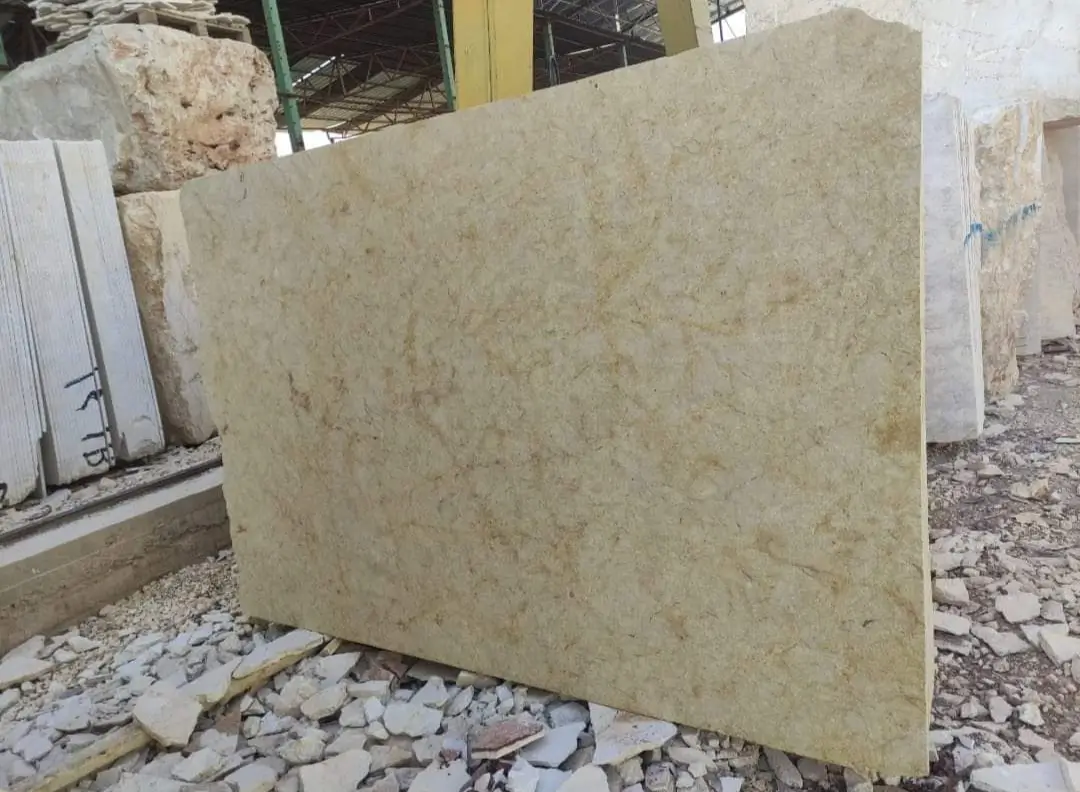
9 Pool Coping Ideas for Every Deck Style
Your deck material, pool shape, and surrounding architecture should all inform the coping profile and material you specify. Here are nine distinct swimming pool coping ideas that cover the full range of residential and light-commercial pool projects.
1. Bullnose Travertine Coping
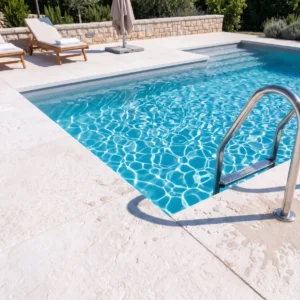
Travertine remains one of the most consistently specified natural stones for pool coping, and the bullnose profile is its most popular application. The rounded edge is comfortable to grip when swimmers are entering or exiting, and travertine’s open-pore structure keeps surface temperatures measurably lower than dense alternatives in direct sun. According to Natural Stone Institute travertine performance data, the material’s absorption characteristics and light reflectivity make it particularly well-suited for wet, sun-exposed environments. Specify a tumbled or honed finish rather than polished — polished travertine at a wet pool edge is a liability regardless of how clean the look is.
2. Cantilevered Deck with Natural Stone Coping Insert
The cantilevered concrete deck profile — where the deck material pours over the pool edge and creates a seamless overhang — pairs well with a stone inlay strip at the lip. The result combines the structural simplicity of a concrete cantilever with the tactile warmth of natural stone at exactly the point where hands and feet make contact. This approach works best with a straight pool geometry where formwork stays consistent. For the stone strip, a honed limestone or bluestone in the 2-inch nominal thickness range handles the point loads from pool users without flex issues.
3. Bullnose Limestone Coping
Limestone pool coping in a single bullnose cut gives you a clean, classical look that reads well against both contemporary and traditional architecture. Lighter limestone varieties reflect UV effectively, which slows the surface heating you’d see with darker material — practically, this means a more comfortable barefoot experience during peak sun hours. Seal limestone coping on a biennial schedule at minimum; the material is moderately porous and prolonged chlorinated splash without sealer protection will work into the surface over time, creating a chalky, bleached appearance. Selecting a penetrating silane-siloxane sealer rather than a topical film sealer keeps the surface breathable while still resisting chemical absorption.
4. Stack-Bond Bluestone Coping with Chiseled Edge
Bluestone with a chiseled or sawn edge profile brings a more contemporary, angular character to the pool surround. The natural cleft surface texture provides inherent slip resistance at the wet edge without requiring an additional anti-slip treatment — a real advantage when working through finish selections for a project that needs to meet pool safety thresholds. Bluestone’s density (typically 160–165 lbs/ft³) means it handles thermal cycling well without the micro-cracking risk present in more porous material. In freeze-thaw regions, bluestone’s low absorption rate — generally under 1% — makes it a durable long-term choice for outdoor pool coping.
5. Drop-Face Coping for Elevated Spillover Pools
Drop-face profiles extend the coping stone vertically down the pool wall face, creating a clean waterline detail that works especially well on elevated or infinity-edge pool designs. The extended face conceals the bond beam entirely, which matters when the pool shell is visible from the surrounding landscape or from a lower terrace. Natural stone in a drop-face cut — particularly a 3cm-thick travertine or granite — carries enough section depth to span the wall without unsupported spans that could flex under load. Confirm that your mortar bed is achieving full contact across the entire face, because a void behind a drop-face stone at the waterline is a slow structural problem that’s expensive to address post-installation.
6. Granite Pool Coping for High-Traffic Projects
For commercial pools, hotel surrounds, or any project where traffic volume is elevated, granite pool coping offers compressive strength that outperforms softer sedimentary alternatives significantly. Granite typically tests above 19,000 PSI in compression — it’s effectively indestructible at the loads a pool coping application generates. The challenge is UV-driven color shift over time: darker granites exposed to intense, prolonged sun will develop a slightly oxidized, bleached surface appearance within five to eight years without regular sealing. A penetrating fluorocarbon sealer applied annually retards this effectively. At Citadel Stone, we stock granite coping in both sawn and thermal finish profiles, and our team can guide you through color-retention expectations based on finish type before you commit a specification.
7. Natural Stone Pool Coping Pavers as a Seamless Deck Transition
Specifying the same natural stone pool coping pavers for both the coping cap and the surrounding deck field creates a visually unified surround that reads as a single surface rather than a composed assembly of different materials. The practical requirement is consistent thickness across both applications — coping pieces need to be dimensioned to sit flush with the adjacent deck pavers, accounting for mortar bed depth on the coping side versus compacted aggregate base on the deck side. This is more of a setting bed coordination issue than a material issue, but it’s the detail that most often gets missed in the field. Verify your setting bed depths with your installer before material is ordered, not after.
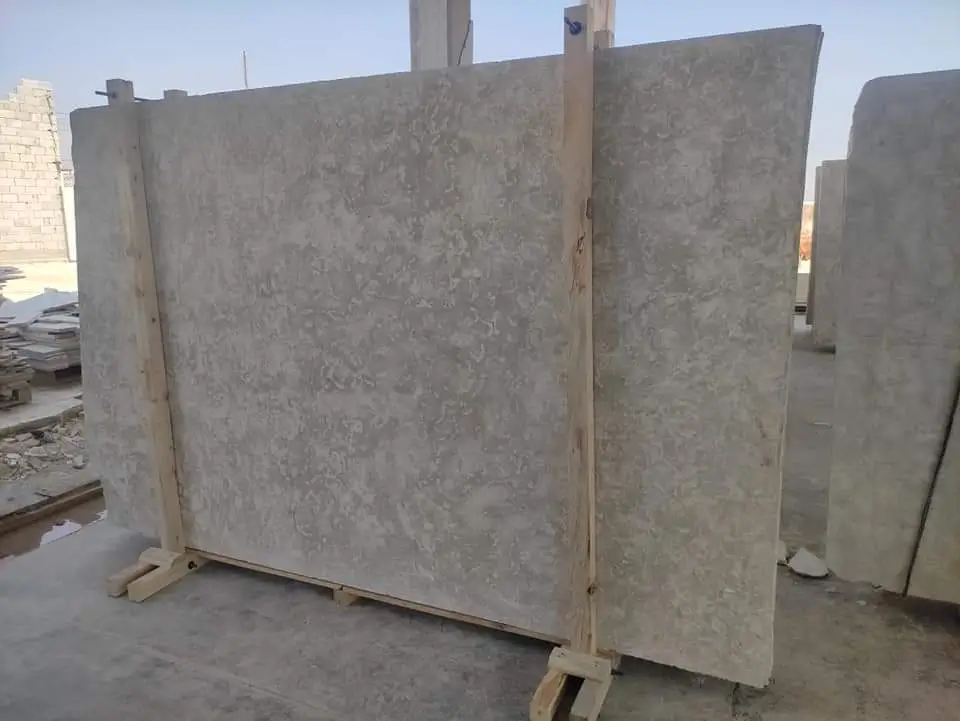
8. Tumbled Travertine Coping for a Mediterranean Aesthetic
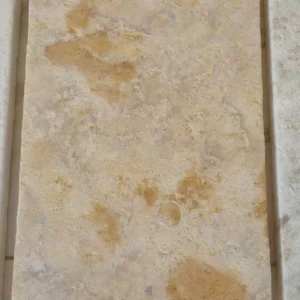
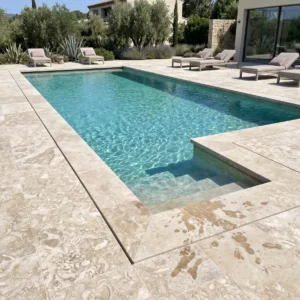
Tumbled travertine coping delivers an aged, worn character that suits Mediterranean and Spanish Colonial architecture exceptionally well. The tumbling process rounds all edges and corners naturally, which means you get a soft, comfortable grip at the pool edge without specifying a secondary bullnose cut. UV exposure actually enhances the aesthetic of tumbled travertine over time — the slight tonal variation that direct sun introduces deepens the aged appearance rather than fighting against it. This is one of the few natural stone options where light weathering improves the look rather than degrading it. Your sealing schedule still applies — every two years with a penetrating sealer — but you’re not trying to preserve a polished surface, which makes maintenance expectations more forgiving. For product reference, review ASTM C1527 travertine dimension stone specifications to understand the minimum thickness and absorption requirements that outdoor pool coping applications demand.
9. Coping a Pool with Mixed Natural Stone and Tile
Mixing a natural stone coping cap with a tile waterline band below it is a layered approach that gives you the structural mass of stone at the top edge and the design flexibility of tile in the waterline zone. The coping stone handles the functional demands — overhang, drip edge, wet-edge comfort — while the tile below contributes color, pattern, or reflectivity to the interior pool wall. The specification challenge is managing the transition between two different installation systems: the stone above sets in a mortar bed with movement joints, and the tile below adheres with a pool-rated thin-set with its own joint schedule. Coordinate with your tile installer and mason on joint alignment at the transition so you don’t end up with a misaligned grout line that compromises the visual result.
UV Exposure and Long-Term Appearance
Sun-exposed pool coping takes a sustained UV load that most interior stone applications never see. Over time, this affects surface color, sealer performance, and finish integrity — and it affects different materials and finishes quite differently. Here’s what to factor into your material and finish selection:
- Lighter stone colors (ivory travertine, white limestone) reflect a higher proportion of UV and solar radiation, which slows surface heating and reduces the photochemical degradation that fades darker finishes
- Polished finishes lose their sheen faster under UV than honed or tumbled finishes — honed or textured surfaces age more gracefully in outdoor sun exposure
- Topical sealers break down under UV faster than penetrating sealers — specify a silane-siloxane or fluorocarbon penetrating formula for outdoor pool coping rather than an acrylic topcoat
- Darker stone varieties — charcoal bluestone, black granite — will show a bleached, oxidized surface tone within a few seasons of heavy sun exposure without consistent sealing maintenance
- Resealing on a biennial schedule is the minimum for most sun-exposed coping materials; annual application is worth considering for dark-colored or highly porous stones
- Finish wear patterns concentrate at the pool edge where wet feet contact the surface repeatedly — factor this into your slip-resistance specification, because a worn polished edge loses its initial friction coefficient over time
The most durable long-term outcome comes from matching your finish choice to your realistic maintenance schedule, not to the best-case scenario. ASTM slip resistance testing confirms that textured finishes — tumbled, chiseled, or thermal — maintain their friction coefficient more consistently over years of UV and wet-cycle exposure than smooth alternatives. For project planning, ASTM stone and slip resistance standards provide the testing benchmarks your specification should reference when confirming coping finish suitability for pool edge applications.
Edge Profiles and Overhang Depth
The edge profile you select does more than define the visual character of the pool surround — it governs water management at the pool edge and affects how the coping integrates with the surrounding deck.
- Standard bullnose: rounded single-edge profile, comfortable grip, suits most residential pools, 1–1.5 inch overhang over pool interior
- Double bullnose: rounded on both exposed edges, used when coping is visible from below (raised pools, elevated decks), adds material cost
- Coved edge: concave profile that directs splash back into the pool rather than onto the deck — a smart choice for indoor or covered pool environments where drainage management is critical
- Square/chiseled edge: contemporary profile, lower material waste, works well with linear pool geometry, requires precise setting to avoid sharp corners at the waterline
- Drop face: vertical extension down the pool wall face, conceals the bond beam, adds structural depth, best in 3cm or thicker material
- Cantilevered overhang: deck material extends over the pool edge without a separate coping cap, eliminates a material transition joint, requires precise formwork and concrete control
Overhang depth should sit between 1 and 1.5 inches over the pool interior — enough to create a drip point that directs water away from the bond beam, but not so deep that it creates a catch point for debris or an overhang that interferes with pool covers. Review the full range of Citadel Stone edge profile options to compare dimensions and material pairings across the profiles described here.
Material Thickness and Structural Requirements
Coping thickness is a structural specification, not just an aesthetic one. The right dimension depends on your overhang depth, the unsupported span across the pool wall, and the material’s flexural strength.
- 1.25-inch (30mm) nominal: suitable for most residential bullnose and tumbled coping applications with standard overhangs and full mortar bed support
- 2-inch (50mm) nominal: recommended for drop-face profiles, elevated pools, or any application where the coping spans more than 12 inches unsupported
- 3cm pavers used as coping: appropriate for flat-lay applications with minimal overhang, verify flexural strength against your specific stone variety before specifying
- Full-bed mortar setting (minimum 3/4-inch bed): required for all pool coping — thin-set bonding alone is insufficient for the thermal and wet-cycle movement pool coping endures
- Movement joints: install at maximum 8–10 foot intervals along the coping run, and at all inside and outside corners — pool shells move, and the coping must accommodate that
Citadel Stone warehouse stock typically includes coping in the 1.25-inch and 2-inch nominal thicknesses across travertine, limestone, and bluestone material lines, which means your truck delivery timeline from order to site is generally 1–2 weeks for standard profiles rather than the 6–8 week lead time you’d face sourcing direct-import material.
Decision Points
Narrowing down the right pool coping ideas for your project comes down to three decisions made in the right sequence: material first, profile second, finish third. The material governs structural performance, UV behavior, and long-term maintenance reality. The profile governs water management and visual character. The finish governs slip resistance, texture feel underfoot, and how the material ages under sustained sun exposure. Collapsing these three decisions into one simultaneous choice — trying to pick a look before the structural and performance requirements are defined — is how swimming pool coping ideas end up producing beautiful installations that develop problems in year three.
Beyond those core choices, your setting bed specification and movement joint schedule matter more than most project teams anticipate at the planning stage. A correctly specified coping material on an inadequate mortar bed is a ten-year installation. The same material on a properly executed full-bed setting with correctly placed movement joints is a twenty-five-year installation. The difference is invisible once the work is done — which is exactly why it gets underspecified. As you work through your material choices, the resource on coping performance across climate conditions provides additional technical guidance on how material behavior shifts between freeze-thaw and high-UV environments. Pairing the right edge profile with deck stone is a detail the Citadel Stone team regularly helps specifiers work through during the planning stage.
Related reading: What Is Pool Coping and Why Does It Matter? · Pool Coping Material Comparison: Stone Options Ranked.