Jutting into the Pacific, the Azuero peninsula keeps Panama’s soul: the folklore heartland where the pollera was perfected and the festivals never stopped, the dry arc’s golden cattle country, heritage towns whose plazas host the country’s most famous celebrations, and – at the peninsula’s tip – Pedaí’s sleepy grid waking to a boutique wave while Venao’s surf bowl draws the boards. The Azuero brief blends heritage manners, dry-country craft and the frontier’s patience, and this guide walks it plaza to point.
The Folklore Heart
The peninsula’s identity is performed: Las Tablas’ carnival is the country’s most famous, the pollera festivals crown their queens in Guararé, and the town calendars run on celebrations the whole nation watches. For builders the festival economy writes the pulse clauses – plaza grounds and parade routes absorbing national crowds, premises resetting between celebration and commerce, and the civic pride that maintains heritage fabric properly because the cameras return annually. The peninsula performs itself; its stone hosts the performance. a cultural coast’s manners walks the kindred register where culture is the neighborhood.
The Dry Arc
The Azuero anchors Panama’s arco seco – the dry arc where rainfall runs lowest and the land turns gold for the long season – and the specification reads the arc’s honesty:
- Hardscape-first landscapes in the dry-country manner: stone structure, drought-schooled planting, shade engineered.
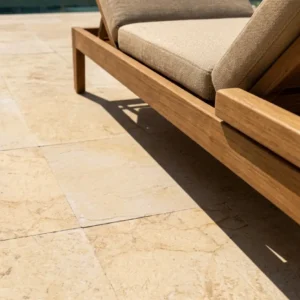
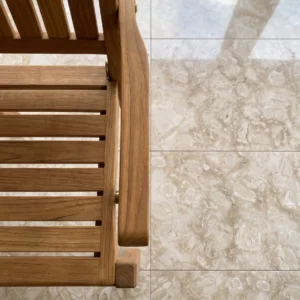
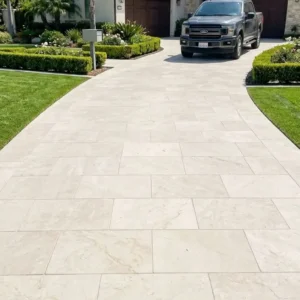
- Pale textured surfaces against heat and dust, rinsed on the corridor’s light calendar.
- Water discipline as design: storage, falls to planted ground, and the arc’s wells respected.
- Drainage still sized for the green season’s returns – the arc is dry, not exempt.
Pedaí’s Heritage Grid
Pedaí keeps the peninsula’s domestic register at its sweetest: a small heritage grid of tiled roofs and painted facades, porches at conversation height, and a boutique wave renovating house by house – inns in old family homes, restaurants in courtyard shells, the paint-and-stone pact brightening the streetscape over honest floors. The renovation manners are village-heritage: scale kept, porches honored, the grid’s rhythm respected, and the town’s famous friendliness earned by projects that hire local and build quiet.
The Venao Bowl
Over the hill from Pedaí, Playa Venao runs the peninsula’s surf chapter: the great bowl’s consistent walls drawing the international board traffic, lodges and camps strung along the curve, and the surf-town register in dry-arc form – board yards and rinse courts, dawn-patrol thresholds, barefoot commerce on the beach road, and the flat-day economy’s pools and hammocks. Pacific surf-town standards writes the canon the bowl’s builders already speak; Venao’s edition adds the arc’s golden light and the peninsula’s mellower pace.
The Cattle Country
Behind the coasts, the Azuero runs Panama’s ranching heartland – estancias under big trees, cattle in the gold grass, the horse culture the festivals parade – and the estate register runs the finca canon in dry-arc dress: entrance gates and long drives, working yards at agricultural grade, corredor verandas for the evening heat, and the gathering grounds where the peninsula’s famous hospitality performs at family scale. The estancias are the folklore’s home soil; their renovations keep the working character the culture rides on.
The Sportfishing Point
Off the peninsula’s tip, the Pacific drops into the tuna coast – the deep water that makes Pedaí a sportfishing base – and the marine premises run the working-shore register: launch and haul infrastructure at boat grade, fish-cleaning stations that hose honest, charter-base courts staging the dawn departures, and the Isla Iguana day-trip economy’s gentle landing manners on the protected islet’s edge. The point’s economy rides the deep water; its shore stone works the wet both directions.
Festival Logistics
When the peninsula’s great weeks arrive – carnival above all – the towns host national volumes on village fabric, and the pulse canon governs: plaza and route surfaces at crowd grade, staging grounds engineered into the civic plan, premises resetting nightly through the celebrations, and the works calendar clearing entirely for the sacred weeks – no project competes with carnival, and none tries. The festival pulse is the peninsula’s identity at full volume; the stone absorbs it annually and shows only maintenance.
The Peninsula’s Pace
Azuero logistics run peninsula patience: the loop road from the Pan-American serving the towns, the last miles to coast lots and estancias on rural honesty, and the dry season carrying the heavy works while the green months soften the tracks. The peninsula rewards the standing disciplines – consolidated consignments, dry-window scheduling, staging where trucks genuinely stop – and adds its own: the festival calendar consulted before any schedule hardens, because the peninsula’s year bends around its celebrations and expects the builders to bow with it.
The Artisan Workshops
The peninsula’s folklore lives in its workshops: the pollera makers whose embroidery commands months and fortunes, the mask artisans serving the festival economies, the workshops and small museums where the crafts teach their next generation. The artisan premises run boutique-working: courts and thresholds at visitor-pulse grade for the cultural circuit’s traffic, working floors honest under the crafts’ daily practice, display rooms lit for embroidery’s detail, and the village-scale manners of buildings holding national treasures on family streets. The workshops are the folklore’s living infrastructure – and the properties that host them properly join the peninsula’s cultural ledger, which the festivals audit annually.
The Heartland’s Terms
The Azuero’s terms are the heartland’s own: folklore honored, dry arc respected, heritage grids renovated gently and the festival calendar sovereign. Build the peninsula to its culture’s pace – plaza-proud, porch-warm, gold-season honest – and the folklore heartland extends the welcome its festivals are famous for.
The Clay-Roof Pairing
The peninsula’s streetscapes keep their signature above: the clay-tile roofs whose warm ranks define every heritage view – and the renovation craft pairs them downward: pale stone thresholds and courts under the terracotta warmth, the two materials sharing the earth-toned register the towns have always worn. The pairing’s practicalities hold: roof runoff concentrated at the tile valleys meets ground drainage designed for it, splash zones at the eave lines take textured stone honestly, and the paint-and-stone pact’s peninsula edition adds the roofline: color on the walls, clay above, stone below – the Azuero’s full palette, renewed in order.
Building to a Dry Season Calendar
The Azuero peninsula has the most pronounced dry season in Panama. Months pass with almost no rain, the ground hardens, dust travels, and then the wet half arrives and access changes completely. The calendar is the first thing a program here has to respect.
- Book earthworks and deliveries into the dry months where possible
- Expect dust to dull polished finishes faster than salt does
- Design drainage for the wet half even while building in the dry one
- Allow contingency on unsealed approaches after the rains start
Panama sits largely outside the main Atlantic hurricane track, so it is the wet and dry halves rather than the storm season that govern a program here; the National Hurricane Center climatology sets out the season and its September peak for comparison.
A Working Coast Beside a Protected Gulf
The peninsula sits beside the Golfo de Montijo, designated under the Ramsar Convention on 26 November 1990 and covering 80,765 hectares of estuarine waters, mangroves, beaches and seasonally flooded grassland in Veraguas. That system supports traditional fishing and is sensitive to runoff.
- Control sediment during construction rather than after it
- Keep mangrove and estuary margins unpaved
- Use permeable surfaces where drainage reaches open water
- Avoid chemical cleaning products near watercourses
The Ramsar record for the Golfo de Montijo sets out the site.
Folklore Towns and Public Frontages
Las Tablas, Guarare and Pedasi are working heritage towns with real civic life, and new frontage work is visible in a way that a villa terrace is not.
- Keep street-facing palettes subordinate to the buildings above
- Use smaller formats in town and larger ones on rural plots
- Detail thresholds so painted walls stay clear of splash
- Avoid gloss finishes, which read as modern from across a plaza
Surf, Sand and the Venao Traffic
Playa Venao and the surrounding beaches bring the same problems every surf coast has: sand indoors, wet feet and boards dragged across thresholds.
- Detail a drained rinse zone before every threshold
- Use joints wide enough to sweep rather than fine ones that trap grit
- Choose textures that release sand instead of holding it
- Specify board storage surfaces that tolerate being wet all day
Ranch Country Hard Standing
Away from the beaches this is cattle country, and rural properties need working surfaces before they need decorative ones.
- Specify vehicle-rated construction on shared farm access
- Detail wash-down areas with drainage and interceptors
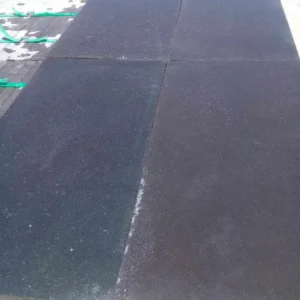
- Use surfaces that tolerate mud rather than showing it
- Keep decorative work close to the house
Delivery into the peninsula is covered in our Panama supply and access overview.
Pedasi and Azuero stone for a dry calendar
The peninsula is unusually easy to build on for half the year and unusually hard for the other half, and the specification should acknowledge both.
- Work to the seasonal calendar deliberately
- Protect the gulf during construction
- Respect the heritage towns on public frontages
- Separate decorative work from working ground
Dry season runs the calendar here, and the projects that plan around it finish on time.