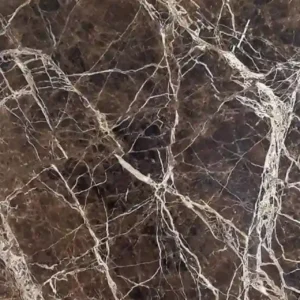
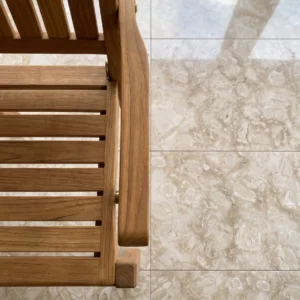
Marble stone care fails most often not at the cleaning stage but at the protection stage — specifically, the window between installation completion and first use that most owners treat as a formality rather than a critical performance variable. The porosity of marble sits between 0.2% and 0.5% for dense commercial grades, but that range expands dramatically when the stone arrives from the quarry without adequate factory sealing or when field conditions during installation compromise the surface. Understanding what actually happens inside the stone during that first sealed period is what separates a surface that looks new at year fifteen from one that starts showing deep staining by year three.
Why Marble Surface Porosity Drives Every Care Decision
Marble’s calcium carbonate matrix creates an interconnected pore structure that behaves very differently from granite or basalt under the same care regimen. Liquids don’t just sit on marble — they migrate laterally through the grain network before you’ve had time to blot them. This lateral migration is why a coffee spill on unsealed marble can produce a stain ring that extends two to three times the original spill radius. Your marble stone care protocol has to account for this geometry, not just the surface contact area.
The mineral composition also means marble reacts chemically to any substance with a pH below 7. That includes common household cleaners, fruit juices, wine, and vinegar-based products. Even mildly acidic water in certain regions will etch the surface over time, producing the dull, frosted appearance that owners often mistake for dirt but is actually surface-level calcite dissolution. You can’t clean your way out of that — it requires re-honing or re-polishing.
Sealing Schedules That Actually Match Traffic Conditions
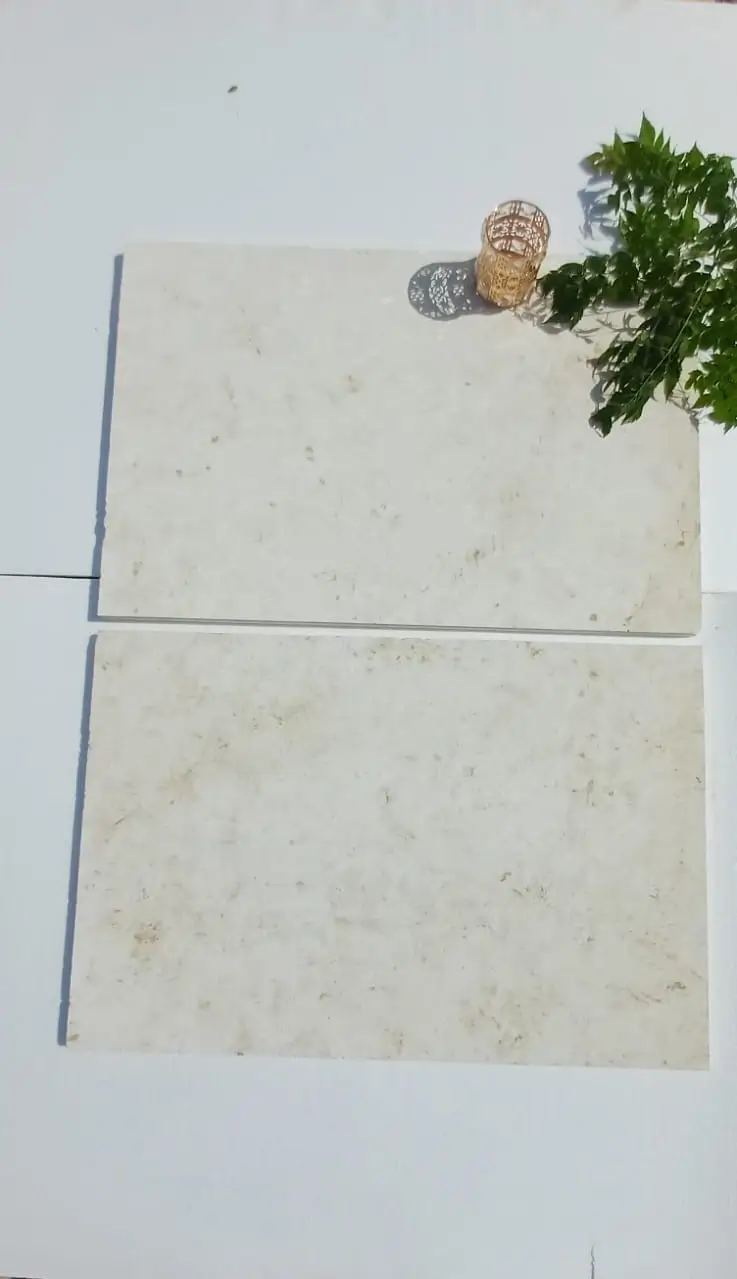
Most published sealing recommendations default to an annual schedule regardless of use. That’s a starting point, not a specification. Your actual sealing frequency depends on three variables: traffic volume, finish type, and the cleaning chemistry your household or maintenance crew uses day-to-day.
- Polished marble in low-traffic residential settings typically holds a quality penetrating sealer for 18 to 24 months before protection begins to degrade noticeably
- Honed or brushed marble, which has a more open surface texture, absorbs sealers faster and may require reapplication at 10 to 14 months in moderate-traffic areas
- High-traffic commercial floors with polished marble stone care protocols often need quarterly topical protection combined with annual penetrating sealer refresh
- Any surface regularly cleaned with alkaline stripping agents will deplete sealer faster — even neutral pH cleaners accelerate breakdown compared to dry-only or microfiber maintenance
The water-bead test is your most reliable field check. Apply a few drops of water to a clean, dry surface. If it beads up and sits for 60 seconds before beginning to absorb, your sealer is holding. If it penetrates within 20 to 30 seconds, schedule your resealing immediately — don’t wait for the calendar date. According to NSI marble care and sealing guidance, penetrating fluoropolymer-based sealers consistently outperform older silicone-based products for long-term stain resistance on calcium carbonate stones.
Cleaning Chemistry: The Non-Negotiable Rules
Product selection is where most marble stone care programs go wrong fastest. The cleaning aisle is full of products marketed as suitable for stone that will etch your marble within weeks. Here’s what the label won’t tell you but the field does.
- pH-neutral cleaners (pH 6.5 to 7.5) are the only safe daily-use option — anything outside this range will degrade the calcium carbonate matrix
- Products containing citric acid, lactic acid, or acetic acid (vinegar) will etch even sealed marble on repeated contact
- Bleach and ammonia-based cleaners strip protective sealers and leave the surface temporarily more porous than before cleaning
- Soap-based cleaners create a film residue that dulls polished surfaces and requires periodic stripping — use sparingly or not at all on polished finishes
- Dry microfiber maintenance between wet-mopping sessions reduces the frequency of chemical contact significantly, extending sealer life
For daily care, a well-wrung microfiber mop with clean water does more to preserve your marble than any product combination. The mechanical action lifts particulates that would otherwise act as fine abrasives underfoot — and that grinding action from grit and sand is often more damaging to polished marble than chemical contact.
Stain Removal Matched to Stain Chemistry
Effective stain removal on marble requires you to identify the stain’s chemical family before selecting a treatment. Generic poultice methods work, but only when the drawing agent matches the stain type. Using the wrong chemistry can drive the stain deeper rather than extracting it.
- Oil-based stains (cooking oil, grease, cosmetics) respond to acetone or mineral spirits as the solvent within a diatomaceous earth or talc poultice carrier
- Organic stains (coffee, tea, wine, leaf tannins) lift best with a hydrogen peroxide solution at 12% concentration — not hardware-store 3%, which is too dilute to be effective
- Rust stains from metal contact require a commercial iron-removing poultice specifically formulated for calcium carbonate — general rust removers contain acids that will etch the marble
- Ink and dye stains need acetone on light marble and lacquer thinner on darker stone, applied with cotton wool rather than cloth to prevent lateral spreading
Poultice dwell time matters more than concentration. A properly applied poultice left for 24 to 48 hours under plastic sheeting will draw more stain than an aggressive product left for two hours. Patience is the technique here, not product strength. According to ASTM C503 marble building stone specifications, absorption rates across marble grades vary significantly — denser grades require longer dwell times for the same extraction result.
Installation Timing and Seasonal Conditions That Affect Long-Term Care
The decisions you make at installation set up your long-term marble stone care requirements — sometimes permanently. Specifically, adhesive cure conditions and grout selection during the installation window determine how the surface behaves for years afterward.
Marble set in cold conditions (below 50°F substrate temperature) with standard thinset will often develop hollow spots beneath the field as the adhesive fails to cure uniformly. Those hollow spots transmit point-load stress directly to the tile face, producing hairline cracks that look like wear damage but are actually structural from day one. Your care program can’t address what the installation created.
- Morning installations in cooler seasons allow adhesives to cure at stable temperatures before afternoon heat can cause differential expansion between the stone and substrate
- Summer afternoon installations in hot, dry climates risk open-time collapse in the thinset before tiles are properly seated — schedule marble setting for morning shifts from late spring through early fall
- Grout joints on marble floors should be sealed within 72 hours of grouting completion — longer exposure in high-humidity periods allows efflorescence to develop that’s nearly impossible to remove without acid cleaning (which etches the marble face)
- In freeze-thaw regions, exterior marble installations benefit from scheduling final sealing in late summer or early fall, giving the sealer maximum cure time before temperature cycling begins
At Citadel Stone, we advise clients planning exterior marble installations to coordinate their truck delivery timing with their installation schedule — receiving material 5 to 7 days before installation starts gives the stone time to acclimate to ambient temperature and moisture conditions, which improves adhesive bond and reduces the lippage that makes long-term cleaning more difficult.
Protecting Polished Marble Against Traffic Wear
Polished marble maintenance requires you to think about the surface in terms of micro-abrasion cycles, not just cleaning events. The gloss on polished marble comes from compressive crystallisation during the final polishing stage — it’s a physical property of the surface, not a coating. Once you understand that, the preservation logic becomes clear.
Entry points are the highest-risk zones. Exterior grit tracked inside acts as a lapping compound on polished marble, removing the crystallised surface layer with every footfall. Installing high-quality walk-off mats (not synthetic rubber-backed mats, which trap moisture against marble) at all entry points reduces micro-abrasion more effectively than any cleaning product. The mat should extend at least 5 feet from the entry threshold — enough to capture grit from two full strides.
Furniture pads and felt protectors are mandatory on polished floors, but replace them every 6 months. Worn felt pads accumulate trapped grit that can scratch worse than bare metal. For marble’s geological composition and surface characteristics, the Mohs hardness of 3 to 4 means even common quartz sand particles (Mohs 7) will abrade it — this is not a soft stone myth, it’s hardness physics that governs your entire maintenance approach.
Our technical team at Citadel Stone has found through warehouse inspection and quarry quality reviews that marble slabs with tighter, more uniform grain structures show measurably better resistance to micro-abrasion wear — which is why grain consistency is one of our primary selection criteria when sourcing from selected quarries from the Middle East and other international partners.
Marble Pavers: Outdoor Care Specifics
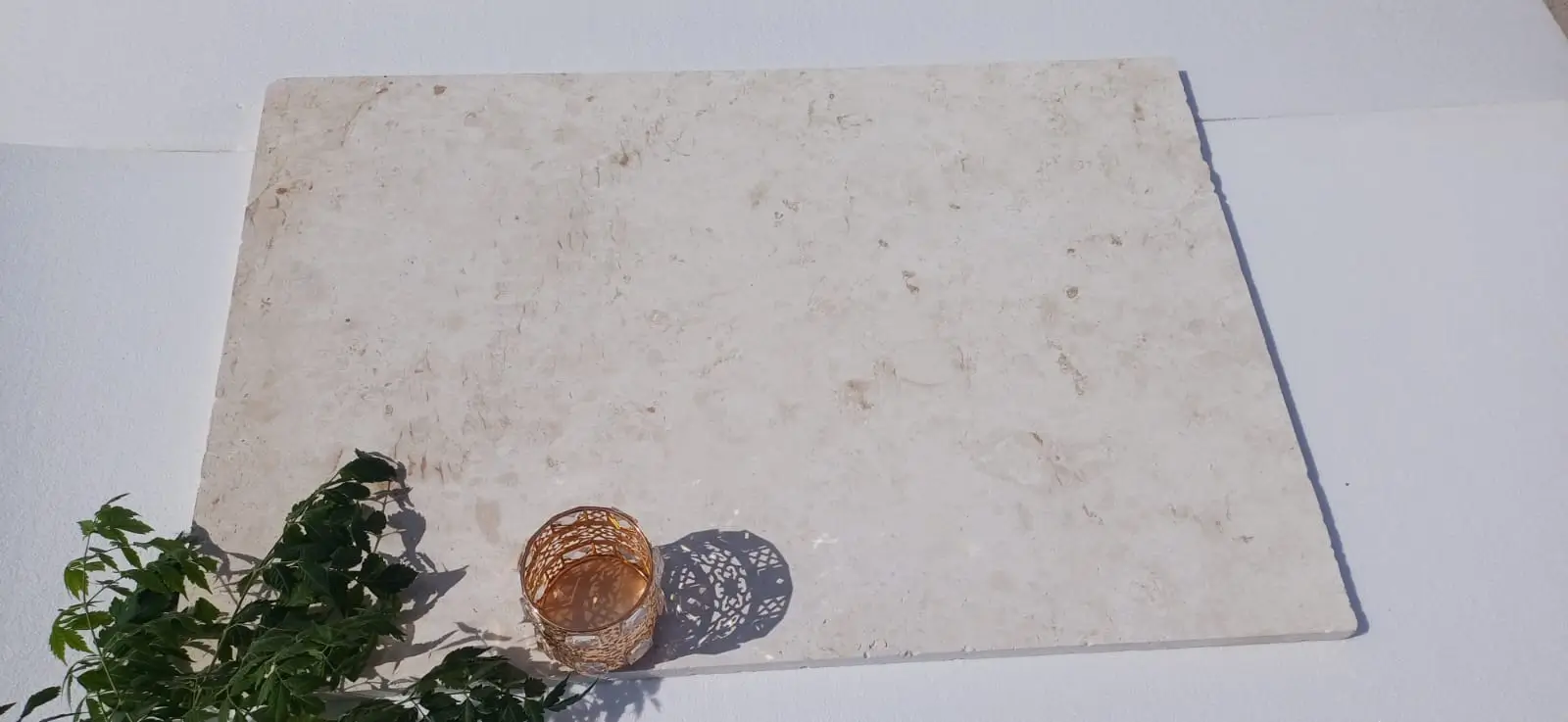
Outdoor marble pavers require a distinctly different care approach from interior applications. Exposure to UV radiation, biological growth, and thermal cycling creates a maintenance demand that indoor marble simply doesn’t face. Your care schedule for exterior marble pavers needs to address each of these independently.
Biological growth — moss, algae, and lichen — is the most structurally damaging element for outdoor marble. Lichen in particular produces oxalic and other organic acids as metabolic byproducts that etch directly into the marble surface and can penetrate beneath sealer layers. Treatment with a sodium hypochlorite solution at 2 to 3% dilution applied to dry stone and rinsed before allowing to puddle will control most biological growth without the pH damage that stronger biocides cause.
- Exterior marble pavers should receive penetrating sealer every 12 months in temperate climates, or every 8 to 10 months in wetter regions with significant biological growth pressure
- Pressure washing is acceptable at low pressure (below 1,200 PSI) with a wide fan tip — high-pressure jets will open the surface pores and accelerate staining
- Joint sand maintenance is critical — sunken or displaced joints allow water infiltration beneath the slab, which in freeze-thaw conditions causes slab lifting and cracking that no care regimen can reverse
- Thermal expansion in outdoor marble pavers runs at approximately 7 × 10⁻⁶ per °F — your joint spacing and flexible joint-fill selection determine whether that movement is absorbed or transferred as stress into the slab face
For a wider look at how marble maintenance protocols connect to your material selection decisions, our marble maintenance tips cover additional technical detail on surface treatment options across different marble grades and finishes.
Restoring Etched or Dulled Marble Surfaces
Etching is not staining — the distinction matters because you cannot seal or clean your way back from it. Etching is physical removal of the calcium carbonate surface layer by acid contact, leaving a matte or frosted mark on a previously polished finish. Restoration requires mechanical re-polishing, not chemistry.
Light etch marks on polished marble respond well to marble polishing powder applied with a felt pad at low speed (below 400 RPM on a rotary tool). This re-establishes the crystallised surface on a small area without requiring full-floor re-polishing. Deep etch marks — those with visible depth you can feel with a fingernail — require professional honing beginning at 200 to 400 grit progression before any re-polishing can bring back the original finish.
- Honed marble that develops etch marks is significantly harder to diagnose visually — the finish difference between honed and etched honed marble is subtle and often overlooked until the area darkens under wet conditions
- Tumbled marble finishes are the most etch-tolerant because the existing texture masks low-level surface dissolution — a practical advantage worth factoring into finish selection for dining areas or kitchens
- After any mechanical restoration, allow 48 hours before re-sealing — the re-polishing process opens pores temporarily and the sealer will absorb unevenly if applied too soon
Decision Points
Marble stone care ultimately comes down to a handful of compounding decisions made at different stages of the project lifecycle — and the ones made earliest have the longest reach. Finish selection shapes your daily cleaning chemistry requirements. Installation conditions determine your structural baseline. Sealing frequency is driven by traffic, not a generic annual schedule. Getting these decisions right at each stage is how you protect both the aesthetic investment and the functional performance of the stone over the long term.
The practical sequence for any marble project starts with specifying the right finish for the actual use environment — not the aesthetically preferred finish — then matching your sealing and cleaning program to that surface’s real-world demands. Restoration costs for etched or prematurely worn marble consistently exceed the cost of preventative care by a factor of five to eight, making the upfront specification work straightforward to justify. Beyond marble, your broader stone project may include complementary hardscape elements — using marble remnants for smaller features is a cost-effective approach worth considering for accent areas, thresholds, and detail work that would otherwise require full-slab orders. Marble from Citadel Stone arrives from internationally sourced quarries, selected for tight grain that resists staining under regular sealing.
Related reading: granite marble problems · marble stone design ideas · What Do Granite Fabricators Do? A Full Breakdown.