

Natural Stone Wall & Floor Tiles
Explore our natural stone wall & floor tiles collection. Whether you are a commercial hard landscaper, paving contractor, architect, or property developer, in Arizona here at Citadel Stone Ltd we can cover everything you need and more, from Limestone, Granite, Basalt, Jura/Eyelashes tiles exclusive and versatile stones. We can assist in creating inspirational spaces for your project. Your venture is our vision & we are guided by your project. Welcome to Citadel Stone, a natural stone supplier across Tempe Arizona in the United States and the surrounding areas.
END-TO-END
We quarry, template, manufacture & handle all logistics, including shipping, transportation, & delivery
High quality, affordability, Trusted Stone Supplier, and Fast Worldwide Delivery.
Showing all 51 resultsSorted by popularity
-
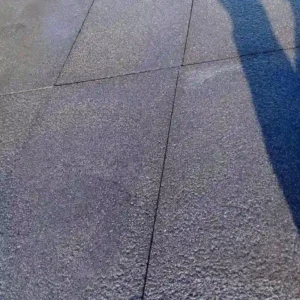
Black Basalt Bush-Hammered Stone
$2.38 -
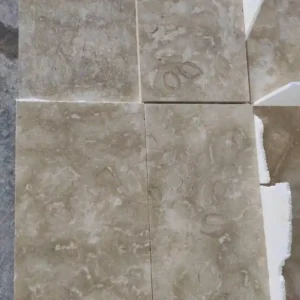
Ocean Reef Shellstone – Polished
$2.29 -
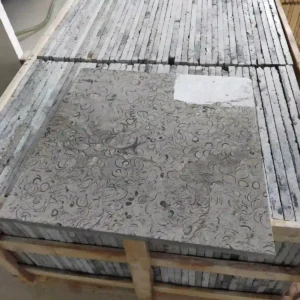
Blue Eyelash Fossil Limestone
$2.83 -
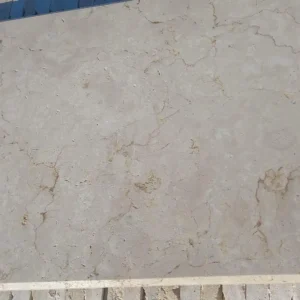
White Limestone Tiles – Various Finishes
$2.06 -
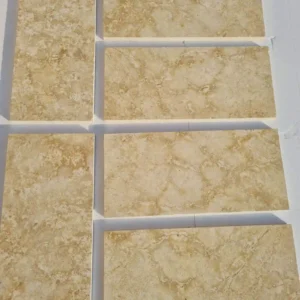
Yellow Limestone – Polished
$2.52 -
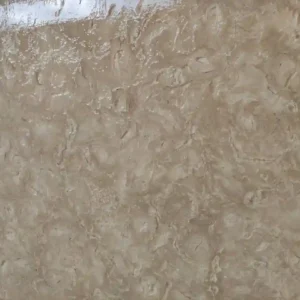
Ocean Reef Shellstone Slabs
$2.52 -
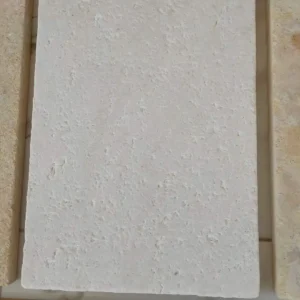
White Brushed Limestone
$2.28 -
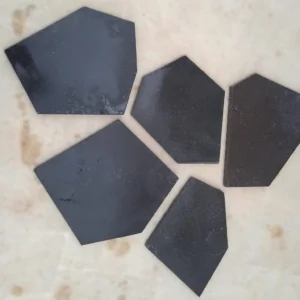
Black Basalt Hexagon Pavers
$1.96 -
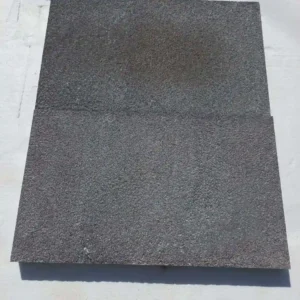
Black Basalt Bush-Hammered Stone 24″ × 12″
$2.33 -
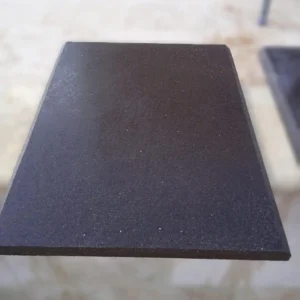
Black Basalt Honed Stone
$2.07 -
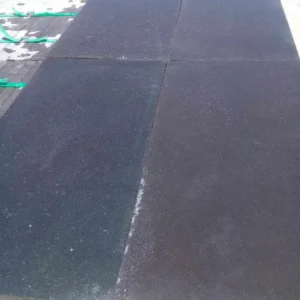
Black Basalt Sawn Slabs
$2.05 -
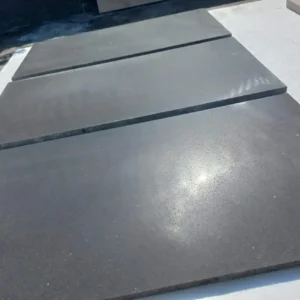
Black Basalt Polished
$2.05 -
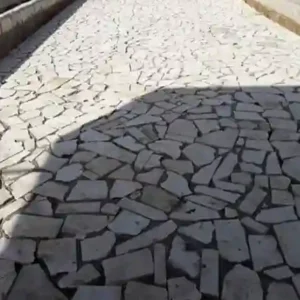
White Limestone Patio Pavers – Random Sizes
$1.96 -
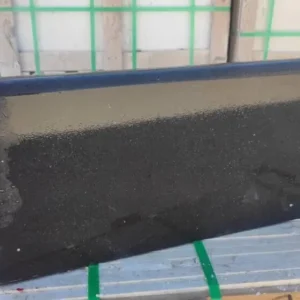
Black Basalt Bullnose Coping
$2.99 -
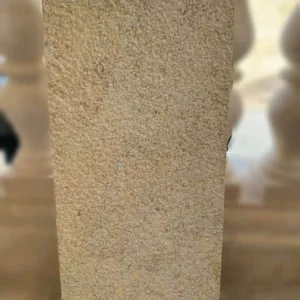
Yellow Limestone – Bush-Hammered
$2.24 -
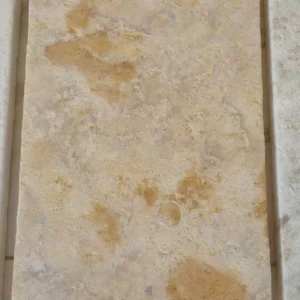
Tumbled Yellow Limestone
$2.24 -
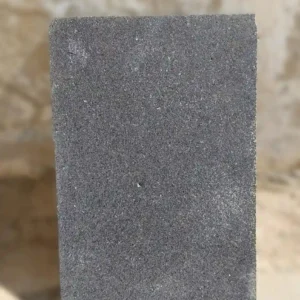
Black Basalt Natural Slabs
$2.05 -
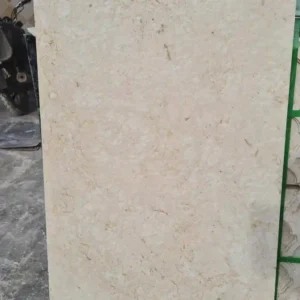
White Limestone Rough-Finish
$2.34 -
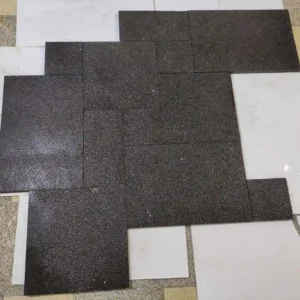
Black Basalt French Pattern – Bush-Hammered
$2.34 -
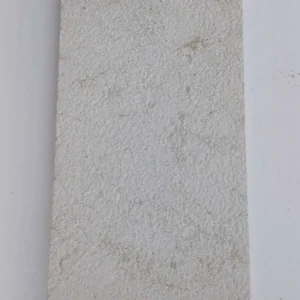
White Limestone Bush-Hammered
$2.34 -
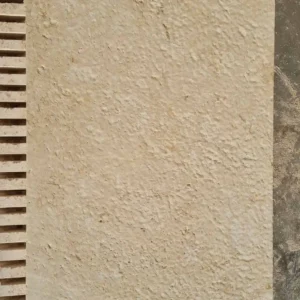
Yellow Limestone Brushed
$2.34 -
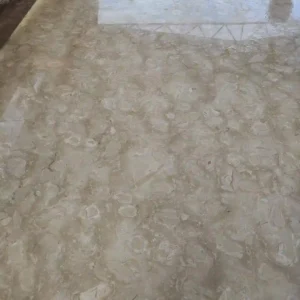
Ocean Reef Shellstone – Polished Large Format
$2.30 -
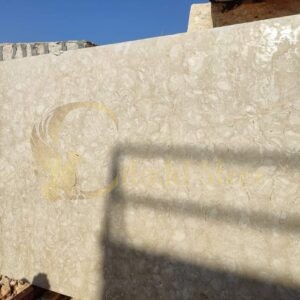
Ocean Reef Shellstone – Sawn
$2.30 -
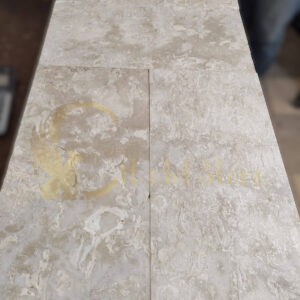
Ocean Reef Shellstone – Brushed 24″ × 12″
$2.30 -
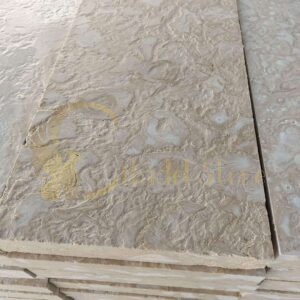
Ocean Reef Shellstone – Antique 24″ × 12″
$2.30 -
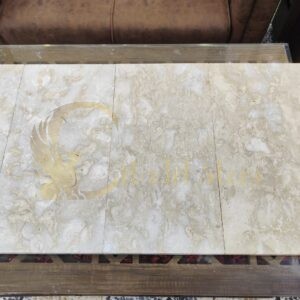
Ocean Reef Shellstone – Brushed
$2.30 -
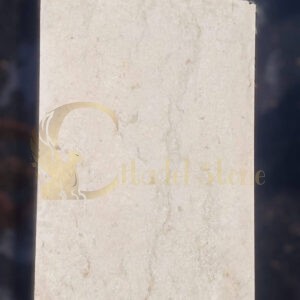
White Limestone – Polished
$2.30 -
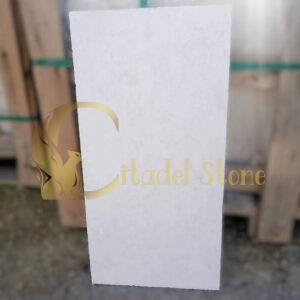
White Limestone Polished 24″ x 12″
$2.30 -
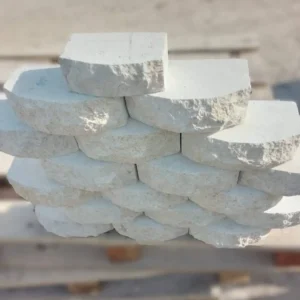
White Limestone Walling Blocks
$2.30 -
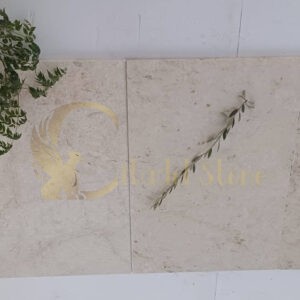
White Limestone Polished & Filled
$2.30 -
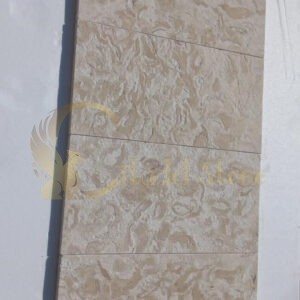
Ocean Reef Shellstone Brushed
$2.30 -
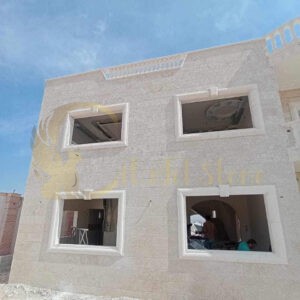
Ocean Reef Shellstone Wall 24″ × 12″
$2.30 -
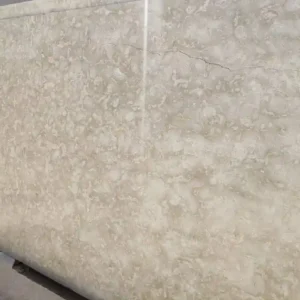
Ocean Reef Shellstone Polished Finish
$2.30 -
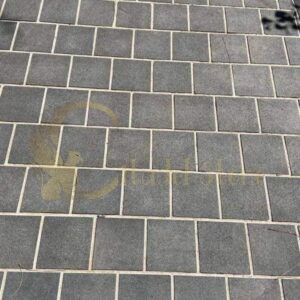
Black Basalt Bush-Hammered 12″ × 12″
$2.30 -
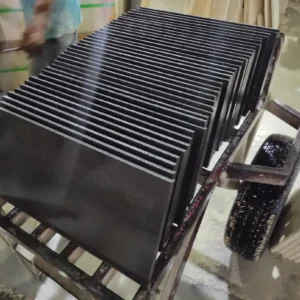
Black Basalt Bush-Hammered 24″ × 12″ × 3cm
$2.30 -
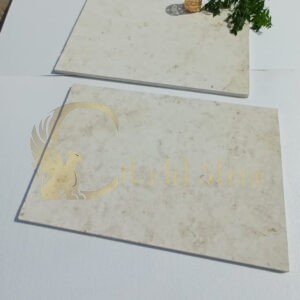
White Limestone Polished Large Format 36″ × 24″
$2.30 -
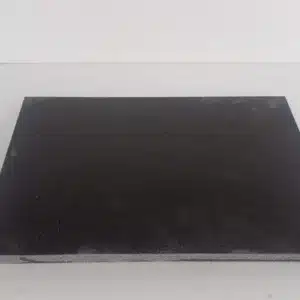
Black Basalt Honed 12″ × 24″ × 3cm
$1.99 -
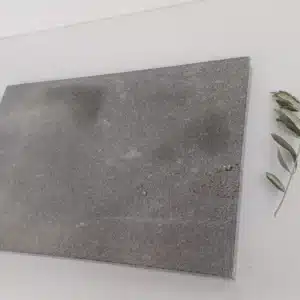
Black Basalt Sawn 24″ × 12″ × 3cm
$2.30 -
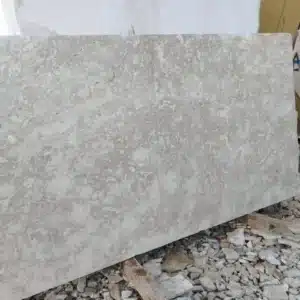
Ocean Reef Shellstone Slabs Large Format
$2.30 -
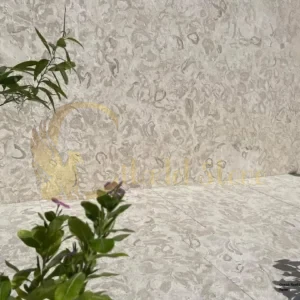
Ocean Reef Leathered Shell Stone Pavers
$2.30 -
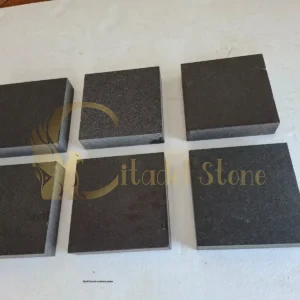
Black Basalt Antique 8″ × 8″ × 2″
$2.30 -
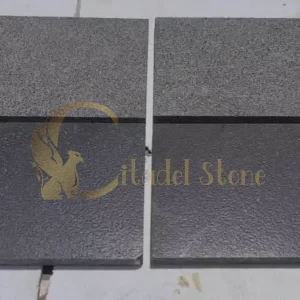
Basalt DuoFinish Paver – Honed & Bush-Hammered
$2.30 -
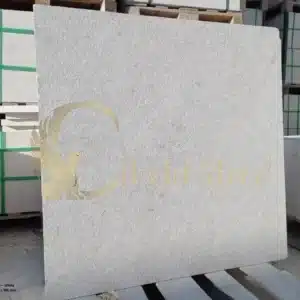
Citadel Alabaster 36″ — White Limestone Pavers 36″ x 36″
$3.10 -
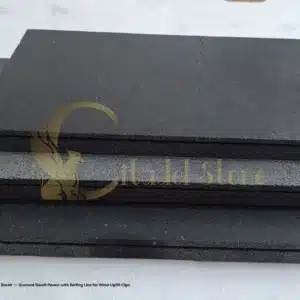
Citadel KerfLock Basalt — Grooved Basalt Pavers with Kerfing Line for Wind-Uplift Clips
$3.10 -
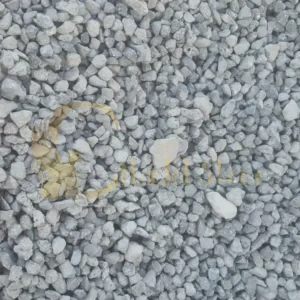
Citadel ForgeCrush™ — Crushed Basalt Aggregate
$20.00 -
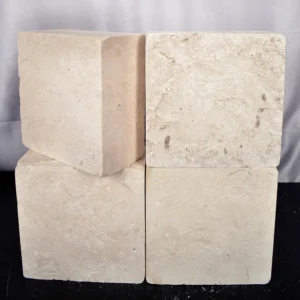
White Limestone Cobblestone Pavers – 8″x8″x4″
$20.00 -
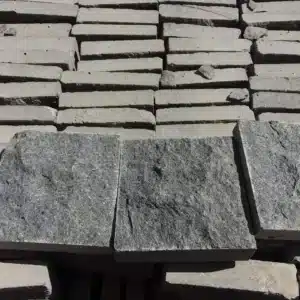
Graphite Grey Setts
$20.00 -
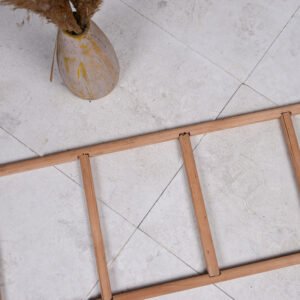
Pearl White Limestone Pavers – Natural Finish
$2.50 -
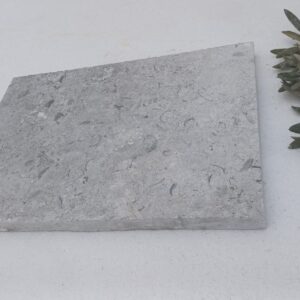
Blue Grey Fossil Limestone Pavers
$2.50 -
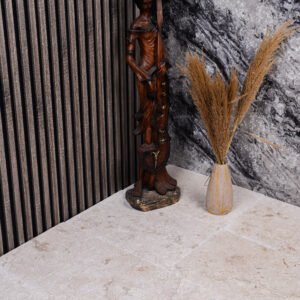
Royal Cream Limestone Pavers – Polished Finish
$2.50 -
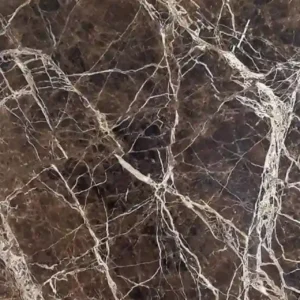
Emperador Dark Marble
$3.20
No Middlemen
Our company specializes in all aspects of the stone industry, from quarrying and manufacturing to logistics and delivery. Hence, you are dealing directly with the business owners.
Escrow payment terms
We offer secure payment terms for new clients, with funds held in escrow until the goods are received.
The finest quality Natural Stone
Our Limestone floor tiles are crafted with the utmost care and precision because we use only hand-selected blocks of the highest quality limestone and basalt.
Custom Stone Products
We take pride in offering customized natural stone products, tailored to your specific requirements.
Suitability
Our stone floor tiles are suitable for both residential and commercial projects, whether for indoor or outdoor use.
Customized Crates & Packing Process Of Your Choice
We can work with you to
manufacture custom crates to
ensure your purchased product can
be delivered anywhere and arrive in
perfect condition.
Ready to Start Your First Order? Get a quote now!
Looking for a quote? Share your specifications with us, and we guarantee a prompt response within just two business days!
Choosing the Perfect Garden Patio Slabs
Creating a beautiful outdoor space is a top priority for many homeowners. A well-designed garden patio can serve as an extension of your living space, providing a place to relax, entertain, and enjoy the outdoors. One of the key elements of a garden patio is the flooring, and choosing the right patio slabs is crucial to achieving the desired look and functionality. In this article, we will discuss the different types of garden patio slabs and how to choose the perfect one for your outdoor space.
Types of Garden Patio Slabs
Stone Flooring
Stone flooring is a popular choice for garden patios due to its durability and natural beauty. There are various types of stone flooring available, including limestone, basalt, sandstone, and granite. Each type has its own unique characteristics and benefits.
Limestone Tiles
Reliable limestone tiles for multi-use areas are a popular choice for garden patios due to their natural, earthy tones and smooth texture. They are also relatively affordable and easy to maintain. However, limestone is a softer stone and may not be suitable for high-traffic areas.
Basalt Pavers
Polished basalt pavers for sleek, modern surfaces are a type of volcanic rock that is known for its strength and durability. They are available in a range of colors, from dark grey to black, and can add a modern touch to your garden patio. However, affordable basalt tiles honed finish for home projects can be more expensive than other types of stone flooring.
Sandstone Tiles
Sandstone tiles are a popular choice for garden patios due to their warm, natural colors and textured surface. They are also relatively affordable and easy to maintain. However, sandstone is a porous stone and may require sealing to prevent staining.
Granite Slabs
Granite slabs are a popular choice for garden patios due to their strength, durability, and wide range of colors and patterns. They are also resistant to scratches and stains, making them a low-maintenance option. However, granite can be more expensive than other types of stone flooring.
Outdoor Tiles
Outdoor tiles are another popular choice for garden patios. They are available in a variety of materials, including ceramic, porcelain, and natural stone. Each type has its own unique characteristics and benefits.
Ceramic Tiles
Ceramic tiles are a popular choice for garden patios due to their affordability and wide range of colors and patterns. They are also easy to maintain and resistant to stains and scratches. However, ceramic tiles can be slippery when wet and may not be suitable for areas with heavy foot traffic.
Porcelain Tiles
Porcelain tiles are a type of ceramic tile that is known for its strength and durability. They are available in a variety of colors and patterns and can mimic the look of natural stone. Porcelain tiles are also resistant to stains and scratches, making them a low-maintenance option. However, they can be more expensive than other types of outdoor tiles.
Natural Stone Tiles
Natural stone tiles, such as slate and travertine, are a popular choice for garden patios due to their natural beauty and durability. They are also available in a variety of colors and patterns, making it easy to find the perfect fit for your outdoor space. However, natural stone tiles can be more expensive than other types of outdoor tiles.
Factors to Consider When Choosing Garden Patio Slabs
When choosing the perfect garden patio slabs, there are several factors to consider to ensure you make the right decision for your outdoor space.
Style and Aesthetics
The style and aesthetics of your garden patio are important factors to consider when choosing patio slabs. You want to choose a material and design that complements the overall look and feel of your outdoor space. For a modern and sleek look, consider basalt pavers or porcelain tiles. For a more natural and rustic feel, limestone or sandstone tiles may be a better fit.
Durability and Maintenance
Another important factor to consider is the durability and maintenance of the patio slabs. If your garden patio will be used frequently, you want to choose a material that can withstand heavy foot traffic and is easy to maintain. Granite and porcelain tiles are both durable and low-maintenance options. If your garden patio will be exposed to the elements, consider a material that is resistant to stains and scratches, such as basalt or natural stone tiles.
Budget
Your budget is also an important factor to consider when choosing garden patio slabs. Stone flooring and natural stone tiles tend to be more expensive than outdoor tiles, so it’s important to determine how much you are willing to spend before making a decision. Keep in mind that while some materials may be more expensive upfront, they may require less maintenance and last longer, making them a more cost-effective option in the long run.
Climate and Location
The climate and location of your garden patio should also be taken into consideration when choosing patio slabs. If your outdoor space is exposed to harsh weather conditions, you want to choose a material that can withstand these conditions. For example, if you live in an area with frequent rain, you may want to avoid materials that can become slippery when wet, such as ceramic tiles.
Tips for Maintaining Garden Patio Slabs
To ensure your garden patio slabs last for years to come, it’s important to properly maintain them. Here are some tips for maintaining different types of patio slabs.
Stone Flooring
To maintain stone flooring, regularly sweep or vacuum to remove dirt and debris. For tougher stains, use a mild detergent and warm water to clean the area. Avoid using harsh chemicals or abrasive cleaners, as they can damage the stone. It’s also important to seal stone flooring every few years to protect it from stains and scratches.
Outdoor Tiles
Outdoor tiles are relatively easy to maintain. Regularly sweep or mop to remove dirt and debris. For tougher stains, use a mild detergent and warm water to clean the area. Avoid using harsh chemicals or abrasive cleaners, as they can damage the tiles. If your outdoor tiles are made of natural stone, it’s important to seal them every few years to protect them from stains and scratches.
Conclusion
Choosing the perfect garden patio slabs is an important decision that can greatly impact the look and functionality of your outdoor space. Consider the style, durability, budget, and climate when making your decision, and be sure to properly maintain your patio slabs to ensure they last for years to come. With the right patio slabs, you can create a beautiful and inviting outdoor space that you can enjoy for years to come.
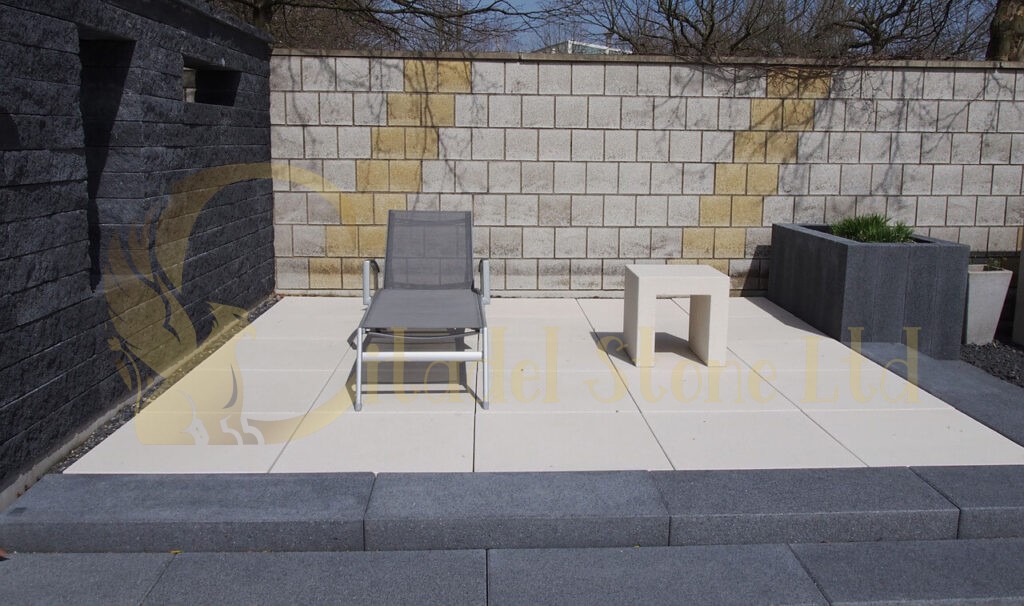
We supply cheap slabs to customers throughout Arizona and the United States.
Are you looking to upgrade your flooring with high-quality stone slabs, but worried about the cost? Look no further than Citadel Stone, where we offer affordable and competitive prices on a wide selection of stone slabs.
In this article, we’ll explore the benefits of choosing Citadel Stone for your stone slab needs and how we make it easy and affordable for customers in Arizona and throughout the United States.
Why Choose Citadel Stone?
At Citadel Stone, we pride ourselves on providing top-quality stone slabs at competitive prices. We understand that upgrading your flooring can be a significant investment, and we want to make it as affordable as possible for our customers.
Affordable White Floor Tiles
One of our most popular options is our affordable white floor tiles. These tiles are perfect for creating a clean and modern look in any space. These cheap slabs are made from high-quality materials and are designed to withstand heavy foot traffic, making them a durable and long-lasting choice for your flooring needs.
We offer a variety of sizes and styles of white floor tiles, so you can find the perfect fit for your space and budget. Our team is also available to assist with any questions or concerns you may have about our white floor tiles, ensuring you make the best choice for your home or business.
Cheap Stone Floor Tiles
In addition to our white floor tiles, we also offer a wide selection of cheap stone floor tiles. These tiles come in a variety of colors and patterns, allowing you to create a unique and stylish look for your flooring.
Our cheap slabs are made from high-quality materials and are designed to withstand wear and tear, making them a practical and cost-effective choice for any space. We also offer competitive prices on our stone floor tiles, making it easy for you to upgrade your flooring without breaking the bank.
Competitive Granite Slabs
For a more luxurious and durable option, we also offer competitive granite slabs. Our granite slabs are perfect for creating a high-end look in any space, and our competitive prices make it accessible for customers on a budget.
We offer a variety of colors and patterns of granite slabs, so you can find the perfect fit for your space and style. Our team is also available to assist with any questions or concerns you may have about our cheap paving slabs, ensuring you make the best choice for your flooring needs.
How Do We Keep Our Prices Affordable?
At Citadel Stone, we understand that affordability is a top priority for our customers. That’s why we have implemented several strategies to keep our prices competitive and affordable.
Direct Sourcing
One of the ways we keep our prices low is by directly sourcing our stone slabs from quarries around the world. This eliminates the middleman and allows us to offer our customers the best prices on high-quality stone slabs.
Efficient Operations
We also have efficient operations in place to ensure that our costs are kept to a minimum. Our stone slabs are stored in a large warehouse, allowing us to purchase in bulk and pass on the savings to our customers. We also have a streamlined ordering and delivery process, ensuring that our customers receive their stone slabs in a timely and cost-effective manner.
Competitive Pricing Strategy
At Citadel Stone, we believe in fair and competitive pricing. We regularly review our prices to ensure that we are offering the best value to our customers. We also offer discounts and promotions throughout the year, making it even more affordable for our customers to upgrade their flooring with our stone slabs.
How Do We Make It Easy for Customers in Arizona and the United States?
At Citadel Stone, we want to make the process of purchasing and receiving our stone slabs as easy and convenient as possible for our customers in Arizona and throughout the United States.
Online Ordering
We offer online ordering through our website, making it easy for customers to browse our selection of stone slabs and place an order from the comfort of their own home. Our website is user-friendly and provides detailed information about each of our products, allowing customers to make an informed decision about their purchase.
Nationwide Shipping
We offer nationwide shipping for our stone slabs, making it easy for customers in any state to receive our products. Our shipping rates are competitive, and we work with reliable carriers to ensure that our stone slabs arrive safely and on time.
Local Pickup
For customers in Arizona, we also offer the option of local pickup. This allows customers to save on shipping costs and pick up their stone slabs directly from our warehouse. Our team is available to assist with loading and securing the stone slabs, making the pickup process quick and easy.
Real-World Examples of Our Affordable Stone Slabs
At Citadel Stone, we have helped numerous customers in Arizona and throughout the United States upgrade their flooring with our affordable stone slabs. Here are a few examples of our satisfied customers:
Residential Kitchen Remodel
A family in Arizona was looking to upgrade their outdated kitchen with a more modern and durable flooring option. They chose our affordable white floor tiles and were able to transform their kitchen into a sleek and stylish space without breaking their budget.
Commercial Office Space
A business in California was in need of a new flooring solution for their office space. They wanted something that was both professional and cost-effective. They chose our cheap stone floor tiles and were able to create a sophisticated and functional space for their employees and clients.
Luxury Hotel Lobby
A hotel in New York City was undergoing renovations and wanted to upgrade their lobby with a high-end flooring option. They chose our competitive granite slabs and were able to create a luxurious and elegant space for their guests to enjoy.
Who Can Benefit from Our Affordable Stone Slabs?
At Citadel Stone, we believe that everyone should have access to high-quality and affordable stone slabs. Our products are suitable for a variety of spaces and purposes, including:
- Residential homes
- Commercial buildings
- Hotels and resorts
- Restaurants and cafes
- Retail stores
- And more!
Takeaways
At Citadel Stone, we are committed to providing our customers in Arizona and throughout the United States with affordable and competitive prices on high-quality stone slabs. With our efficient operations, direct sourcing, and competitive pricing strategy, we make it easy and affordable for customers to upgrade their flooring with our stone slabs. Contact us today to learn more about our products and how we can help you achieve your flooring goals.

Transform Your Space with Stone Wall Tiles
Are you looking to add a touch of elegance and sophistication to your home? Look no further than stone wall tiles. These versatile and easy-to-use tiles can transform any space into a stunning and unique feature. In this article, we will explore the different types of stone wall tiles and how you can use them to elevate your home decor.
Types of Stone Wall Tiles
There are various types of stone wall tiles available in the market, each with its own unique characteristics and benefits. Some popular options include marble, slate, travertine, and granite. Marble tiles are known for their luxurious and timeless look, while slate tiles offer a more rustic and natural feel. Travertine tiles have a warm and earthy appearance, and granite tiles are durable and perfect for high-traffic areas.
Peel and Stick Stone Wall Tiles
One of the easiest and most cost-effective ways to add stone wall tiles to your space is by using peel and stick tiles. These tiles come with a self-adhesive backing, making them easy to install without the need for any special tools or adhesives. Simply peel off the backing and stick the tiles onto a clean and flat surface. This makes them a great option for DIY projects and renters who want to add a touch of personalization to their space without making permanent changes.
Versatility in Design
Stone wall tiles offer endless possibilities when it comes to design. They can be used in a variety of ways to create different looks and styles. For a classic and elegant look, consider using marble tiles in a herringbone pattern. For a more modern and edgy feel, opt for slate tiles in a stacked pattern. You can also mix and match different types of stone tiles to create a unique and personalized design.
Easy Maintenance
Stone wall tiles are not only beautiful but also easy to maintain. They are resistant to stains, scratches, and water, making them a great option for high-traffic areas like kitchens and bathrooms. Simply wipe them down with a damp cloth or use a mild cleaner to keep them looking like new. This makes them a practical and long-lasting choice for any home.
Budget-Friendly
Stone wall tiles may seem like a luxurious and expensive option, but they can actually be quite budget-friendly. Peel and stick stone wall tiles are a cost-effective alternative to traditional stone tiles, and they offer the same stunning look and durability. They also require minimal installation costs, as they can be easily installed without the need for professional help.
Elevate Your Space with Stone Wall Tiles
Whether you want to add a statement wall in your living room or give your bathroom a spa-like feel, stone wall tiles are the perfect solution. With their versatility, easy maintenance, and budget-friendly options, they are a great way to transform any space into a stunning and unique feature. So why wait? Start exploring the different types of stone wall tiles and elevate your home decor today!
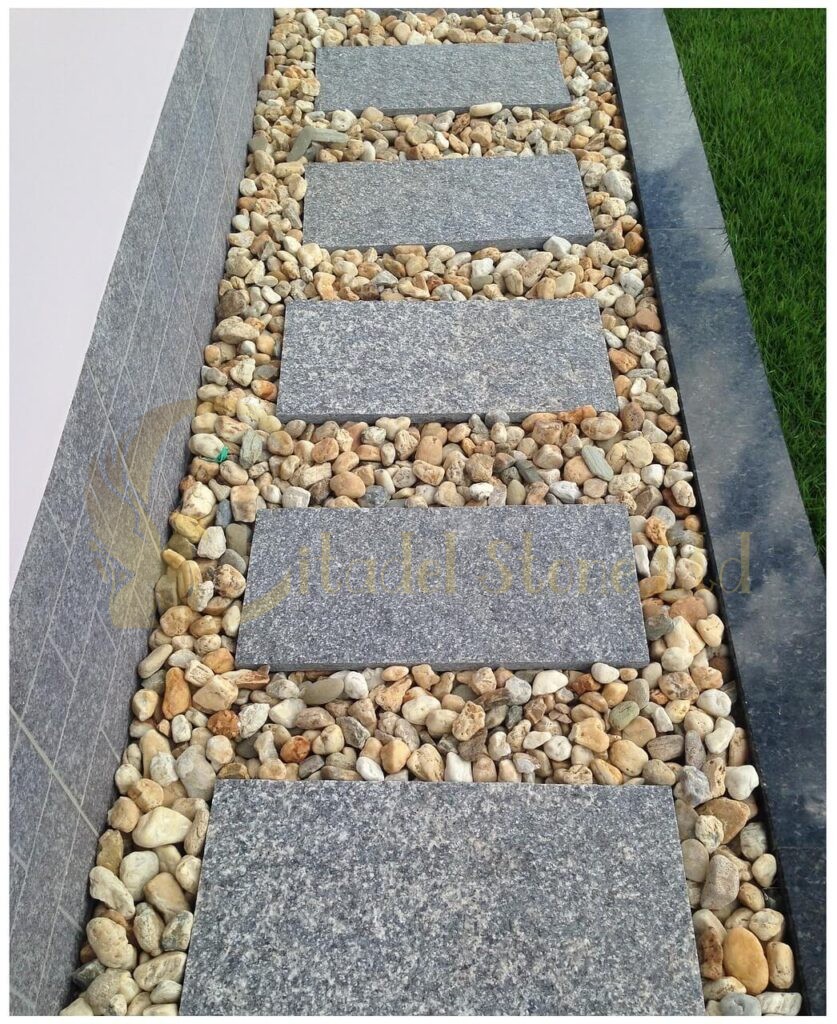
Enhance Your Outdoor Space with Flagstone Pavers
When it comes to creating a beautiful outdoor space, the right materials can make all the difference. Flagstone pavers are a popular choice for homeowners looking to enhance their outdoor aesthetics. These pavers offer a natural and rustic look, while also providing durability and versatility. In this article, we will explore the benefits of using pavers that look like flagstones and how they can enhance your outdoor space.
What are Flagstone Pavers?
Flagstone pavers are natural stones that are cut into flat, irregular shapes. They are typically made from sandstone, limestone, or slate and are known for their unique and natural appearance. These pavers are available in a variety of colors, sizes, and thicknesses, making them a versatile choice for any outdoor space.
Versatility
One of the biggest advantages of using flagstone pavers is their versatility. They can be used in a variety of outdoor spaces, including patios, walkways, driveways, and pool decks. Their natural and rustic look can complement any landscape design, from traditional to modern. Additionally, flagstone pavers can be easily cut and shaped to fit any space, making them a great choice for irregularly shaped areas.
Durability
Flagstone pavers are known for their durability and can withstand heavy foot traffic and harsh weather conditions. They are also resistant to cracking and chipping, making them a long-lasting option for your outdoor space. With proper installation and maintenance, flagstone pavers can last for decades, making them a cost-effective choice for homeowners.
Easy Maintenance
Maintaining flagstone pavers is relatively easy. They can be swept or hosed down to remove dirt and debris. If any stains occur, they can be easily removed with a mild detergent and water. Additionally, if any pavers become damaged, they can be easily replaced without disrupting the entire surface.
Cost-Effective
Compared to other outdoor paving options, flagstone pavers are a cost-effective choice. They are readily available and can be purchased at a reasonable price. Additionally, their durability and low maintenance needs make them a cost-effective long-term investment for your outdoor space.
Conclusion
Flagstone pavers are a great choice for enhancing your outdoor space. They offer versatility, durability, and easy maintenance. Hence, these features make them a popular choice among homeowners. Whether you choose natural flagstone pavers or pavers that look like flagstone, they are sure to add a touch of natural beauty to your outdoor space.