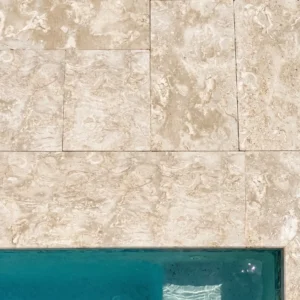
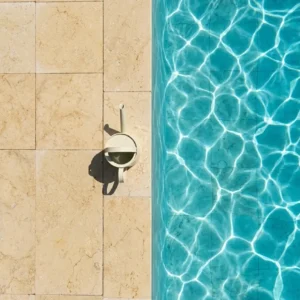
Your Yard Style Shapes the Design Decision
Flagstone walkway ideas work best when the stone’s character — its color range, edge profile, and joint spacing — mirrors the surrounding landscape rather than fighting it. A rustic irregular layout feels completely at home threading through a cottage garden, but that same casual approach can look unfinished when it borders a contemporary facade with clean geometric lines. The gap between a walkway that elevates a yard and one that simply occupies it comes down to how deliberately you match the stone’s personality to the space it inhabits.
Your material choice drives that alignment more than any other variable. Flagstone covers a wide family of sedimentary and metamorphic stones — limestone, bluestone, sandstone, quartzite — each with its own surface texture, color saturation, and natural cleft depth. Understanding which material fits your yard style before you commit to a layout pattern is the decision that determines whether you’re planning a 15-year installation or a 25-year one.
Irregular Flagstone Path Ideas for Naturalistic Settings
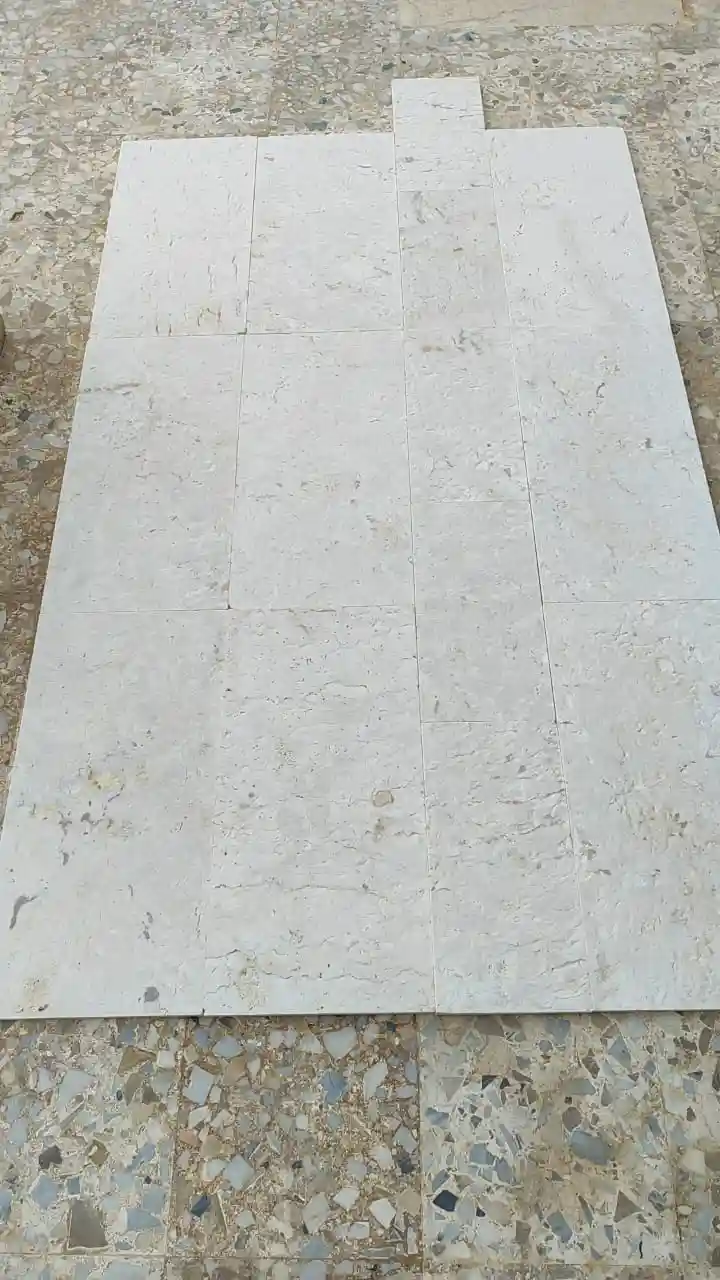
Naturalistic yards — those with flowing garden beds, mixed plantings, and organic shapes — respond best to irregular flagstone path ideas built from hand-selected pieces with varying dimensions. The randomness is actually a design asset here, not a compromise. Working with the stone’s natural break lines rather than cutting against them keeps material waste low and gives the finished path a grounded, permanent look.
Joint width matters more than most people realize in this style. Aim for joints between 1 and 2.5 inches and fill them with either polymeric sand or low-growing ground cover. Wider joints invite creeping thyme or moss and create a walkway that reads as part of the planting scheme. Tighter joints with sand give you a cleaner edge that still reads as casual. According to ASLA natural stone walkway and stepping stone design guidance, permeable joint systems in natural stone paths also reduce surface runoff — a practical benefit that complements the naturalistic aesthetic.
- Select pieces with at least one naturally straight edge for the path’s outer boundary — it anchors the layout without a formal border
- Vary thickness within a 1.5- to 2.5-inch range for visual depth, but keep bottom faces level during setting
- Stagger joints like a dry-stack wall — no four-corner intersections that can loosen under foot traffic
- Pre-lay the entire run dry before committing to mortar or compacted base — flagstone pavers always look different once they’re on the ground
Cut Flagstone Sidewalk Ideas for Formal and Contemporary Yards
Formal yards, modern architecture, and symmetrical landscaping demand a different discipline. Cut flagstone sidewalk ideas in rectangular or square formats — typically 24×24 inches or 18×36 inches — deliver the clean geometry those settings require without sacrificing the warmth that only natural stone provides. The tight, consistent joints read as intentional precision rather than casual randomness.
Bluestone and dense limestone are the go-to materials for this treatment. Both take clean saw cuts without edge chipping, hold their color saturation through years of weathering, and provide the surface uniformity needed for tight 3/8-inch joints. ADA walkway surface firmness and accessibility standards also reward this format — consistent joint widths and flat surfaces reduce trip hazards and meet accessibility requirements more reliably than irregular layouts.
Finish selection matters here too. A honed surface reads as refined and contemporary. A natural cleft — even on a cut-format stone — adds just enough texture to feel less institutional while maintaining the geometric precision the yard style calls for.
Flagstone Pathway Ideas for Sloped and Challenging Grades
Sloped yards introduce a structural dimension to flagstone pathway ideas that flat sites never require you to consider. Every 1-inch rise over a 12-inch run shifts the drainage equation and changes how foot traffic loads the stone surface. On grades steeper than 5%, base preparation becomes the most critical element of the entire project — not the stone selection.
A minimum 6-inch compacted aggregate base is standard for flat installations, but sloped runs need 8 inches minimum with a road base or crushed angular aggregate that locks under compaction. Rounded river gravel will migrate under load on a slope, regardless of how well it was initially packed. Stepping stones on steep grades should also be pitched back 1 to 2 degrees into the slope so water sheds away from the tread surface rather than pooling at the riser face.
- Install a landscape fabric barrier between native soil and aggregate base on slopes with clay content above 30% — clay migrates upward under freeze-thaw pressure
- Cap the downhill edge with a cut stone riser or embedded edging stone to prevent base migration
- Space flagstone treads at 18 to 22 inches on center — human stride length, not aesthetic preference, drives this number
- Mortar-set rather than dry-lay any flagstone pathway ideas on slopes exceeding 8% grade
Storm Durability and Edge Integrity in Flagstone Layouts
Here’s what separates a well-specified flagstone walkway from one that requires reset work after the first major storm season: edge restraint and joint integrity under mechanical stress. Wind-driven rain doesn’t just wet the surface — it penetrates joints, saturates the base aggregate, and if drainage is inadequate, creates hydrostatic pressure that works flagstone pieces upward from below. A walkway that looks perfect in dry conditions can shift 3/8 inch laterally after a severe weather event if the edge restraint system wasn’t designed for it.
Hail and heavy debris impact also deserve attention during material selection. Dense, fine-grained flagstones — bluestone, quartzite, hard limestone — resist surface impact better than softer sandstone varieties. According to flagstone sedimentary rock characteristics and paving use, the grain structure of the parent rock directly determines surface hardness and resistance to mechanical abrasion and impact. Prioritize material density ratings alongside aesthetic considerations, particularly in regions where severe storm events are seasonal.
Edge stones along the walkway perimeter need to be set in mortar or secured with steel landscape edging buried at least 6 inches deep. A polymeric sand joint fill — rather than standard silica sand — also resists washout under wind-driven rain and maintains joint stability through repeated wet-dry cycles. Citadel Stone pathway stone tones span dense limestone and quartzite options selected specifically for this kind of long-term joint and surface integrity.
Flagstone Walkway Ideas for Front Yard Entry Approaches
Entry walkways carry different functional demands than backyard paths — they handle daily traffic from hard-soled shoes, delivery carts, and strollers, and they need to perform without resetting for 15-plus years. Flagstone walkway ideas for entry approaches should prioritize stone thickness (2 inches minimum, 2.5 inches preferred for heavy use) and surface finish over decorative variety.
The width decision is also more consequential here. A 36-inch-wide walk feels comfortable for one person but forces guests to step onto the grass when two people pass. Forty-eight inches handles two-person passage comfortably and gives you more visual weight at the entry — which matters when the walkway is the first design statement your yard makes. For flagstone pavers in entry applications, natural cleft surfaces with an SCOF (static coefficient of friction) rating above 0.6 are recommended. The CDC slip-and-fall prevention guidelines for outdoor walking surfaces identify surface texture as the primary variable in pedestrian safety on natural stone.
Material Selection and Color Pairing
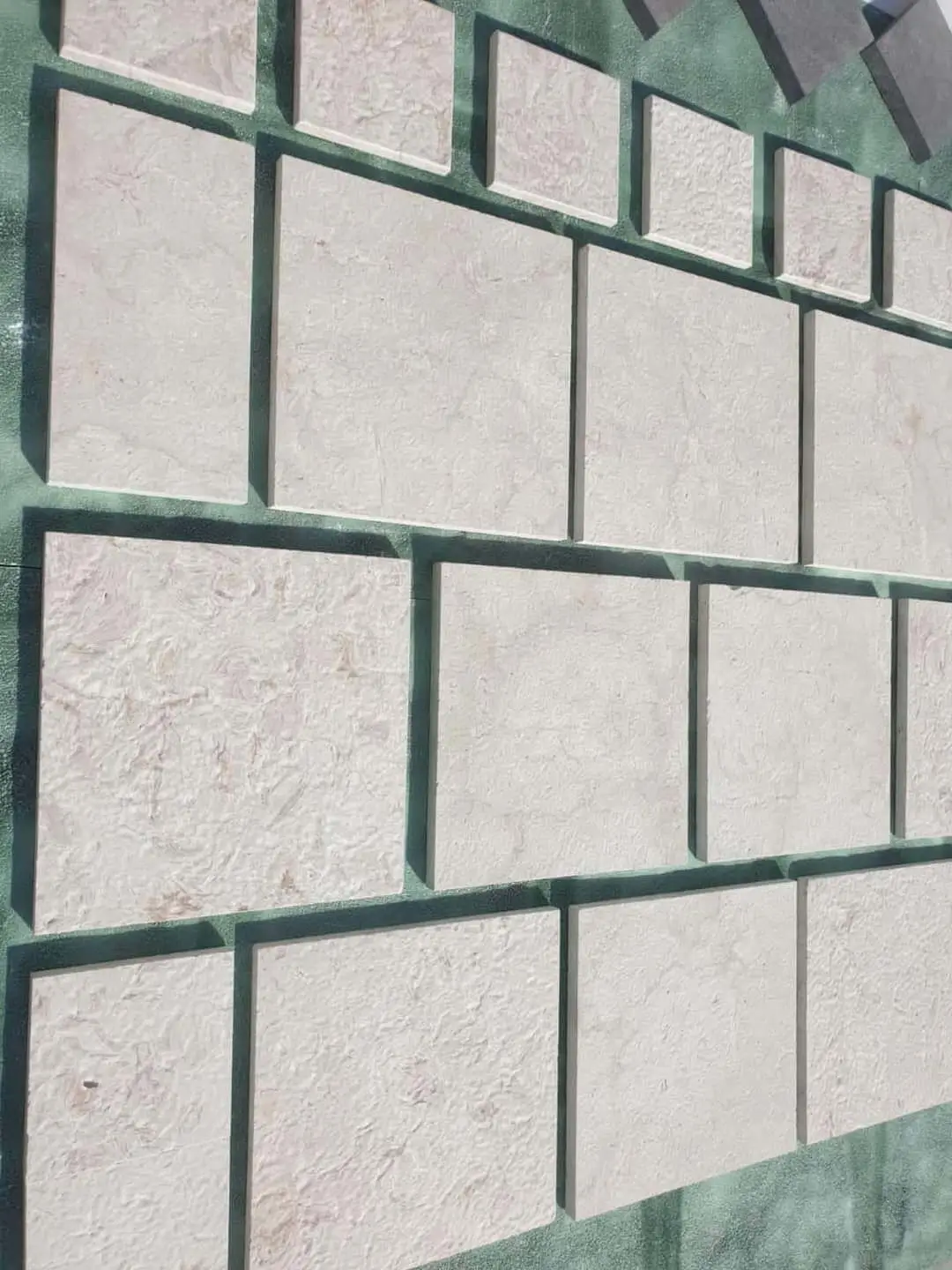
The stone’s color palette interacts with existing hardscape, plantings, and architecture in ways that are difficult to predict from a sample chip. Evaluate the stone in its full run — not just a single piece — because natural flagstone carries color variation across a quarry pull that can be significant. At Citadel Stone, we inspect incoming stock lot by lot to characterize the full color range before it ships, which helps you make a confident material call without surprises on delivery.
Natural flagstone pavers in warmer tan and buff tones pair well with red-brick structures and warm-toned exterior paint. Cooler grey and charcoal flagstone — bluestone in particular — complements contemporary cement-board siding, white trim, and stainless fixtures. Mixed-tone flagstone with brown, gold, and rust streaks suits transitional yard styles that bridge traditional and modern elements. Your color decision should also account for how the stone reads wet versus dry — some stones, particularly darker limestone and quartzite, shift dramatically in tone after rain, which changes how the walkway integrates visually with wet-season planting colors.
- Order full-pallet samples or request a quarry slab photo before finalizing color selection on large projects
- Evaluate stone color against your home’s exterior in natural light at multiple times of day
- Consider how joint color — polymeric sand comes in buff, charcoal, and beige — affects the overall palette
- Account for color shift with sealer application — penetrating sealers enhance depth, topical sealers add gloss that changes the surface read significantly
Base Preparation and Setting Methods
USGS dimension stone data consistently identifies improper base preparation as the leading cause of natural stone paving failure — and flagstone is no exception. The aggregate base needs to be compacted in two 4-inch lifts using a plate compactor, not a tamper, to achieve the 95% compaction density that prevents settlement under live load. A single 8-inch uncompacted pour will look fine for six months and then fail unevenly as it consolidates under foot traffic.
Flagstone pavers set in a dry-sand bed work well for low-traffic garden paths, but entry walks and primary access routes should be set in a mortar bed over a concrete slab or compacted aggregate with a thin mortar bond coat. The mortar bed approach prevents individual stones from rocking under load — a critical detail for edge stones that take lateral stress from footwear impact. Review the USGS flagstone and dimension stone paving data for context on how base failure patterns distribute across installation types. Citadel Stone’s technical team can advise on setting method selection based on your traffic volume and base soil classification — verify warehouse stock and lead times when you confirm your material specification, as natural stone lot availability can affect project scheduling by one to three weeks.
Getting Your Flagstone Walkway Specifications Right
The flagstone walkway ideas that hold up over decades share a common foundation: material choice matched to yard character, base preparation engineered for the actual load and grade, and edge and joint detailing specified for weather resilience — not just dry-day aesthetics. Getting the stone right means understanding its grain density, color range across a full pallet, and finish texture before setting a single piece.
Your layout pattern — irregular for naturalistic settings, cut-format for formal and contemporary yards, stepped and mortar-set for slopes — should follow the yard’s existing geometry rather than impose a new one. For detailed guidance on setting methods, base specifications, and long-term maintenance, flagstone walkway construction and longevity provides a practical technical reference that complements the design decisions outlined here. Stone for nationwide projects at Citadel Stone spans tight-jointed cut shapes and rustic irregular pieces to match any yard aesthetic.
Related reading: install flagstone patio · flagstone walkway installation · color of flagstone.