Why Decomposed Granite Fails — The Real Mechanisms
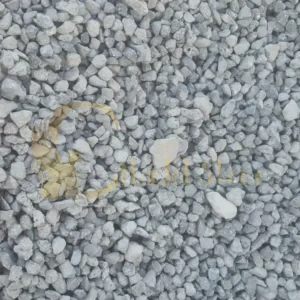
Decomposed granite problems don’t start at the surface — they start beneath it. The most persistent failures trace back to base preparation that underestimated fines migration, where the fine particles in unstabilized DG work downward into the subgrade under foot traffic and irrigation, leaving the surface layer loose and prone to displacement. Understanding this mechanism changes how you approach every repair decision.
DG is a naturally porous, angular material that relies on particle interlock for stability. That interlock degrades when moisture infiltrates the base without a proper drainage layer underneath, or when the material was placed too thin to maintain compaction under load. You’ll see this play out as rutting, washouts near grade transitions, and soft spots that form within the first season of use.
Erosion and Surface Washout After Rain
Surface erosion is the complaint most property owners notice first — usually after a heavy rain event strips the top layer and deposits a muddy slick at the low point of the path. What you’re seeing is the natural result of unstabilized fines responding to sheet flow. Without a polymeric or resin-based stabilizer, the fine particles that give DG its compactable quality are the same ones that migrate under hydraulic pressure.
Slope is a major variable here. Grades above 3–4% accelerate erosion dramatically on unstabilized decomposed granite. You’ll want to install cross-slope drainage breaks — a simple trench filled with compacted aggregate — every 12 to 15 linear feet on runs that exceed that grade threshold. On steeper sections, switching to stabilized DG or a different bound surface entirely is the more defensible specification choice. According to ASLA permeable surface guidance, proper base grading and drainage integration are foundational requirements for any granular paving material in outdoor applications.
Depth matters as much as stabilization. A 3-inch compacted layer of DG over a prepared base handles typical pedestrian loads reliably. Drop below 2 inches and you’re essentially spreading gravel — it won’t hold interlock under even moderate use.
Dust, Tracking, and Loose Surface Material
Dry-climate decomposed granite problems often center on dust generation and material tracking into structures. The same fines that erode in wet conditions become airborne in dry ones. This is a real frustration for residential pathways near entrances, where DG dust deposits on hard flooring become a maintenance burden within weeks of installation.
- Stabilized DG binds fines with a polymer or organic resin additive, reducing dust generation by keeping particles locked together even when dry
- A non-woven geotextile barrier beneath the DG layer prevents subgrade mixing without impeding drainage
- Regular light irrigation — not soaking — can suppress dust on unstabilized surfaces in dry periods without triggering erosion
- Decomposed granite placed against a structure needs a positive grade away from the foundation to prevent tracking pathways
The tracking problem is compounded when DG is installed without a solid edge restraint. Material migrates laterally as well as downward, spreading onto adjacent hard surfaces and creating a perpetual cleanup cycle. Steel, aluminum, or concrete edging set flush with the compacted DG surface eliminates most of this lateral movement.
Compaction Failure and Soft Spots
Soft spots in an established DG surface usually mean one of two things: the subgrade was never properly compacted during installation, or organic material — roots, decomposing vegetation — has created voids beneath the surface layer. Both manifest similarly underfoot, but the repair approach differs significantly.
For subgrade-related soft spots, the fix requires excavating to native soil, removing any organic contamination, and recompacting with a plate compactor before replacing the decomposed granite layer. You can’t address this problem from the surface alone — adding fresh material on top of a compromised base just delays the next failure cycle. Field experience consistently shows that projects cut short on base preparation time are the ones that generate callback work within two seasons.
- Probe soft spots with a steel rod before excavating — depth of penetration tells you whether the issue is surface-deep or subgrade-level
- Compaction targets for DG subbase typically fall between 90–95% standard Proctor density
- Root intrusion from nearby trees requires physical barrier installation before backfilling, not just root removal
- Organic debris left in the base layer continues to decompose post-installation, creating progressive settlement
Cost Factors and Sourcing Decisions That Affect Repair Budgets
Material cost for DG repairs is relatively modest on a per-ton basis — the real budget variable is freight distance and labor allocation. In areas far from quarry sources, the cost of hauling bulk DG can exceed the material cost itself, which shifts the economic calculus toward stabilized DG even when the upfront premium feels high. A stabilized product that lasts 8–10 years without resurfacing beats two cycles of unstabilized material and the associated labor within the same window.
For repair projects specifically, you’re rarely dealing with full-depth replacement across the entire surface. Targeted excavation and recompaction of failed zones, followed by matched DG material, is the standard approach. The challenge is matching the color and gradation of aged decomposed granite on-site — fresh material typically runs lighter until it weathers in, which can create visible patches. Sourcing from the same quarry or supplier used originally minimizes this mismatch. You can explore stabilized DG at Citadel Stone to evaluate material options and gradations that match common field specifications before committing to a repair order.
Labor-to-material ratios for DG repairs skew heavily toward labor, often running 3:1 or higher on small patch jobs. This makes mobilization cost a significant factor — batching multiple repair zones into a single crew day reduces your per-square-foot cost considerably. For larger-scale repairs, regional pricing dynamics on equipment rental (plate compactors, skid steers for excavation) add another variable worth building into your estimate early.
Weed Growth Through DG Surfaces
Weed intrusion is one of the most consistent decomposed granite problems on established surfaces, and it frustrates property owners who assumed the material’s dry, granular nature would inhibit growth. The reality is that DG provides exactly what weed seeds need — mineral soil, good drainage, and open air space at the surface. Wind-deposited seeds germinate in the surface layer even when the DG itself is technically weed-free.
A non-woven geotextile fabric installed beneath the DG layer blocks upward root migration from the subgrade but doesn’t prevent surface-germinating weeds. For those, pre-emergent herbicide applied in early spring and again in late summer addresses the two primary germination windows without compromising the DG surface. Avoid post-emergent herbicides with soil-sterilant chemistry on DG pathways — they can create hydrophobic zones that concentrate surface runoff and accelerate erosion at those points. The Natural Stone Institute’s granite durability standards reinforce the importance of surface preparation and maintenance protocols for granular granite-based materials in outdoor applications.
Stabilizer Options and When to Use Them
Choosing the right stabilizer is where many DG projects either succeed long-term or enter a cycle of annual repairs. Three main stabilizer categories are in regular field use: polymer-modified DG (pre-blended at the plant), on-site applied liquid stabilizers, and organic binders derived from tree resin compounds.
- Pre-blended polymer DG offers the most consistent coverage and is the preferred spec for commercial pathways and high-traffic residential applications
- Liquid stabilizers applied on-site work well for repair scenarios where matched material is already in place — spray application penetrates 1.5–2 inches into an existing surface
- Organic resin binders are a lower-VOC option gaining traction on projects with environmental sensitivity requirements
- Standard unstabilized DG remains appropriate for low-traffic, rural, or naturalistic settings where annual top-dressing is acceptable maintenance
The application temperature window matters for liquid stabilizers — below 45°F, most polymer stabilizers don’t cure properly and will remain tacky or fail to bind. Plan your repair schedule around this constraint, particularly in freeze-thaw regions where the shoulder seasons create a narrow viable window. According to ASTM dimension stone and aggregate testing standards, material consistency and installation condition requirements directly affect long-term performance outcomes for granular construction materials.
Edge Restraint Failures and Lateral Spread
DG surfaces without adequate edge containment spread laterally over time, thinning toward the perimeter and depositing material on adjacent surfaces. This is a slow-moving failure mode that accelerates during freeze-thaw cycles, where frost heave lifts and loosens the edge zones first.
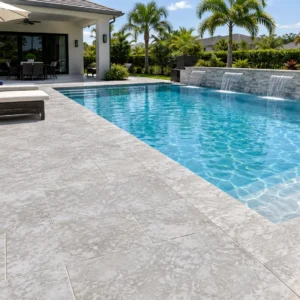
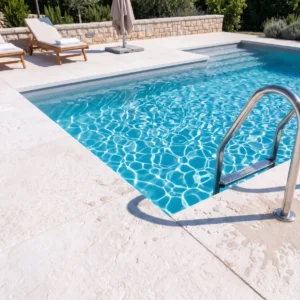
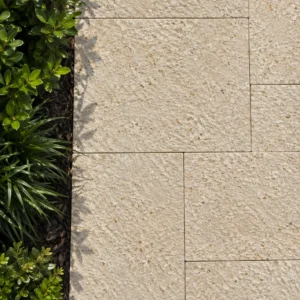
Steel edging at 3/16-inch thickness, staked at 24-inch intervals, is the minimum specification for paths carrying regular foot traffic. Aluminum edging is acceptable for purely ornamental or low-traffic applications but flexes under vehicle loads and shouldn’t be used on decomposed granite driveways or parking surfaces. Concrete or stone header courses provide the most robust edge restraint and also read well aesthetically — a 4-inch-wide concrete mow strip or a course of natural stone pavers along the path perimeter integrates the DG into the broader hardscape while solving the lateral migration problem permanently.
Final Recommendations for Decomposed Granite Problems
Getting decomposed granite problems under control comes down to diagnosing which failure mode you’re actually dealing with before ordering repair material. Erosion, compaction failure, dust generation, and weed intrusion each have distinct root causes and distinct fixes — conflating them leads to repeated repairs that address symptoms rather than the underlying issue. Your first step on any problem surface should be a probe test and a drainage assessment, not a material order.
Sourcing matched material for repairs is easier when you work with a national supplier who maintains warehouse inventory rather than relying on locally available stock that may differ in gradation or color. Citadel Stone maintains consistent DG inventory and can provide technical guidance on stabilizer compatibility before you commit to a repair approach. For projects where you’re also considering adjacent crushed granite pathway work, crushed granite pathway installation covers the base preparation and compaction sequencing that prevents the failures described here from occurring in the first place. Re-grading and adding a stabilizer binder are among the most effective corrective steps for eroding DG surfaces, options that Citadel Stone can help buyers evaluate before reordering material.
Related reading: granite rock · granite countertop cost breakdown · leathered vs polished granite.