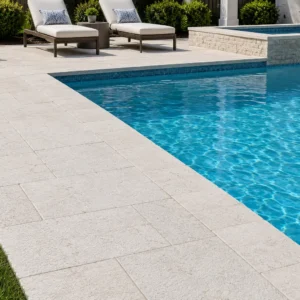
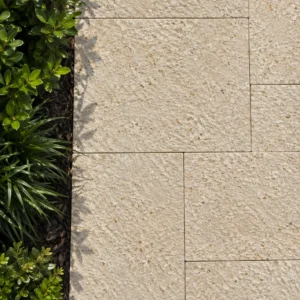
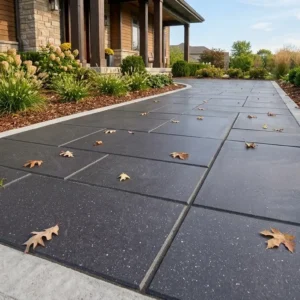
Option 1 — Local Stone Yards & Landscape Suppliers (Small-Order Friendly)
Why it’s budget-friendly
Local stone yards offer unbeatable advantages for DIYers willing to pick up materials themselves. By eliminating freight costs that can add $200-500 to small orders, you immediately save 15-25% on total project costs. Many local suppliers also offer pickup discounts of 5-10% since they save on delivery labor and scheduling.
Small landscape suppliers often stock basic stone materials without the overhead costs of large showrooms and sales teams. This translates to better pricing on popular DIY materials like flagstone, fieldstone, and standard pavers.
How to negotiate: ask about remnant slabs, end-of-season discounts, and pallet deals
Smart DIYers know to ask about materials sitting in inventory too long. Remnant slabs from commercial jobs often get steep discounts after 30-60 days. End-of-season clearance (typically October-November) can yield 20-40% savings on outdoor materials as suppliers clear inventory before winter.
Pallet deals work well for larger projects—buying full pallets eliminates picking and handling labor, often earning 10-15% discounts. Even if you don’t need an entire pallet, partnering with neighbors or local contractors can make these deals work.
Typical best uses
Local yards excel for straightforward outdoor projects where standard materials work well. Flagstone patios, natural fieldstone borders, and basic paver driveways represent sweet spots for local sourcing. These projects don’t require exotic materials or precise fabrication, making local inventory perfectly adequate.
Option 2 — Reclaimed & Salvage Stone Suppliers
Why reclaimed is cost-effective and sustainable
Reclaimed stone for DIY projects offers dramatic cost savings—typically 40-70% less than new materials—while providing unique character impossible to replicate with new stone. Salvage suppliers source from building demolitions, landscape renovations, and overstock situations, passing savings to buyers.
The sustainability angle appeals to environmentally conscious DIYers while the authenticity and weathered appearance add instant character to projects. Many reclaimed stones are actually higher quality than modern alternatives, sourced from older buildings when quarrying standards were more stringent.
Order your stones today from a reliable stone supplier and get started!
What to inspect on arrival
Reclaimed materials require careful inspection since returns are typically impossible. Check for structural integrity by tapping stones—solid rings indicate good condition while hollow sounds suggest hidden cracks. Examine previous mortar residue and determine if removal is feasible for your project needs.
Measure thickness variations since reclaimed stones often lack uniformity. This affects installation complexity and may require adjusted base preparations. Document any damage with photos before accepting delivery to avoid disputes later.
Best DIY uses and adaptation tips
Reclaimed stone works beautifully for accent walls, garden borders, and rustic patios where weathered character enhances the design. Avoid structural applications unless you can verify load-bearing capacity through professional testing.
Embrace imperfections as design features rather than flaws. Vary sizes and textures to create organic patterns that highlight the reclaimed material’s unique history and character.
Option 3 — Wholesale Cutoffs & Remnant Slabs (Fabricator Overstock)
How to find remnant slabs and cutoffs from fabricators and showrooms
Granite and quartz fabricators generate substantial waste from large slabs after cutting countertops and vanities. These remnants often exceed DIY project requirements while selling for 50-80% below new slab prices. Call local fabricators directly and ask about remnant availability—many maintain informal inventory lists.
Showrooms periodically clear discontinued samples and damaged display pieces at steep discounts. Visit showrooms during inventory clearance periods, typically quarterly, to find premium materials at budget prices.
Price vs size tradeoffs and transport tips
Remnants require flexibility in design since available sizes drive project dimensions rather than the reverse. Measure carefully and create designs that maximize remnant utilization while minimizing waste.
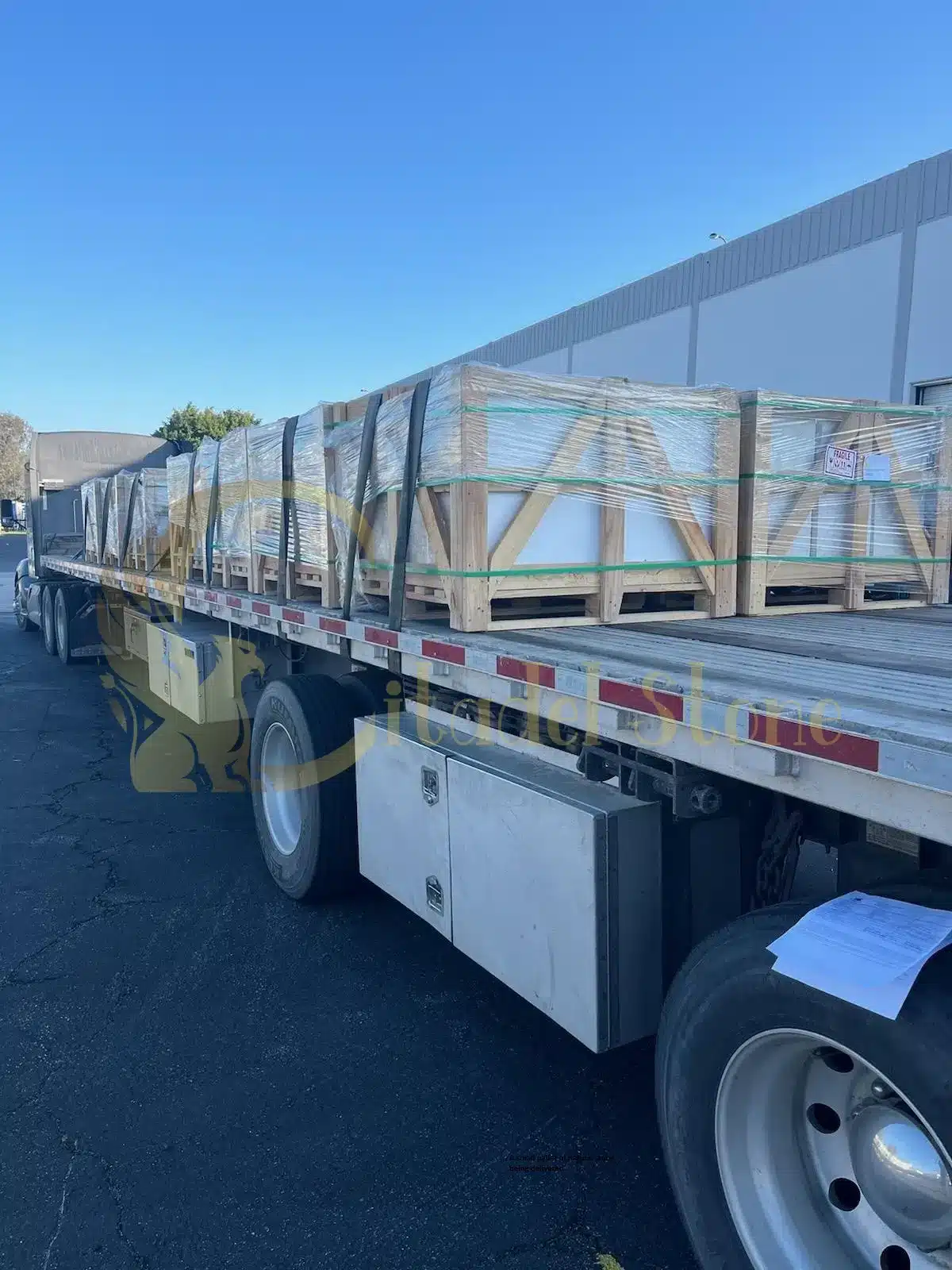
Transportation becomes critical for heavy slabs. Rent or borrow slab lifters and recruit helpers for safe handling. Most fabricators can load materials with forklifts, but unloading requires planning and appropriate equipment.
Good DIY uses
Remnant slabs excel for smaller countertops, bathroom vanities, step treads, and accent wall panels. The premium materials and polished finishes deliver luxury appearance at budget prices when sized appropriately.
Consider modular designs using multiple smaller pieces rather than single large slabs. This approach often costs less and provides installation flexibility for DIY skill levels.
Explore the architectural appeal of materials from your natural stone supplier.
Option 4 — Online Marketplaces & Classifieds (Cautions & Wins)
Platforms to check — emphasize vetting sellers
Online marketplaces like Facebook Marketplace, Craigslist, and specialized stone surplus sites can yield exceptional deals from contractors clearing inventory or homeowners selling leftover materials. However, buyer beware—thorough vetting prevents costly mistakes.
Legitimate wholesale stone for DIY suppliers maintain consistent inventory and professional communication. Be suspicious of deals that seem too good to be true or sellers reluctant to provide detailed information and references.
Questions to ask sellers and what photos/specs to request
Demand multiple high-resolution photos showing overall condition, close-up surface details, and edge quality. Request specific measurements, thickness specifications, and quantity verification. Ask about the material’s origin, age, and previous use to assess suitability for your project.
Verify the seller’s legitimacy through references from previous buyers or evidence of professional operations. Reputable sellers willingly provide material specifications, pickup logistics, and quality guarantees.
Shipping and returns realities for DIY orders
Most online stone deals require buyer pickup since shipping costs often exceed savings. Factor transportation time and costs into total project budgets. Returns are typically impossible, making thorough evaluation before purchase essential.
Plan pickup timing carefully since most sellers can’t store materials indefinitely. Have transportation and unloading resources arranged before committing to purchases.
Get a sneak peek of our new collections coming from Natural Stone Suppliers.
Option 5 — Bulk Landscape Supply & Pavers Outlets (Budget Pavers & Aggregates)
When bulk pavers beat cut stone on price
Large patio and driveway projects often benefit from manufactured pavers rather than cut natural stone. Bulk paver pricing can be 30-50% less expensive than natural alternatives while offering consistent sizing that simplifies installation.
Calculate total installed costs including base preparation, which often favors pavers due to their uniform thickness and interlocking design. The time savings during installation can offset material cost differences for DIY projects.
Delivery and staging advice to save demurrage/double-handling fees
Coordinate delivery timing with project schedules to minimize storage duration and handling requirements. Most suppliers charge demurrage fees for extended delivery vehicle time, typically after 30-60 minutes of unloading time.
Prepare staging areas with adequate space and firm ground conditions for delivery vehicles. Poor staging areas requiring additional handling or re-positioning add costs and project complexity.
DIY installation considerations
Paver installation requires proper base preparation, edge restraints, and compaction equipment that may exceed typical DIY tool inventories. Factor rental costs for plate compactors and other specialized equipment into project budgets.
Consider hiring professionals for base preparation while handling paver placement yourself. This hybrid approach often provides optimal cost-effectiveness for large projects requiring heavy equipment and expertise.
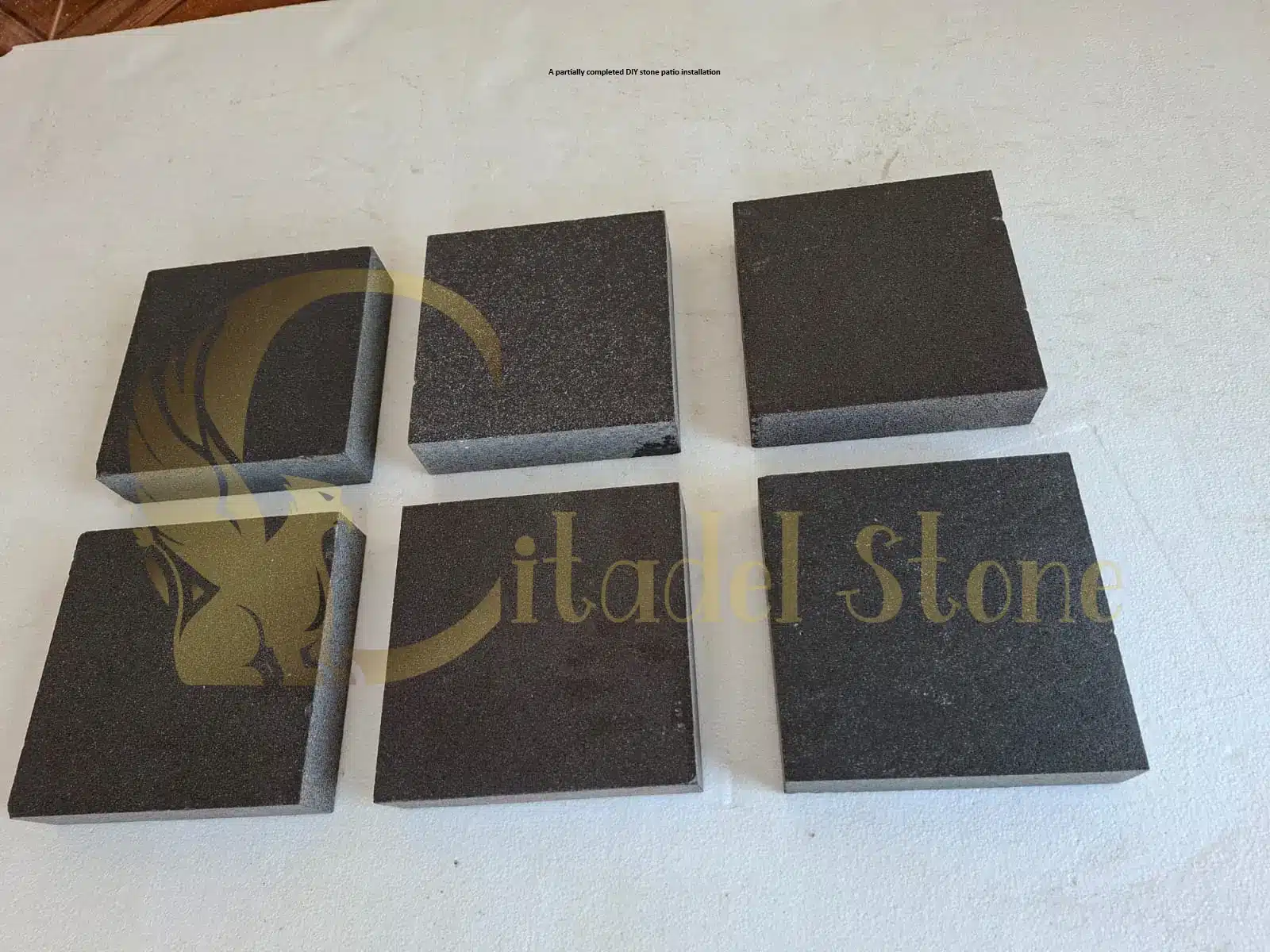
Request a DIY Sample Kit to evaluate materials before committing to full orders.
Quick Comparison Table — When to Choose Each Option
| Supplier Type | Typical Price Range | Best DIY Uses |
|---|---|---|
| Local Stone Yards | Low-Medium | Patios, pathways, basic outdoor projects |
| Reclaimed/Salvage | Low | Accent walls, rustic applications, garden features |
| Remnant Slabs | Medium | Small countertops, vanities, premium accents |
| Online Marketplaces | Low-Medium | Varied—depends on available inventory |
| Bulk Paver Outlets | Low | Large patios, driveways, commercial-scale projects |
How to Vet a Budget Supplier Quickly (Checklist)
- Verify sample availability for material evaluation before ordering
- Confirm return/exchange policies and any restocking fees
- Ask about minimum order quantities and small-order surcharges
- Request proof of product testing for structural applications
- Compare pickup versus delivery costs and logistics requirements
- Understand packaging and loading assistance provided by supplier
- Clarify warranty terms and defect replacement policies
- Request photos or references from similar DIY installations
Money-Saving Buying & Installation Tips for DIYers
- Order 8-12% extra material to account for breakage, cuts, and future repairs
- Pick up materials yourself whenever possible to eliminate $200-500 delivery fees
- Schedule deliveries during off-peak times (mid-week, non-holidays) for better pricing
- Partner with neighbors for bulk orders that qualify for volume discounts
- Rent slab lifters and dollies rather than purchasing for one-time use
- Ask about cut-to-size services for straight cuts that eliminate DIY cutting needs
- Design modular layouts that minimize waste and accommodate standard material sizes
- Save off-cuts for borders and accents rather than discarding useful pieces
- Research sealing requirements carefully—unnecessary sealing wastes money
- Hire professionals for critical structural work while handling cosmetic installation yourself
Browse Our Budget Paver Range for DIY-friendly materials with competitive pricing.
FAQs — Quick Answers
How much extra stone should I order for a DIY project? Order 10-15% extra for most projects to cover breakage, cutting waste, and future repairs. Complex patterns or inexperienced installation may require 15-20% overages.
Can reclaimed stone be used around pools and wet areas? Yes, but verify the stone type and previous treatments. Some reclaimed stones may have absorbed chemicals or sealers that affect pool water chemistry. Test samples with pool professionals before installation.
Are remnant slabs suitable for kitchen countertops? Absolutely, provided dimensions work for your layout. Remnant slabs often come from premium materials and may include polishing and edge work, delivering luxury results at budget prices.
How do I safely transport heavy stone slabs? Use appropriate vehicles with adequate payload capacity, secure loading with straps and padding, and recruit sufficient help for loading and unloading. Rent slab lifters for pieces over 100 pounds.
What’s the biggest mistake DIYers make when buying budget stone? Focusing solely on material cost while ignoring transportation, tools, and installation complexity. Calculate total project costs including all hidden expenses before committing to purchases.
Do online stone deals ever work out well? Yes, when buyers thoroughly vet sellers, inspect materials carefully, and understand pickup logistics. The best online deals come from legitimate contractors clearing inventory rather than random sellers.
Find the perfect stone solutions for residential projects through stone suppliers near me.
Conclusion & Next Steps
Finding the right cheap stone supplier requires balancing cost savings with quality, reliability, and project suitability. Each supplier type offers distinct advantages—local yards for convenience and service, reclaimed suppliers for character and sustainability, remnant dealers for premium materials at budget prices.
Success depends on thorough evaluation, realistic project planning, and understanding the total cost equation beyond just material prices. The time invested in proper supplier vetting and material selection pays dividends in project outcomes and long-term satisfaction.
Ready to start your budget stone project? Download our printable supplier vetting checklist to streamline your search, or contact Citadel Stone for DIY sample kits and personalized guidance on finding quality materials that fit your budget and project requirements.
Take the guesswork out of budget stone sourcing—contact us today for expert advice, sample materials, and connections to trusted local suppliers who understand DIY project needs and budget constraints.