

The split between paving stone vs cobblestone isn’t simply about looks — it’s a structural decision that determines how your surface handles load distribution, long-term settlement, and maintenance cycles over decades. Most specifiers focus on aesthetics first and discover the performance gap later, usually when joint sand starts migrating or individual units begin rocking underfoot. Understanding what separates these two surface types at a technical level lets you make the right call before installation begins, not after.
What Defines Each Material
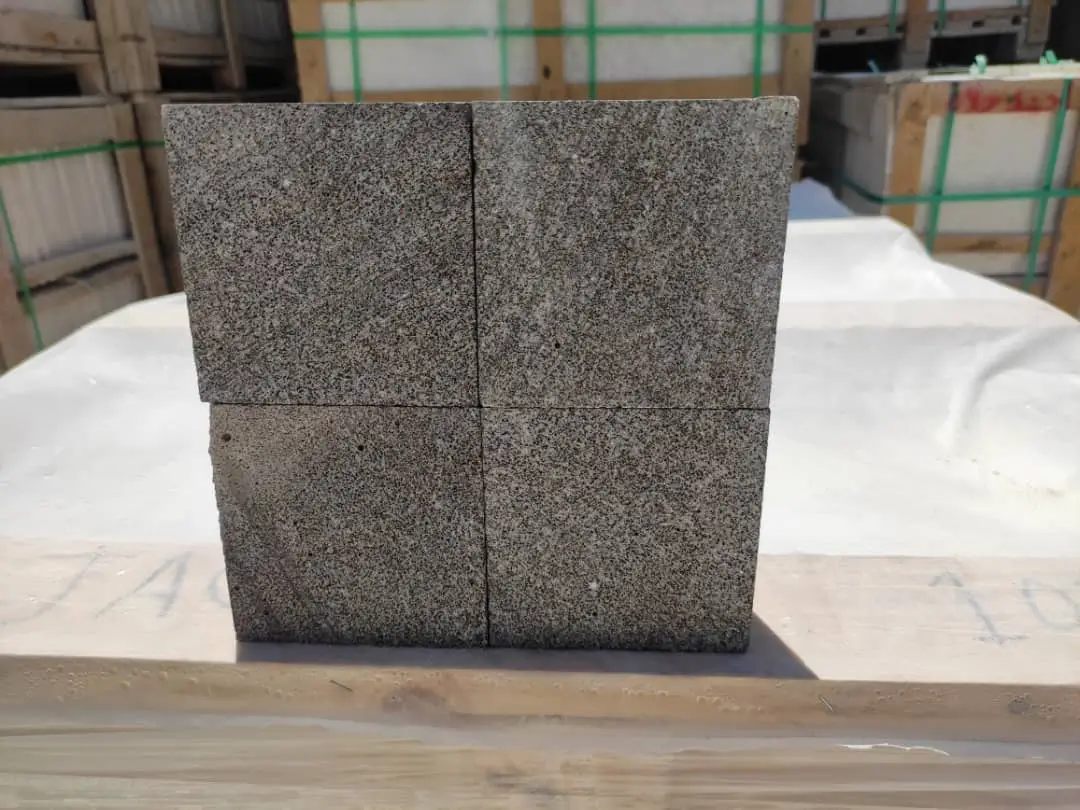
Paving stones — whether cut limestone, quartzite, or granite — are dimensionally sawn units with consistent thickness and flat bed faces. They’re designed to sit on a prepared sub-base with predictable bearing distribution. Cobblestones, by contrast, are either naturally rounded or manually dressed setts with irregular or curved bed faces, originally set in dense, tight-packed formations to handle wheel traffic on unpaved urban routes. The distinction matters because each geometry interacts with its setting bed differently.
Cobblestone installations typically rely on a sand or grit setting bed packed tight enough to allow the irregular bases to lock together through friction and confinement. Paving stones go down on a compacted aggregate base with either a sand-set or mortar bed, depending on the application. Neither approach is universally superior — the right choice depends on your load requirements, your drainage design, and the visual outcome you’re working toward.
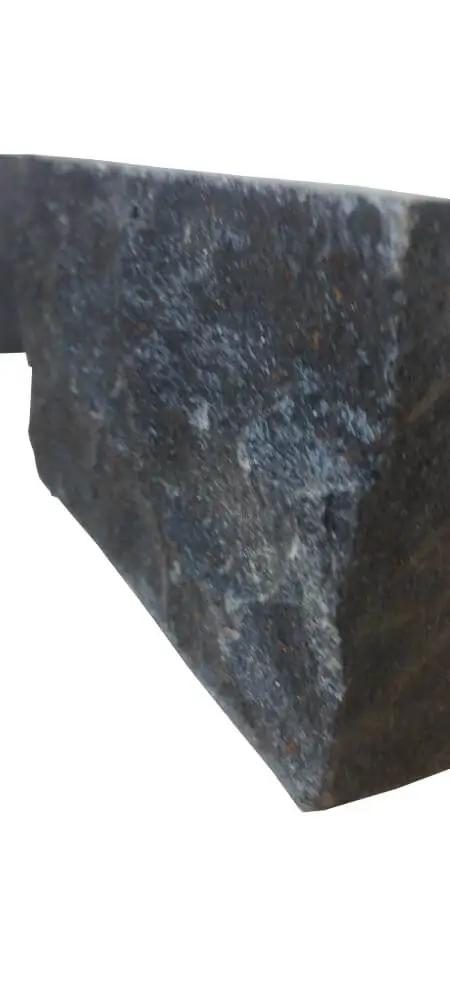
Paving Stone vs Cobblestone: Structural Performance Compared
Here’s what most specifiers miss when they put paving stone vs cobblestone on the table: the structural performance question isn’t just about the stone itself — it’s about the entire system from sub-base to surface. A sawn paving stone of consistent 2-inch nominal thickness distributes point loads cleanly across its flat bearing face. A cobblestone sett with a domed or irregular base concentrates stress at contact edges, which is actually an advantage in certain high-load scenarios because the locked formation transfers lateral forces through the joint matrix rather than through individual units.
- Sawn paving stones offer predictable load distribution, making structural calculations straightforward for driveway and commercial pedestrian specs
- Cobblestone setts in tight-packed formations achieve excellent interlock, reducing the risk of individual unit displacement under vehicular traffic
- Quartzite cobblestone performs exceptionally well in high-abrasion contexts — its silica-rich composition makes it highly resistant to surface wear in heavily trafficked areas
- Paving stones in larger formats (16×16 and above) require thicker sub-base preparation to prevent rocking on uneven bearing points
- Both material types are highly resistant to freeze-thaw damage when drainage is correctly engineered beneath the setting bed
According to Natural Stone Institute granite and cobblestone specifications, properly installed granite setts and cobblestone formations demonstrate decades of service life even under heavy vehicular use — provided the confinement system (edge restraints and compacted sub-base) is correctly specified from the start.
Aesthetic Integration and Design Fit
Your landscape design framework should drive the material decision as much as any structural criterion. Sawn paving stones read as intentional and refined — they suit modern minimalist designs, clean-lined xeriscaping, and formal colonial gardens where geometric precision anchors the composition. Cobblestones carry a texture and irregularity that reads as organic and historical, integrating naturally into cottage-style planting schemes, rustic courtyard designs, and traditional streetscape aesthetics.
Color palette plays a critical role here. Warm-toned cobblestones in buff, amber, or russet harmonize with terracotta planters and drought-tolerant planting — a natural complement to desert-influenced landscape styles. Cooler grey or blue-toned paving stones integrate cleanly with tropical plantings, water features, and the layered greens of shade-heavy garden compositions. The finish you select amplifies these effects: a tumbled finish leaves an open, matte texture that softens edges and reinforces a natural, aged character, while a sawn-and-honed surface emphasizes sharpness and contemporary precision.
The ASLA cobblestone and block paving landscape design guidance notes that material texture and joint width significantly influence how a paved surface reads within a broader landscape composition — a point that applies directly to the paving stone vs cobblestone selection process when you’re resolving a design brief.
Installation Variables You Need to Account For
The installation process differs meaningfully between these two surface types, and those differences affect your project timeline, your labour specification, and your quality control checkpoints. Paving stones go down faster per square foot because consistent dimensioning means less individual fitting and adjustment. Cobblestone installation — particularly with naturally rounded or hand-dressed units — is significantly more labour-intensive. Each stone requires individual placement and adjustment to achieve the tight joint tolerances that give cobblestone its structural integrity.
- Paving stone installations typically require a 4–6 inch compacted aggregate sub-base with a 1-inch sand or grit setting course above it
- Cobblestone sett installations often call for a deeper sand bed — sometimes 2–3 inches — to allow individual height adjustment during placement
- Joint width for cobblestones should be kept as tight as the unit geometry allows; wide joints accelerate sand loss and increase unit movement under load
- For any paving stone vs cobblestone project near trees, you’ll need to assess root intrusion potential — cobblestone’s flexible-set nature actually tolerates minor root heave better than rigid mortar-set paving stone
- Verify that your truck access and delivery logistics are confirmed before scheduling installation crews — material arrival and installation sequencing need to align to avoid stone sitting on unprotected ground
Material Selection by Application
Different applications genuinely favour one format over the other, and the paving stone vs cobblestone decision gets easier once you map it against use case. Driveways with regular vehicular traffic are well-served by either type, provided the sub-base is correctly compacted — but cobblestone setts in a locked formation handle the lateral shear forces of turning vehicles particularly well. Pedestrian pathways where visual character matters more than speed of installation are natural cobblestone territory.
Pool surrounds and outdoor entertaining areas are usually better served by sawn paving stones. The flat, consistent surface is easier to furnish and maintain, and finish selection can be managed more precisely. For formal forecourts and entry approaches where the design is making a deliberate architectural statement, cobblestone’s texture and visual weight deliver an effect that flat paving stones simply can’t replicate.
For a comprehensive overview of cobblestone format options and how they perform across different applications, the Citadel Stone material guide covers the key specification considerations worth reviewing before you commit to a format.
Comparing Quartzite Cobblestone With Other Options
Quartzite cobblestone occupies a specific performance tier that’s worth understanding separately from standard granite or limestone cobbles. Quartzite’s metamorphic origin produces a stone with exceptionally tight grain structure — highly resistant to surface abrasion, water ingress, and chemical attack from deicing salts. For high-traffic driveways or commercial pedestrian routes in regions that see freeze-thaw cycling, quartzite cobblestone is one of the most demanding-environment-appropriate choices available.
The trade-off is workability. Quartzite is harder to cut and dress than limestone or sandstone-derived cobblestones, which means the unit dimensions and face profiles are typically set at the quarry level and don’t accommodate much field modification. You’ll need to confirm your coursing pattern and joint configuration before the stone arrives — trying to adjust on-site adds significant time and cost. Check warehouse stock levels for quartzite cobblestone formats before finalizing your project schedule, since availability varies more than it does for standard granite or limestone units.
- Quartzite cobblestone: exceptionally durable, highly resistant to abrasion and salt damage, limited field modification
- Granite cobblestone: excellent compressive performance, widely available, accommodates a range of finish profiles
- Limestone cobblestone: softer, easier to dress, more susceptible to acid exposure — requires careful sealing in regions with acid rain or coastal salt air
- Sawn limestone paving stone: versatile, available in a wide colour range, water-resistant when properly sealed, suited to design-led projects
Maintenance and Long-Term Performance
Your maintenance commitment over time differs significantly between these two surface formats. Sawn paving stones with honed or sawn faces benefit from periodic sealing — typically every two to four years depending on traffic and climate exposure. The flat face and defined joint lines make resealing straightforward. Cobblestone surfaces, particularly those with wider or irregular joints, need periodic joint re-sanding to maintain structural interlock. Sand loss through joint washout is the primary maintenance issue with cobblestone, and it compounds if drainage isn’t directing surface water away from the field efficiently.
The USGS cobblestone and granite sett dimension stone data reflects the sustained production volumes for these materials in construction applications — which speaks to their established track record in demanding service environments across the country. Both surface types, properly maintained, can deliver multiple decades of service life when the base system is correctly designed and drainage is managed.
- Inspect joint sand levels seasonally in areas with significant rainfall or irrigation runoff — replenish before voids deepen enough to allow unit movement
- Re-seal paving stones on the manufacturer’s recommended cycle — ignoring this allows staining and minor surface degradation that’s expensive to remediate
- Address individual rocking units in cobblestone surfaces promptly — a single displaced sett transfers load unevenly to its neighbours and accelerates pattern-wide settlement
- For surfaces near planting beds, check for organic matter accumulation in joints — it accelerates moisture retention and can promote surface discolouration
Project Planning, Logistics, and Ordering
Your project timeline needs to account for material lead times that vary significantly depending on format and sourcing. Standard granite cobblestones and sawn limestone paving stones held in warehouse stock are typically available on short lead times — often one to two weeks from order confirmation to delivery. Specialty formats, including quartzite cobblestone and large-format sawn slabs, may require longer lead windows depending on current stock positions. Confirm warehouse availability early and don’t schedule installation crews until you have a confirmed delivery date.
Truck access to the site is a practical consideration that’s easy to overlook in the planning phase. Heavy stone loads — particularly for driveway or forecourt projects requiring significant tonnage — need adequate truck clearance and a drop zone that doesn’t require material to be hand-balled long distances. At Citadel Stone, we source cobblestone and paving stone from our selected quarries and maintain nationwide supply capacity, which typically compresses lead times compared to project-by-project import arrangements. Coordinate your delivery schedule with your installation contractor so material isn’t sitting exposed on an unprotected sub-base surface.
Paving Stone vs Cobblestone: Making the Right Specification Call
The paving stone vs cobblestone decision ultimately comes down to three intersecting factors: the structural demands of the application, the aesthetic language of the surrounding landscape design, and the maintenance commitment you can realistically sustain over the surface’s service life. Neither format is universally superior — each solves a specific set of design and performance requirements that the other doesn’t address as cleanly. Get the sub-base right, specify the joint system correctly for the unit type you’ve chosen, and match your finish selection to both the functional context and the broader design palette. As you plan your hardscape specification, it’s worth exploring how different cobblestone shapes and profiles affect both the visual character and the installation dynamics — round cobblestone profiles and textures offer a dimension of character that squared setts and flat paving stones can’t replicate. Sourced from premium quarries in Turkey and the broader Middle East region, this stone shows why paving stone vs cobblestone longevity often favors solid setts.
Related reading: belgian cobblestone pavers · Cobblestone vs Pavers: Key Differences Explained · interlocking pavers driveway.