

What the Comparison Actually Comes Down To
The porcelain pavers pros and cons debate usually starts with the wrong question. Most buyers ask “which is prettier?” when the specification question that determines long-term satisfaction is “how will each material behave under the mechanical and environmental loads this project actually creates?” That distinction shapes every decision that follows. Porcelain and basalt both occupy the high-performance tier of exterior paving, but they earn that position through completely different physical mechanisms — and understanding those mechanisms is what separates a specification that holds up for decades from one that generates callbacks.
Porcelain Pavers: Core Advantages
Your first genuine advantage with porcelain is dimensional consistency. Panels come off the kiln at tolerances tighter than almost any natural quarry can match — typically within ±0.5 mm face-to-face — which makes large-format installations over pedestal systems considerably easier to level. That predictability has real value in commercial settings where installation speed matters and skilled labor is expensive.
- Water absorption rates are exceptionally low, typically below 0.5%, which reduces freeze-thaw spalling risk in cold climates
- Pigment runs through the full body of many panels, meaning surface scratches don’t expose a contrasting substrate
- UV stability is strong — the color chemistry is inorganic and doesn’t bleach under prolonged sun exposure the way some polymer-modified surfaces can
- Consistent thickness simplifies pedestal-frame installations on rooftop terraces and elevated decks
- Factory surface finishes are repeatable, which matters when you’re matching replacement panels years later
The low absorption figure also means porcelain pavers resist staining from oils, wine, and organic debris more readily than many natural stones without sealing. For a pool surround or outdoor kitchen area, that’s a practical maintenance benefit worth quantifying in your spec.
Porcelain Pavers: Real Limitations
Here’s what most specifiers underestimate before their first large porcelain installation: the material is brittle in a way that punishes poor substrate preparation more than natural stone does. Porcelain’s high fired density means it has almost no flex tolerance. A compacted aggregate base that moves even a few millimeters under point load — think a chair leg, a heavy planter, or vehicular traffic near a patio edge — can fracture a panel without warning. Natural stone, by contrast, will often show surface distress long before catastrophic failure.
- Edge chipping during cutting is common — diamond blade quality and wet-cutting technique directly affect waste percentages, often running 8–12% on complex layouts
- Repair visibility is high: a cracked porcelain panel almost always requires full replacement because color matching across production batches is inconsistent
- Large-format panels (24×48 inches and above) require a genuinely flat substrate — a tolerance of no more than 3mm under a 10-foot straightedge is a realistic minimum
- Thermal expansion and contraction are real: expansion joints at roughly every 10–12 feet are non-negotiable in climates with significant temperature swings
- Whether porcelain pavers are slippery when wet is the most common buyer concern — the honest answer is that slip performance varies significantly by finish, and you should evaluate any candidate product under ANSI A326.3 wet DCOF protocols before committing
That last point deserves more space. A polished or lapped porcelain finish behaves very differently from a textured or structured surface in wet conditions. Never assume finish descriptions like “matt” equate to adequate wet-surface performance — request the actual ANSI A326.3 wet DCOF test data from the manufacturer and evaluate it independently. The finish is the variable that determines slipperiness, not the material category itself.
Basalt vs. Porcelain Pavers: Material Physics Side by Side
The basalt vs porcelain pavers comparison gets interesting when you look at what each material is actually made of. Basalt is a fine-grained volcanic igneous rock — it formed under intense pressure and heat over geological time, which gives it a dense, interlocking crystalline structure. Porcelain is also fired under high heat, but it starts as refined clay and feldspar, creating a vitrified matrix rather than a crystalline one. Both are dense and highly resistant to water penetration, but they respond differently to impact stress.
According to USGS volcanic rock data on basalt composition, basalt’s crystalline microstructure gives it high resistance to surface abrasion and impact loading, characteristics that translate directly to long-term paving performance in high-traffic settings. Porcelain’s vitrified structure achieves similar density through a different mechanism, but its brittleness under point load is a genuine field distinction. When specifying for a driveway or any surface that will see concentrated loads, that difference matters operationally.
- Basalt handles edge loads and point impacts with more resilience — the crystalline structure distributes stress rather than concentrating it at a failure plane
- Porcelain’s surface uniformity makes it easier to clean and harder to stain without a sealer
- Basalt’s natural variation in tone and texture means individual cracked or stained tiles blend more easily into a repair — replacement panels don’t need to match a factory batch code
- Porcelain’s weight per square foot is typically lower than thick-gauge natural stone, which affects structural loading calculations for elevated applications
Are Porcelain Pavers Slippery? A Finish Selection Guide
Slip resistance in any paved surface is governed primarily by finish texture, not material category — and the Natural Stone Institute’s guidance on igneous and engineered stone surfaces consistently reinforces this point. For porcelain specifically, your finish choice determines the entire wet-surface performance profile. Structured, grip-textured, and through-body matte finishes tend to perform better in wet conditions than smooth lapped or polished alternatives.
The current standard governing this evaluation is ANSI A326.3, which replaced the ASTM C1028 static test withdrawn in 2014. Under ANSI A326.3, wet dynamic coefficient of friction (DCOF) testing is conducted under standardized conditions that more accurately reflect real-world pedestrian movement. The minimum wet DCOF threshold for floor surfaces in level conditions is 0.42. Always request ANSI A326.3 wet DCOF documentation for any porcelain product you’re specifying for an exterior wet-zone application.
- Structured or embossed surface textures improve wet-surface traction by creating mechanical interruption in the water film
- Calibrated natural stone finishes — honed, flamed, or brushed — are evaluated on the same ANSI A326.3 basis when tested for exterior use
- A separate anti-slip treatment can be applied to smooth porcelain surfaces, though performance should be independently verified post-application
- Poolside and outdoor kitchen specifications should always specify the finish type explicitly alongside the ANSI A326.3 test result, not rely on marketing descriptors alone
Porcelain vs. Natural Stone Pavers: Aesthetic Integration and Design Fit
The porcelain vs natural stone pavers conversation shifts considerably when you bring landscape design context into the evaluation. Porcelain’s controlled manufacturing process produces colors and patterns that can mimic marble veining, wood grain, or concrete — but that very control can work against design authenticity in certain settings. A modern minimalist courtyard with clean geometry and a limited palette is often where porcelain performs best aesthetically: the uniformity reinforces the design language rather than fighting it.
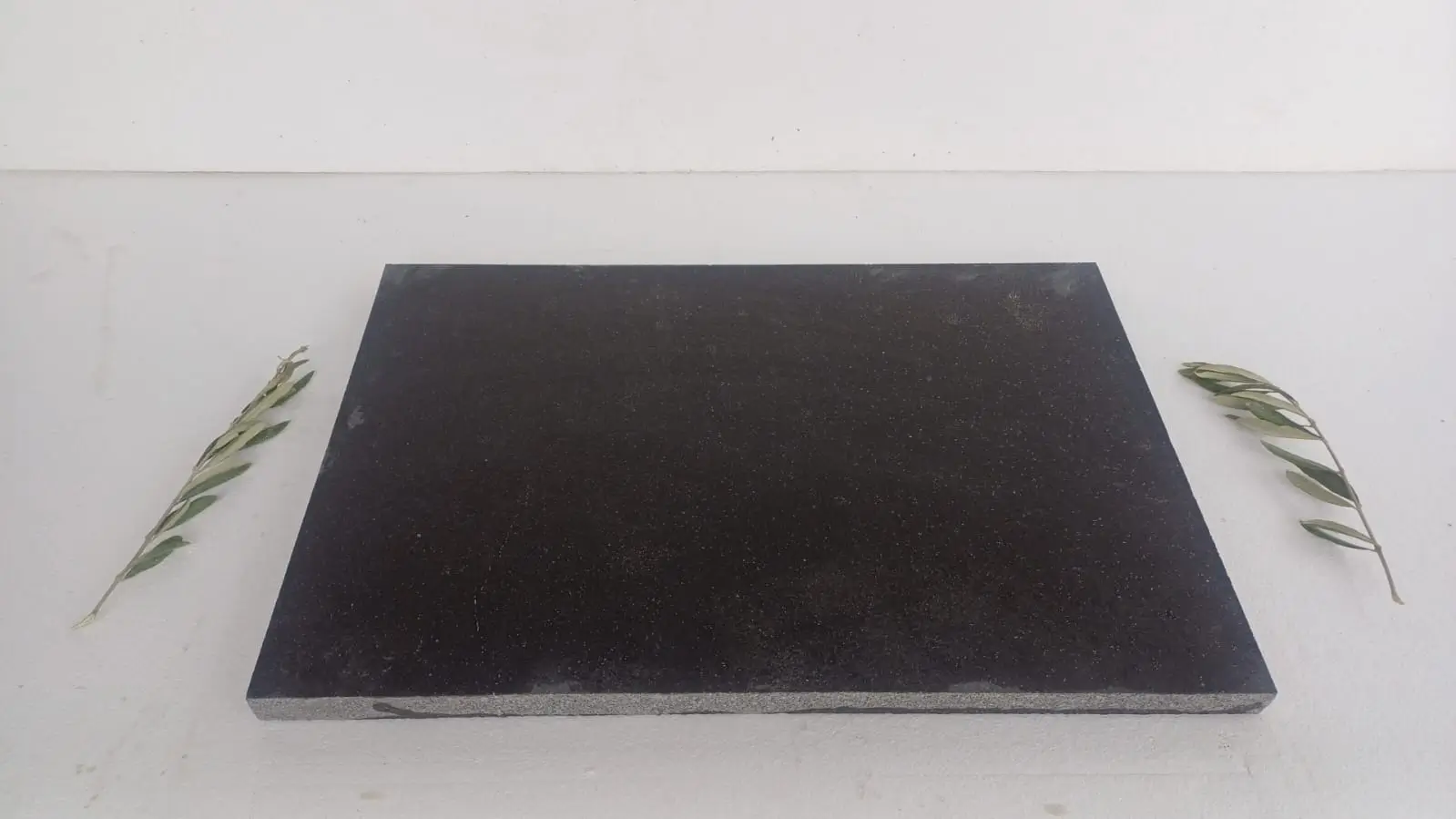
Natural basalt reads differently in the landscape. Its dark, fine-grained surface has a geological honesty that pairs naturally with desert xeriscaping, tropical planting, and traditional hardscape schemes where material authenticity matters. For a low-water garden with gravel, agave, and native grasses, a field of basalt pavers reads as geologically continuous with the surrounding palette — porcelain vs stone pavers comparisons in that same setting often reveal how engineered surfaces can feel incongruous no matter how well installed. For a more detailed exploration of how basalt performs in varied exterior contexts, the black basalt pavers and tiles collection at Citadel Stone illustrates the range of finish options and format sizes available for specification.
Consider these design-driven selection criteria:
- Porcelain excels in contemporary and transitional settings where dimensional consistency and color precision reinforce a controlled design language
- Basalt suits naturalistic, desert, and traditional schemes where material authenticity and variation strengthen the landscape narrative
- Large-format porcelain creates strong visual expanses with minimal joint lines — effective in modern minimalist pool surrounds
- Smaller-format or irregular basalt complements informal planting and organic layout patterns where visual rhythm matters more than geometric precision
Do Porcelain Pavers Crack? Structural Performance Realities
The honest answer to whether porcelain pavers crack is: yes, under conditions that natural stone would survive. This isn’t a product defect — it’s a material physics reality that your specification needs to account for. Porcelain’s fired vitrified structure achieves high surface hardness at the cost of flexural toughness. When substrate support is compromised — through base settlement, tree root movement, or freeze-thaw heave beneath an inadequate base — porcelain fractures cleanly and visibly.
Preventing cracking in porcelain installations comes down to three controllable variables:
- Base depth and compaction: a minimum 6-inch compacted aggregate base is standard for pedestrian use; vehicular proximity requires engineering review
- Expansion joint frequency: joints placed every 10–12 linear feet in both directions, filled with a flexible polyurethane or silicone sealant rated for exterior movement
- Substrate flatness: out-of-plane variation beyond 3mm per 10 feet creates differential loading that concentrates stress at panel mid-spans
- Thickness selection: exterior applications should use 20mm (¾-inch) minimum thickness panels — 10mm interior-grade panels installed outdoors are a common source of field failures
According to Natural Stone Institute technical stone specifications, natural igneous stones like basalt distribute impact energy through their crystalline grain boundaries rather than concentrating it at a fracture plane. That physical difference explains why basalt installations on imperfect substrates tend to produce surface chipping rather than full-panel fractures — a meaningful distinction when assessing long-term maintenance cost.
Porcelain Pavers Cost per Square Foot vs. Basalt
Your total installed cost for porcelain pavers cost per square foot includes more variables than the material price alone suggests. Material pricing for exterior-grade 20mm porcelain panels typically runs in a range that varies significantly by format size, surface finish, and import origin — but the installation cost premium over natural stone is the figure that often surprises buyers. Porcelain’s cutting requirements, substrate precision demands, and higher waste rates from edge chipping add measurable labor cost per square foot.
Basalt sits in a comparable material price range to mid-grade porcelain, but its installation tolerances are more forgiving on imperfect bases, which can reduce labor cost on projects where substrate prep would otherwise require additional grading. The real cost comparison requires you to look at the full 10-year picture:
- Porcelain: minimal sealing cost, but replacement of cracked panels is expensive because batch color-matching is unreliable after 2–3 years
- Basalt: periodic sealing with a penetrating impregnator every 3–5 years depending on climate and traffic, but individual tile replacement blends naturally without batch-matching concerns
- Truck delivery logistics affect both materials — verify that your site can accommodate standard delivery vehicle access before finalizing lead times, as restricted access routes require smaller-load coordination that affects per-unit cost
- Warehouse stock availability from a national supplier can compress lead times to 1–2 weeks versus the 6–8 week cycle common with special-order imports
Installation Variables That Determine Long-Term Performance
The specification decisions made before a single paver is placed account for roughly 70% of the installation’s long-term outcome. Both porcelain and basalt reward disciplined base preparation, but the margin for error differs. Porcelain is unforgiving — get the base wrong and you’ll see cracking within the first winter freeze or summer heat cycle. Basalt gives you slightly more latitude, but that latitude shouldn’t substitute for proper engineering.
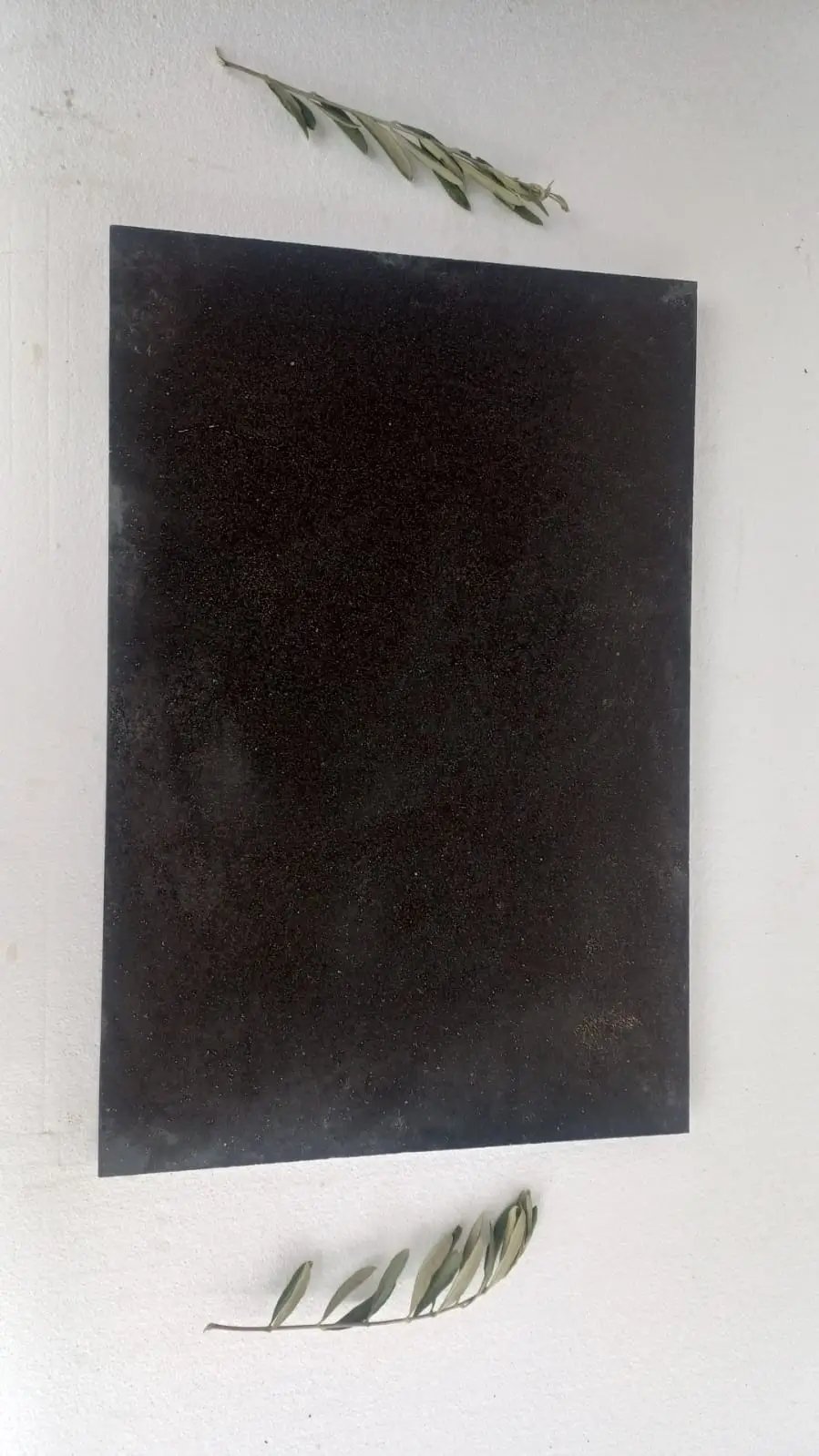
For both materials, setting bed choice deserves careful attention. A full mortar bed over a concrete slab is appropriate for most bonded exterior applications, but the mortar mix specification needs to match the thermal expansion characteristics of the paver material. For porcelain, a polymer-modified thin-set rated for large-format tiles is standard. For black basalt pavers and tiles, a standard polymer-modified mortar works well, though you should confirm iron-oxide compatibility if you’re working with a light-toned mortar in a visible joint application. According to Britannica’s overview of basalt volcanic rock properties, basalt’s thermal expansion coefficient is relatively low compared to many engineered alternatives, which reduces the mechanical stress cycling that loosens bonded installations over time.
- Verify subbase drainage capacity before committing to either material — standing water beneath a bonded installation accelerates both mortar degradation and freeze-thaw damage
- For pedestal-supported elevated decks, porcelain’s dimensional consistency simplifies leveling, but you need to confirm panel deflection ratings match the pedestal span
- Joint width matters for both materials: porcelain typically runs 3–5mm joints; natural basalt can work with wider joints that accommodate minor variation without visual penalty
- Truck delivery scheduling should confirm pallet weight and crane or forklift access requirements before your pour date — coordinate with your site logistics team early
Making the Right Call on Porcelain Pavers Pros and Cons
The porcelain pavers pros and cons comparison ultimately resolves into a project-context decision, not a universal winner. Porcelain delivers surface uniformity, low maintenance, and strong color stability — attributes that align best with contemporary design schemes, elevated installations, and settings where cleaning simplicity outweighs material authenticity. Basalt delivers geological density, natural aesthetic variation, and greater resilience to substrate imperfection — attributes that suit naturalistic landscape settings, high-traffic surfaces, and projects where long-term repairability matters as much as initial specification.
Across Citadel Stone’s national supply network, we quarry, template, manufacture, and deliver both basalt and coordinating natural stone materials directly — which means the technical specification advice you receive comes from hands-on material knowledge, not a catalog. Citadel Stone’s warehouse inventory for black basalt pavers typically supports rapid fulfillment, reducing the project scheduling risk that long import lead times create.
As you finalize your material decision, it’s worth considering how related natural stone choices perform in comparable climate and loading conditions. For projects where cold-climate durability is a primary driver, bluestone alternatives for cold climates covers another dimension of natural stone specification that may inform your broader hardscape planning. Order a sample and judge the stone in your own hands, or request a free quote with your ZIP code for delivered basalt pricing.
Related reading: how to cut paving stones · how to lay paving stones · preparing ground for paving stones.