Spacing Fundamentals That Actually Matter
Pavers with rock in between perform better than tight-jointed installations in one critical respect — they manage hydrostatic pressure laterally rather than pushing it vertically through the slab face. That’s a spec detail most guides skip entirely, but it’s the reason gravel-infilled joints consistently outperform sand-filled joints in areas with heavy seasonal rainfall or clay subsoils. The joint width you choose isn’t purely aesthetic; it’s an active drainage component, and sizing it correctly determines whether your installation flexes gracefully with soil movement or develops step cracks along the longest run.
Rock Fill Options: Matching Material to Function
Your choice between pea gravel, decomposed granite, and crushed stone for pebbles between pavers shapes both drainage performance and visual character. Pea gravel — typically 3/8 to 1/2 inch — flows freely into irregular voids and self-levels after foot traffic, making it the easiest option to maintain. Decomposed granite compacts firmly and resists displacement in high-traffic zones, though it sheds fines over the first season. Crushed angular stone locks into place better than rounded pea gravel but can feel harsh underfoot in barefoot-friendly areas like pool surrounds.
- Pea gravel: 3/8–1/2 inch, excellent drainage, self-levelling, ideal for casual walkways and garden paths
- Decomposed granite: compact surface, low displacement, suits driveways and formal entry paths but needs annual top-dressing
- Crushed limestone screenings: high-drainage, natural colour match with limestone pavers, good for formal European-style layouts
- River pebbles: 1/2–3/4 inch, decorative impact, slower drainage than angular crushed stone
- Lava rock fragments: lightweight, high visual contrast, suited to xeriscaped or drought-tolerant garden designs
Pavers with stones in between work best when the filler material is sized between 60% and 80% of the nominal joint width — narrow enough to stay put, wide enough that you can replenish it without removing pavers. A 2-inch joint accepts 1.25- to 1.5-inch aggregate without bridging issues.
Joint Width and Spacing Ideas for Different Applications
The design language changes significantly depending on how wide you run your joints. Tight 1/2-inch gravel joints read as a refined European courtyard aesthetic — the rock nearly disappears and the paver geometry dominates. Wider joints at 2 to 3 inches shift the composition toward a natural, garden-stepping-stone look where pavers with rocks between them become co-equal visual elements. Both approaches work; the mistake is choosing a joint width that fights the paver size.
- 12×12 pavers: 1 to 1.5-inch gravel joints maintain proportion — wider joints make small pavers look scattered
- 16×16 or 18×18 pavers: 1.5 to 2.5-inch joints balance visual weight without dominating the surface
- 24×24 large-format pavers: 2 to 4-inch joints create dramatic ground-plane striping, especially effective with contrasting dark pebbles
- Irregular/flagstone cuts: freeform joints 1 to 5 inches — match gravel colour to mortar-style grouting for a cohesive look
- Running bond patterns: uniform joint width front-to-back improves drainage linearity and reduces erosion channels
For stepping stone layouts specifically, you’ll want to maintain a 12-to-15-inch module — the distance from the leading edge of one paver to the leading edge of the next — regardless of how wide the gravel infill runs. That module keeps stride natural and prevents the eye from reading the path as disconnected islands.
Drainage Performance: What the Numbers Show
Gravel-filled joints typically achieve infiltration rates between 8 and 20 inches per hour depending on aggregate size and compaction level, according to ASLA permeable surface guidance. Compare that to tight-jointed or mortar-set installations where surface runoff carries 85 to 95 percent of stormwater directly to drainage infrastructure. Even modest joint widths — 3/4 inch of gravel — meaningfully reduce peak runoff volume during storm events. For projects subject to municipal stormwater management requirements, documented permeable jointing can count toward permeable-area credits in site stormwater calculations.
The base preparation underneath matters as much as what you put in the joints. A 4-inch compacted aggregate base handles standard pedestrian loading, but you’ll want 6 to 8 inches beneath vehicular zones or in freeze-thaw regions where frost heave cycles create uplift pressure. Pea gravel or crushed stone joints drain most effectively when the base below is also open-graded — a dense-graded base creates a perched water table that saturates joint material and accelerates displacement during wet seasons.
Code and Structural Considerations for Gravel-Jointed Paving
Building departments in many jurisdictions have begun applying permeable pavement provisions from the International Building Code and local amendments when gravel-jointed paving covers areas above 200 square feet adjacent to structures. If your project is near a foundation, check whether local code requires a minimum 10-foot setback for permeable surface drainage fields, or whether positive grade away from the structure satisfies the drainage requirement. Some jurisdictions also specify minimum base depth tied to frost line — not just load — meaning a 42-inch frost line depth requires base and sub-base layers engineered to prevent differential heave.
- Frost line compliance: base depth must meet local frost depth requirements — these vary from 6 inches in warm climates to 48 inches in northern regions
- Edge restraints: most codes and engineering standards require rigid edge restraint for any paver system lacking mortar joints — aluminium or steel edging at 12-inch spike intervals is the common spec
- ADA compliance: surfaces with pebbles between pavers must achieve a firm, stable rating — loose pea gravel in high-traffic accessible routes typically fails ADA surface firmness criteria and should be replaced with compacted decomposed granite or bedding-set stone chips
- Seismic zones: in areas governed by seismic design categories C through F, flexible jointed paving is often preferred over rigid mortar systems because it accommodates lateral ground movement without catastrophic failure
- Load rating: standard residential pedestrian paving carries 250 PSF live load; vehicular driveways should be specified to 8,000 lb point load minimum with appropriate base depth
You should always pull the local jurisdiction’s amendments before finalising a spec — the International Building Code provides the framework, but state and county amendments frequently tighten base depth, edge restraint, and drainage gradient requirements beyond the base code. The Natural Stone Institute limestone technical specifications include guidance on joint filler compatibility with calcium carbonate stone surfaces, which is relevant when specifying reactive aggregates near limestone pavers.
Natural Stone Paver Selection for Gravel-Jointed Systems
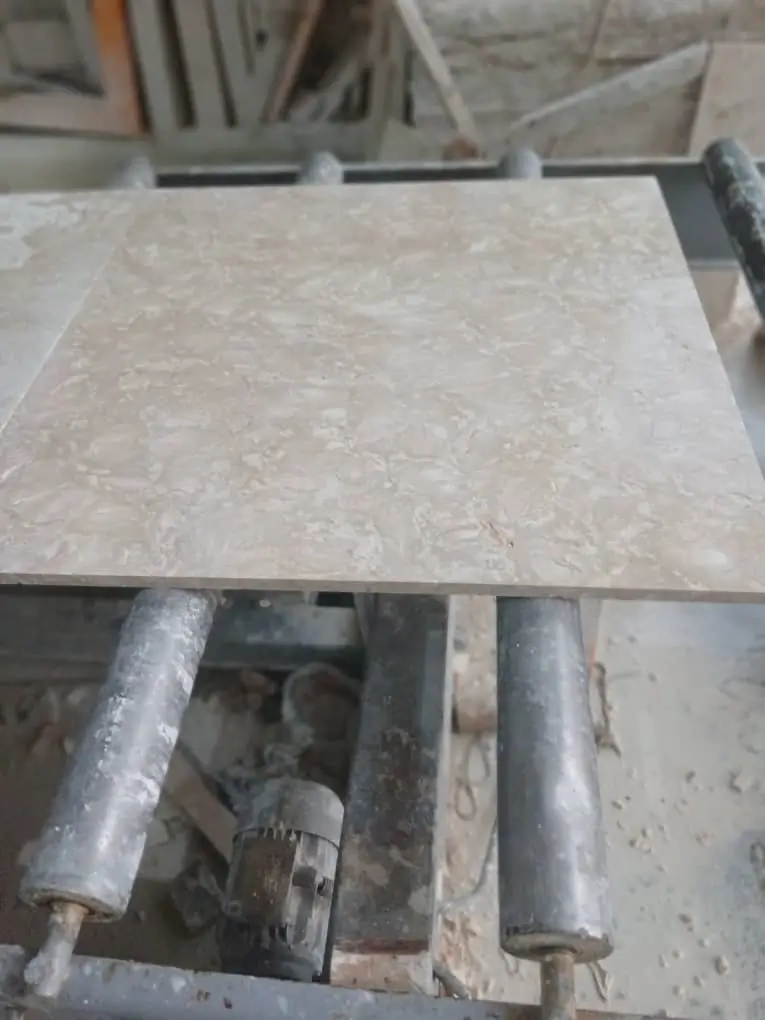
Not every paver material performs equally well when joints are left open and gravel-filled. Dense, low-absorption stones hold up significantly better at the exposed edge — the zone that takes the most mechanical wear from foot traffic brushing gravel against the face. Limestone with an absorption rate below 3 percent (ASTM C97) handles gravel-joint installation without edge spalling in most climates. Highly porous stones above 7 percent absorption tend to absorb moisture wicked upward from the saturated gravel base, which accelerates efflorescence and surface scaling in freeze-thaw regions.
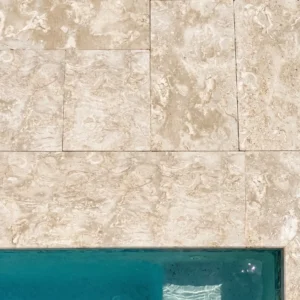
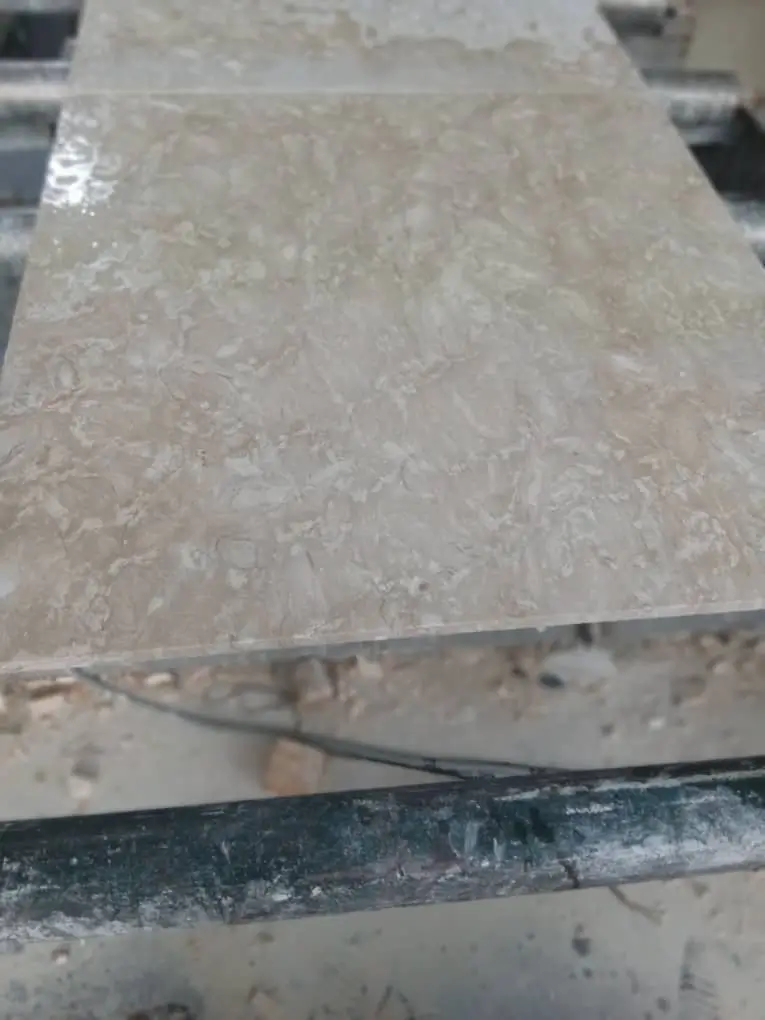
You can explore a range of formats designed for open-joint installation through Citadel Stone stone paver styles, including large-format options that make dramatic use of wide gravel joints without losing structural integrity at the edge. At Citadel Stone, we inspect stone edge sharpness and face integrity at the warehouse level because gravel-jointed installations put mechanical stress directly on the arris — a chipped or feathered edge telegraphs visibly in an open-joint system in a way it wouldn’t in a mortar-grouted layout.
- Limestone: absorption under 3%, excellent edge durability, natural colour harmony with most gravel types
- Basalt: near-zero absorption, extremely hard wearing edge, dark colour creates strong contrast with light pebbles
- Travertine: fill-treated varieties work well; unfilled travertine with open voids can trap gravel fines — plan for annual cleaning
- Sandstone: check absorption carefully — softer varieties above 5% absorption are better suited to warm, dry climates
- Granite: maximum durability at the edge, highly resistant to freeze-thaw spalling, suitable for vehicular-rated gravel-jointed driveways
Installation Sequence for Long-Lasting Results
Field performance data shows that the most common failure point in pavers with rock in between isn’t the stone itself — it’s gravel migration from under-sized joint width or inadequate edge restraint. Establish your edge restraint first, before any pavers go down. Spike it through the base into subgrade at 12-inch intervals. Once edge restraint is set, lay pavers to your target joint width using spacers — don’t try to eyeball a 2-inch joint across a 200-square-foot patio; it wanders by 30 to 40 percent by the time you reach the far edge.
Compact the base in 3-inch lifts before setting any stone. ASTM compaction standards for paver base specify 95 percent modified Proctor density for vehicular zones — hand-tamping doesn’t achieve that, even with heavy equipment. Use a plate compactor on the base, then bed your setting layer in clean, washed 1/4-inch chip no more than 1.5 inches deep. The setting layer is not a drainage layer — keep it tight-graded so pavers seat firmly without rocking. Your gravel infill goes in after pavers are fully seated and the surface is swept clean. Tamp lightly across the joint to settle the first inch of gravel, then top-dress to finish grade.
Maintenance and Replenishment Over Time
Pavers with rock in between need one maintenance task that tight-jointed installations don’t — periodic gravel replenishment. Expect to top-dress joints annually for the first two years as fines wash out and aggregate settles. After year two, stable gravel-filled joints typically need replenishment every three to five years, depending on rainfall intensity and foot traffic. Budget for a small stock of matching aggregate — and here’s the detail most owners miss: buy extra gravel at installation and store it. Matching river pebbles or crushed stone from the same quarry batch three years later is genuinely difficult, and mismatched filler colour is visually jarring in a refined installation.
- Year one: inspect joints after each significant rainfall event; expect 15–25% settlement in the first season
- Weed control: gravel joints do allow weed germination — pre-emergent herbicide applied in spring reduces establishment by 70–80% without harming stone
- Edge joint maintenance: perimeter joints adjacent to lawn edges require replenishment more frequently due to displacement from mowing and edging
- Avoid pressure washing directly into joints — it displaces aggregate laterally; use low-pressure rinsing along the paver face instead
- Sealing: most natural stone pavers benefit from penetrating sealer applied to the stone face, but avoid getting sealer into gravel joints — it binds fines and impedes drainage
According to USGS dimension stone production data, natural stone paving materials in outdoor installations are specified to service lives measured in decades when base preparation and maintenance protocols are followed — gravel-jointed systems are no exception, provided joint infill is maintained at 90 percent of joint depth or greater to prevent edge undercutting.
Ordering, Logistics, and Project Planning
Coordinating natural stone pavers and gravel infill for the same delivery window takes more advance planning than most residential projects allow for. Stone lead times from the warehouse typically run one to two weeks for stocked formats, while specialty sizes or custom cuts can add three to four weeks. Your gravel sourcing is often faster — local landscape suppliers usually carry same-week availability — but matching gravel colour to your stone selection is easier when you have a physical sample of both in hand before finalising the order.
Truck access is worth planning early for larger projects. A pallet of 24×24 limestone pavers runs 2,800 to 3,200 pounds — most residential driveways handle one or two pallets from a standard flatbed without surface damage, but more than that benefits from a crane offload or staged delivery to reduce dwell weight on any single point. Citadel Stone ships nationwide, and our logistics team can advise on delivery format — curbside, liftgate, or custom staged drops — so your crew isn’t hand-bombing stone across a long site distance.
Final Perspective
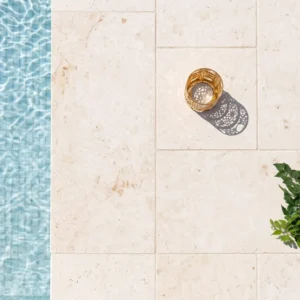
The best pavers with rock in between installations are the ones where the gravel wasn’t an afterthought — it was specified alongside the stone, sized to the joint, and matched visually before the first paver was set. Your project outcome is mostly determined in those early decisions: joint width relative to paver size, aggregate type relative to drainage need, base depth relative to frost and load. Nail those three and the aesthetic follows naturally. As you explore complementary layout formats for your project, French pattern limestone layout options offer a multi-format approach that pairs especially well with wider gravel joints by varying slab geometry across the surface. When Citadel Stone limestone is laid with gravel-filled joints, the wider spacing also allows slight substrate movement without causing edge cracking over time.
Related reading: How Limestone Is Made and Why It Affects Paver Quality · Limestone Slab vs Pavers: What Works Best Outdoors?.