

Blue limestone countertops occupy a specification niche that most stone guides underserve — the material’s performance characteristics diverge meaningfully from white or grey limestone, and those differences shape every decision from substrate prep to maintenance schedules. This guide to blue limestone countertops starts not with aesthetics but with the stone’s inherent mineralogy, because the calcite matrix that gives blue limestone its distinctive cool-grey-to-slate hue means you’re working with a material that responds differently to moisture, thermal cycling, and surface chemistry than its more common cousins. Understanding those distinctions before you select a slab is what separates a successful installation from one that disappoints within the first year of use.
What Makes Blue Limestone Different From Other Countertop Stones
The colour in blue limestone comes from iron compounds, organic matter, and fine clay minerals locked within the calcite matrix during sedimentary formation. These inclusions give the stone its characteristic blue-grey tones — ranging from pale dove blue to deep slate — but they also influence porosity patterns in ways that aren’t immediately obvious when you’re selecting slabs. According to Natural Stone Institute limestone specifications, limestone’s absorption rate typically falls between 0.5% and 12% depending on formation density, and blue limestone from denser Middle East quarries tends to sit in the lower range — around 1.5% to 3.5% — which is genuinely competitive for a countertop application.
- Compressive strength in high-density blue limestone ranges from 8,000 to 14,000 PSI — adequate for countertop loading but lower than granite’s typical 19,000–25,000 PSI range
- The calcite base creates a reactive surface that etches on contact with acidic substances — citrus juice, vinegar, and even some mineral waters can leave dull marks within minutes
- Blue limestone’s thermal mass properties mean it stays noticeably cooler to the touch than engineered stone — a feature some homeowners specifically value in kitchen environments
- Honed finishes dominate the countertop market for this material because polished blue limestone is harder to maintain and shows etching contrast more dramatically
The sourcing origin matters more for blue limestone than for most other countertop stones. Material from selected quarries from the Middle East — particularly dense, fine-grained deposits — tends to show tighter grain structure and lower absorption than quarries producing softer, more porous variants. At Citadel Stone, we evaluate incoming slabs for grain consistency and surface uniformity before they reach our warehouse, because slab-to-slab variation in this material category is wider than most specifiers expect.
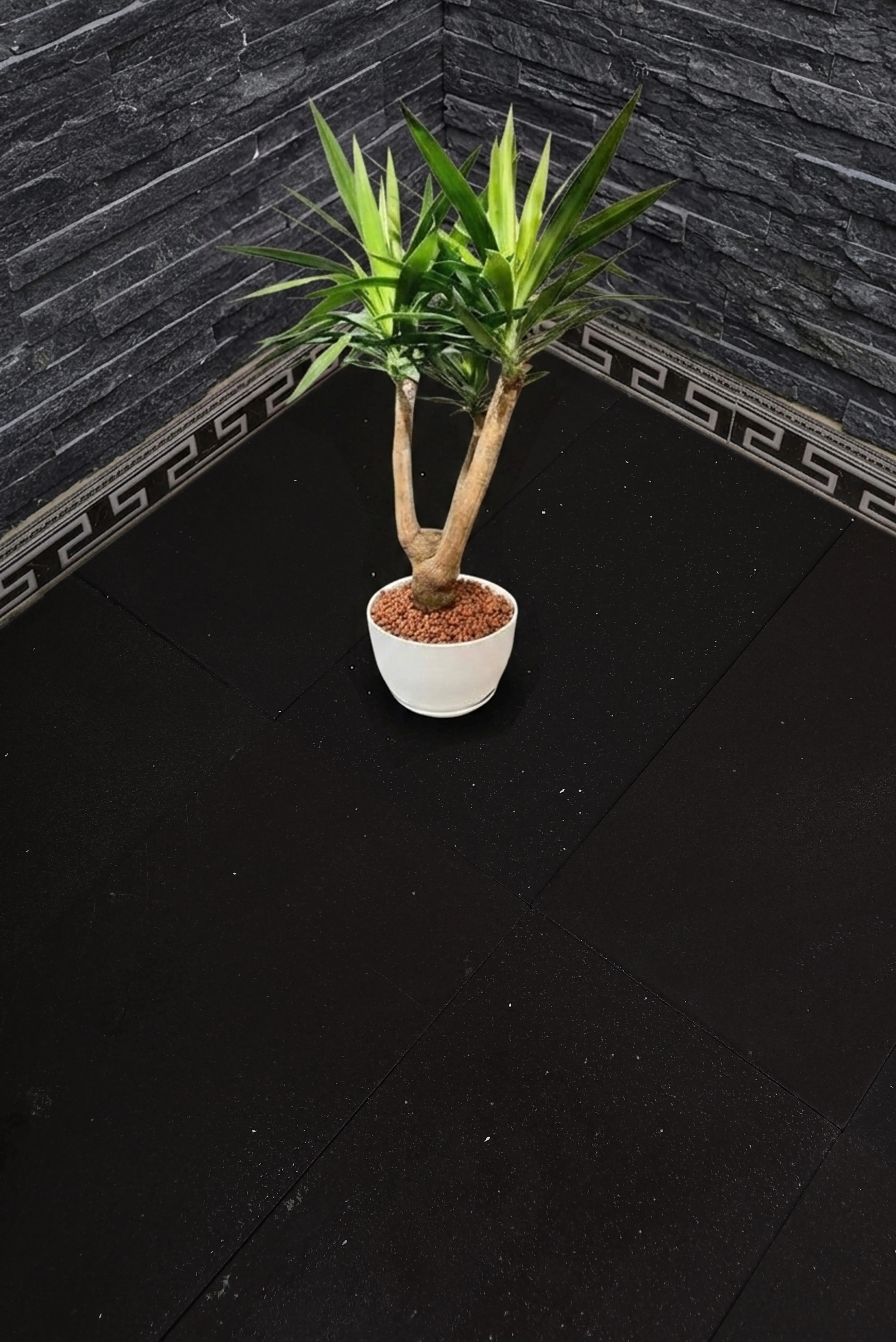
Blue Limestone Vanity Tops vs Kitchen Countertops: Knowing the Difference
The application split between kitchen and bathroom contexts defines most of the specification decisions you’ll face with this material. A blue limestone vanity top operates in a fundamentally less aggressive chemical environment than a kitchen countertop — bathroom surfaces encounter water, toothpaste, and occasional cleaning products, while kitchen surfaces face acids, oils, and heat that test the stone’s resistance continuously.
- Vanity tops in honed blue limestone perform reliably with biennial sealing using a penetrating silicone-based impregnator rated for calcite stones
- Kitchen countertops require annual sealing minimum — and some specifiers recommend semi-annual applications in high-use cooking environments
- Edge profiles matter differently in each context: bullnose and eased edges on vanity tops are low-risk, but kitchen edges accumulate impact more aggressively and benefit from thicker stock (1.25 inches minimum versus the 0.75-inch thickness sometimes used on vanity applications)
- Undermount sinks with blue limestone require careful waterproofing at the cutout perimeter — the stone at this interface is most vulnerable to prolonged moisture infiltration
Here’s what often gets overlooked in bathroom applications specifically: the splash zone behind faucets sees concentrated water exposure that accelerates sealer degradation faster than the main countertop field. You’ll want to apply an extra sealer coat in a 6-inch radius around every fixture penetration, and schedule that touch-up annually regardless of whether the broader surface still passes the water-bead test.
Thickness, Substrate, and Structural Support Requirements
Blue limestone countertops and vanity tops typically come in two thickness specifications: 20mm (nominally 3/4 inch) and 30mm (nominally 1.25 inches). The choice isn’t purely aesthetic — it’s a structural decision driven by span length, edge treatment, and sink cutout requirements. The 20mm option requires continuous substrate support across its full underside, with no unsupported spans exceeding 16 inches. The 30mm specification provides enough flexural strength to bridge cabinet openings and accommodate standard undermount sink cutouts without continuous backing.
- Plywood substrate should be 3/4-inch exterior-grade minimum, fully adhered to the cabinet carcass before stone installation begins
- Thinset mortar designed for natural stone (ANSI A118.4 modified or better) is the appropriate adhesive bed — avoid standard tile mastics on countertop applications where moisture is present
- Support corbels or brackets are required for overhangs exceeding 10 inches in 20mm stone; 30mm stock can typically handle overhangs to 14–15 inches with appropriate substrate geometry
- Cooktop cutouts require reinforcement at the perimeter — the heat differential between cooktop surround and stone field creates micro-stress concentrations that can develop hairline fractures over time if the substrate isn’t fully rigid
The flexural strength data for limestone published by USGS limestone composition research shows meaningful variation between limestone types, which reinforces why you need to confirm the specific density grade of your blue limestone before finalising thickness specifications for long unsupported spans.
Finish Selection and Surface Performance Across Applications
Your finish selection on blue limestone countertops is a performance decision as much as an aesthetic one. Honed finishes — ground to a smooth, matte surface without the crystalline reflectivity of a polish — are the professional default for two reasons: they show etching less dramatically when it occurs, and they provide a working surface texture that’s more forgiving under daily kitchen use.
Polished blue limestone has a genuinely beautiful surface, but you need to be honest about what it requires in a kitchen environment. Etch marks from acids show as dull patches against the high-gloss field, and the visual contrast is stark. Refinishing to restore a polished surface requires professional regrinding — it’s not a homeowner maintenance task. In bathroom applications, polished finishes are more viable because the chemical exposure is controlled, but even there, honed finishes age more gracefully over a 10-to-15-year ownership cycle.
- Honed blue limestone: matte surface, etch marks less visible, easier sealer application, recommended for kitchens
- Polished blue limestone: high gloss, dramatic colour depth, etch marks highly visible, better suited to low-acid bathroom applications
- Brushed or antiqued finishes: textured surface, excellent slip and grip characteristics, popular for spa-style vanity applications, requires slightly more aggressive sealer penetration due to surface texture depth
- Flamed finish: not appropriate for countertops — produces excessive micro-roughness that traps contaminants
For clients who love the look of polished blue limestone but are specifying kitchen applications, the practical answer is to use polished stone on vertical surfaces and backsplash elements where acid exposure is minimal, and specify honed for the countertop field. This approach delivers the visual richness of the polished finish in the eye line without creating an unmaintainable work surface.
For the full range of blue limestone slab options available to specify from, browse our blue limestone slab selection — thickness, format, and finish specifications are listed for each product.
Sealing Schedules and Maintenance Protocols That Actually Work
Sealing blue limestone countertops is non-negotiable — but the application method matters as much as the product selection. Penetrating impregnating sealers (silicone or fluorocarbon-based) are the right category for calcite countertop stones. Topical sealers that sit on the surface create a coating that can peel, discolour, and trap moisture — avoid them entirely on countertop applications regardless of what any product marketing suggests.
- Apply sealer to completely dry stone — moisture in the pore structure blocks penetration and leaves the sealer sitting on the surface where it will peel under use
- Two light coats outperform one heavy coat: apply the first coat, allow 20-minute penetration time, buff off excess, wait 24 hours, then apply the second coat using the same method
- Test sealer effectiveness using the water-bead test: drop water on the surface — if it beads, protection is adequate; if it absorbs within 4–5 minutes, you need to reseal
- Avoid sealing over recently cleaned stone — most stone cleaners leave a film that blocks sealer penetration; rinse thoroughly and allow 48 hours of drying before sealer application
- Never use bleach, vinegar, ammonia-based cleaners, or grout haze removers on blue limestone countertops — all will etch the surface immediately
Daily maintenance is straightforward when you keep it simple: pH-neutral stone cleaner or plain warm water for routine cleaning, immediate blotting (not wiping) of acid spills, and a dry microfibre cloth for finish. The instinct to wipe a spill is understandable, but wiping spreads acidic liquids across a larger surface area before the stone has time to be affected — blotting keeps the exposure localised.
Installation Timing and Seasonal Scheduling for Blue Limestone Countertops
Countertop installation doesn’t carry the freeze-thaw risks that exterior paving does, but seasonal timing still influences adhesive performance and joint behaviour in ways that affect long-term installation quality. Modified thinset mortars and epoxy-based adhesives used in countertop fabrication have optimal working temperatures — typically 50°F to 90°F — and the adhesive’s open time, cure rate, and final bond strength all shift meaningfully outside that range.
- Cold-weather installations (below 50°F ambient) extend adhesive open time but slow cure dramatically — you may be looking at 48–72 hours before full bond strength instead of the standard 24 hours, which affects how quickly you can use the countertop
- Hot conditions above 90°F compress the working window for epoxy adhesives to as little as 15–20 minutes, creating problems for large slab installations where precise positioning takes time
- Grout and joint compound application follows the same temperature sensitivity — joints filled in very cold conditions can shrink slightly during cure and leave micro-gaps that allow water infiltration over time
- Scheduling installation on a stable-temperature day — avoiding days with wide morning-to-afternoon temperature swings — gives adhesives the most predictable curing conditions
Morning scheduling generally gives you the most controlled installation window in variable-temperature seasons. Adhesive temperatures track with ambient conditions, and morning starts allow you to complete placement before afternoon temperature peaks compress your working time. This is particularly relevant for fabrication crews installing blue limestone countertops and vanity tops in rooms without climate control — unfinished construction spaces can swing 25–30°F between 7am and 2pm in transitional seasons.
Sourcing, Ordering, and Delivery Logistics
Blue limestone for countertop applications is not a commodity product you can source interchangeably. Slab density, grain structure, and colour consistency vary significantly between quarry origins, and even within a single quarry, different extraction layers produce material with measurably different absorption characteristics. When specifying blue limestone for countertops, confirm the quarry origin and request absorption and density data — not as a bureaucratic exercise, but because that data directly predicts how the surface will perform under daily use.
Middle East quarries — specifically selected quarries from the Middle East operating dense limestone deposits — produce the tightest-grained blue limestone variants, and that density translates directly to lower sealer maintenance frequency and better etch resistance. Citadel Stone sources directly from these quarry operations, which gives our technical team visibility into extraction batch quality that intermediary sourcing doesn’t provide.
- Confirm warehouse stock availability before finalising your project timeline — blue limestone slabs in countertop dimensions (typically 60-inch × 30-inch and larger) are not always in immediate stock
- Lead times from warehouse to delivery run 1–2 weeks for in-stock material; custom-cut or imported-to-order material extends to 6–10 weeks depending on shipping cycles
- Order 10–15% overage on material to account for saw cuts, sink cutouts, and any slab defects discovered during fabrication
- Request matched slabs from the same batch if you’re covering an L-shaped or galley kitchen — colour and veining consistency across multiple pieces requires sequential batch matching
Truck delivery scheduling for large countertop slabs requires you to confirm site access — slabs in 30mm thickness at full countertop dimensions are heavy, and a tight driveway or multi-story delivery without a freight elevator changes the logistics equation significantly. Coordinate with the delivery team on access constraints before the truck is dispatched.
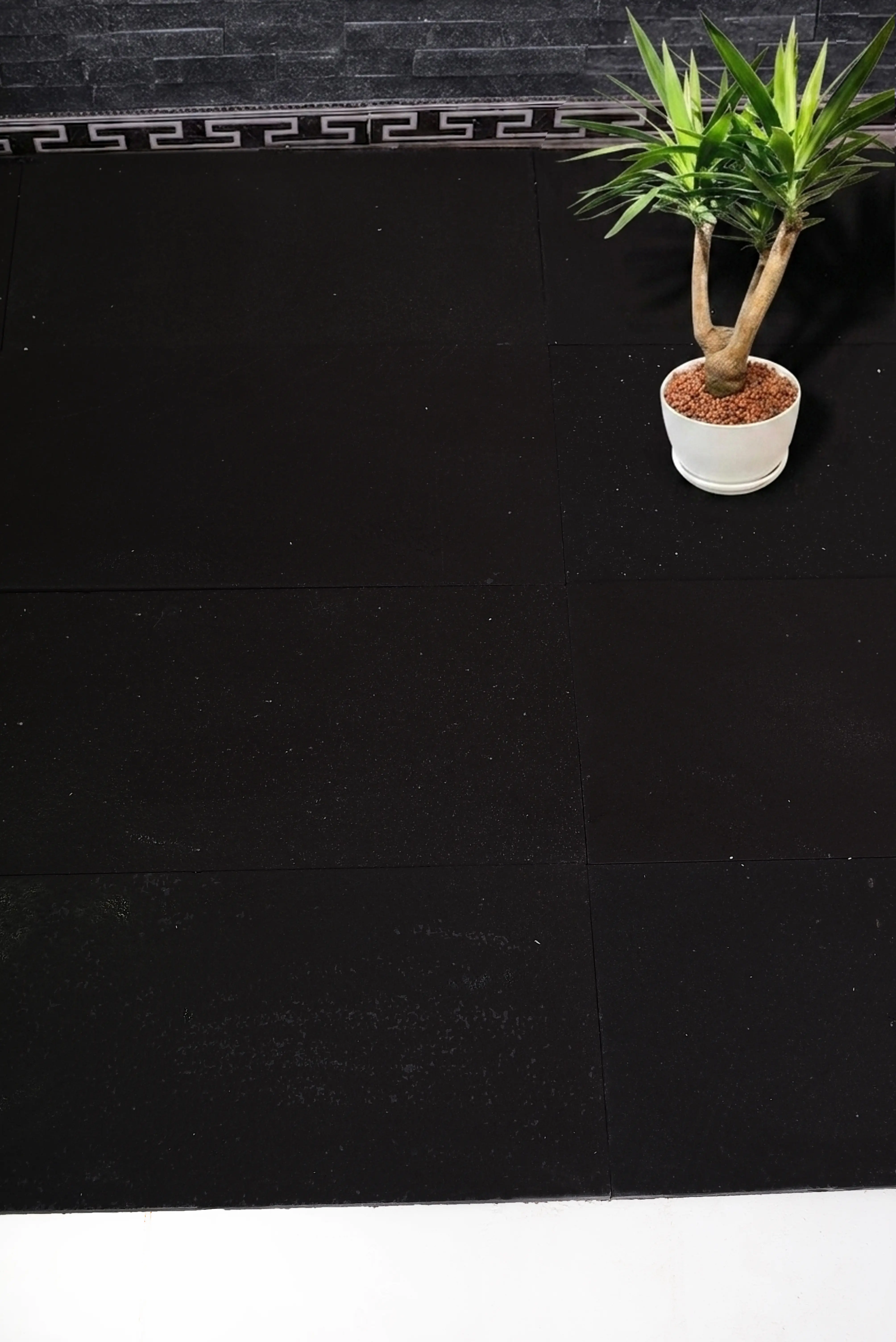
Design Integration and Aesthetic Pairing for Blue Limestone Surfaces
Blue limestone countertops work best when the design surrounding them leans into the material’s natural cool-toned, organic character rather than fighting it. The stone’s palette — ranging from pale grey-blue through medium slate to deep charcoal-blue depending on quarry depth — pairs most naturally with warm wood tones, brushed brass or matte black hardware, and painted cabinetry in warm whites, off-whites, or deep forest greens. These combinations create contrast that lets the stone’s subtle colour variation read clearly rather than disappearing into a monochromatic scheme.
- White cabinetry with blue limestone countertops creates a clean, architectural pairing — choose warm whites over cool whites to avoid a clinical appearance
- Dark cabinetry (navy, forest green, charcoal) allows the lighter tones in blue limestone to provide visual relief — effective in kitchen islands where the countertop is viewed from multiple angles
- Natural oak or walnut cabinetry introduces warmth that complements the stone’s cooler mineral quality without overwhelming it
- Backsplash selection should reinforce rather than compete: small-format ceramic, handmade tiles, or continuations of the same blue limestone in a thinner tile format all work well
In bathroom applications, blue limestone vanity tops pair exceptionally well with matte white vessel sinks or undermount rectangular basins — the stone’s surface provides the visual richness while the fixture geometry remains simple. Freestanding tub decks and shower benches in the same material create a cohesive, spa-like language throughout the space. The material’s thermal mass also makes shower bench applications particularly comfortable — the stone doesn’t feel cold the way engineered materials do in a steam environment after a few minutes of warming.
Your Blue Limestone Countertops Action Plan
Narrowing down your blue limestone countertops specification comes down to sequencing decisions correctly. Start with application context — kitchen or bathroom — because that determines finish, thickness, and sealing frequency before you’ve looked at a single slab. Then confirm quarry origin and density data, because not all blue limestone performs at the same level in a countertop environment. Match your finish to your maintenance appetite: honed finishes forgive more and age better in active kitchen use, while polished finishes reward careful bathroom applications with genuine visual richness.
Check warehouse availability early in your project timeline and build in lead time for slab matching if your project requires multiple pieces. Schedule your installation on a temperature-stable day with your fabrication team’s adhesive working window in mind — this is a detail that separates a clean, long-lasting installation from one that shows stress fractures at joints within the first few years. If your project also includes exterior stone elements, the material choices for outdoor surfaces are worth examining separately — blue sandstone versus blue limestone for outdoor paving covers how these two materials compare when the application moves outside.
The Britannica geological record on limestone formation and characteristics reinforces what experienced specifiers already know from field observation: calcite-based stones are reactive materials, and treating them as inert surfaces is the single biggest mistake homeowners and designers make with this category. Keep that chemistry front of mind at every stage — from finish selection through cleaning product choices — and blue limestone countertops deliver the kind of long-term performance that justifies the specification. Because blue limestone is calcite-based, it carries an etching risk from acidic cleaners — Citadel Stone recommends discussing sealing schedules before finalizing any kitchen countertop installation.
Related reading: Blue Limestone Types Compared: Which Variety Fits? · Blue Limestone Rock: Geology, Density & Durability.