Thickness matters more than color when you start to choose a soapstone slab — and most buyers get this backward. A 1¼-inch slab looks identical to a 1½-inch slab in a showroom photograph, but the structural behavior under point loading is completely different. Knowing how to choose a soapstone slab means understanding that the decisions you make before you ever pick a finish or a vein pattern are the ones that determine long-term performance. This guide walks through the variables professionals actually weigh — from talc content to base preparation — so your specification holds up the way the material promises it will.
What Makes Soapstone Behave Differently from Other Countertop Stone
Soapstone’s defining characteristic is its talc content — the mineral that gives it a smooth, slightly waxy surface feel and its signature thermal stability. Depending on the quarry source, soapstone can contain anywhere from 30% to 80% talc by composition. Higher talc content produces a softer slab with a more pronounced tactile quality; lower talc content pushes the stone closer to the performance envelope of dense schist, with harder surface characteristics and slightly less thermal conductivity. Most architectural-grade soapstone for kitchen applications sits between 50% and 70% talc — soft enough to develop character over time but hard enough to resist everyday impact without fracturing.
The thermal properties deserve special attention. Soapstone’s low coefficient of thermal expansion — roughly 3.0 × 10⁻⁶ per °F — means it handles rapid temperature shifts exceptionally well. You can set a hot pan directly on the surface without the thermal shock risk that would compromise marble or even some quartzites. That same low expansion coefficient also makes it more forgiving in kitchens with radiant floor systems where ambient warmth can affect adjacent surfaces. According to NSI natural stone variety specifications, understanding a stone’s thermal behavior is fundamental to matching material performance to actual use conditions.
The hardness is the honest trade-off. Soapstone typically registers between 1 and 2 on the Mohs scale — softer than marble, dramatically softer than granite. Scratches will appear with use, particularly from knives, citrus rinds, and abrasive cookware edges. This is not a defect; it is a physical property of the material’s composition. The question is whether that characteristic fits your client’s use pattern, not whether it can be engineered away.
Talc Content and Quarry Source: Where Selection Actually Begins
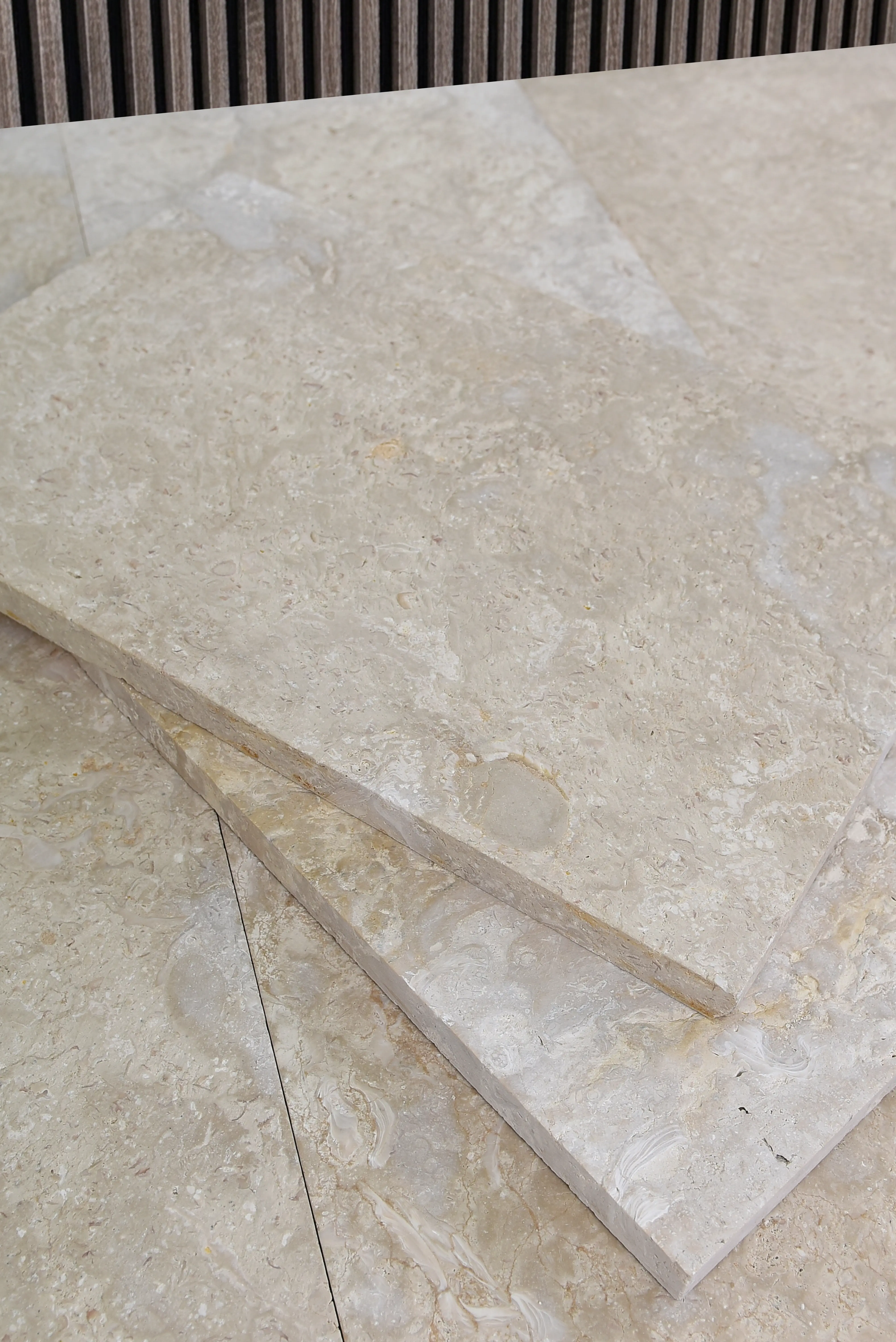
Your soapstone slab specification starts with a quarry-level decision, not a color swatch. Soapstone is quarried from deposits in Brazil, the United States, and selected quarries from the Middle East, and the mineralogy shifts meaningfully between these sources. Brazilian soapstone — particularly material from the Minas Gerais region — tends toward the higher end of the talc spectrum, producing slabs with deep grey-green tonality and that characteristic waxy softness. Domestic soapstone, much of it from Virginia quarries, typically carries a denser matrix with slightly lower talc ratios, yielding a harder surface that some fabricators prefer for high-traffic projects.
Slabs from selected quarries from the Middle East can vary significantly in composition depending on the specific deposit. At Citadel Stone, we conduct incoming material checks that include surface hardness assessment and visual vein consistency review before any slab enters our warehouse inventory — because quarry-level variation within a single country of origin can be wider than the variation between countries. That kind of hands-on sourcing knowledge is what separates a reliable specification from a gamble.
Here’s what most specifiers miss when they review talc content: the number itself tells you the hardness story, but it doesn’t tell you the porosity story. Lower-talc soapstone tends to carry chlorite as the secondary mineral, which affects surface absorption rates. Higher-talc slabs absorb almost no liquid — a meaningful advantage in kitchen environments where wine, oils, and acids are everyday hazards. Confirm the mineral composition report from your supplier before specifying, not after fabrication begins.
Slab Thickness and Structural Considerations for Kitchen Applications
The industry standard for kitchen soapstone slabs runs at 1¼ inches (30mm) for most residential applications. That thickness provides adequate flexural strength for spans up to 24 inches without undermining support — the typical distance between base cabinet runs. For spans exceeding 24 inches, particularly at islands without a center support leg, you should specify 1½-inch (38mm) material. The added mass isn’t just about strength; it’s about the acoustic quality of the surface, the way the slab registers thermal mass, and frankly, how the edge profile reads when the countertop is installed.
- 1¼-inch slabs handle standard cabinet spans and most sink cutout configurations without supplemental backing
- 1½-inch slabs are the correct specification for islands over 36 inches in width or any overhang exceeding 10 inches without corbel support
- ¾-inch soapstone exists and is sometimes offered as a cost reduction — treat it as a vertical application material only, not a countertop grade
- Backsplash applications can use ½-inch or ¾-inch slabs appropriately, since structural loading is not a factor in vertical installations
- Verify that your fabricator’s CNC equipment is calibrated for soapstone’s specific hardness — feeds and speeds that work for granite will chip soapstone along vein lines
Weight is a practical consideration that affects your project planning before the truck ever arrives at the job site. A 1¼-inch soapstone slab at standard 60-by-120-inch dimensions weighs approximately 280 to 310 pounds. Your delivery access, elevator capacity if relevant, and installation crew size all need to account for that load. Soapstone is denser than its softness suggests.
Reading Vein Patterns and Color Consistency Across a Full Slab Order
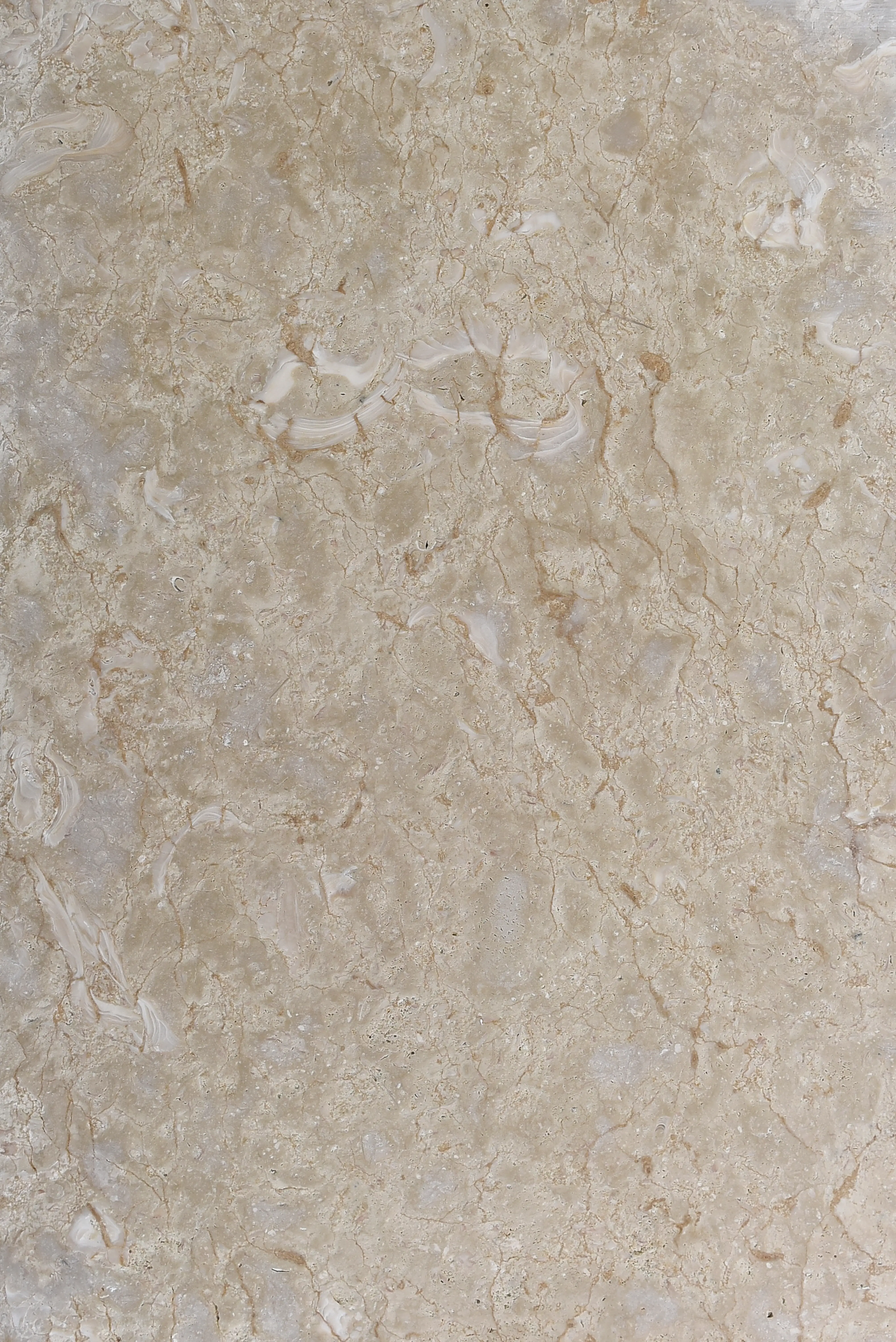
Soapstone’s color palette is narrow by design — grey-green to blue-grey to near-black — but the variation within that palette at the slab level is wider than most buyers anticipate. Vein patterns run from tight, nearly invisible quartz stringers to bold white or lighter-grey veining that cuts across the slab in dramatic diagonal sweeps. Neither is superior; they serve different design intentions. The critical specification decision is ensuring visual consistency across every slab in your order.
For a typical kitchen with a perimeter countertop plus an island, you’ll need material from the same quarry run — ideally from adjacent blocks — to maintain consistent background color and vein character. Color drift between blocks from the same quarry but different extraction periods can be significant enough to read as mismatched slabs once installed. This is a sourcing conversation to have before you commit to the material, not during installation.
Reviewing soapstone slabs for sale in person, under natural light, is the correct protocol — not from digital images. The blue-grey undertones that photograph as flat grey can read as distinctly cooler in morning light versus incandescent evening light. Your client needs to approve material under realistic lighting conditions, and so do you.
- Pull all slabs from the same production lot when ordering for continuous countertop runs
- Photograph slabs in the warehouse under daylight and artificial light before approving a lot
- Check the back face of each slab for fractures, repairs, or quarry seams that might not be visible from the show face
- Allow for 15–20% overage on complex kitchen layouts to account for vein matching and cutout waste
Moisture Behavior and Water Management Around Soapstone Installations
Soapstone’s near-zero absorption rate — typically less than 0.1% by weight — is one of its most underrated performance characteristics in kitchen environments. Unlike marble or limestone, it doesn’t require sealing to protect against water penetration. That said, moisture management around the installation perimeter still matters, particularly at sink cutouts, dishwasher adjacencies, and backsplash junctions where water accumulates over years rather than days.
The substrate beneath the countertop requires attention, especially in environments with significant humidity swings — coastal regions with persistent moisture, areas with seasonal monsoon patterns, or heavily air-conditioned kitchens that cycle between dry and humid conditions. Cabinet tops and the supporting framework need to be dimensionally stable; a warping plywood substrate telegraphs movement into a soapstone slab that, while tough in compression, doesn’t tolerate uneven support gracefully. Specify 19/32-inch exterior-grade plywood as a minimum substrate, and ensure the cabinet installer has confirmed level within 1/8 inch across the full countertop run before templating begins.
At sink cutouts specifically, silicone joint integrity is the moisture control point that most installers underinvest in. The joint between the soapstone field and the undermount sink rim needs to be continuous, fully adhered, and rechecked at 12 months — not because the soapstone fails, but because normal building movement creates micro-gaps that allow water to migrate into the cabinet below. This is a detail that’s easy to overlook during installation and expensive to remediate afterward.
Oiling and Surface Treatment: What the Protocol Actually Involves
Soapstone is one of the few natural stones that benefits from mineral oil application rather than conventional sealing. The oil doesn’t penetrate — remember, absorption is near zero — but it accelerates the oxidation process that darkens the stone’s surface uniformly. Without oiling, soapstone darkens unevenly as oils and handling contact different areas of the surface at different rates. The result is a blotchy, inconsistent appearance that many clients initially mistake for damage.
The oiling protocol for new soapstone countertops runs as follows: apply mineral oil weekly for the first month, then monthly for the following six months, then as needed thereafter — typically two to four times per year once the stone has reached its darkened equilibrium. The oil wipes on with a soft cloth, sits for 15 to 20 minutes, and is then buffed off completely. You’re not leaving a surface film; you’re catalyzing an oxidation reaction. Understanding surface chemistry is essential when advising clients on maintenance routines for natural stone products.
Clients who prefer the lighter, natural color of unoiled soapstone can skip oiling entirely. The stone will still develop patina, but slowly and unevenly. This is a preference decision, not a performance one. What you should communicate clearly is that scratches on unoiled soapstone are more visible precisely because the surface has not yet oxidized to its deeper background color — light scratches read against a lighter field.
Sourcing, Lead Times, and What to Confirm Before You Commit
Soapstone is not as widely inventoried as granite or quartzite, which means lead time planning requires a different approach. Specialty slabs from Brazilian or domestic sources often require import lead times of six to ten weeks if not stocked domestically. Citadel Stone soapstone slabs are maintained in warehouse stock to shorten that window considerably — typically one to two weeks from order confirmation to truck delivery — which matters significantly when your kitchen remodel timeline has a hard cabinet installation date already locked in.
Confirm the following with your supplier before issuing a purchase order:
- Current warehouse stock quantity in your required thickness and approximate lot
- Number of slabs available from the same production block for color consistency
- Lead time from warehouse to delivery, including truck scheduling for your specific access conditions
- Whether the supplier performs pre-delivery slab inspection or ships direct from receiving
- Return policy and damage claim process for transit-related edge chips or cracks
Soapstone slabs shipped by truck require edge protection that not all carriers apply consistently. Specify foam corner guards and vertical stacking with A-frame crating in your purchase order language — don’t assume it’s standard. Edge chips on soapstone occur most often at the corners during transit, not during installation, and a chipped corner on a field slab creates a fabrication problem that eats into your overage allowance.
Fabrication Details That Directly Affect Final Performance
Soapstone’s softness creates specific fabrication requirements that distinguish it from harder countertop stones. Edge profiles with tight radii — anything under a ⅛-inch radius on an eased or pencil edge — are vulnerable to micro-chipping on soapstone. Specify a minimum ⅛-inch radius on all exposed edges, and consider bumping to ¼-inch radius on edges that see frequent contact, like the front edge of a kitchen island. The added radius is barely visible but meaningfully more durable under daily use.
Sink cutouts in soapstone require corner drilling before blade entry. An undrilled corner on a direct router pass creates a stress concentration that can propagate as a hairline fracture in softer material. Any competent natural stone fabricator knows this for marble — apply the same standard to soapstone without exception. Verify this detail during your pre-fabrication shop visit.
ASTM standards for dimension stone — including ASTM dimension stone testing and quality standards — provide the testing framework that serious fabricators use to validate material behavior before cutting. Asking your fabricator whether they’ve worked with soapstone from your specific source is a reasonable quality check; behavior can differ enough between talc ratios that experience with one variety doesn’t fully transfer to another.
- Use diamond tooling rated for soft stone — granite tooling runs too aggressively and generates heat that can cause surface delamination along vein lines
- Water cooling during cutting is non-negotiable — dry cutting soapstone creates fine talc dust and accelerates tool wear significantly
- Polishing soapstone to a high gloss is possible but not recommended — it removes the surface texture that gives the stone its grip and tactile character
- Honed finishes at 400 to 800 grit are the professional standard for kitchen soapstone applications
Getting Your Soapstone Slab Specification Right
The decision to choose a soapstone slab for a kitchen project is a good one when the material’s actual properties match the client’s actual use patterns. Thermal stability, near-zero absorption, and a surface that develops genuine character over years of use — these are real advantages, not marketing copy. The trade-off is a Mohs hardness that requires honest client communication about scratches, a surface that needs oiling to age gracefully, and a fabrication process that demands more attention than granite or quartzite.
Your specification checklist should start with talc content and quarry source, move through thickness requirements based on actual span conditions, confirm vein consistency across the full lot, and lock in lead times before your project schedule depends on material that hasn’t shipped yet. Reviewing soapstone slabs for sale requires confirming lot consistency and supplier stock depth — two details that are easy to skip when a project timeline is pressing. The post-installation conversation with your client about oiling, scratch behavior, and what constitutes normal patina is as important as the specification itself — set those expectations at the design stage, not after the first knife mark appears. As you evaluate other natural stone options for related project elements, understanding how different materials compare can sharpen your selection criteria — Carrara and Calacatta marble compared offers useful context on how two closely related materials diverge in ways that parallel soapstone’s own specification story. Unlike harder stones, soapstone available through Citadel Stone develops a natural patina over time that many buyers find desirable in kitchen settings.
Related reading: How to Choose a Marble Slab for Countertops · Remnant Granite Slabs vs Full Slabs: Which to Buy.