

What Cheap Stones for Patio Actually Mean in Practice
Cheap stones for patio projects are defined by total lifecycle value, not the lowest price tag per square foot — the buyers who understand that distinction consistently outperform those who shop on material cost alone. Balancing upfront material spend, installation labor, and long-term maintenance into a single total cost picture is what separates a smart patio budget from an expensive mistake. When you focus only on material price, you often end up spending more over a decade than if you’d selected a modestly priced natural stone option from the start.
The material-to-labor ratio is the calculation most budget-minded buyers overlook. In many markets, labor runs two to three times the cost of the stone itself, so a material that installs quickly and requires minimal cutting delivers real savings even if its per-square-foot price is slightly higher than the absolute cheapest option. Natural stone pavers with consistent dimensions — like tumbled limestone or honed sandstone — cut installation time measurably compared to irregular flagstone that requires field fitting on-site.
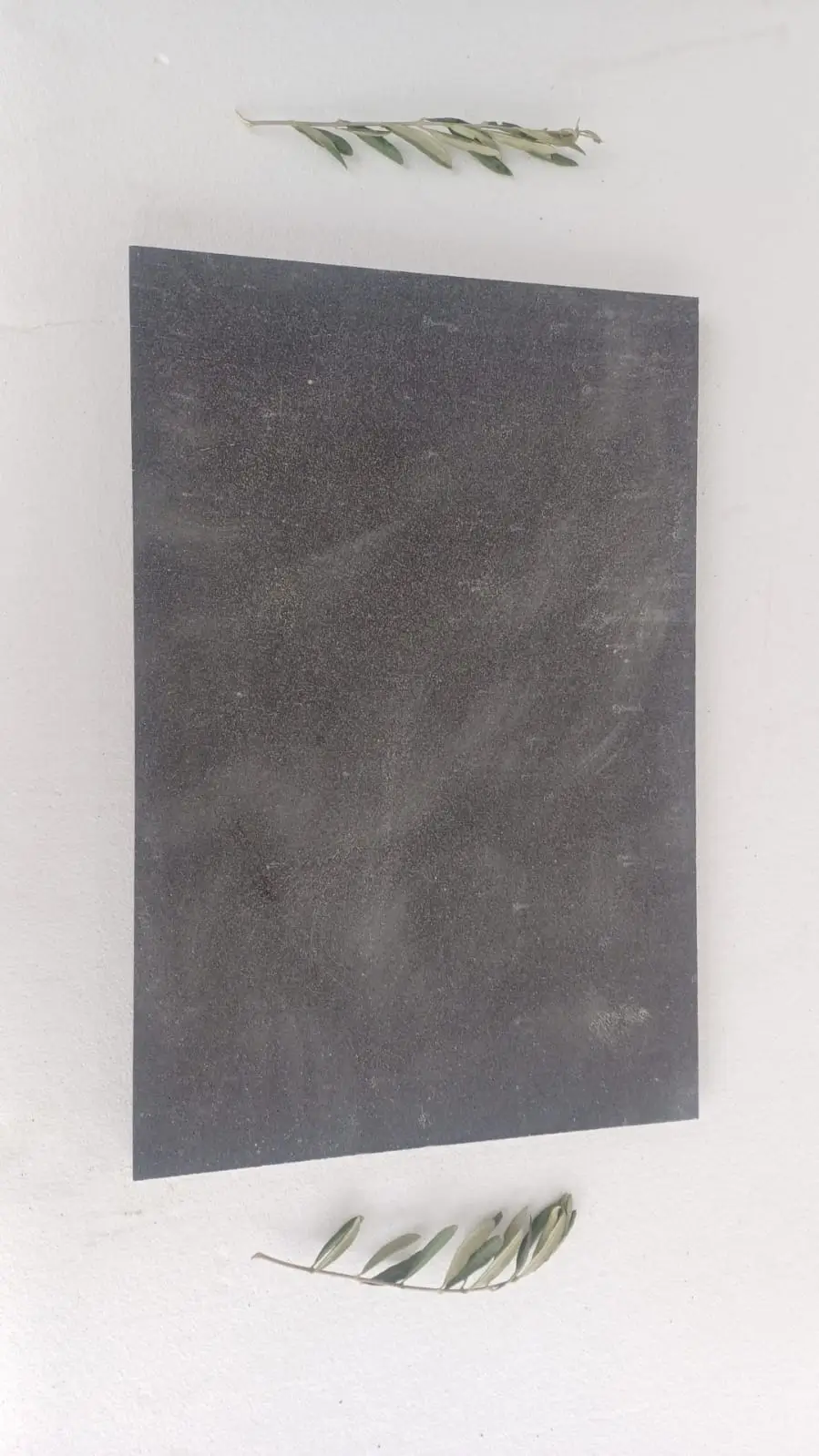
The Most Affordable Natural Stone Types for Patios
Not all natural stone is expensive. Several stone families offer genuine durability at price points that compete directly with concrete pavers, especially when you account for shipping from quarries that supply in volume. Here’s a breakdown of the most cost-effective inexpensive patio stones you’ll encounter:
- Limestone pavers: One of the most widely available and inexpensive patio stones in the natural stone category — sourced from quarries across the USA and from selected quarries in the Middle East, keeping supply consistent and pricing competitive
- Sandstone pavers: A budget-friendly sedimentary option with good compressive strength for residential patio loads; thickness consistency makes installation straightforward
- Travertine pavers: Often priced lower than granite or marble, particularly in tumbled finishes; high availability keeps costs down for mid-range budgets
- Quartzite pavers: Harder than most sedimentary stones and surprisingly affordable when sourced in standard sizes; low maintenance over time reduces total project cost
- Bluestone pavers: Moderately priced with excellent freeze-thaw resistance; a reliable mid-budget choice for patios in freeze-thaw regions
According to Natural Stone Institute stone variety specifications, each of these stone families has distinct absorption and compressive strength characteristics that directly affect outdoor performance. Understanding those technical differences helps you match the right stone to your budget without sacrificing longevity.
Why Limestone Consistently Ranks Among the Cheapest Patio Stones
Limestone sits at the intersection of affordability and performance in a way that few other natural stones match. Its sedimentary formation means quarry extraction is comparatively efficient, which keeps raw material costs lower than igneous options like granite. For budget-focused projects, limestone pavers in the 1.25-inch to 1.5-inch thickness range handle standard residential patio loads without over-engineering the slab specification.
Honed limestone offers a clean, contemporary surface at a fraction of the cost of polished marble or granite. The absorption rate for quality limestone typically falls between 3% and 7% — a range that’s manageable with a penetrating sealer applied every two to three years. That maintenance cycle is predictable and inexpensive, which is exactly what you want when managing a tight project budget. In hot, dry climates, limestone’s natural reflectivity also reduces surface heat buildup — a performance benefit you don’t pay extra for.
USGS dimension stone data confirms that limestone accounts for a significant share of domestic natural stone production, which is one reason pricing remains stable even as demand grows. High domestic production volume keeps freight distances short for many buyers, directly reducing delivery costs — a meaningful line item when shipping full pallets of stone. Browse our affordable stone selection to see current limestone and other budget-friendly patio stone options available for nationwide delivery.
Base Preparation: Where Budget Projects Win or Lose
The most common mistake on budget patio projects isn’t the stone selection — it’s under-investing in the base. You can source the cheapest patio stones available and still end up with a failed installation in three to five years if the compacted aggregate base is inadequate. For most residential patios, a 4-inch compacted crushed stone base is the minimum; in areas with expansive clay soils or high frost penetration, 6 inches is the correct spec.
- Use angular crushed stone (¾-inch minus) rather than rounded pea gravel — angular aggregate compacts to a stable, interlocking base that resists lateral movement
- Compact in 2-inch lifts with a plate compactor, not all at once — single-lift compaction leaves voids that cause settlement under load
- Maintain consistent bedding sand depth at 1 inch (nominal) — deeper sand beds seem like a shortcut but create a spongy surface that shifts under foot traffic
- Check for drainage slope of at least 1% away from structures — standing water undermines even the best base preparation over time
Your labor investment in proper base preparation returns more value than any material upgrade. A well-prepped base is the single factor that separates a 25-year patio from a 7-year one, regardless of what stones for patio use you’ve selected. According to ASLA outdoor patio material selection guidance, proper subgrade preparation is consistently identified as the most critical performance variable in outdoor stone paving systems.
How Freight Distance and Regional Pricing Affect Your Total Budget
Material pricing for inexpensive patio stones varies more by geography than most buyers realize. A limestone paver priced at $4.50 per square foot at a quarry or regional warehouse may arrive at your project site costing $6.50 to $8.00 per square foot once freight is factored in — and that gap widens significantly for buyers located far from major stone distribution hubs. Understanding freight dynamics is essential when you’re value-engineering a patio budget.
Full-pallet ordering is the single most effective way to reduce per-unit freight costs. Truck rates are largely fixed per trip, so distributing that cost across a full pallet of stone rather than a partial order reduces the freight component dramatically. Most standard pallet configurations run 80 to 120 square feet depending on stone thickness and format — enough for a mid-sized residential patio without splitting shipments. When you order slightly more than your calculated coverage area (a 10% overage is standard practice), you avoid the costly scenario of reordering a partial pallet to replace cut or damaged pieces.
Regional labor market conditions also shift the value equation. In markets where skilled hardscape labor commands premium rates, selecting stones for patio projects that require minimal cutting and fitting — regular formats like 12×12 or 16×16 — saves meaningful money on installation. Irregular flagstone may cost less per square foot as material, but if it adds two days of labor for field fitting, the total project cost often exceeds a dimensioned limestone option.
Thickness and Format: Getting the Specification Right on a Budget
Thickness selection affects both material cost and structural performance. For a residential patio with pedestrian traffic only, 1.25-inch (30mm nominal) pavers handle loads adequately when the base is properly prepared. Stepping up to 1.5-inch or 2-inch thickness adds material cost without adding functional benefit in most residential applications — save the thicker spec for vehicle-rated surfaces or commercial installations.
- 12×12-inch and 16×16-inch formats offer the best value: high coverage per piece, minimal cutting waste, and faster installation compared to large-format slabs
- Random flagstone formats lower material cost but increase labor — factor in field cutting time before assuming irregular stone is cheaper overall
- Tumbled finishes on budget stones like limestone or travertine hide minor surface variation and reduce quality-control rejects, effectively improving your usable yield per pallet
- Calibrated (machine-gauged) thickness pavers simplify bedding sand adjustment and reduce installation time versus hand-split or uncalibrated stone
The USGS dimension stone production and use data shows that standard-format dimension stone consistently commands the largest production share in the USA — a direct reflection of installer demand for formats that reduce field labor. Your specification should follow that same logic: pick standard formats over custom cuts whenever budget is the priority.
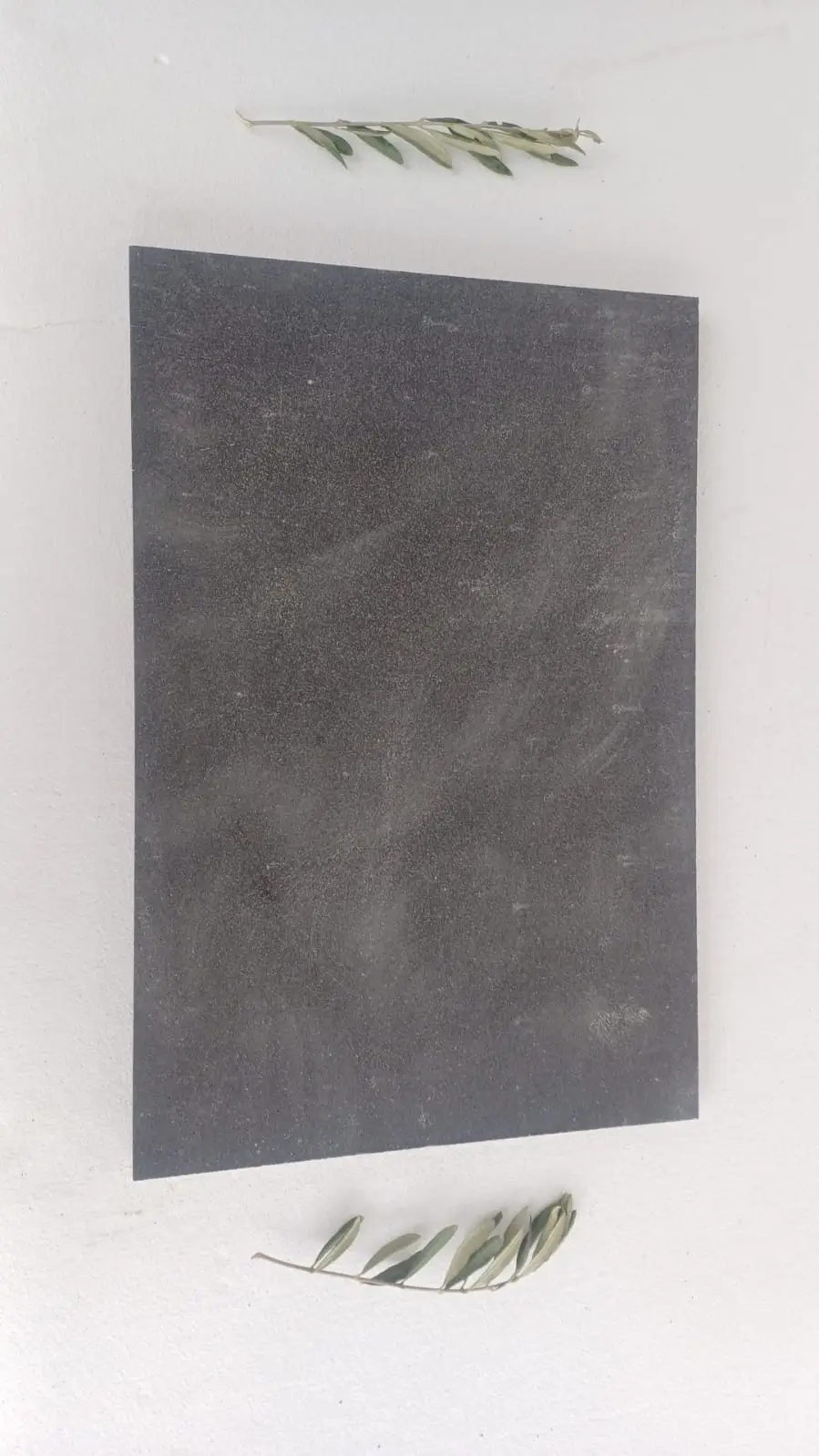
Sealing and Maintenance: Protecting Your Investment Without Overspending
Budget-conscious buyers sometimes skip sealing to save money upfront — and that decision typically costs more in staining remediation and premature surface degradation than the sealer would have. For porous stones like limestone and travertine, a penetrating silane-siloxane sealer applied at installation and refreshed every two to three years is a minimal investment that meaningfully extends surface life.
Premium-tier commercial sealers aren’t necessary for a residential patio. Mid-grade penetrating sealers available from stone distributors and home improvement retailers perform adequately for most residential applications. What matters more than product tier is application technique: clean, dry stone; two thin coats with a 20-minute flash time between applications; and a final wipe to remove surface residue before the sealer cures. Skipping that wipe step leaves a hazy residue that’s difficult to remove after cure.
Maintenance between sealing cycles is straightforward for most budget patio stones. Neutral pH cleaners — avoid acidic or bleach-based products on limestone and travertine — applied with a soft brush handle most staining. For joint sand in dry-laid installations, polymeric sand refreshed every three to four years keeps weed infiltration and ant activity manageable without costly remediation.
Common Mistakes That Cost You More With Inexpensive Patio Stones
Several patterns reliably turn a well-priced patio project into an expensive repair job. Recognizing them before committing to a spec saves real money:
- Ordering from multiple suppliers to save per-unit cost — batch variation between suppliers creates color and thickness inconsistencies that are impossible to blend seamlessly
- Selecting the thinnest available format to reduce material cost — pavers under 1.25 inches are prone to cracking in dry-laid applications where base settlement is possible
- Ignoring warehouse lead times when scheduling installation — stone arriving two weeks late while a crew sits idle costs more than any per-square-foot savings
- Choosing the cheapest quote without confirming stone grade — some suppliers offer lower-grade material with visible fissures, size variation, or color inconsistency that increases waste and labor
- Skipping edge restraints to save on materials — without perimeter restraint, pavers migrate laterally over time and joints widen, leading to full reinstallation
Citadel Stone maintains consistent warehouse stock for the most popular budget patio stone formats, which means you can confirm material availability before scheduling your installation crew — eliminating the costly gap between crew mobilization and material delivery that derails many budget projects.
Making Cheap Stones for Patio Projects Perform at Full Potential
Selecting cheap stones for patio projects doesn’t require compromising on durability or appearance — it requires making smarter decisions about material format, ordering strategy, and base preparation. The buyers who get the best long-term value from budget patio stones are the ones who treat total project cost as the metric, not just the per-square-foot price of the material. Factor in freight, installation labor, sealing, and maintenance over a ten-year horizon, and the right inexpensive patio stone often outperforms concrete alternatives on every dimension. As you plan your project, it’s worth reviewing how installation technique affects long-term performance — laying patio pavers correctly covers the installation fundamentals that make budget stone selections perform at their full potential. Stone for nationwide projects ships in full pallets from Citadel Stone, cutting per-square-foot costs on larger inexpensive patio installations.
Related reading: circular patio paving ideas · patio with stepping stones · fire pit patio stones.