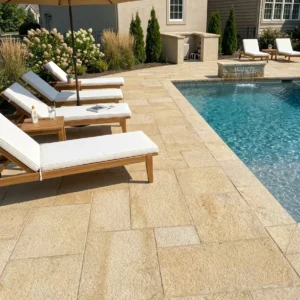
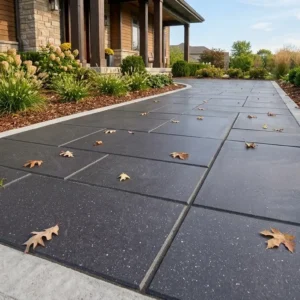
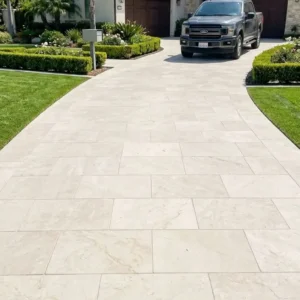
Above even Jarabacoa, the road climbs to the Caribbean’s agricultural anomaly: Constanza, the high valley where the Dominican Republic grows what no island neighbor can – strawberries and flowers, garlic and greens – in fields laid flat at altitude between pine ridges. The valley runs the region’s coolest inhabited climate, nights that genuinely bite in the winter months, and an escape market discovering what the farmers always knew: the high valley is another country, twenty degrees and one climb away. The brief is alpine-tropical, and this guide walks it.
The Agricultural Anomaly
Constanza’s floor sits higher than any Caribbean farm country, and the altitude writes its economy: temperate crops the region imports elsewhere grow here in open fields, flower farms supply the country’s celebrations, and the valley’s greenhouse ridges gleam against the pines. The working landscape is the brief’s foundation – this is farm country first, escape country second – and building joins a valley that measures itself in harvests, not seasons of visitors.
The Cold Clause
The valley’s winter nights drop to sweater-and-blanket cold – the region’s coolest – and the specification learns clauses the coasts never read:
- The fire court as standard equipment, its stone banking the thin sunshine for the evening’s ritual.
- Thermal mass working for warmth: courts and floors placed to harvest the day against the night.
- Covered outdoor rooms rated for genuine chill – the corredor culture in mountain dress.
- Morning surfaces that handle heavy dew and the valley’s occasional fog without treachery.
The Working Farm Brief
The valley’s farms run working infrastructure the tropical lowlands never need: packing sheds and washing lines for delicate crops, working yards at harvest-truck grade, cold-margin surfaces that stay honest under dew and irrigation, and the farm-gate commerce – strawberry stands, flower stalls – that lines the valley road in season. The stone register is agricultural-honest throughout, and its pairing with the valley’s greenhouse pragmatism is the local vernacular: function first, in a landscape that photographs like a postcard anyway. farm-country stone craft walks the dry-island cousin; Constanza runs the cold-wet edition.
The Escape Market
The valley’s second economy is the escape: capital families taking mountain weekends, cabins and lodges multiplying on the pine margins, and a hospitality thread selling the anomaly itself – strawberries picked cold, flowers by the armful, nights under blankets in the tropics. The escape brief runs mountain-domestic with the cold clause applied: fire courts as the social engine, covered terraces over the fields’ quilt, path networks legible in fog, and the working-farm views protected as the product they are.
The Flower Calendar
The valley’s flowers run the country’s celebration calendar – Mother’s Day’s fields stripped by dawn convoys, wedding seasons drawing the planners up the mountain, holiday harvests working through the nights – and the farms serving the trade run event-agriculture infrastructure: staging courts where the crop stages cold, farm-visit circuits for the buyers and photographers, and the packing-line surfaces that keep delicate stems moving at speed. The calendar’s peaks write the working specification; the postcard fields fund it.
The Valley Town
Constanza town serves its valley plainly – the market, the agricultural suppliers, the churches and school runs of a working community – and its building market runs the highland-domestic register with the cold clause: family courtyards designed around the evening fire, plaza fabric maintained with valley pride, and the small-town manners of a place where the harvest calendar outranks every other schedule. Projects that respect the working year – and hire the valley’s own capable hands – build with the town rather than beside it.
The Pine Margins
The escape lots climb the valley’s pine margins, and the margin brief is the mountain canon with the anomaly’s additions: benched terraces engineered to the national code, drainage for mountain rain and valley fog both, fire-court orientation as the plan’s first move, and the view discipline of building above a working quilt – low profiles, valley-toned materials, lights kept gentle so the farms’ dawn starts under stars. The margins hold the valley’s future premiums; their manners hold its welcome.
High-Valley Logistics
The climb is the valley’s filter: the mountain road up from the Cibao corridor demands dry-window scheduling, loads matched to the grade, and the staging patience of high country everywhere. The reward is the anomaly itself – and the discipline is the standing one: consolidated consignments, valley staging, last miles planned where trucks genuinely stop. a valley town’s manners maps the community half of the arrival; the altitude supplies the rest.
The Greenhouse Line
The valley’s modern agriculture runs under plastic and glass – the greenhouse lines that gleam along the ridges, extending the anomaly’s seasons and sheltering its most delicate crops – and the escape economy has learned to borrow the register: farm-stay breakfasts served at greenhouse edges, tour circuits threading the growing lines, and the working courts between the houses floored for barrow traffic and washing lines. The visitor infrastructure runs agricultural-hospitality: paths at tour-group width through working ground, staging courts where the harvest and the visitors share mornings without collision, and the honest detail that makes the farm visit the valley’s signature experience – guests walking real working lines, on surfaces built for the work first and the visit second.
The Anomaly’s Terms
Constanza’s terms are the anomaly’s own: farm country first, cold clause always, fire at the plan’s center and the working quilt protected as the product. Build the high valley on its terms – stone banking the day against the night, manners banking the community against the boom – and the Caribbean’s coolest address repays in its own currency: strawberries in the morning, blankets at night, and a valley that made room.
The High Falls Road
Beyond the farms, the valley’s excursion crown waits up the mountain: Aguas Blancas, the high waterfall dropping its white veil in the cold air – among the Caribbean’s loftiest – reached by a track that earns the visit. The falls economy runs the high-country excursion brief:
- Trailhead staging where vehicles regroup for the track – courts, shade, the last provisioning.
- Viewing platforms at the falls running spray-grade mirador craft in mountain cold: textured stone, rails, benches for the recovery.
- The track’s own honesty – high-clearance access, dry-window sense, and infrastructure that respects a road the clouds close.
The falls complete the anomaly’s portfolio – strawberries, flowers, and a white ribbon in the cold sky – and their modest infrastructure runs the valley’s standing specification: working stone where work happens, patience where the mountain demands it, and the visit’s photograph earned by ground that held the spray season after season.
What a Cold Night Does to a Surface
Constanza is the one Dominican market where night temperatures are low enough to matter, and occasional frost is part of local memory. Repeated cooling and warming drives moisture in and out of pore structure far more aggressively than a constant coastal climate does, which is why absorption matters more here than anywhere else in the country.
- Test absorption on the actual batch before specifying an exposed terrace
- Prefer lower absorption material for anything horizontal and unsheltered
- Detail falls so water leaves the surface before nightfall
- Avoid trapping water in joints under planters and furniture
The variation within a single commercial name is documented in the Natural Stone Institute reference on limestone.
A Working Agricultural Valley
Constanza is farmland first and a retreat second. Greenhouses, packing sheds and produce trucks share the same roads as visitor traffic, and hard landscaping has to accept that.
- Specify vehicle-rated construction on any shared access
- Detail wash-down areas with proper drainage and interceptors
- Use surfaces that tolerate mud rather than ones that show it
- Keep decorative work close to the house and functional work everywhere else
Mountain Ground and the Seismic Setting
The valley sits within the Cordillera Central, on an island whose principal plate boundary structure has a documented history of large earthquakes. USGS work on the Septentrional fault found at least 430 and probably more than 740 years since the last ground-rupturing event on the segment studied, and identified high seismic potential for the densely populated valley below.
- Engineer retaining walls rather than building decorative faces
- Restrain copings and tall piers mechanically
- Use movement joints instead of long rigid runs
- Drain behind every retaining structure
The USGS study of the Septentrional fault sets out the evidence.
Getting Material Up the Mountain
Access is the practical constraint. The roads into the valley are steep and narrow in places, and a full articulated load is not always an option.
- Confirm vehicle size limits before the load is built
- Split deliveries where turning space is tight
- Stage covered storage on site, since weather changes quickly
- Increase spares, because a return trip is a full day
Our national supply and access overview covers what is realistic for highland deliveries.
Constanza valley stone for a cold high valley
Vegetables grow at altitude here for a reason, and the same conditions that suit them are hard on a surface specified for the coast.
- Specify for cold nights and repeated wetting
- Respect the working agricultural setting
- Engineer the terracing and the retaining
- Plan deliveries around mountain access
This valley behaves like nowhere else in the country, and the specification should say so.