Why Decomposed Granite Works So Well in Backyard Design
Backyard decomposed granite design ideas succeed or fail based on one decision most designers skip entirely — the fines-to-aggregate ratio in the material you order. Sourced correctly, DG compacts to a firm, walkable surface that still lets water pass through at a rate most engineered bases can’t match. The grain distribution matters more than the color, and that’s a detail worth getting right before your first delivery truck rolls in.
Popular Backyard Design Approaches with Decomposed Granite
Your layout options with DG are broader than most homeowners expect. The material adapts to formal, structured gardens just as readily as it does to casual, naturalistic designs. Here are the approaches that consistently deliver the best visual and functional results:
- Defined pathways edged with steel, aluminum, or natural stone borders that give the DG a clean line and prevent migration into planted areas
- Open seating areas where the DG surface replaces concrete or pavers beneath outdoor furniture, creating a softer underfoot feel without sacrificing stability
- Dry creek bed features that use DG as a base layer with larger cobbles or flagstone placed on top for visual texture and drainage direction
- Decomposed granite patios framed by low-growing native plants or ornamental grasses, which softens the mineral look without competing with it
- Permeable garden paths that connect planted zones, allowing stormwater to infiltrate rather than run toward foundation edges
The backyard decomposed granite landscape design options that hold up best over time are the ones where edge restraint is taken seriously from the start. A loose edge isn’t just a visual problem — it’s where material migration begins and where weeds find their entry point.
Choosing the Right DG Type for Your Backyard
Three main forms of DG come into landscape specifications, and the differences between them aren’t cosmetic. Stabilized DG includes a binder — typically a polymer resin — that firms the surface considerably and reduces dust. Natural DG has no binder and remains more permeable but requires more frequent top-dressing. Decomposed granite with a decomposed matrix behaves somewhere between the two, depending on fines content.
Your choice should come down to foot traffic patterns and what you’re placing the DG against. Stabilized product is the right call for high-use areas — around fire pits, along primary entry paths, or under dining furniture where chair legs would otherwise dig into a loose surface. For purely ornamental or low-traffic zones, natural DG gives you better water infiltration and a more organic visual quality. According to ASLA permeable surface guidance, granular materials like DG can achieve infiltration rates well above most conventional hardscape alternatives, making them a strong fit for sustainable residential design priorities.
Base Preparation That Actually Holds
Here’s what most backyard decomposed granite projects get wrong — the base layer. A lot of DIY installs go directly onto native soil, and within two seasons, you’re dealing with differential settling and surface pooling after rain events. Your base preparation should follow this sequence:
- Excavate 4 to 6 inches below your finished surface grade, not 2 to 3 inches as most general guides suggest
- Compact the subgrade with a plate compactor before adding any base material — skipping this step undermines everything above it
- Install a weed barrier fabric rated for exterior use, lapping seams by at least 12 inches
- Add 3 to 4 inches of crushed aggregate base (class II road base works well) and compact in two lifts
- Apply your DG as a 2-inch top layer and compact again, lightly dampening the surface first to activate any natural fines
Proper base depth also helps with drainage management during heavy storm events. A well-compacted crushed aggregate base maintains permeability under wind-driven rain loading that would cause surface pooling on a shallow or poorly prepared bed. That drainage path is what protects your planting areas from waterlogging and your landscape rocks decomposed granite surface from erosive wash-out.
Edge Restraint and Storm Durability
DG performs exceptionally well as a low-maintenance surface, but it’s vulnerable to one thing — unsecured edges during severe weather. Wind-driven rain events exert a horizontal force against any granular surface that lacks a physical barrier, and a decorative timber border or loose cobble edge doesn’t provide enough resistance. For backyards in regions that experience periodic heavy storms, your edge restraint needs to be structural.
Steel edging spiked at 18-inch intervals gives you the lateral strength to resist material migration under wind and water pressure. For premium backyard decomposed granite design ideas, benderboard or aluminum channel edging set into a concrete haunch provides even greater resistance, particularly along sloped sections where washout risk is highest. The Natural Stone Institute variety specifications confirm that granular stone materials depend heavily on containment systems for long-term surface integrity — a principle that applies directly to decomposed granite installations. Edge joint integrity is what separates a DG surface that looks good after five storm seasons from one that needs constant regrading.
For your project’s material needs, Citadel Stone DG for backyards is available in stabilized and natural grades with warehouse stock ready for delivery across the country.
Color and Texture Selection for Cohesive Backyard Design
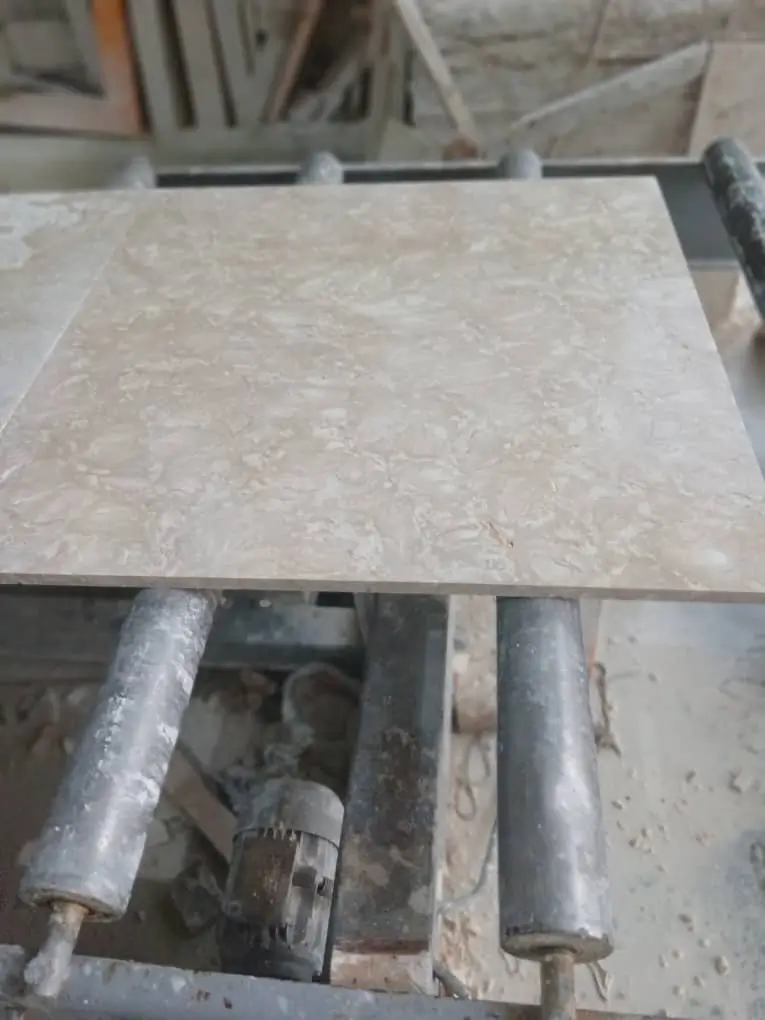
DG comes in a wider color range than most buyers expect at first glance — from warm golds and tan-toned buffs to cooler grey-browns and russet reds depending on the parent rock source. Your selection should be driven by the surrounding hardscape and architecture rather than the plant palette, because plantings evolve seasonally while the DG surface is a fixed visual anchor.
- Warm tan or buff DG pairs well with warm-toned natural stone edging, adobe-style architecture, and terracotta planters
- Grey-brown DG reads more contemporary and suits dark wood decking, steel edging, and concrete-adjacent design styles
- Russet red DG introduces strong color contrast that works in naturalistic gardens but can overwhelm a restrained modern palette
- Fines content affects apparent color — finer material appears lighter and more uniform; coarser blends read darker and more textured
Texture selection also affects surface temperature in hot, dry climates. Coarser, open-grade landscape rocks decomposed granite reflects more radiant energy from the surface and is more comfortable underfoot during peak afternoon heat. Stabilized fine DG with a higher binder content can retain heat longer, which is worth factoring into any backyard seating area specification.
Maintenance Expectations and Longevity
You’ll need to regrade and top-dress a natural DG surface every 12 to 18 months depending on foot traffic and storm frequency. Stabilized DG extends that interval to two to three years but isn’t maintenance-free — surface cracking from freeze-thaw cycles can develop in regions with hard winters, and those cracks need to be addressed before they become drainage channels. The USGS dimension stone production data documents granite-derived materials’ long-term durability as a function of mineral hardness, and DG sourced from quality granite parent rock holds its structure under repetitive mechanical and weather stress considerably better than DG from softer sedimentary sources.
Avoid blowing out your DG surface with a high-pressure leaf blower — this fine tunes away the compacted fines layer that gives DG its firmness. Soft raking and light re-wetting after disruption is the correct maintenance approach. Weeds that penetrate through the fabric barrier should be pulled before they establish root systems deep enough to displace the surface layer.
Quantities, Ordering, and Project Planning
Your coverage calculation starts with the simple formula — area in square feet multiplied by your intended depth in inches, divided by 324, gives you the tonnage for natural DG. For stabilized product, add approximately 10 to 15 percent to account for compaction loss. A common project error is underordering on first delivery and paying premium freight for a small second load when the truck could have carried the full quantity on the first run.
Citadel Stone maintains warehouse inventory across the country, which means most backyard decomposed granite landscape design project quantities can ship within one to two weeks rather than the six-to-eight-week import lead time that specialty stone often requires. Confirm warehouse availability for your specific DG grade and color before finalizing your project schedule — particularly for stabilized product, which has a shorter shelf life once bags are opened and exposed to humidity.
Before You Specify Your Backyard Decomposed Granite Design
The strongest backyard decomposed granite design ideas share a common foundation — they treat DG as a designed surface with specific base, edge, and drainage requirements rather than as a simple fill material spread over native soil. Your specification decisions around base depth, edge restraint type, DG grade, and stabilizer use determine whether the surface performs for three years or fifteen. Natural stone detailing adjacent to your DG field — flagstone steppers, granite cobble edging, or stacked stone borders — adds both visual weight and physical structure that DG alone can’t provide. As you plan your overall hardscape scope, related stone elements are worth considering together; granite curb pricing and specifications covers another dimension of natural stone boundary detail that complements DG installations. Designers frequently pair Citadel Stone decomposed granite with native planting pockets to create cohesive arid-style backyards that require minimal irrigation.
Related reading: crushed granite landscape guide · decomposed granite landscape pros and cons.