Granite’s compressive strength typically exceeds 19,000 PSI — a figure that matters far more than color or texture when you’re selecting material for a project that needs to last decades, not years. Choosing the right granite for landscaping means working through a set of performance decisions that most buying guides skip entirely: finish type, thickness tolerance, boulder-to-paver format ratios, and how your site’s drainage geometry interacts with the stone’s density. Get these right, and you’re specifying a material that outperforms concrete, brick, and most engineered alternatives across every meaningful metric. Miss them, and you’ll be looking at joint failure, surface spalling, or drainage problems within the first five years.
Why Granite Dominates Outdoor Projects
The material’s longevity record isn’t marketing language — it’s geological fact. Granite is an igneous rock formed under intense pressure and heat, which produces an interlocking crystalline structure that resists abrasion, freeze-thaw cycling, and chemical attack far better than sedimentary alternatives. According to NSI granite durability specifications, properly specified granite for landscaping maintains structural integrity through decades of outdoor exposure without the scaling or surface degradation that affects softer stone types.
For landscaping work specifically, this durability advantage translates into a material you can use in multiple formats — pavers, boulders, setts, cobbles, and coping — without switching suppliers or worrying about material inconsistency between project phases. That single-source flexibility is one of granite’s underrated strengths in complex hardscape projects.
Your project scale largely determines which granite format makes sense. Paver formats work for defined walkways, patios, and pool surrounds. Granite boulder landscaping anchors naturalistic plantings, creates elevation transitions on sloped sites, and provides retaining mass without engineered wall systems. Both formats pull from the same quarry lineage, so color matching across a multi-format installation is achievable in ways that mixing stone types rarely allows.
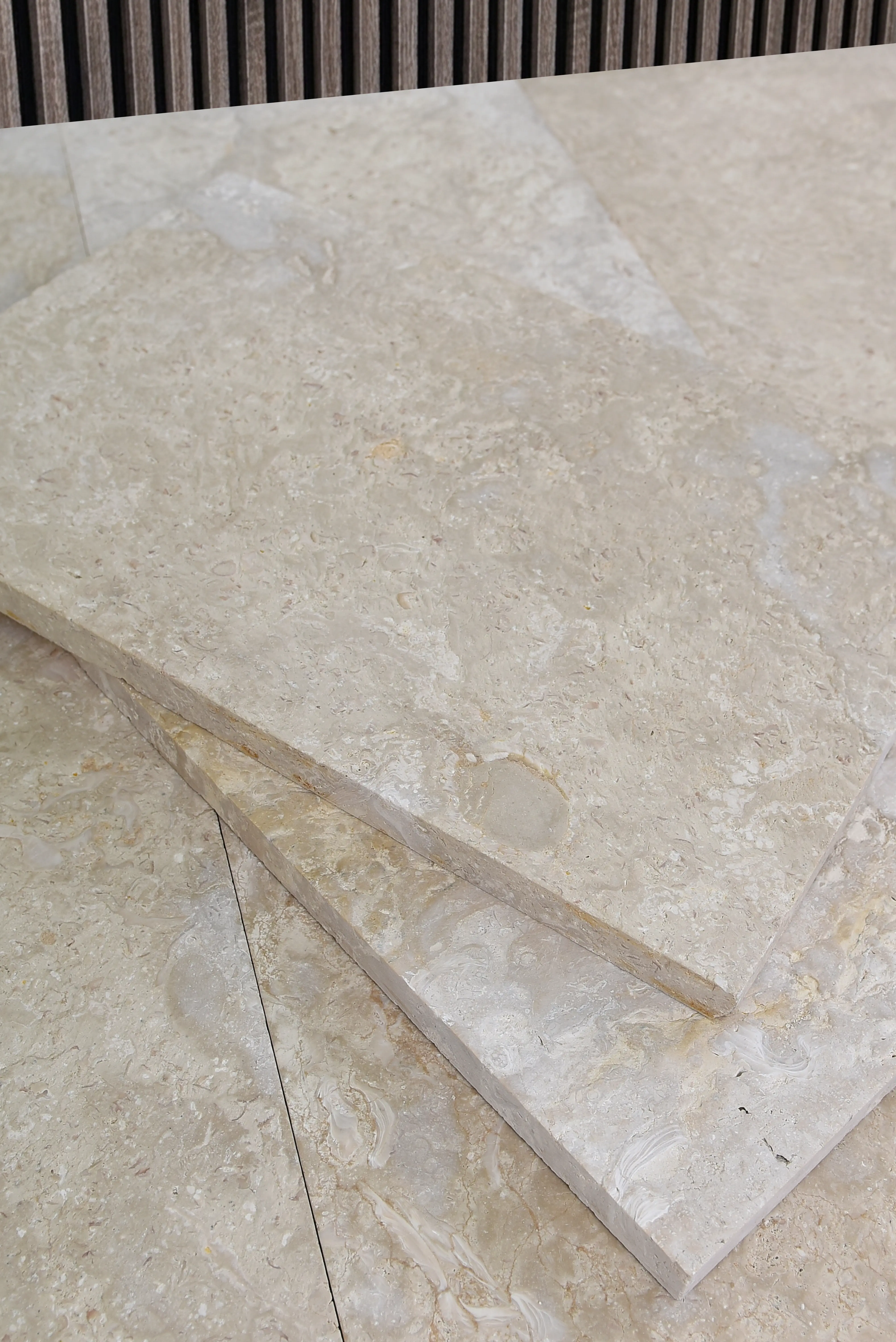
Understanding Granite Color and Finish Options
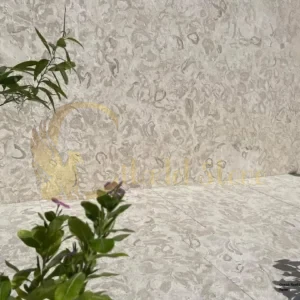
Color selection in granite for landscaping isn’t just aesthetic — it’s a functional specification decision. Lighter granite colors (Silver Grey, Colonial White, Kashmir White) reflect more solar radiation, keeping surface temperatures measurably lower in sun-exposed applications. Darker granites (Absolute Black, Black Galaxy, Dark Impala) absorb significantly more heat, which affects barefoot comfort on pool decks and patios during peak summer hours. For shaded garden paths or north-facing installations, thermal absorption differences matter less, and the visual drama of a darker stone can be used without performance trade-offs.
- Polished finish: Maximum sheen, highest slip risk when wet — best reserved for covered outdoor areas or decorative elements, not primary walkway surfaces
- Honed finish: Smooth but matte, moderate slip resistance — appropriate for patios and low-traffic garden paths with adequate drainage
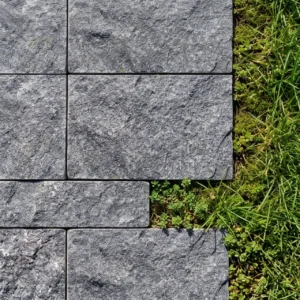
- Flamed finish: Textured surface created by thermal shock treatment, excellent slip resistance — the standard specification for pool surrounds, ramp surfaces, and any area with regular water exposure
- Brushed finish: Wire-brushed texture, natural aged appearance, good traction — popular for driveway aprons, garden steps, and rustic landscape designs
- Sandblasted finish: Uniform coarse texture, highest slip resistance — used for steep walkways, commercial hardscape, and surfaces where ADA compliance is required
Finish selection also affects long-term maintenance. Polished granite shows surface scratches and mineral deposits more visibly than honed or flamed alternatives. In outdoor installations exposed to leaf tannins, irrigation minerals, and soil contact, a textured finish hides weathering more gracefully and requires less intervention to maintain its appearance over time.
Granite Paver Thickness and Structural Requirements
Thickness is where most landscaping specifications go wrong. The standard 3/4-inch granite tile that works perfectly for interior flooring is structurally inadequate for any outdoor paving application with vehicle or sustained pedestrian loading. Your minimum for pedestrian-only granite for landscaping applications is 1.25 inches nominal. For driveway use, vehicle overrun zones, or any surface that occasionally bears equipment weight, 2-inch nominal pavers are the correct specification.
- 3/4-inch (20mm): Interior use only — not recommended for any outdoor installation subject to freeze-thaw cycling or point loading
- 1.25-inch (30mm): Pedestrian patios, garden paths, pool decks — acceptable with a properly compacted aggregate base of 4 to 6 inches
- 1.5-inch (40mm): Heavy pedestrian use, commercial landscape, areas with occasional vehicle overhang — requires 6-inch compacted base minimum
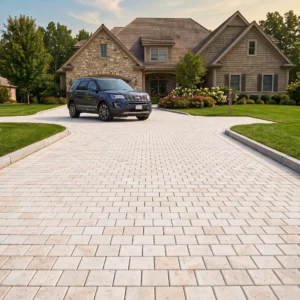
- 2-inch (50mm): Driveway paving, equipment access routes, heavy-load landscape areas — specify with 8 to 10-inch compacted aggregate base and 1-inch sand setting bed
- 3-inch+ (75mm+): Structural granite setts for driveway cobblestone, high-load commercial applications — typically set in concrete rather than sand
ASTM C615 sets the benchmark for granite dimension stone quality, covering flexural strength, absorption, and compressive strength requirements that distinguish specification-grade granite from decorative-grade material. Verify that any granite for landscaping you’re sourcing meets ASTM C615 minimums — particularly the flexural strength requirement of 1,500 PSI, which is the failure mode most relevant to thin pavers under load.
Site Terrain and Drainage Fundamentals for Granite Installation
Terrain geometry shapes nearly every granite installation decision downstream of material selection. Flat sites present drainage engineering challenges that sloped sites resolve naturally — on flat ground, you’re engineering drainage in; on hillside sites, you’re managing drainage through controlled direction. Neither situation is inherently better, but they require fundamentally different base preparation and joint strategies.
On sloped sites with more than a 3% grade, granite pavers need a stepped or raked base course to prevent migration under hydrostatic pressure. Without restraint at the downhill edge — either a granite sett border set in concrete or a galvanized steel edge restraint — pavers will walk downhill over time regardless of compaction quality. This isn’t a granite problem; it’s a physics problem that affects every paver material on grade. The solution is specifying the restraint system before the granite order, not after.
- Grade 0–1%: Drainage is entirely dependent on base permeability and edge outlet design — specify open-graded aggregate base for better drainage performance
- Grade 1–3%: Minimum adequate natural drainage across paved surfaces — standard compacted base with polymeric joint sand works well
- Grade 3–8%: Stepped sections or full-width cross-drainage channels every 8 to 12 feet to prevent sheet flow accumulation
- Grade 8–15%: Granite setts or cobbles recommended over flat pavers — the interlocked format resists shear forces that destabilize flat paver installations on steep grade
- Grade 15%+: Structural engineering input required — granite boulder landscaping walls, stepped terrace design, or reinforced base systems
Low-lying sites present a different challenge. In areas where the water table sits close to the surface or where surrounding terrain channels water toward the installation, hydrostatic pressure from below can lift pavers and disrupt the setting bed. The standard fix is a perforated drain pipe at the base layer perimeter, but this only works if you have a discharge outlet at lower elevation. For sites without a natural gravity outlet, you may need a sump design or a gravel detention layer beneath the base course — a detail worth resolving at the design stage rather than diagnosing as a callback.
Selecting Granite Boulders for Landscape Design
Boulder selection is a different skill set from paver specification, and the decision criteria overlap only partially. Size, shape, and surface character dominate boulder selection, while thickness and finish drive paver decisions. Most landscape projects benefit from a mix of boulder sizes — using one or two dominant sizes in the 200 to 600-pound range, with accent stones at 50 to 100 pounds filling transitions and corners. A single-size boulder installation reads as manufactured rather than natural, which defeats the primary design purpose.
Sourcing boulders and pavers from the same granite family gives you color harmony across the project without requiring perfect matching. Natural granite variation means no two stones are identical, but material from the same quarry source shares the same mineral composition and base color range. At Citadel Stone, we source granite boulders and pavers from consistent quarry origins specifically to support multi-format projects where visual coherence matters.
- Round boulders: Best for naturalistic planting beds, stream simulations, and specimen placements — limited stacking potential
- Angular boulders: Stackable for low retaining applications under 24 inches, better interlocking without mortar, stronger visual presence
- Flat-faced boulders: Useful as informal seating elements, water feature accents, or step risers in naturalistic stairway design
- Rubble granite: Irregular chunks for dry-stack walls, garden edging, and mulch containment — most economical boulder format
Delivery planning for granite boulder landscaping requires more logistical coordination than paver delivery. A truck carrying 10 tons of granite boulders needs 14-foot clearance height, adequate turn radius, and a level unloading position near the installation area. Walk your site access route before confirming a delivery schedule — overhanging trees, soft ground near the delivery point, and tight corners all create complications that are far easier to resolve before the truck is loaded than when it arrives on site.
Granite for Landscaping: Base Preparation Standards
The base is where landscaping granite installations succeed or fail, and most field failures trace back to base shortcuts rather than material defects. Your aggregate base needs to achieve 95% Standard Proctor compaction — a number that matters because it’s the threshold at which aggregate stops settling under load and begins distributing weight predictably. Below 90% compaction, you’re essentially installing pavers on a surface that will continue to consolidate, producing settlement cracks, height differentials, and joint sand loss.
Base depth requirements scale with load and soil bearing capacity. Sandy loam and gravel soils typically support adequate bearing at 4 to 6-inch base depth for pedestrian applications. Clay soils, expansive soils, and sites with organic topsoil layers require deeper bases — often 8 to 12 inches — and sometimes a geotextile separation fabric between native soil and aggregate to prevent clay migration into the base course over time. Skipping the geotextile on clay-dominant sites is one of the most predictable ways to generate a warranty callback in three to five years.
- Excavation depth: Paver thickness + setting bed (1 inch) + aggregate base + 2-inch buffer below frost depth minimum
- Aggregate specification: Crushed stone 3/4-inch minus, clean and angular — rounded river gravel doesn’t compact effectively and creates lateral instability
- Compaction equipment: Plate compactor for pedestrian applications, jumping jack or roller for vehicle-rated installations — hand tamping is insufficient for specification-grade work
- Setting bed: 1-inch coarse sand or stone dust, screeded level after base compaction — do not compact the setting bed before paver installation
- Edge restraint: Concrete haunch, granite sett border, or steel edging at all perimeter edges — essential on every project regardless of grade
Checking your Citadel Stone landscaping stone inventory early in the planning phase lets you align your project schedule with warehouse availability — granite supply can vary by format and color, and confirming stock before finalizing specifications prevents mid-project substitutions that compromise your color palette.
Granite Setts and Cobbles in Landscape Applications
Granite setts and cobbles occupy a specific design and structural niche that flat pavers don’t fill as effectively. Their interlocked, slightly irregular format creates natural drainage gaps, handles grade changes without cutting, and reads as artisanal in a way that rectilinear pavers can’t replicate. The trade-off is surface comfort — cobbles are harder underfoot than flat pavers, which matters for primary pedestrian routes but matters less for driveway aprons, garden borders, and decorative accent bands.
USGS dimension stone production data confirms granite remains one of the most consistently available dimension stone materials in North America, with a stable domestic supply chain that supports both sett formats and large paver slabs. This supply stability is a practical specification advantage: you can price and schedule granite for landscaping projects with greater confidence than materials dependent on single-source imports.
- Granite setts (4x4x4 inch nominal): Standard for driveway surfaces, courtyard paving, and formal landscape grid patterns — set in concrete for vehicle applications, sand for pedestrian
- Tumbled cobbles (variable): Naturalistic finish from tumbling process, excellent for curved garden paths, rustic edging, and stream-bed simulations
- Fan patterns: Cobbles laid in radiating fan sections require careful site layout before installation — establish the fan center point with a stake and string before any stones are placed
- Herringbone and running bond: Both work well for setts in pedestrian areas — herringbone provides better interlocking resistance to lateral movement on graded surfaces
One detail that frequently gets missed on sett and cobble installations is joint sand specification. Standard polymeric sand doesn’t fill the wider, irregular joints that cobblestone creates. You’ll need a coarser polymeric jointing material rated for joints wider than 1/2 inch, or a fine-crushed granite dust that locks by compaction rather than polymer bonding. Using standard polymeric sand in cobble joints produces a surface that looks finished initially but begins washing out within the first heavy rain season.
Maintenance and Sealing for Outdoor Granite
Granite is one of the lowest-maintenance natural stone options available for outdoor use, but “low maintenance” doesn’t mean zero maintenance. The material’s low porosity — typically 0.2 to 0.4% absorption rate compared to 3 to 7% for travertine — means it resists staining far better than most alternatives and doesn’t require aggressive sealing schedules. That said, an impregnating sealer applied at installation and renewed every 3 to 5 years provides meaningful protection against oil-based staining, fertilizer penetration, and surface mineral deposits in irrigation-heavy landscapes.
According to ASTM C615 granite dimension stone standards, the material’s low absorption rate is a defining characteristic that distinguishes it from softer stone categories — a property that directly informs both sealing schedules and long-term performance expectations. Specifying to ASTM C615 in your purchasing documentation ensures the granite you receive has been tested against these absorption benchmarks, not just claimed to meet them by the supplier.
- Annual maintenance: Clear joint sand loss from high-traffic areas, top up with matching jointing material before sand migration undermines paver stability
- Cleaning protocol: pH-neutral stone cleaner for general cleaning — avoid muriatic acid treatments that etch the surface and strip sealers
- Moss and algae: More common in shaded, moist installations — a dilute sodium hypochlorite solution applied annually prevents biological growth buildup without damaging the granite surface
- Oil staining: Respond within 24 hours with a poultice paste — oil that has cured into granite for more than 72 hours becomes significantly harder to extract completely
- Sealer selection: Penetrating silane-siloxane impregnators are preferred over topical film sealers for outdoor applications — topical sealers trap moisture beneath the surface in freeze-thaw regions
Freeze-thaw regions require particular attention to joint sand maintenance. Water infiltrating through depleted joints expands during freeze cycles and gradually lifts pavers — a process that accelerates on north-facing surfaces where melting is slower and moisture retention is higher. Checking and replenishing joint sand before the first hard freeze each year is a five-minute task that prevents a day-long paver reset the following spring.
Ordering, Logistics, and Project Planning for Granite
Accurate quantity takeoff is the logistical foundation of any granite for landscaping project. Paver quantities are calculated by square footage plus a waste allowance — 7% for straight cuts and simple patterns, 10 to 15% for diagonal layouts, circular patterns, or irregular site shapes with significant perimeter cutting. Boulder quantities are calculated by weight (tons) or by count, depending on how your design specifies them. Ordering short means waiting for a second delivery; ordering significantly over means paying to haul away or store surplus stone.
Citadel Stone maintains warehouse stock across granite formats, which typically reduces lead times compared to special-order imports. For time-sensitive projects, confirming warehouse availability before your installation crew is scheduled prevents the delays that occur when material arrives after the installation window. Our technical team can help you verify format availability and confirm that color lots are consistent across the volume you need — color variation between warehouse batches is a real issue on large projects that benefits from proactive coordination.
- Lead time planning: Allow 1 to 2 weeks for warehouse stock orders, 6 to 10 weeks for special-order or large-format granite not held in regular inventory
- Site access assessment: Measure gate widths, overhead clearances, and turning radii before scheduling truck delivery — a standard flatbed delivering granite pavers needs approximately 40 feet of straight run to unload safely
- Staging area: Plan a level staging area near the installation zone — moving granite twice adds significant labor cost, particularly for boulders and heavy paver pallets
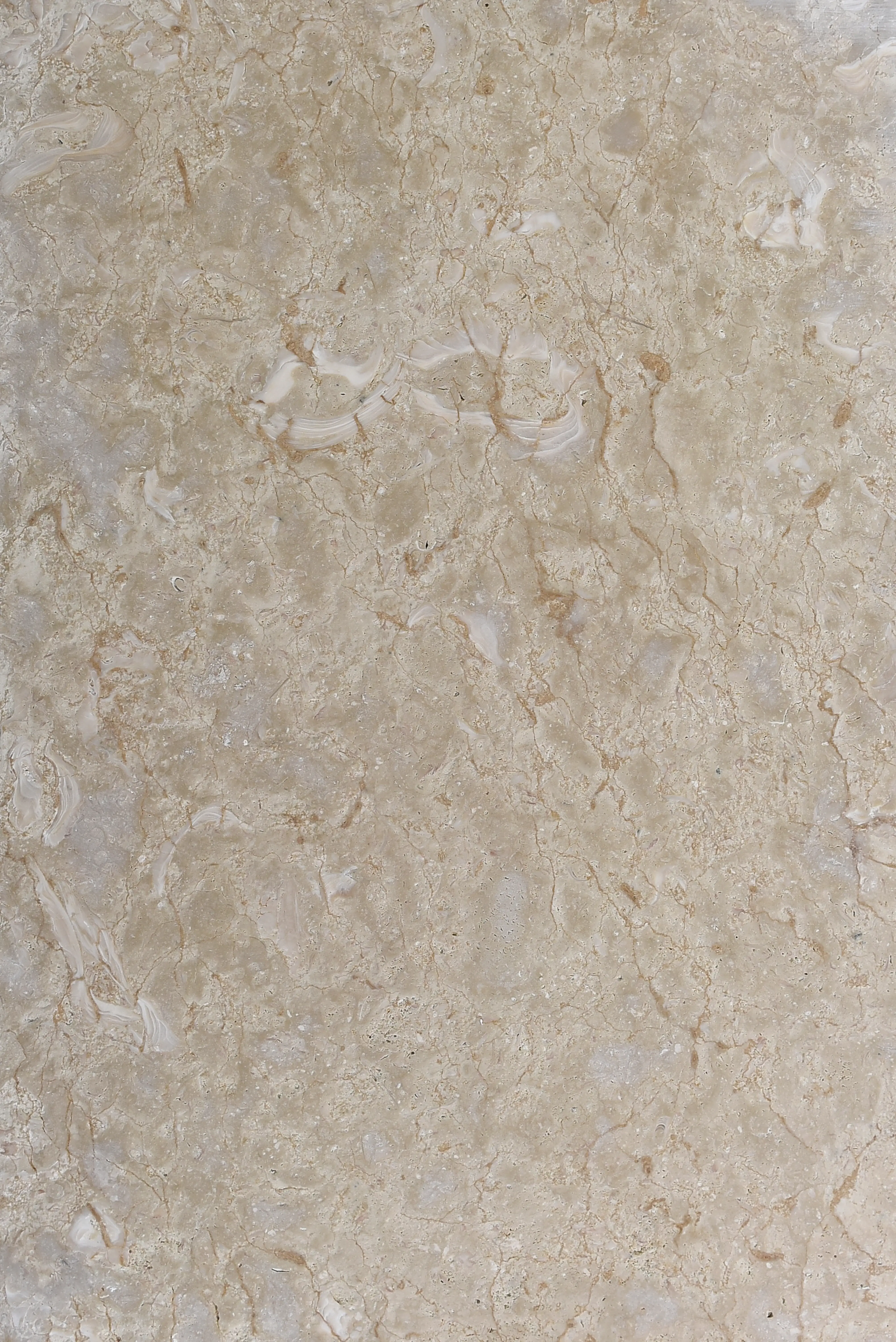
- Sample ordering: Request physical samples before committing to a full order for large-scale projects — color descriptions and photographs don’t fully represent how granite reads in natural light on your specific site
- Delivery sequencing: On multi-phase projects, schedule paver delivery to align with base preparation completion — granite sitting in pallets on unstabilized soil risks pallet failure and potential site access damage
The USGS dimension stone production data contextualizes why granite remains the dominant choice across commercial and residential landscape specifications: domestic production volume supports competitive pricing and supply consistency that imported specialty stones often can’t match, particularly on mid-to-large project scales where material volume and timeline certainty both matter.
Professional Summary
Choosing granite for landscaping comes down to resolving a sequence of decisions in the right order: site terrain and drainage geometry first, then format selection, then thickness and finish, then color. Reversing that sequence — starting with aesthetics and working backward to structural requirements — produces installations that look right initially but develop drainage problems, joint failure, or surface deterioration within the first few years. The material itself is forgiving; the installation system beneath it is not.
Your specification should address the full stack: base depth calculated from soil bearing capacity and load type, edge restraint at every perimeter, joint sand matched to cobble or paver joint width, finish selected for the actual use condition rather than the showroom appearance, and sealing scheduled from day one rather than added as an afterthought when staining appears. These aren’t optional refinements — they’re the variables that separate a ten-year installation from a twenty-five-year one on the same granite material. Projects that include both granite boulder landscaping elements and paver fields benefit from reviewing black granite outdoor performance data for additional technical detail on how specific granite colors and finishes respond to prolonged UV and heat exposure — worth consulting before finalizing dark-granite specifications for sun-exposed applications.
Matching granite color and finish to project scale is simpler when sourced through Citadel Stone, where boulder and paver formats share the same natural stone lineage.
Related reading: decomposed granite vs solid granite.