

What a Silver Travertine Pool Deck Actually Delivers
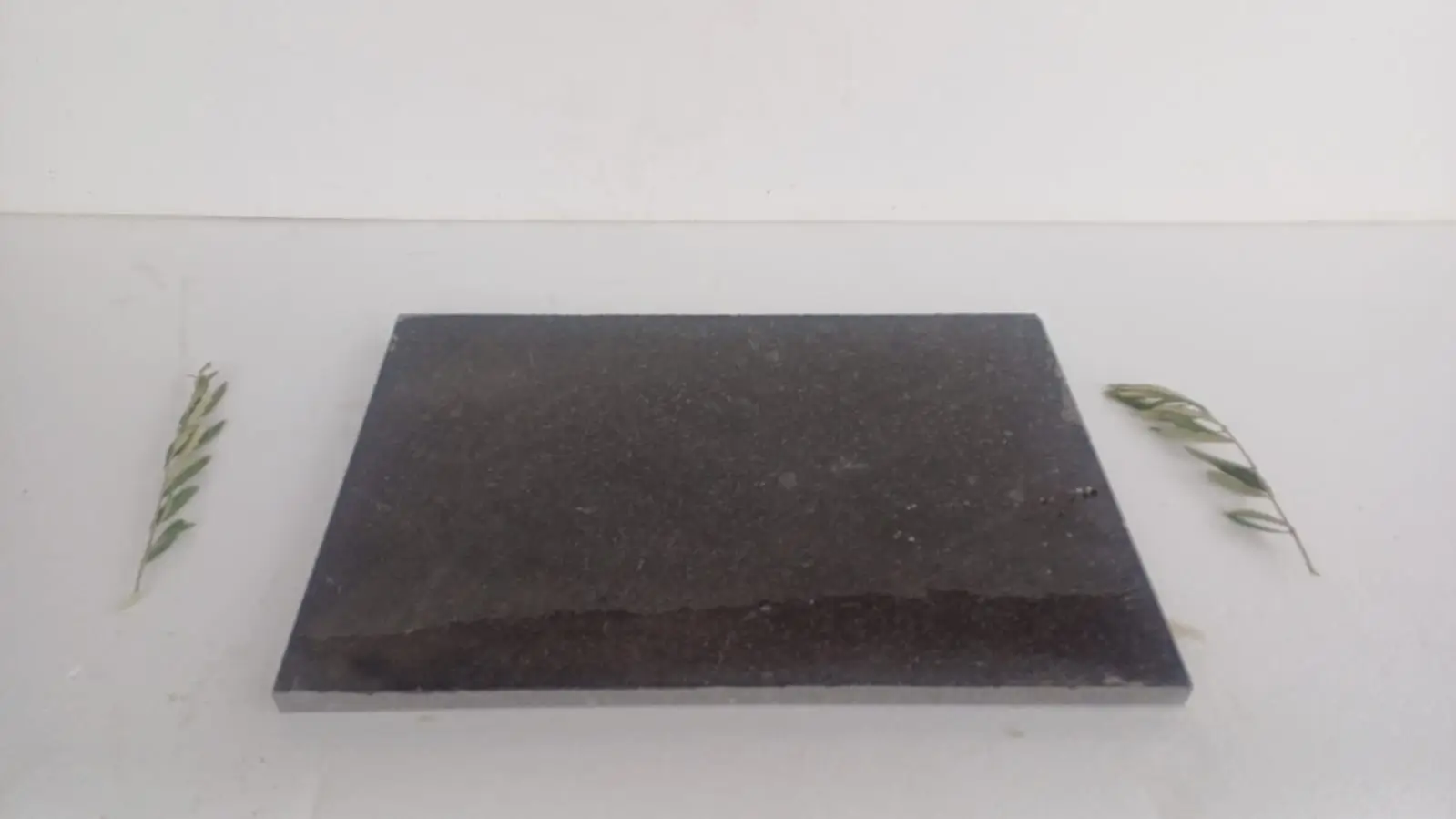
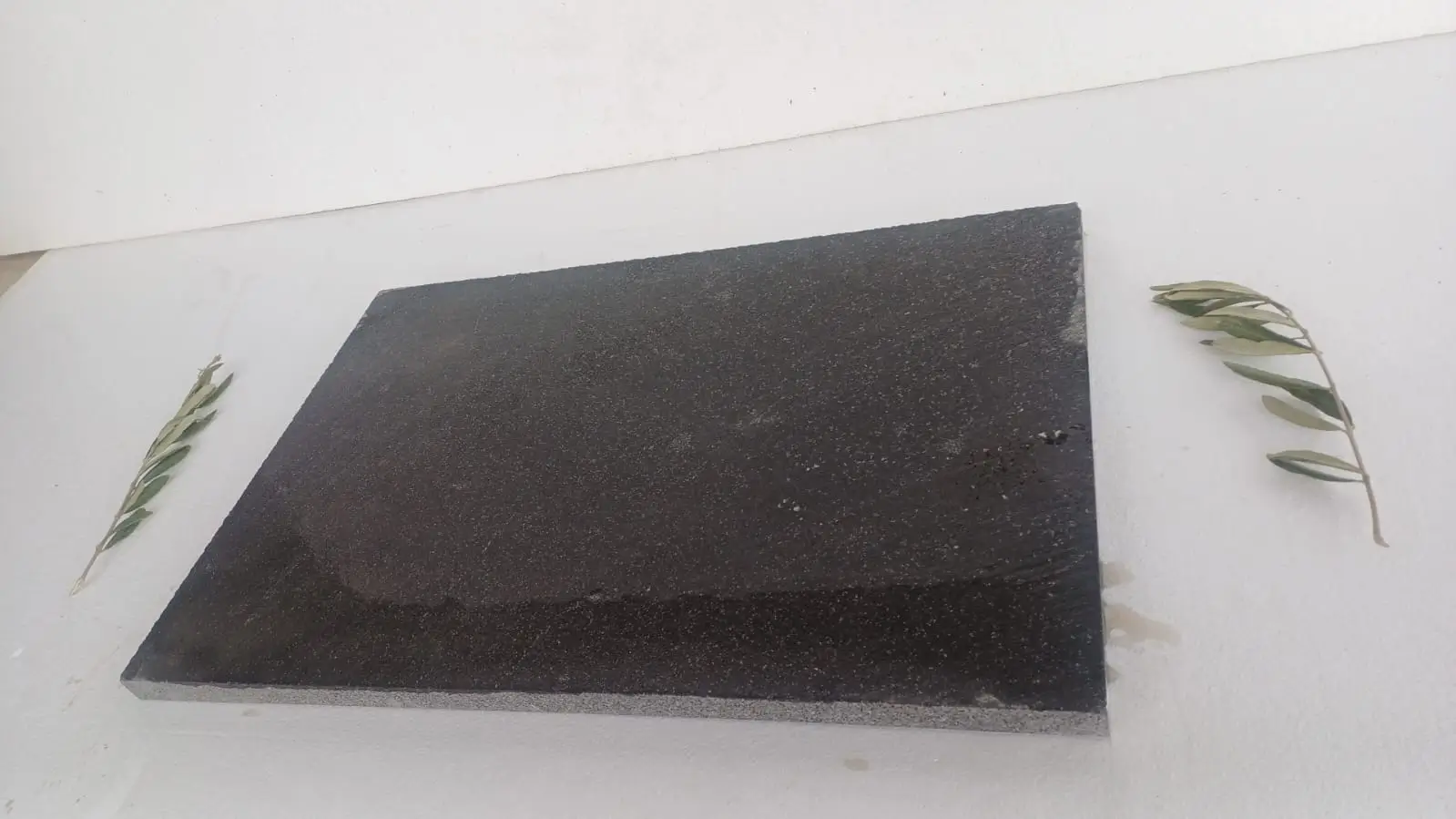
A silver travertine pool deck performs differently from ivory or walnut variants in ways that matter at the specification stage — not after installation. The cooler grey undertones aren’t purely aesthetic; they correlate with a surface albedo in the 0.45–0.55 range, which means meaningfully lower radiant heat load underfoot compared to darker natural stone. Barefoot comfort at midday — often the deciding factor for residential pool clients — is substantially better on silver-toned travertine pool pavers than on basalt or dark granite alternatives. What most specs miss, though, is that the same pore structure responsible for thermal moderation also dictates your sealing schedule and your base drainage geometry.
Material Properties Worth Knowing Before You Specify
Travertine is a sedimentary calcium carbonate stone formed by mineral-rich spring deposits — its open vesicular structure is inherent to the material, not a surface treatment. According to NSI travertine performance data, absorption rates typically range from 3–12%, depending on finish and fill treatment, which directly affects your sealer selection and maintenance interval. Silver travertine sits toward the lower end of that absorption range when properly filled and sealed, making it a workable choice for pool deck environments where water contact is constant.
- Compressive strength: 3,000–8,000 PSI depending on quarry source and stone density
- Coefficient of thermal expansion: approximately 4.4–5.5 × 10⁻⁶ per °F
- Recommended finish for pool decks: tumbled or brushed — honed finishes drop the DCOF below acceptable wet-area thresholds
- Standard pool deck thickness: 1.25″ nominal for pedestrian use, 2″ for areas with cart or equipment access
- Fill treatment: unfilled travertine is not recommended for pool surrounds — water and algae infiltrate open voids rapidly
Slip Resistance and Safety Standards for Pool Surrounds
The DCOF (Dynamic Coefficient of Friction) requirement for wet pool deck surfaces sits at a minimum of 0.42 per industry standards, and your finish selection determines whether silver travertine meets or misses that threshold. Tumbled finishes reliably achieve DCOF values in the 0.55–0.70 range on properly maintained surfaces — a comfortable margin above the minimum. Honed finishes, by contrast, typically test in the 0.30–0.40 range when wet, which takes the material out of compliance for pool surrounds regardless of how visually appealing that polished look might be.
The ASTM C1527 travertine dimension stone specification provides the governing framework for evaluating travertine thickness tolerances, absorption, and modulus of rupture — all of which factor into a defensible pool deck specification. Request material test certificates from your supplier confirming conformance before ordering. Pool deck surfaces that rely on visual assessment alone, without documented test data, create liability exposure that no project budget can absorb.
Base Preparation and Drainage: Where Most Silver Travertine Pool Decks Fail
The silver travertine pool deck installations that underperform aren’t failing because of the stone — they’re failing because of what’s underneath it. A minimum 4″ compacted crushed aggregate base (¾” clean stone) is the starting point, but on expansive clay soils you’re looking at 6″ minimum with a geotextile separator layer. The drainage slope across the deck surface needs to be 1.5–2% away from the pool edge — not the 1% that looks flat and finished, but genuinely 1.5–2%. That extra half-percent is the difference between water clearing the surface in a rainstorm and pooling at the coping joint.
- Setting bed: dry-pack mortar (1:3 cement-to-sand) at 1.5–2″ depth for a rigid installation, or ¾”–1″ bedding sand for a permeable system
- Joint width: 3/16″ minimum for dimensional travertine in pool environments — 1/8″ joints don’t leave adequate room for thermal movement
- Joint filler: polymer-modified sanded grout or flexible polyurethane sealant — standard cement grout fractures under thermal cycling
- Expansion joints: every 10–12 linear feet, not the 15–20 feet that general masonry guidance recommends
- Pool edge detail: the coping-to-deck joint requires a continuous backer rod and sealant, not grout — water infiltration at this joint is the most common failure point
How Pools with Travertine Decking Hold Up Under Storm Loads
Specifiers focused on thermal performance sometimes overlook the mechanical stresses that severe weather events place on pool deck installations. Wind-driven rain penetrates joints at angles that standard drainage design doesn’t fully account for — a fact that becomes obvious after the first major storm season in coastal or open-site installations. Your joint filler selection and edge restraint detailing matter more here than anywhere else in the spec.
Hail impact on filled travertine is generally well-tolerated — the stone’s inherent porosity absorbs minor impact energy rather than fracturing the way denser igneous materials sometimes do. Edge restraint at the pool perimeter is the more critical concern during wind events. Travertine pavers installed without a continuous edge restraint system — whether that’s a poured concrete band, a mechanically anchored coping course, or a mortared perimeter — can shift incrementally under repeated lateral pressure from wind-driven debris and water. Verify that your edge restraint system is anchored at 18″ centers maximum, not the 24″ that some installers default to when the schedule tightens. The PHTA pool deck standards address surround stability requirements that are worth reviewing for projects in exposed locations, as outlined in PHTA pool deck safety and construction standards.
Travertine Silver Finish Options: Matching Surface to Function
Silver travertine comes in four primary finishes you’ll encounter from quality suppliers, each with specific implications for pool deck performance. Tumbled finish is the default recommendation for pool surrounds — the broken edges and textured surface deliver the slip resistance numbers you need and eliminate the sharp arris that full-sawn pavers present around bare feet. Brushed finish is a close second, offering a slightly flatter profile than tumbled while retaining adequate texture for wet-area compliance.
- Tumbled: highest slip resistance, most casual appearance, minor edge variation that requires consistent joint width management
- Brushed: linear texture, moderate slip resistance, cleaner aesthetic than tumbled — works well for contemporary pool designs
- Honed: smooth, consistent surface — acceptable for covered outdoor areas away from the water’s edge, not for the main pool surround
- Filled vs. unfilled: always specify filled travertine for pool deck applications — open voids in unfilled material accumulate organic debris and become slip hazards independent of the finish
For projects pairing silver travertine with light-coloured pool interiors, the brushed finish creates a cohesive, modern visual line that doesn’t read as grey in the finished installation — it reads as a neutral complement to the water colour. That colour relationship is worth communicating clearly in the design package so the client isn’t surprised by the shift in perception between the sample board and the installed surface at full sun.
Sizing and Layout Considerations for Silver Travertine Pool Pavers
Standard pool deck module sizes run from 12″×12″ up to 24″×24″, with 16″×24″ and 18″×18″ being the most practical for curved pool perimeters. Larger formats — 24″×24″ and above — look exceptional in straight runs but create headaches at curved edges where field cutting increases waste and labour significantly. Your waste factor should be calculated at 10–12% for standard rectangular layouts and 15–18% for pools with curved decks or irregular shapes.
At Citadel Stone, we recommend confirming your layout drawing against warehouse stock dimensions before finalising the order — minor dimensional variation between production batches can affect grout joint alignment when you’re mixing pallet lots. Our warehouse inventory covers multiple size formats in silver travertine pool pavers, which lets you verify batch consistency and confirm delivery timing before the project mobilises. Coordinating truck delivery scheduling with your contractor’s base preparation completion is the practical step that prevents material sitting on-site longer than it should.
Sealing and Long-Term Maintenance for Silver Travertine Pool Decks
A penetrating impregnating sealer — silicone or fluoropolymer-based — is the correct product category for a silver travertine pool deck. Topical sealers that sit on the surface create a film that pool chemicals and UV exposure break down within 12–18 months, leading to delamination and an appearance that looks worse than unsealed stone. Penetrating sealers don’t alter the surface texture or DCOF, which keeps your slip resistance numbers intact through the sealing cycle.
- Initial sealing: apply before grouting joints to prevent grout haze absorption into the open travertine surface
- Resealing interval: every 2–3 years under normal pool chemical exposure, annually in installations with aggressive salt chlorination systems
- Efflorescence management: travertine’s calcium carbonate base reacts with subsurface moisture and can produce white mineral deposits — ensure your drainage eliminates standing water beneath the slab
- Chemical compatibility: pool deck cleaners must be pH-neutral — acidic products etch calcium carbonate stone and permanently alter the surface texture and appearance
- Joint inspection: check polymer joint filler annually for cracking or separation, particularly at the coping-to-deck joint where thermal movement is greatest
A well-executed silver travertine pool deck can realistically deliver 20–25 years of service life when the base is properly engineered, the joints are correctly detailed, and the sealing schedule is maintained. That’s not a guarantee — it’s what installations with documented maintenance consistently achieve. Browse our silver travertine pool pavers to review available sizes, finishes, and technical data sheets before finalising your specification.
Getting Your Silver Travertine Pool Deck Specification Right
Specifying a silver travertine pool deck comes down to four decisions that determine performance outcome: finish selection for slip compliance, base engineering for drainage and stability, joint detailing for thermal movement and storm resilience, and a sealing protocol matched to your pool chemistry. Get those four right and the material performs at the top of its category. Compromise on any one of them and you’ll be troubleshooting within the first three seasons — usually at the joints or the coping edge where water finds its way through.
The silver tones in this material category hold their colour well over decades when properly sealed, which is a practical advantage over some limestone variants that can mottle or shift under prolonged UV exposure. For projects where sealing specification is still open, reviewing how travertine responds to different sealer chemistries is a worthwhile next step — travertine pool deck sealing guidance covers the product categories and application timing in detail. Designers pairing glass-tile pool interiors with natural stone decking often specify Citadel Stone silver travertine for its clean, modern palette.
Related reading: Travertine Pool Deck Pros and Cons Explained · Travertine Pool Deck Problems and How to Prevent Them.