

What the Numbers Reveal About Each Surface
The crushed limestone patio comparison most specifiers get wrong isn’t about aesthetics — it’s about long-term surface behavior under load cycling and moisture exposure. Crushed limestone compacts to a dense, interlocking matrix, but that same compaction characteristic creates settlement variability when sub-base moisture content shifts. Limestone pavers, by contrast, distribute point loads laterally through their full thickness, giving you a predictable structural response across the lifespan of the installation. Understanding both materials at a mechanical level is what separates a 25-year outdoor surface from one that needs remediation inside a decade.
Material Properties Side by Side
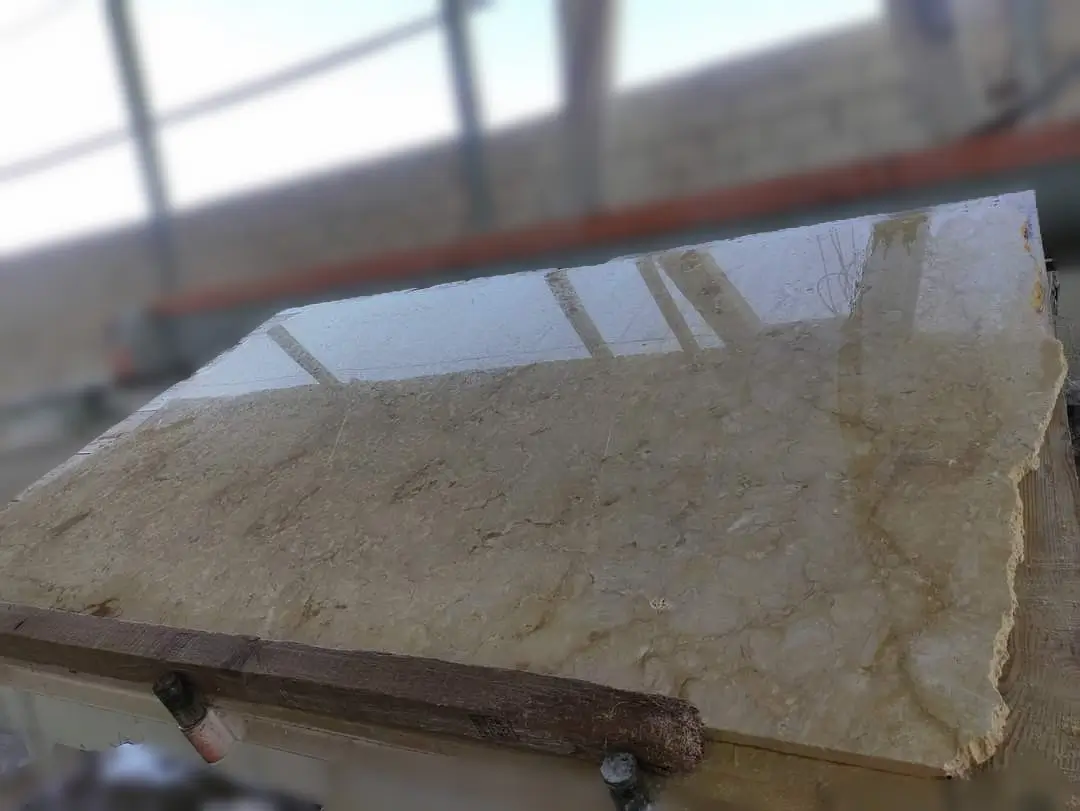
Your decision starts with understanding what each format actually is at a material level. Crushed limestone is a processed aggregate — angular fragments produced by mechanical crushing, typically graded from 3/4-inch down to fine dust (sometimes called crusher run or limestone screenings). Limestone pavers are dimensionally sawn or tumbled blocks of the same parent rock, but processed to consistent thickness and surface finish.
- Crushed limestone compressive strength typically ranges from 6,000 to 12,000 PSI depending on source quarry and gradation blend
- Tumbled limestone pavers from quality sources test at 8,000 to 15,000 PSI compressive strength — higher density, lower absorption
- Crushed aggregate absorption rates run 2–8% by weight; sawn limestone pavers average 3–7% depending on finish and porosity
- Crushed limestone fines content (particles under #200 sieve) directly affects drainage performance — too much fine material and you lose permeability fast
- Paver thickness for residential patios typically runs 1.25 to 2 inches nominal; crushed limestone depth for equivalent load support requires 4–6 inches compacted
According to Natural Stone Institute limestone technical specifications, limestone’s calcium carbonate composition gives it a thermal expansion coefficient of roughly 4.4 × 10⁻⁶ per °F — well below concrete at 5.5 × 10⁻⁶ — which means dimensional stability across temperature swings is inherently better in solid stone formats.
Cost and Installation: The Real Trade-Offs
The upfront cost differential is real, and you shouldn’t underestimate it. Crushed limestone aggregate typically runs $30–$65 per ton delivered, depending on proximity to a quarrying region and current freight rates. A standard 400-square-foot patio built with 4 inches of compacted crusher run requires roughly 4–5 tons of material — call it $150–$325 in aggregate cost before labor and base preparation.
Limestone pavers, including tumbled limestone pavers in 12×12 or 16×16 formats, typically price from $4 to $12 per square foot at the material level. That same 400-square-foot project runs $1,600–$4,800 in stone alone. Labor for a paver installation adds $8–$18 per square foot depending on pattern complexity and joint treatment. The gap is significant — but the right crushed limestone patio comparison accounts for lifecycle cost, not just Day 1 spend.
- Crushed limestone requires periodic regrading and top-dressing every 2–4 years as surface fines migrate or erode
- Limestone paver installations, properly bedded on compacted aggregate and sand, require minimal maintenance beyond joint sand replenishment and biennial sealing
- Regrading crushed aggregate costs $200–$600 per service visit; resealing pavers costs $0.50–$1.50 per square foot
- Over a 20-year period, total cost of ownership for a well-installed paver patio typically rivals a frequently-maintained aggregate surface
Drainage and Water Management: Where the Comparison Shifts
Here’s where the crushed limestone patio comparison gets genuinely interesting, and where most guides oversimplify. Properly graded crushed limestone — particularly an open-graded mix without excessive fines — offers excellent natural permeability. Water drains through the voids between particles rather than sheeting across the surface. That’s a real advantage in regions with high annual rainfall, monsoon-season intensity, or flash-flooding risk where hardscape runoff contributes to drainage problems.
The catch is fines migration. In climates with heavy rain seasons or sustained precipitation events, the fine particles in crusher run migrate downward and sideways, progressively reducing permeability over time. A surface that drains beautifully in year one can develop pooling zones by year four if the gradation wasn’t specified correctly and the base wasn’t designed with separation fabric. You need to spec a washed open-graded crushed limestone (AASHTO #57 or #67 blend) over a geotextile separation layer to maintain long-term drainage performance.
Limestone pavers take a different approach to water management. The stone surface itself is essentially impermeable, so drainage depends entirely on your joint treatment and surface slope. Dry-laid pavers over open-graded aggregate with permeable polymeric sand in joints can achieve 90%+ permeability — better than poorly-specified crusher run. Mortar-set pavers over concrete require proper 1–2% cross-slope to sheet water to collection points. According to ASLA permeable paving design guidance, maintaining adequate base permeability beneath hardscape surfaces is critical in regions with high-intensity rainfall events or drought-to-flood precipitation cycles.
- For sites with documented drainage challenges or high water table proximity, dry-laid permeable paver systems outperform crusher run that has been in place more than 3–5 years
- Installations in high-rainfall or monsoon-prone regions should specify an open-graded aggregate base (6–8 inches minimum) beneath pavers with wide joints filled with permeable joint stabilizer
- Crushed limestone used in drainage-critical applications must be inspected annually — fines accumulation above 12% by weight signals it’s time to scarify and top-dress
- Surface slope of 1.5–2% away from structures applies to both formats; crushed limestone allows more gentle slopes due to inherent permeability, but 1% minimum is still recommended
Structural Performance and Load Capacity
Your patio’s load profile determines which format makes more sense structurally. Crushed limestone compacted to 95% Modified Proctor density handles pedestrian traffic, patio furniture, and light rolling loads (barbecue carts, garden equipment) without issue. The surface distributes load across the compacted matrix. The vulnerability is edge instability — without containment edging, the aggregate migrates laterally under repeated loading, creating soft zones at the perimeter.
Limestone pavers distribute load through the stone body and into the bedding course and base. A 2-inch paver over 1 inch of bedding sand and 4 inches of compacted aggregate handles residential pedestrian loads comfortably. For heavier use — regular outdoor dining chairs, wheeled planters, or high-foot-traffic entertaining spaces — the paver format is the clear specification choice. The stone doesn’t deform under point loads the way aggregate does, so your surface remains geometrically stable even after years of use. Explore our solid limestone paver collection if your project requires that kind of long-term dimensional stability.
The USGS notes that limestone’s formation from compacted marine sediment gives it a dense crystalline structure particularly suited to compressive load applications — a characteristic that translates directly to paver performance in high-use outdoor settings.
Aesthetic and Design Flexibility
Design intent matters here more than people admit. Crushed limestone delivers a specific aesthetic — the casual, naturalistic look of a gravel garden path or informal courtyard. That look is genuinely appealing in the right context: cottage gardens, rustic landscaping, informal seating areas under pergolas. The warm buff and cream tones of quality crushed limestone pair well with timber structures and native plantings. What you can’t do with crusher run is achieve a crisp, formal edge detail, a precise pattern layout, or a surface that reads as architectural hardscape.
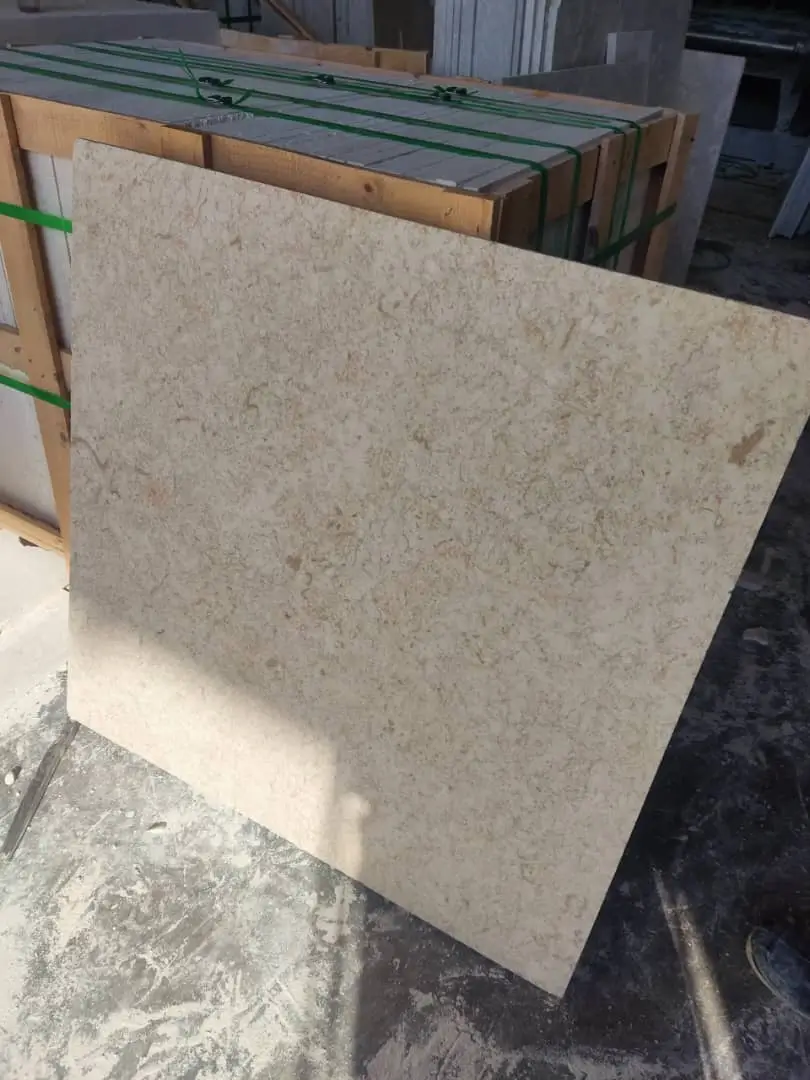
Tumbled limestone pavers give you both options. The tumbled finish delivers a naturally aged, textured surface with softened edges that reads as relaxed and informal — but the modular format allows precise pattern work, formal symmetry, and clean interface with other hardscape elements like steps, walls, and coping. Running a basketweave or herringbone in tumbled limestone produces a surface that feels hand-laid and artisanal rather than clinical.
- Crushed limestone: best for informal, naturalistic design contexts — cottage gardens, rustic courtyards, woodland paths
- Tumbled limestone pavers: versatile across formal and informal registers — traditional, Mediterranean, and transitional styles all work
- Sawn limestone pavers with honed finish: strictly formal — contemporary and classical architectural settings
- Crushed limestone colour range is narrower (typically buff to warm grey); paver options include blues, creams, charcoals, and fossil-rich varieties
- Pavers allow for feature inserts, border courses, and pattern transitions — not achievable with aggregate
Maintenance and Long-Term Upkeep
The maintenance profile for each format diverges significantly after year three, and that divergence is what the crushed limestone patio comparison should weigh most carefully for long-term projects. Crushed limestone surfaces need annual inspection and periodic top-dressing. Fines that migrate to the surface create a dusty, muddy layer that tracks into adjacent spaces. Weed pressure through the surface is real — without a woven geotextile layer beneath the aggregate, you’ll be managing vegetation by year two.
Limestone paver installations require less frequent intervention. A properly bedded and jointed paver patio with biennial sealing can go 5–8 years without significant maintenance beyond occasional joint sand replenishment. The sealer protects against oil staining, organic growth, and freeze-thaw cycling that can cause surface spalling in porous stone. At Citadel Stone, we recommend a penetrating silane-siloxane sealer applied within 60 days of installation and reapplied every 24 months — this specification has consistently outperformed surface-film sealers in our warehouse testing across varied stone densities.
- Crushed limestone: annual regrading and top-dressing; weed management seasonal; containment edging checks every 2–3 years
- Limestone pavers: biennial sealing; joint sand replenishment every 3–5 years; spot-repair of cracked units as needed
- Both surfaces: inspect for drainage changes after heavy rain seasons or drought cycles that cause sub-base shrinkage
- Pavers in freeze-thaw regions: verify bedding sand depth (1 inch nominal) hasn’t been disturbed by frost heave after first winter
Ordering, Logistics, and Project Planning
Your project timeline should account for the supply chain differences between these two material types. Crushed limestone aggregate is typically sourced regionally — most projects within reach of a limestone quarrying area can expect delivery within 5–10 business days. Truck access is the primary constraint; standard dump truck delivery requires a clear, level access point at least 12 feet wide. If your site is tight, verify truck clearance before ordering — aggregate deliveries can’t be spot-placed the way pallet deliveries can.
Limestone pavers sourced from a national supplier introduce a different logistics profile. Citadel Stone maintains warehouse inventory of core limestone paver formats — 12×12, 16×16, and 24×24 in both tumbled and honed finishes — which typically reduces lead times to 1–2 weeks from order to delivery. Custom sizes and specialty formats may require 3–4 weeks depending on current warehouse stock levels. Palletized paver deliveries can be placed with a liftgate truck at a designated drop zone, giving you more flexibility on constrained sites than aggregate deliveries typically allow.
- Confirm truck access dimensions before scheduling either aggregate or paver delivery
- Order 10–15% overage on pavers for cuts, breakage, and future repairs; order 5–10% overage on crushed limestone for compaction loss
- Check warehouse availability for your chosen paver format early — popular sizes in buff limestone can sell through quickly during peak spring construction season
- Aggregate delivery is typically faster but less flexible for placement; paver delivery requires more lead time but offers better site logistics
Final Recommendations for Your Crushed Limestone Patio Comparison
This crushed limestone patio comparison ultimately resolves around three decision points: budget structure, design intent, and long-term performance expectations. Crushed limestone is the right call for informal, naturalistic spaces where the aggregate aesthetic fits the design, the budget is constrained, and the owner is willing to commit to periodic maintenance to keep the surface performing well. It’s also genuinely the better choice for applications where natural permeability matters — particularly in high-rainfall or flooding-risk environments where a fully permeable surface reduces runoff significantly.
Limestone pavers — whether tumbled limestone pavers for casual charm or sawn-edge formats for formal precision — are the right specification when the project demands dimensional stability, long-term structural performance, and a surface that continues to look intentional after a decade of use. The higher upfront cost is real, but the maintenance curve is gentler and the design ceiling is dramatically higher. For outdoor spaces that serve as genuine architectural extensions of the home, the paver format justifies its premium at every point in the lifecycle. As you evaluate your broader hardscape material choices, how sandstone and limestone compare as paving materials is worth reviewing alongside this comparison. For projects where long-term surface stability matters, Citadel Stone offers limestone pavers in formats suited to both formal and casual outdoor settings.