

Limestone patio paving cost isn’t a single number — it’s the sum of six or seven variables that compound quickly once you move past material pricing alone. Most budgets go sideways not because the stone was mispriced, but because the specification didn’t account for thickness requirements, finish selection, and base preparation depth before the first order was placed. Understanding where every dollar goes before you commit to a layout keeps your project on budget and eliminates the expensive mid-project pivots that plague under-specified jobs.
What Drives Limestone Patio Paving Cost
The sticker price on a paving slabs limestone product covers the raw material — nothing more. Your total installed cost layers in base aggregate, setting bed, joint material, edge treatment, sealer, and labor, each of which varies independently. On a mid-sized residential patio of roughly 400 square feet, material cost typically represents 35–50% of the total project spend. That ratio shifts higher for larger projects where labor efficiencies kick in, and lower for complex layouts with tight radii or custom cuts.
- Stone material cost: $8–$22 per square foot depending on grade, origin, and finish
- Base preparation (compacted aggregate): $3–$6 per square foot for standard 4-inch depth
- Setting bed and mortar or sand layer: $2–$4 per square foot
- Joint sand or pointing mortar: $0.50–$1.50 per square foot
- Edge restraints and coping: $4–$9 per linear foot
- Initial sealer application: $0.80–$2.50 per square foot
- Labor: $6–$14 per square foot depending on installation method and slab size
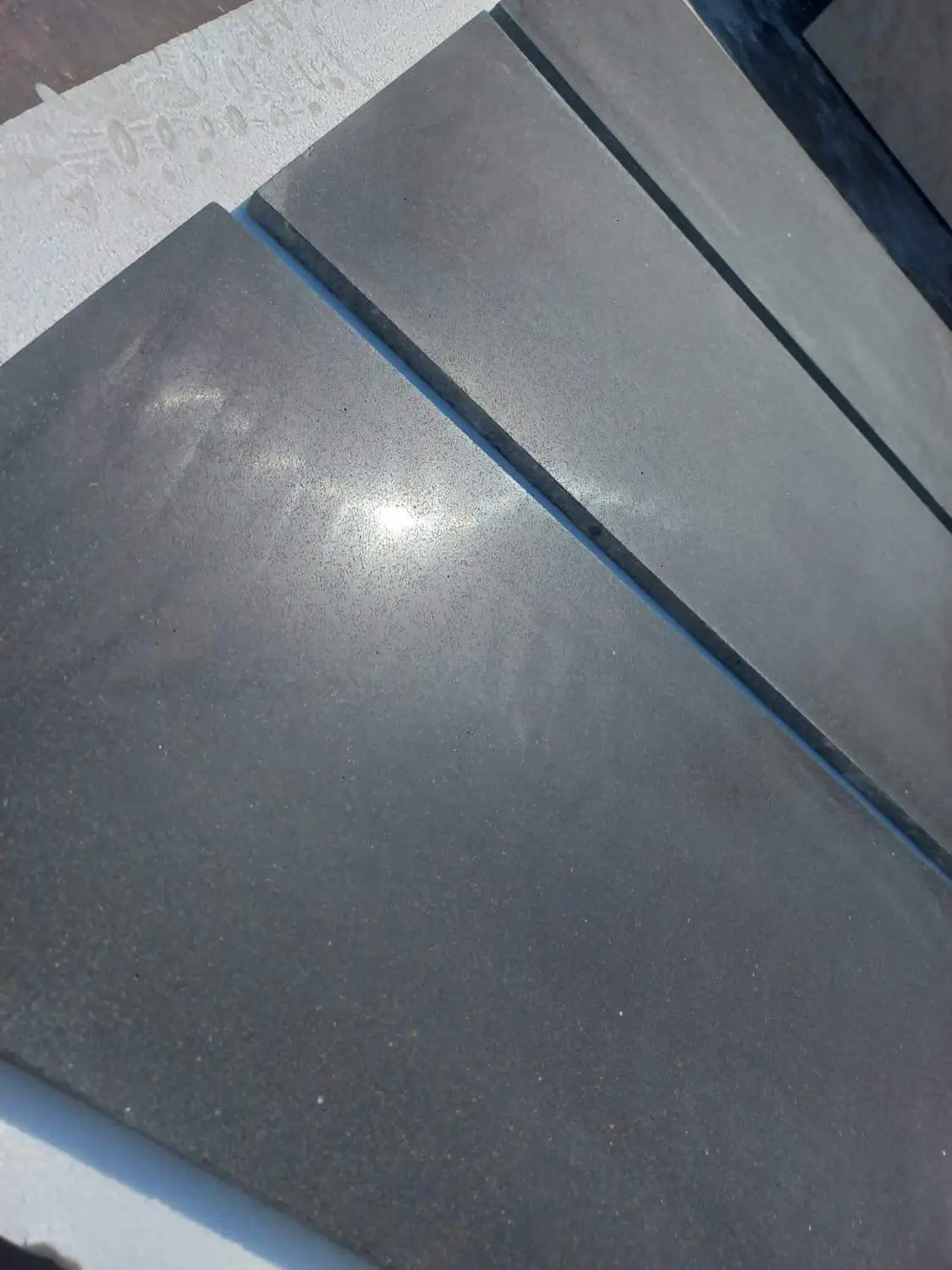
According to Natural Stone Institute limestone technical specifications, limestone density and absorption rate vary meaningfully by origin quarry, which directly affects both material pricing tiers and long-term maintenance requirements. A denser, lower-absorption limestone slab commands a higher upfront cost but reduces sealing frequency over time — a trade-off worth pricing out explicitly before defaulting to the cheapest option.
Limestone Grades and Their Cost Implications
Not all limestone patio paving is priced the same, and the difference between a premium and a standard grade isn’t cosmetic — it’s structural. Higher-density limestone with tighter grain structure resists surface spalling, retains sharp arrises after cutting, and holds color stability longer under UV exposure. Lower-grade material may look comparable in a sample, but field performance over 5–7 years tells a different story.
- Entry-level limestone (high absorption, softer face): $8–$12 per square foot — suitable for low-traffic covered patios
- Mid-grade limestone (balanced density, moderate absorption): $12–$16 per square foot — appropriate for standard residential patios
- Premium limestone (low absorption, high compressive strength): $16–$22 per square foot — specified for high-traffic or fully exposed installations
The grade decision ties directly to finish selection. Honed finishes reveal subsurface crystalline structure and tend to show grading differences more prominently than tumbled or brushed alternatives. For sun-exposed installations where UV weathering is a factor, your finish choice influences not just aesthetics but maintenance frequency — a topic covered in more detail later in this breakdown.
Thickness Requirements and Cost Per Square Foot
Thickness is the single most underestimated cost variable in a limestone slab specification. A 1¼-inch slab and a 2-inch slab of the same material can differ by $3–$6 per square foot — and the wrong choice for the application creates structural problems that dwarf that cost difference. Residential patios with foot traffic only can typically use 1¼-inch to 1½-inch material. Add rolling loads — a barbecue cart, a heavy planter, furniture with narrow feet — and you need 2-inch minimum.
For a limestone house installation where the patio connects directly to internal flooring levels, thickness tolerances across your slab batch require careful attention. Nominal 2-inch material can vary by ±⅛ inch from piece to piece, which means your setting bed depth needs to accommodate that variance to avoid lippage. Tighter thickness tolerances cost more because they require additional quality sorting at the warehouse level, but they save significant labor time during installation.
- 1¼-inch (30mm) nominal: standard residential foot-traffic patio — lowest cost tier
- 1½-inch (40mm) nominal: preferred for most outdoor patio applications — moderate cost
- 2-inch (50mm) nominal: required for mixed-use or furniture-heavy installations — highest material cost
- Calibrated vs. semi-calibrated: calibrated slabs cost 10–18% more but reduce installation labor significantly
Base Preparation: The Cost You Cannot Skip
Base preparation is where residential patio budgets get trimmed and where installations fail. A properly compacted aggregate base for limestone patio paving runs 4 inches deep for standard residential conditions — but clay-heavy or expansive soils require 6 inches minimum, with a geotextile separation layer between native soil and aggregate. That additional depth adds $1.50–$2.50 per square foot before you’ve touched stone.
Drainage gradient matters as much as depth. A 1–2% cross-fall away from the structure is the industry standard, but achieving it consistently across a large patio requires careful screeding of the setting bed. Errors in gradient show up as ponding within the first rainy season — and ponding under a limestone slab accelerates efflorescence, joint erosion, and, in freeze-thaw regions, sub-surface spalling. Getting this right at the specification stage is far cheaper than remediation later.
- Standard 4-inch compacted aggregate base: $3–$5 per square foot
- 6-inch base with geotextile on expansive soils: $5–$7 per square foot
- Additional 1% drainage gradient labor: included in skilled-labor rates but requires experienced installers
- Mortar-set installation (vs. sand-set): adds $2–$3 per square foot in setting bed cost but improves long-term stability on non-uniform bases
For project planning, verify warehouse stock on your chosen slab thickness before finalizing your base specification. Base aggregate is typically sourced regionally, but the limestone itself may have a 1–2 week lead time from warehouse to site — your base crew should schedule their work to align with confirmed material delivery dates, not estimated ones.
UV Exposure, Finish Selection, and Long-Term Appearance Costs
Sun exposure is a real cost variable for limestone patio paving — not because UV degrades the mineral structure of limestone the way it affects polymers, but because UV-driven oxidation and surface carbonation processes alter surface appearance over time on certain finish types. A polished or honed limestone in full sun will exhibit color shift and micro-surface etching within 3–5 years without a UV-stable penetrating sealer on a consistent maintenance schedule.
Brushed and sandblasted finishes weather more gracefully in high-sun installations because their already-textured surfaces mask the progressive oxidation that makes smooth finishes look patchy. The trade-off is that rough finishes accumulate organic debris faster in sheltered areas, requiring more frequent cleaning. For fully exposed patios with no shade coverage, brushed or flamed finishes are the more cost-effective long-term choice even if the initial material cost is comparable to honed alternatives.
- Polished limestone in full sun: requires sealing every 12–18 months to maintain appearance — annual maintenance cost $0.50–$1.20 per square foot
- Honed limestone: sealing every 18–24 months is typically sufficient — lower maintenance frequency than polished
- Brushed or flamed limestone: most UV-resistant finish option — sealing every 24–36 months for appearance retention
- Penetrating silicone-based sealers outperform surface-coat products for UV-exposed limestone — they don’t film, don’t peel, and don’t trap moisture beneath the surface
- Color-enhancing sealers restore oxidized surfaces but require reapplication more frequently than neutral-tone penetrating products
The USGS has documented limestone’s calcium carbonate composition and how its surface reacts to environmental exposure — their federal data on limestone composition confirms that surface carbonation under UV exposure is a known weathering mechanism, not a manufacturing defect. Factor sealing into your 10-year cost model from the start, not as an afterthought.
Ordering, Waste Factors, and Quantity Planning
Ordering paving slabs limestone without a waste allowance is one of the most common budget errors on residential projects. Standard rectangular layouts on a square patio require 8–10% waste allowance for cuts. Diagonal patterns, herringbone, or any layout with angled cuts relative to the slab edges require 12–15% minimum. Running bond patterns on non-rectangular areas can push waste to 18–20% depending on how many cut edges fall along the perimeter.
At Citadel Stone, we recommend calculating your net area first, then applying your layout-specific waste factor, then rounding up to the next full pallet quantity. Ordering just enough material creates a real risk — if a slab arrives damaged during truck delivery or gets cracked during installation, you’ll be waiting for a back-order to close out the job, which delays the project and risks a dye-lot mismatch on replacement material.
- Net area measurement: length × width, minus any built-in features like fire pits or planters
- Standard waste allowance: 10% for rectangular straight-set layouts
- Diagonal or pattern waste: 15% minimum, 18–20% for complex shapes
- Add 2–3% for breakage during transport and installation handling
- Verify truck access to the delivery site before confirming order — full pallet deliveries require flat, accessible staging areas
How Limestone Compares to Alternative Paving Materials on Cost
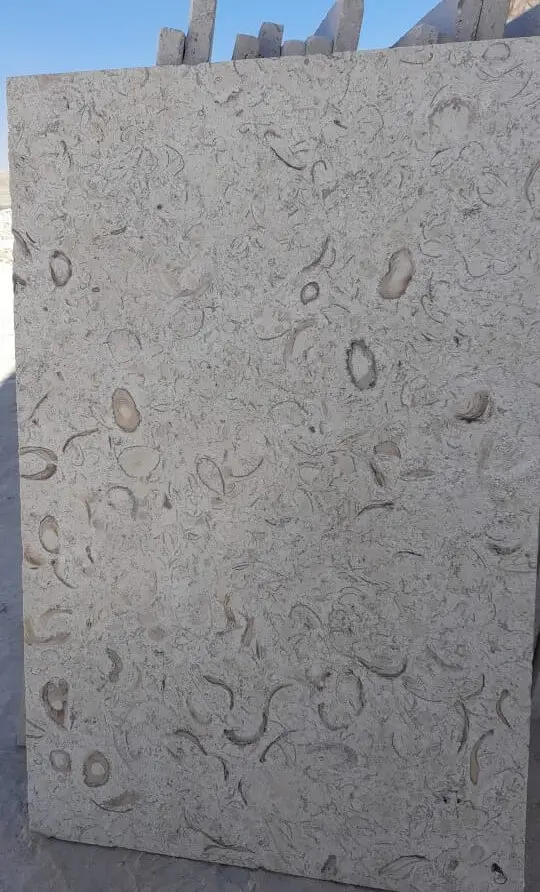
Limestone patio paving occupies a mid-to-upper position in the natural stone cost hierarchy, and understanding where it sits relative to alternatives helps justify the budget to project stakeholders. Concrete pavers come in at $3–$8 per square foot installed — roughly half the cost — but they don’t develop the same patina, they don’t offer the same thermal mass, and they carry a different visual weight that doesn’t suit every design brief. Travertine is broadly comparable in price, though premium grades of tumbled travertine can exceed mid-grade limestone by 15–20%.
Granite is typically more expensive — $18–$28 per square foot for premium grades — and offers higher compressive strength, but for a residential patio that will never see vehicular loads, that additional structural capacity isn’t doing meaningful work. Bluestone sits slightly below premium limestone in price per square foot but offers a narrower color range. The value proposition for limestone comes down to availability in large-format slabs, design flexibility, and the well-documented 20–30 year service life of properly maintained installations, as supported by Britannica’s overview of limestone characteristics.
- Concrete pavers: $3–$8 per square foot installed — lowest cost, limited aesthetic range
- Bluestone: $10–$18 per square foot installed — strong performer, narrower color palette
- Limestone patio paving: $18–$45 per square foot fully installed — broad design range, proven longevity
- Travertine: $20–$48 per square foot installed — comparable to limestone, softer face, higher maintenance in high-traffic zones
- Granite: $22–$55 per square foot installed — highest durability, narrower design flexibility for patios
You can explore our outdoor limestone pavers across multiple format and finish options to match your project’s design requirements and budget parameters before finalizing your specification.
How Project Size Affects Your Cost Per Square Foot
Project size creates genuine economies at both the material and labor level, and understanding the breakpoints helps you structure scope decisions intelligently. Material pricing on limestone patio paving typically drops at 500 square feet, again at 1,000 square feet, and again at 2,000+ square feet — these are the pallet-quantity thresholds where bulk pricing applies. Labor rates follow a similar curve: mobilization cost is essentially fixed regardless of project size, so the per-square-foot labor rate drops as area increases.
For smaller patios under 200 square feet, your all-in cost will likely land at the high end of the installed range — $38–$48 per square foot — because fixed costs dominate. At 600–800 square feet, typical mid-range residential projects, you’ll see total installed costs of $25–$38 per square foot. Projects above 1,500 square feet, where delivery efficiencies and bulk material pricing fully kick in, can reach $20–$30 per square foot all-in on mid-grade material. These ranges assume standard base conditions and a straightforward rectangular layout.
Final Recommendations
Your limestone patio paving budget should be built from the base up — literally. Start with base preparation requirements based on your soil conditions, work up through slab thickness and finish selection, factor in your layout waste percentage, and add sealing and long-term maintenance to your 10-year cost model. The projects that stay on budget are the ones where every line item was identified before the first material order, not discovered during installation. According to ASLA outdoor patio material guidance, proper material selection and base specification are the primary factors in outdoor stone longevity — budget decisions made at the specification stage define the outcome years down the line.
For projects with complex edge conditions or transitional zones between indoor and outdoor flooring levels, reviewing how different limestone tile formats perform at those junctions is worthwhile. Limestone paving tile formats and specifications covers the detail considerations that matter most at those transitions. Specification clarity at the outset protects your budget, your installation timeline, and the long-term performance of the material. Sourced direct from selected quarries, Citadel Stone keeps limestone patio paving costs predictable across large residential and light commercial jobs.
Related reading: sealant for limestone paving · Weathered Limestone Paving: How It Changes Over Time · flamed vs tumbled limestone paving.