

What Weathering Actually Does to Limestone
Weathered limestone paving over time doesn’t degrade in the way most people picture — it transforms. The surface chemistry shifts as calcium carbonate reacts with atmospheric carbon dioxide and moisture, creating a patina that deepens the stone’s visual character rather than simply wearing it down. You’ll notice the earliest signs within the first two to four years: minor colour shift in porous zones, slight rounding at arrises, and the emergence of natural fossil detail that polishing or honing had previously suppressed. This is the material revealing itself, not failing.
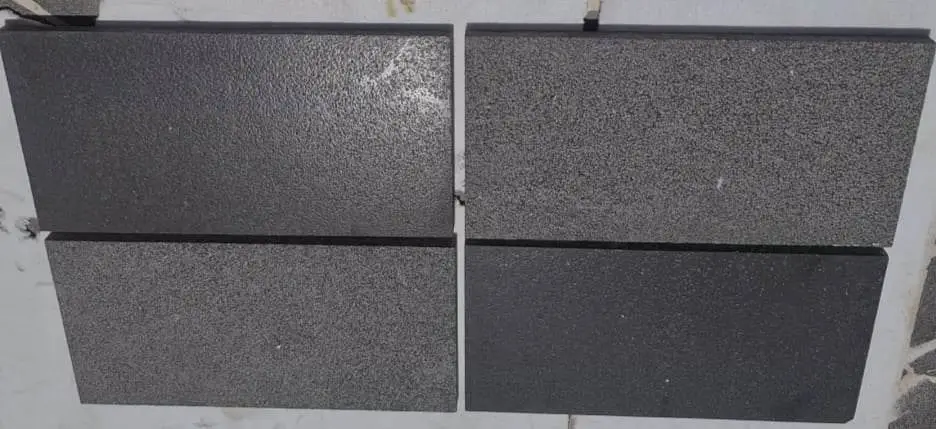
The Three Phases of Limestone Aging
Field performance data consistently shows that outdoor limestone paving moves through three distinct aging phases, each with its own visual and structural character. Understanding these phases helps you set honest project expectations before the stone is even laid.
- Phase one — years one through five — involves surface carbonation and initial patina development; the stone loses its cut-edge sharpness and gains tonal depth
- Phase two — years five through fifteen — sees stabilised weathering where the patina becomes self-reinforcing; porosity at the surface reduces as mineral migration fills micro-voids
- Phase three — beyond fifteen years — produces what installers call the “living surface”: a mineralogically stable, visually rich plane that has integrated fully with its environment
The transition between phase one and phase two is where most maintenance decisions happen. Your sealing schedule, joint sand condition, and drainage geometry during this window largely determine whether the installation enters phase three looking distinguished or looking neglected.
Colour Shift and Surface Texture Changes
The colour behaviour of weathered limestone paving over time depends heavily on the stone’s original density and finish. Honed surfaces — which have an open micro-texture — absorb atmospheric iron, algae pigment, and mineral runoff faster than bush-hammered or flamed surfaces. You’ll see a warm amber or golden shift in buff limestone varieties within five to eight years, while blue-grey varieties tend to silver and lighten as surface carbonation progresses. This isn’t damage. According to NSI limestone specifications, this surface evolution is consistent with the mineralogical behaviour of calcareous sedimentary stone in outdoor environments.
Texture change follows a predictable arc. The micro-roughness that makes honed limestone ideal for outdoor traction actually increases slightly in the first decade as the crystalline surface weathers, then stabilises. Polished finishes, by contrast, lose their specular quality faster outdoors — typically within three to five years of UV and moisture exposure — which is why polished limestone is rarely the right call for exterior applications.
Porosity, Moisture, and Long-Term Durability
Here’s what most specifiers underestimate: limestone’s porosity range — typically 2% to 18% depending on density and formation — directly governs how outdoor limestone paving ages under outdoor conditions. High-porosity varieties absorb moisture faster, which accelerates carbonation and mineral migration in wet climates. Lower-porosity limestone ages more slowly and uniformly, making it the better choice for surfaces where visual consistency over decades matters. usgs.gov/publication/fs20083089″>USGS limestone composition data confirms that pore structure and calcium carbonate concentration are the primary variables controlling long-term weathering behaviour in dimension stone.
Your specification should match porosity class to the application’s moisture exposure. A high-porosity, buff-coloured limestone on a south-facing terrace will age faster and more dramatically than the same stone in a shaded courtyard. Neither outcome is wrong — but they are different, and your client needs to understand which they are getting.
Subgrade Conditions and How They Affect Long-Term Performance
The way weathered limestone paving over time looks on the surface often has less to do with the stone itself and everything to do with what’s happening underneath it. Subgrade movement — driven by soil composition, moisture cycling, and ground settlement — creates differential stress across the slab field that no amount of quality stone can overcome. Expansive clay soils are the most common culprit: they swell with moisture uptake and contract during dry periods, creating micro-movement that cracks mortar joints, lifts individual slabs, and opens drainage paths that accelerate weathering in isolated zones.
- Sandy or granular subgrades drain well but require a deeper compacted aggregate base — typically 150mm minimum — to prevent point settlement under concentrated loads
- Expansive clay subgrades need stabilisation with a geotextile membrane and a lean concrete sub-base before any aggregate is placed; skipping this step shortens the installation’s functional lifespan regardless of stone quality
- Rocky or caliche subgrades can create drainage dead zones where water pools laterally and enters the joint system, accelerating efflorescence and micro-spalling along slab edges
- Organic topsoil beneath a paved area will decompose and settle over three to seven years, producing irregular surface depression that changes the drainage geometry the original installation relied on
At Citadel Stone, we see subgrade preparation cut short far more often than any other installation step — and the resulting premature weathering patterns are entirely avoidable. Getting the ground right before you lay a single slab is not optional; it is the specification decision that determines whether the stone looks good in year fifteen or requires intervention in year seven.
Using a Limestone Paving Sealant to Manage the Weathering Rate
Sealing doesn’t stop limestone from weathering — it modulates the rate and character of that weathering. A quality limestone paving sealant applied at the correct stage slows moisture penetration, reduces atmospheric staining uptake, and gives you more control over how uniformly the patina develops. The key timing detail most installers miss is the cure window: new limestone should weather unsealed for a minimum of six to eight weeks before any penetrating impregnator is applied. Sealing too early traps residual moisture from the setting bed, which then drives efflorescence outward through the slab face — a frustrating outcome that takes two to three years to fully resolve.
Penetrating silane-siloxane sealers are the professional standard for outdoor limestone paving in most exposure conditions. They allow vapour transmission while resisting liquid water ingress, which means the stone can continue its natural carbonation process at a controlled rate. Topical film-forming sealers are generally inappropriate for exterior limestone — they peel, blister, and trap moisture in freeze-thaw conditions. Reapply a penetrating sealer every three to five years, depending on foot traffic and UV exposure. For a detailed walkthrough of product selection and application method, sealing limestone the right way covers every step of that process.
Joint Maintenance and Its Effect on Weathering Patterns
Joint sand level is the single most overlooked variable in outdoor limestone paving performance. Field experience consistently shows that the bond between calcium carbonate stone and its immediate environment is dynamic, not static. Joints that fall below 70% fill depth create a channel for water to penetrate beneath the slab, particularly at edges, where the weakest support conditions already exist. Over five to ten years, this produces edge spalling, undercutting, and localised subsidence — all of which look like stone quality problems but are actually joint maintenance failures.
Your maintenance schedule should include a joint sand audit every two years. Polymeric sand holds up better than standard kiln-dried sand in high-rainfall environments, but it requires the surface to be completely dry during installation and needs to be activated correctly — a rushed polymeric sand application that hasn’t fully cured before rain arrives will wash out and leave the joints worse than before.
How Limestone Ages Near Water Features and Sinks
Limestone installed near pools, water features, or outdoor kitchen areas with a limestone sink ages differently from the same material on an open terrace. Constant moisture cycling — wet and dry cycles occurring multiple times per week rather than seasonally — accelerates phase one weathering and can lock the stone into an intermediate state where it looks neither fresh nor elegantly aged. You’ll also see more pronounced mineral migration around water feature perimeters, where dissolved calcium carbonate deposits as white efflorescence on vertical faces and joint edges.
- Allow a wider joint — 8–10mm minimum — around water feature copings and pool surrounds to accommodate thermal and moisture cycling without joint pressure cracking
- Specify a denser limestone variety — absorption below 5% — for any surface that will experience frequent wetting, including outdoor kitchen benchtops incorporating a limestone sink
- Seal more frequently in these zones — every two years rather than every four — and use a sealer rated for wet-area application rather than a standard exterior impregnator
- Expect accelerated patina development near water; factor this into the design intent rather than treating it as a maintenance failure
Ordering, Warehouse Stock, and Planning for Longevity
One practical point that gets missed in the weathering conversation is batch consistency. Limestone is a natural material, and quarry cuts from different periods vary in tone and density. Ordering your weathered limestone paving slabs from a single warehouse batch — and over-ordering by 10–15% to cover breakage and future repairs — means that any replacement stone you need in year eight or year twelve will match the original installation’s aging baseline. Mixing batches from different periods creates patches that never fully harmonise, because stone from different cuts weathers on different timelines.
Citadel Stone holds warehouse inventory across a range of limestone formats, which means you can typically confirm stock and arrange truck delivery within one to two weeks rather than facing the six to eight week import cycles that smaller suppliers often impose. That lead time advantage matters when you are working to a contractor schedule. Explore our outdoor limestone paving range to review current stock formats, thicknesses, and finish options before committing to your specification.
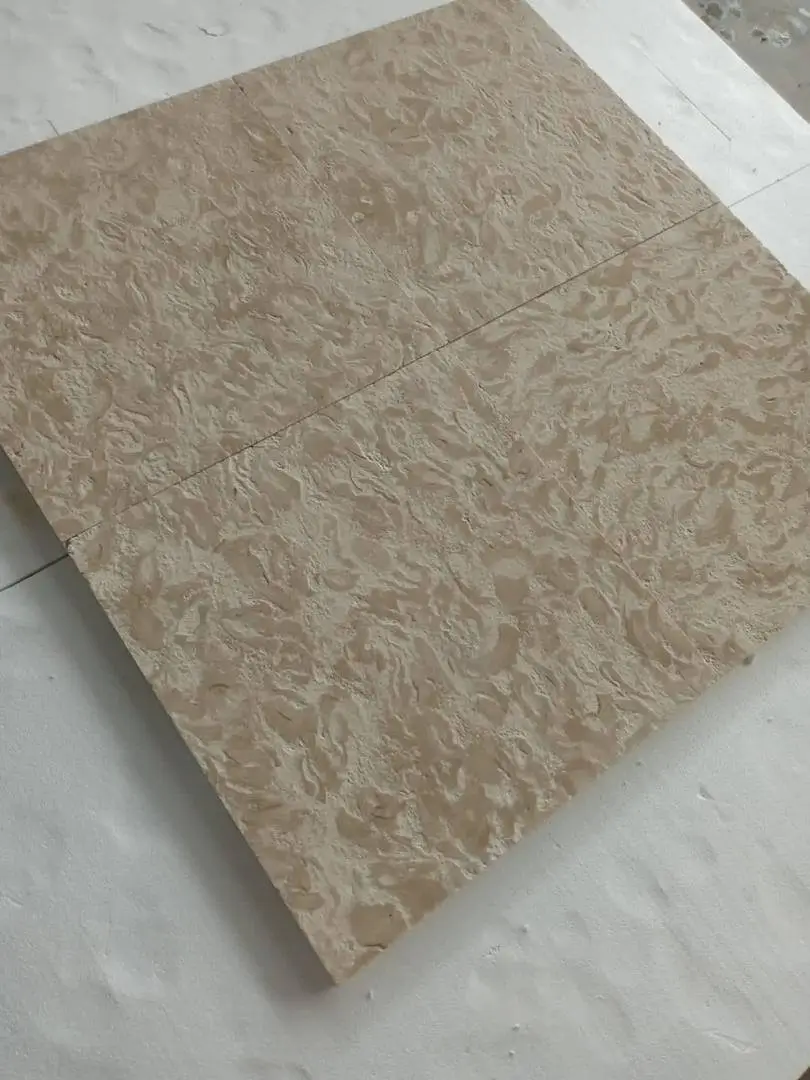
Planning Weathered Limestone Paving for the Long Term
The long-term performance of weathered limestone paving over time comes down to a handful of decisions made before the stone is ever laid: subgrade preparation, porosity specification matching, sealing timing, and batch consistency at the ordering stage. Get those right, and the stone rewards you with a weathering arc that makes the installation look better at fifteen years than it did at installation. Treat them as secondary concerns, and you’ll spend the middle years of the project’s life managing preventable problems rather than enjoying the material. As you plan related elements of your outdoor project, the care you give to sealing decisions will shape the visual outcome just as much as the stone selection itself. Understanding how limestone paving ages helps set realistic expectations, and Citadel Stone’s material knowledge supports better long-term planning for any outdoor project.
Related reading: paving slabs limestone · limestone tile flooring · large limestone blocks.