

The distinction between rock vs stone trips up more people than you’d expect — including seasoned contractors who’ve been working with natural materials for decades. At the geological level, the difference is precise and meaningful, and understanding it changes how you evaluate material quality, read supplier specs, and make decisions on complex projects. Treating these terms as interchangeable is where specification errors begin.
What Geology Actually Says About Rock vs Stone
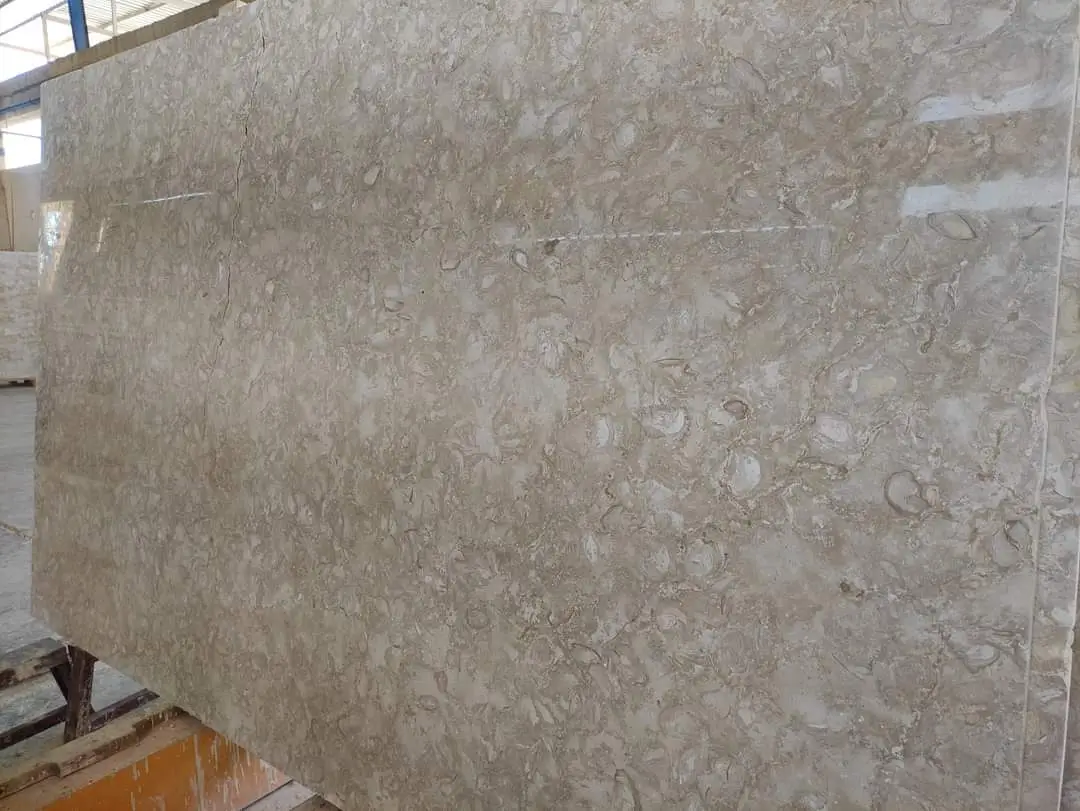
Rock is the raw, unprocessed material found in the earth’s crust — a consolidated aggregate of minerals formed through igneous, sedimentary, or metamorphic processes over millions of years. Stone, by contrast, is rock that has been extracted, shaped, cut, or otherwise processed by human hands for a functional or aesthetic purpose. The boundary is the quarry wall. Everything still embedded in the earth is rock; everything that has been removed and worked is stone.
This isn’t merely semantic. When you source natural stone for a project, you’re selecting material that has traveled from its geological origin through quarry extraction, block sawing, surface finishing, and grading — each step transforming raw rock into a specified building product. According to USGS dimension stone production data, the US dimension stone sector processes millions of tons of raw geological material annually into finished products for construction. That transformation is precisely what the rock vs stone terminology captures.
Practically speaking, the word “rock” also carries connotations of an uncontrolled, variable material — which it is, at source. “Stone” implies human selection, quality control, and dimensional precision. Both characteristics matter when you’re evaluating what arrives from the warehouse.
The Three Rock Families — and Why They Produce Different Stone
Every natural stone product traces back to one of three geological processes, and each process produces a fundamentally different material with distinct structural characteristics.
- Igneous rock forms when molten magma cools — either slowly beneath the surface (intrusive) or rapidly at the surface (extrusive). Granite is the most common intrusive igneous rock used as quarry stone; basalt is the primary extrusive type. Slow cooling creates large, interlocked crystal structures that produce exceptional compressive strength, often exceeding 19,000 PSI in dense granite varieties.
- Sedimentary rock accumulates in layers as organic material, minerals, and debris compress over time. Limestone, travertine, and sandstone fall here. These materials tend toward higher porosity and more variable density than igneous types — characteristics that directly affect sealing requirements and freeze-thaw performance.
- Metamorphic rock is existing rock transformed by heat and pressure into a denser, recrystallized material. Marble (metamorphosed limestone) and slate (metamorphosed shale) are the most relevant examples in natural stone supply. Metamorphic processes generally reduce porosity and increase hardness relative to the parent rock, though they also introduce directional cleavage planes that affect how the stone performs under point loads.
The rock family determines far more than aesthetics. It tells you how the stone will behave under thermal cycling, whether it needs penetrating or film-forming sealers, how it responds to installation adhesives, and what base preparation the installation actually requires.
From Rock Face to Finished Stone: The Quarry Process
Understanding how rock becomes quarry stone helps you read product specifications with more precision. The quarry process involves several steps that each influence the final product’s characteristics.
Primary extraction uses wire saws, diamond blades, or controlled blasting to separate large blocks from the rock face. Block size at this stage typically ranges from 10 to 30 cubic meters, depending on the formation’s joint spacing and the quarry’s equipment capacity. The structural integrity of these primary blocks directly predicts the yield of full-sized slabs and pavers — heavily fractured formations produce more waste and more variable material.
Blocks then move to primary cutting facilities where gang saws or frame saws slice them into slabs or blanks. This is where thickness tolerances are established. Standard dimensional tolerances for natural stone tile run to ±1.5mm for machine-cut products, though hand-finished pieces carry wider tolerances that you’ll need to account for in your mortar bed depth calculations.
Surface finishing — honing, polishing, flaming, brushing, or tumbling — happens last and significantly changes the material’s slip resistance, absorption rate, and maintenance requirements. A flamed granite surface has an open, thermally textured face of the kind typically specified for outdoor surfaces, while a polished finish on the same material can drop well below that threshold when wet. The Natural Stone Institute technical specifications provide finish-specific guidance that’s worth reviewing before you commit to a surface treatment for high-traffic applications.
How the Rock vs Stone Distinction Appears in Specification Documents
Professional specification writers use these terms deliberately, and reading that precision correctly protects you on procurement and quality assurance.
- “Dimension stone” is the formal specification term for natural rock that has been quarried and cut to specific sizes and shapes — the standard product category covering most architectural stone applications.
- “Rubble” or “fieldstone” refers to rock that has been collected from fields or riverbeds with minimal processing — used primarily in dry-stack walls and rustic landscape applications where dimensional consistency isn’t required.
- “Crushed stone” is mechanically reduced rock used as aggregate — distinct from both dimension stone and rubble, and relevant primarily to base preparation specifications rather than finished surface products.
- “Natural stone” is the broad category term that encompasses all quarried, dimensioned products — the language you’ll see in supplier catalogs, including descriptions of Citadel Stone paving materials and similar product ranges.
Confusing these terms in a specification document creates real procurement problems. Specifying “stone” without qualification leaves the door open for substitutions that may not meet your performance requirements.
Performance Implications: What Rock Type Tells You About Stone Behavior
Here’s where the geological classification stops being academic and starts driving real decisions. The rock type determines a predictable set of performance parameters, and knowing those parameters before installation saves you from the kind of callbacks that happen three years after project completion.
Porosity is the first variable. Sedimentary rocks like limestone and travertine typically exhibit absorption rates between 3% and 12% by weight, compared to 0.2% to 0.5% for dense igneous types like granite. That difference determines your sealer selection, your maintenance schedule, and how the material responds to freeze-thaw cycling in colder climates. High-absorption stone in freeze-thaw regions requires penetrating sealers applied before installation and reapplied on a documented schedule — typically every 2 to 3 years depending on traffic and exposure.
Thermal expansion is the second. Granite’s low thermal expansion coefficient means you can run longer uninterrupted field runs before installing expansion joints compared to more thermally active sedimentary materials. Limestone, particularly in large-format tiles, can move enough seasonally to telegraph through rigid mortar beds — a detail that often gets underspecified on interior floor projects that happen to run adjacent to exterior glazing.
- Compressive strength ranges from around 8,000 PSI in soft limestone to over 25,000 PSI in dense quartzite — the specification parameter that determines whether a given stone can handle vehicular loads in driveway or commercial applications
- Flexural strength governs how natural stone performs over point loads and imperfect sub-base conditions — thin tiles of high-flexural stone can bridge minor voids; thick slabs of low-flexural sedimentary stone cannot
- Surface hardness (Mohs scale) predicts scratch resistance and maintenance requirements — a polished marble at Mohs 3–4 will show wear traffic in high-use corridors in ways that a Mohs 6–7 quartzite will not
- Slip resistance varies dramatically by finish, not just by rock type — always verify COF values for the specific finish specified, not the material category alone
Timing Your Installation: How Seasonal Conditions Affect Natural Stone
The rock’s origin determines its material characteristics, but the installation window you choose determines whether those characteristics perform as specified. This is a nuance that separates experienced stone contractors from those who treat scheduling as a purely logistical concern.
Setting mortars and adhesives used beneath natural stone have defined working temperature ranges — typically 40°F to 90°F for standard polymer-modified mortars, with open time shortening significantly as temperatures climb toward the upper end of that range. Early morning installation work during warm seasons extends your open time considerably and gives you better control over slip and leveling before the mortar begins to stiffen. Afternoon sessions in the same conditions can cut usable open time by 30% to 40%, which forces rushed adjustments that compromise final lippage tolerances.
Cold-weather installation introduces the opposite problem. Mortar that hasn’t fully hydrated before temperatures drop below freezing can experience crystal disruption in the bond layer — resulting in a seemingly solid installation that delaminates within one or two freeze-thaw cycles. If you’re working in conditions where overnight temperatures are marginal, you need to either tent and heat the work area or schedule installation to ensure adequate cure time before the first freeze event. For most modified mortars, 72 hours at sustained temperatures above 50°F is the minimum cure window before freeze exposure.
Joints also behave differently across seasons. Natural stone placed during the hottest part of summer is at near-maximum thermal expansion — if you grout tight in those conditions, the material has nowhere to go when temperatures moderate, and you’ll see joint cracking or pop-outs. Installing with slightly wider joints than the specification minimum during peak summer periods gives the material the seasonal movement allowance it needs. This is especially relevant for larger format natural stone pavers placed over exterior slabs with limited sub-base flexibility.
Common Terminology Errors That Cost Projects Money
The rock vs stone distinction generates several recurring specification and procurement errors that show up consistently across project types.
- Specifying “natural stone” without a geological type leaves the project vulnerable to material substitutions — a supplier can technically fulfill a natural stone specification with any quarried material, regardless of the performance characteristics the designer intended
- Requesting “matching stone” for a repair or extension project without specifying quarry source, finish, and geological formation almost guarantees a color and texture mismatch — different quarries within the same rock type produce visually distinct material
- Using “rock” and “stone” interchangeably in shop drawings creates ambiguity about whether the specified item is a raw aggregate product or a finished dimensional material — this matters most in base preparation sections of specifications where both types appear
- Assuming that stone from the same named category (e.g., “limestone”) will perform consistently — regional limestone formations vary enormously in density, porosity, and fossil content, which affects both aesthetics and durability
- Overlooking the finish specification — the surface treatment applied to the rock determines the quarry stone’s installed performance almost as much as the underlying material type
Citadel Stone’s technical team fields these specification questions regularly, and the pattern is consistent: projects that arrive with precise geological and finish specifications have far fewer surprises at delivery and installation than those built on generic material descriptions.
Sourcing, Quality Control, and What to Verify Before Material Ships
The quality of the rock at the quarry face only partially predicts the quality of the stone that arrives on your truck. What happens between extraction and delivery matters enormously, and knowing what to verify at each stage protects your project from grade inconsistencies that are expensive to resolve after installation.
At the quarry level, the critical variables are block selection and primary cutting tolerances. Better-run quarry operations grade blocks before sawing — rejecting material with excessive veining, micro-fractures, or color inconsistency that would create problems in finished product. This grading step is what separates first-quality material from commercial or utility grades, and the distinction is worth asking about explicitly when sourcing from unfamiliar suppliers.
Warehouse quality checks add another layer. At Citadel Stone, we inspect incoming material against dimensional tolerances, finish specifications, and color consistency standards before it moves into available inventory — which is why our product descriptions reference specific grades rather than broad material categories. Material that hasn’t gone through documented warehouse inspection can arrive on-site with grade inconsistencies that halt installation while replacements are sourced.
Before material ships, verify these specifics in writing:
- Quarry of origin and geological formation name — not just material type
- Finish type and surface treatment applied
- Nominal thickness and dimensional tolerance range
- Grade designation (first quality, commercial, utility)
- Absorption rate and compressive strength test data, referenced to ASTM standards
- Expected truck delivery timeline and whether warehouse stock is confirmed or subject to import lead times
The ASTM dimension stone testing standards define the test methods for absorption, compressive strength, and modulus of rupture — knowing these reference numbers helps you evaluate the data sheets suppliers provide and identify gaps in documentation before you commit to a purchase order.
Applying the Rock vs Stone Framework to Your Next Project
The rock vs stone distinction is more than terminology — it’s a framework for reading geological performance data, writing precise specifications, and evaluating supplier documentation with the clarity that complex projects require. You’ll make better material selections when you understand which rock family your stone comes from, what that means for porosity and thermal behavior, and how finish selection interacts with the underlying geology to determine installed performance.
Schedule installation work with seasonal conditions in mind — morning starts during warm periods, documented cure windows during cold spells, and joint tolerances that account for the material’s position in its seasonal expansion cycle at the time of placement. These aren’t optional refinements; they’re the variables that determine whether a technically sound material selection translates into a durable, low-maintenance installation. As you expand your material knowledge beyond the rock vs stone basics, exploring the full range of natural stone products and their geological classifications will sharpen your specification decisions further — natural stone variety profiles covers how different stone types compare across key performance dimensions worth reviewing before your next project specification. Sourced direct from quarries in Turkey, the Mediterranean, and beyond, our finished stone ships graded for outdoor and indoor use.