

Commercial stone permitting has evolved into a specialized discipline requiring deep understanding of ASTM standards, local building codes, sustainability documentation, and regulatory review processes. The complexity multiplies when projects involve multiple jurisdictions, special districts, or landmark preservation requirements.
Most project teams underestimate the critical role that stone suppliers play in permitting success. Traditional stone vendors often provide materials that meet basic industry standards but lack the comprehensive documentation and regulatory expertise necessary for smooth permit approval processes.
The solution lies in partnering with a permit-compliant stone supplier who understands that their role extends beyond material delivery to include regulatory support, documentation assistance, and proactive compliance management throughout the approval process.
Top Reasons Stone Projects Fail Permitting
Non-Compliant Material Specifications
Material specification misalignment represents the most common cause of permitting failures in commercial stone projects. Many specifications focus on aesthetic properties while overlooking critical performance requirements mandated by local building codes.
Building officials routinely reject stone specifications that lack essential performance data including compressive strength, absorption rates, thermal properties, and durability characteristics. These rejections occur even when materials meet general industry standards, highlighting the gap between standard specifications and regulatory requirements.
Regional code variations compound specification challenges by requiring different performance criteria in different jurisdictions. Materials approved in one location may fail permitting requirements in another due to varying climate conditions, seismic requirements, or local amendment interpretations.
The problem intensifies when project teams attempt to substitute materials during construction without understanding regulatory implications. Last-minute material changes often trigger permit modifications that delay projects for weeks or months while authorities review new documentation.
Successful permitting requires specifications that anticipate regulatory review and include all performance data necessary for code compliance verification from the initial submission.
Missing ASTM & Code Certifications
ASTM certification gaps create immediate red flags for building officials reviewing commercial stone permit applications. Standard industry certifications often prove insufficient for regulatory approval, particularly when projects involve exterior cladding, high-traffic areas, or specialized applications.
Building code stone requirements typically reference specific ASTM standards including C503 for slip resistance, C880 for flexural strength, and C1526 for serpentine stone applications. Missing any required certification can trigger automatic permit rejection regardless of other documentation quality.
The certification challenge extends beyond simple test completion to include proper documentation format, laboratory accreditation verification, and current validity confirmation. Outdated certifications or tests performed by non-accredited facilities fail regulatory scrutiny even when technical performance meets requirements.
Third-party verification requirements in many jurisdictions mandate independent testing and certification rather than manufacturer-provided data. Projects relying on stone supplier self-certification often face permit delays while authorities require additional independent verification.
Understanding which certifications apply to specific applications and jurisdictions requires expertise that most project teams lack, making supplier support essential for permit success.
Incomplete LEED & Sustainability Documentation
LEED documentation for stone has become mandatory for many commercial projects pursuing green building certification. However, the complexity of LEED requirements often overwhelms project teams unfamiliar with Environmental Product Declarations (EPDs), Health Product Declarations (HPDs), and supply chain transparency documentation.
Sustainability reporting gaps frequently emerge during permit review when authorities discover missing recycled content documentation, regional material sourcing verification, or life-cycle assessment data. These deficiencies can derail entire permit applications even when materials meet all performance requirements.
The challenge intensifies with evolving LEED standards and local green building ordinances that impose additional sustainability requirements beyond basic LEED compliance. Many jurisdictions now require specific environmental certifications or carbon footprint documentation not addressed in standard LEED protocols.
Supply chain transparency demands detailed documentation of quarry operations, transportation methods, processing facilities, and end-of-life considerations. Most stone suppliers lack the comprehensive data collection systems necessary to provide this level of documentation without advance planning.
Successful LEED compliance requires natural stone suppliers who maintain current sustainability certifications and can provide comprehensive environmental documentation throughout the permit review process.
Insufficient Mock-Ups and Field Testing
Mock-up requirements in commercial stone permitting often catch project teams unprepared for the time, cost, and coordination necessary for proper regulatory compliance. Building officials increasingly demand physical mock-ups to verify installation methods, joint systems, and performance characteristics.
Field testing protocols vary significantly between jurisdictions but commonly include water penetration testing, thermal movement evaluation, and structural attachment verification. These tests require specialized equipment, trained personnel, and coordination with regulatory authorities that most project teams cannot provide independently.
The timing of mock-up construction and testing creates additional challenges when permit approval depends on successful test completion. Projects often face delays when mock-ups fail initial testing and require modifications or material substitutions to meet performance requirements.
Documentation requirements for mock-up testing include detailed photography, test result reports, witness statements from qualified inspectors, and compliance certifications from recognized testing laboratories. Incomplete documentation frequently triggers permit delays even when mock-ups demonstrate adequate performance.
Natural stone supplier involvement in mock-up planning and execution can significantly improve success rates by ensuring proper material selection, installation techniques, and documentation protocols from the initial construction phase.
How a Permit-Compliant Stone Supplier Solves These Issues
Providing Full ASTM & Code-Verified Data Sheets
Comprehensive documentation packages from qualified stone suppliers near me eliminate the guesswork in permit applications by providing all necessary technical data in formats that building officials expect and accept. These packages include current ASTM certifications, code compliance verification, and performance data specific to intended applications.
Proactive certification management ensures that all required tests remain current and valid throughout the permit review process. Qualified ASTM-certified stone vendor partners maintain testing schedules that anticipate permit timelines and prevent delays caused by expired certifications.
The documentation extends beyond basic test results to include detailed installation specifications, compatibility matrices for sealers and mortars, and performance predictions under specific environmental conditions. This comprehensive approach addresses regulatory concerns before they become permit obstacles.
Quality assurance protocols implemented by permit-focused suppliers include independent verification of all test data, laboratory accreditation confirmation, and regular audit procedures that ensure consistent compliance with certification requirements.
Expert suppliers also provide technical support during permit review processes, answering building official questions and providing additional documentation when authorities request clarification or supplementary information.
Supplying Pre-Approved LEED EPDs & EHS Reports
Environmental Product Declarations (EPDs) prepared by qualified suppliers provide the comprehensive life-cycle assessment data necessary for LEED compliance and increasingly required by local green building ordinances. These documents undergo rigorous third-party verification to ensure accuracy and regulatory acceptance.
Health Product Declarations (HPDs) address growing concerns about material safety and indoor air quality by providing detailed chemical composition data and health impact assessments. Pre-approved HPDs eliminate permit delays while supporting project teams’ sustainability goals.
Supply chain transparency documentation includes detailed quarry certifications, transportation impact assessments, processing facility environmental compliance records, and end-of-life recyclability data. This comprehensive approach satisfies even the most stringent sustainability requirements.
Regional sourcing verification documents demonstrate compliance with local material requirements and support LEED regional material credits. Qualified suppliers maintain detailed sourcing records and can provide verification letters and supporting documentation as needed.
Ongoing sustainability monitoring ensures that all environmental certifications remain current and that any changes in processing or sourcing methods are properly documented and communicated to project teams.
Coordinating Mock-Up Inspections with Authorities
Mock-up planning services provided by experienced suppliers eliminate common coordination problems by establishing proper timelines, identifying required testing protocols, and arranging necessary equipment and personnel before construction begins.
Regulatory liaison services bridge communication gaps between project teams and building officials by providing technical expertise and translating regulatory requirements into practical installation specifications and testing procedures.
Quality control oversight during mock-up construction ensures that installation methods, material handling, and joint systems comply with manufacturer recommendations and regulatory requirements. This proactive approach prevents failed inspections and associated delays.
Documentation management includes comprehensive photography, detailed test reports, witness statements, and compliance certifications formatted for regulatory submission. Professional documentation packages facilitate smooth permit approval and provide valuable reference materials for full-scale construction.
Follow-up support includes addressing any regulatory concerns that arise during mock-up review and providing additional testing or documentation as requested by building officials.
Discover how using stone boosts property value with the best stone supplier.
Step-by-Step Permit-Ready Process
Early Code Review & Spec Alignment
Initial code analysis begins during design development when qualified suppliers review project specifications against applicable building codes, local amendments, and special district requirements. This early intervention prevents specification conflicts that commonly cause permit delays.
Jurisdiction research identifies specific regulatory requirements, preferred documentation formats, and common review concerns for each applicable authority. Understanding local preferences and procedures significantly improves permit approval probability and timeline predictability.
Specification optimization aligns material selections with code requirements while maintaining design intent and budget parameters. This collaborative process ensures that specifications support both aesthetic goals and regulatory compliance from the initial submission.
Documentation planning establishes timelines for certification completion, mock-up construction, and testing protocols that align with permit submission schedules. Proper planning prevents rushed documentation that often contains errors or omissions.
Stakeholder coordination includes early communication with architects, contractors, and building officials to ensure all parties understand material requirements, testing protocols, and approval processes before permit submission.
Submission Package Assembly & Quality Checks
Comprehensive package development includes all required technical data, certifications, sustainability documentation, and installation specifications organized in formats that facilitate efficient regulatory review. Professional presentation significantly improves reviewer perception and approval probability.
Quality assurance reviews verify that all documentation is current, complete, and properly formatted according to local submission requirements. This systematic approach prevents administrative rejections that delay the substantive review process.
Cross-referencing verification ensures that all specifications, drawings, and documentation remain consistent throughout the submission package. Discrepancies between documents frequently trigger permit delays while authorities seek clarification.
Regulatory compliance confirmation includes final verification that all materials and installation methods comply with applicable codes, standards, and local requirements. This comprehensive review identifies potential issues before official submission.
Submission coordination includes timing optimization, proper filing procedures, and follow-up protocols that ensure timely processing and responsive communication with regulatory authorities throughout the review process.
Pre-Inspection Samples & Field Verification
Sample preparation includes selecting representative materials that accurately demonstrate proposed stone characteristics, finishes, and installation methods. Proper sample selection prevents surprises during field inspections and reduces the likelihood of approval conditions.
Installation demonstrations provide building officials with confidence in proposed construction methods by showcasing proper techniques, joint systems, and quality control procedures. These demonstrations often eliminate inspection concerns before they become permit conditions.
Performance verification includes field testing of installed samples to confirm that actual performance meets predicted values and regulatory requirements. Documentation of field test results provides additional assurance to building officials during final approval processes.
Inspector education helps building officials understand material characteristics, installation requirements, and performance expectations through clear communication and professional documentation. Educated inspectors make more informed decisions and provide more constructive feedback.
Contingency planning addresses potential inspection concerns by preparing alternative solutions, additional documentation, or supplementary testing protocols that can be implemented quickly if authorities raise unexpected issues.
Real Orders, Real Deliveries
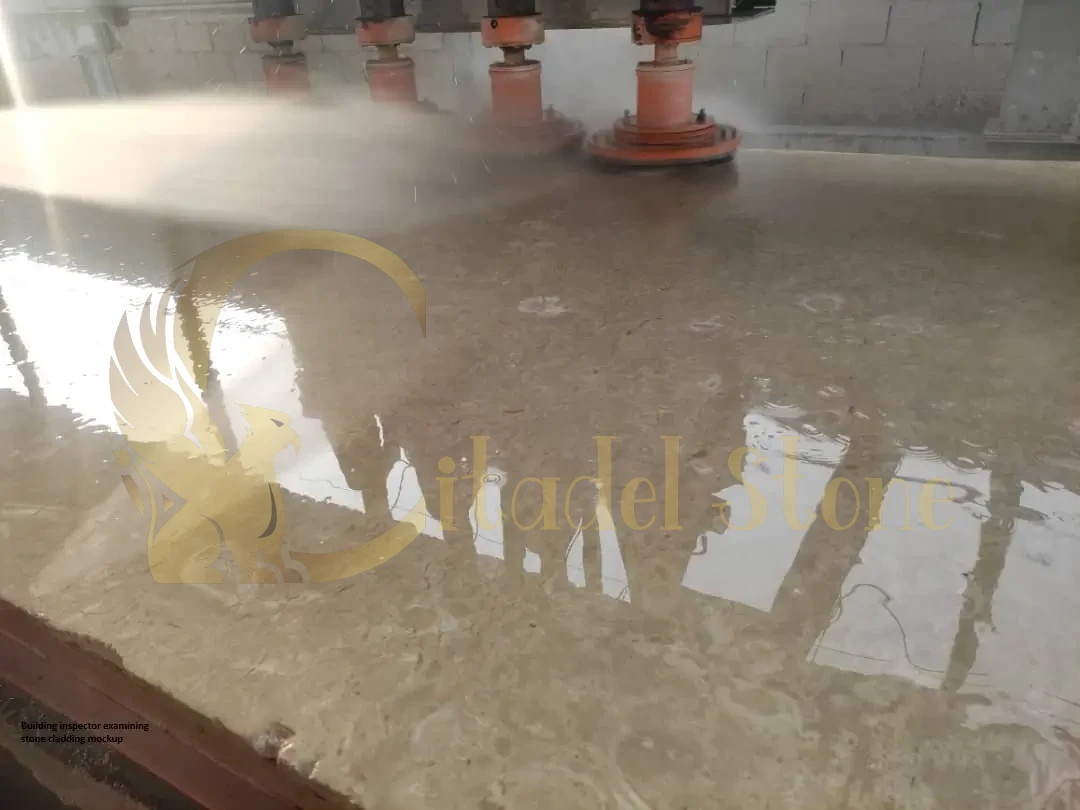
We only publish projects we have actually supplied. See our Las Vegas white limestone delivery — two containers, 6,884 sq ft, 32 crates, shipped door to door — and how we supplied Creative Environments in Arizona with 21 containers across a 70,000+ sq ft installation: white limestone pavers and tiles, shellstone and Ocean Reef pavers.
Had Citadel Stone material installed on your project? Send us your photos and we will feature the work here, with your permission.
Best Practices for Project Teams
Essential steps for ensuring smooth commercial stone permitting:
- Engage permit-compliant suppliers during design development rather than waiting until construction document completion to avoid costly specification revisions
- Verify ASTM C503 slip-resistance data prior to drawing submission for all pedestrian surfaces to prevent accessibility compliance issues
- Confirm current laboratory accreditation status for all testing facilities before accepting certification documents from suppliers
- Request complete EPD and HPD documentation packages early in the specification process to support LEED and local sustainability requirements
- Establish mock-up timelines that allow for potential modifications and re-testing before critical permit approval deadlines
- Coordinate with local building officials during design phases to understand specific documentation preferences and common review concerns
- Maintain detailed specification cross-reference documents that ensure consistency between drawings, specifications, and technical submittals
- Implement quality control reviews of all permit documentation before official submission to prevent administrative rejections
- Prepare contingency material options with complete documentation packages to address potential approval conditions or required modifications
- Document all regulatory communications and decisions throughout the permit process to support potential appeals or future similar projects
Overcoming Special Code Requirements
Seismic & Wind Load Considerations
Seismic design requirements for stone cladding vary dramatically between jurisdictions but commonly require specialized attachment systems, movement joints, and structural calculations that exceed standard installation practices. Understanding these requirements during material selection prevents costly system modifications during permit review.
Wind load calculations must account for both positive and negative pressures on stone surfaces, with particular attention to corner conditions and building height effects. Many permit rejections occur when submitted calculations fail to address local wind speed requirements or building configuration factors.
Attachment system specifications require detailed engineering analysis of anchor capacities, thermal movement accommodation, and structural interaction effects. Generic attachment details often fail regulatory review when applied to specific building conditions without proper engineering verification.
Performance testing requirements may include specialized evaluations of system behavior under combined seismic and wind loading conditions. These tests require advance planning and coordination with qualified testing laboratories to meet permit timeline requirements.
Qualified suppliers provide structural engineering support and maintain relationships with specialized testing facilities to address these complex performance requirements efficiently.
Fire-Rating & Impact Resistance
Fire-rating requirements for stone materials vary based on building occupancy, height, and proximity to property lines. Understanding applicable fire codes during material selection prevents permit delays when authorities identify fire-rating deficiencies in submitted specifications.
Impact resistance standards apply to stone installations in high-traffic areas, parking structures, and locations subject to potential vehicle impact. ANSI A326.3 and similar standards provide testing protocols that building officials expect for these applications.
Thermal performance considerations include both fire exposure behavior and normal thermal cycling effects on stone durability and attachment systems. Some jurisdictions require specialized thermal testing beyond standard fire-rating evaluations.
Smoke generation and toxic gas emission testing may be required for interior stone applications, particularly in healthcare, educational, and high-occupancy buildings. These specialized tests require advance planning and certified laboratory facilities.
Expert suppliers maintain current fire-rating certifications and can provide guidance on applicable requirements for specific building types and jurisdictions.
Accessibility & ADA-Related Stone Surfaces
ADA compliance requirements for stone surfaces extend beyond basic slip-resistance testing to include surface texture, color contrast, and maintenance considerations that affect long-term accessibility performance.
Slip-resistance specifications must address both wet and dry conditions using appropriate ASTM test methods. Different test protocols apply to different service conditions, and selecting inappropriate testing can result in permit rejection.
Surface texture requirements balance slip-resistance needs with cleaning and maintenance considerations. Excessively rough surfaces may provide adequate slip resistance but create maintenance problems that compromise long-term performance.
Transition details between stone surfaces and adjacent materials require careful design to eliminate tripping hazards while maintaining aesthetic continuity. These details often receive particular scrutiny during plan review and field inspection.
Color contrast requirements for safety marking and wayfinding applications involve specific measurement protocols and documentation standards that must be addressed during specification development.
Conclusion & Next Steps
The complexity of modern commercial stone permitting demands specialized expertise that extends far beyond traditional material supply relationships. Project success increasingly depends on supplier partners who understand regulatory requirements, maintain comprehensive documentation systems, and provide proactive compliance support throughout the approval process.
Key advantages of partnering with a permit-compliant stone supplier:
- Comprehensive documentation packages that address all regulatory requirements from initial submission
- Proactive code compliance analysis that prevents specification conflicts and permit delays
- Current ASTM and sustainability certifications maintained through systematic quality management
- Mock-up coordination services that ensure successful inspection and approval processes
- Regulatory liaison support that facilitates communication with building officials and authorities
- Technical expertise in specialized code requirements including seismic, fire-rating, and accessibility standards
- Quality assurance protocols that maintain consistent compliance throughout project execution
The investment in permit-compliant supplier partnerships pays significant dividends through reduced project risk, predictable approval timelines, and elimination of costly delay scenarios that plague projects with inadequate regulatory preparation.
Ensure your next commercial stone project passes permitting the first time. See our compliance resources for comprehensive documentation packages and regulatory support services designed to streamline your approval process. Contact our permit compliance specialists today to discuss your project’s specific requirements and develop a customized approval strategy.