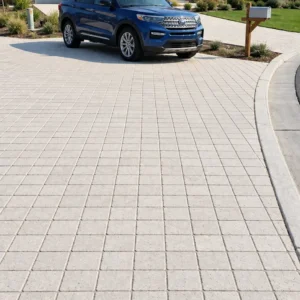
Gradation matters more than most driveway specifiers realize, and #57 limestone for driveway applications is where that reality shows up fast. The number “57” is an ASTM-defined gradation designation — it tells you the stone runs from roughly 1.5 inches down to about 0.75 inches, with a specific distribution curve that determines how the material compacts, drains, and holds its position under load. Get the gradation wrong and you end up with either a rutted, soft surface or a layer so impermeable it’s pooling water after every rain event.
What the 57 Gradation Actually Means for Your Driveway
The ASTM C33 gradation system assigns numbers to aggregate size ranges, and #57 sits in a reliable middle ground — large enough to interlock and resist displacement, small enough to compact into a relatively stable surface layer. According to Natural Stone Institute limestone specifications, limestone aggregates in this size range exhibit compressive strength values that typically exceed 4,000 PSI, making them well-suited for vehicular traffic when properly installed over a prepared sub-base. The angular fracture profile of crushed limestone is what separates it from rounded river gravel — those sharp edges create mechanical interlock that keeps individual stones from migrating laterally under tire pressure.
You’ll notice that #57 limestone contains very little fine material. That’s intentional. The open void structure — typically 30–40% air space by volume — is what gives this aggregate its drainage capability. In applications where surface water infiltration matters, that open structure is the primary performance advantage over dense-graded base material.
How Limestone Screening Compares to #57 on Driveways
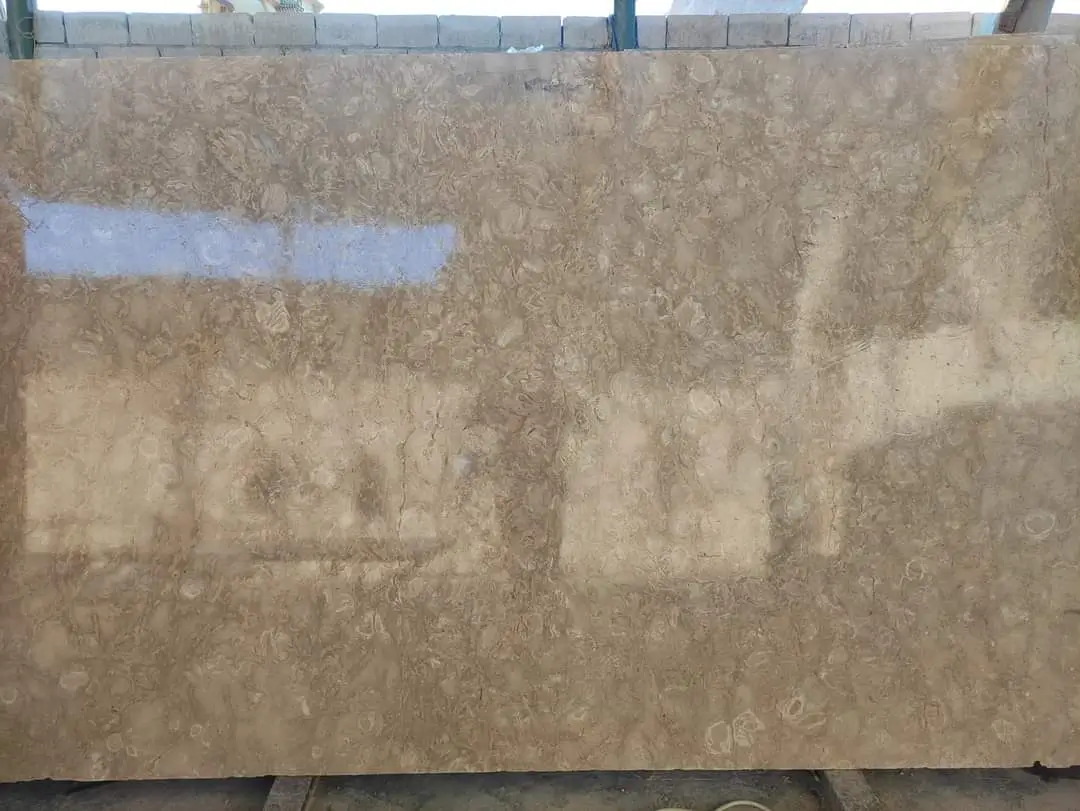
Understanding limestone screening driveway applications alongside #57 helps you choose the right layer for the right purpose. Screenings — sometimes called limestone fines or crusher dust — are the minus-3/8-inch fraction left over after primary crushing. They bind tightly and create a firm topping layer, but they shed water poorly and can become soft when saturated. #57 sits above screenings in size and below larger base aggregate, occupying a specific performance niche.
For most residential driveways, the most durable approach uses a combination of both: 4–6 inches of compacted #57 limestone as the primary drainage and structural layer, topped with 1–2 inches of compacted limestone screenings that create a firmer riding surface. This layered approach keeps the open-graded #57 doing drainage work below while screenings reduce the loose-stone feel that some property owners dislike. That said, plenty of rural and agricultural driveways run with #57 limestone for driveway surfacing as the only material and hold up well for years when maintained properly.
- Limestone screenings compact firmly and work well as a cap layer over #57
- #57 limestone handles structural load and drainage in the base course
- Combining both layers gives you the best of interlock strength and surface stability
- In high-clay soil conditions, increase #57 depth to at least 6 inches to prevent pumping failure
Limestone Uses Beyond the Surface Layer in Driveway Construction
One of the underappreciated limestone uses in driveway construction is as drainage fill alongside geotextile-lined drainage trenches that intercept subsurface water before it reaches the driveway sub-base. Installers who work on sites with high water tables or clay-heavy soils often run a trench along the uphill side of a driveway, fill it with #57 limestone, and wrap it in filter fabric. That single addition can extend driveway life by five or more years by eliminating the saturation cycles that degrade base material from below.
Beyond drainage, #57 limestone performs well as pipe bedding beneath driveway culverts, as backfill around retaining structures at driveway edges, and as leveling fill in low spots before primary base installation. Its angular shape and drainage properties make it more versatile than concrete aggregate or rounded gravel in these secondary roles. The USGS has documented limestone’s consistent role in construction applications across aggregates and dimension stone contexts, confirming that crushed limestone aggregates remain among the most widely used construction materials in the United States by volume.
Base Preparation: Where #57 Limestone Driveway Performance Is Actually Decided
Your driveway’s long-term performance gets decided before the first ton of #57 limestone arrives on site. Sub-grade preparation is where most failures originate — specifically, the tendency to skip geotextile fabric between native soil and the aggregate base. Without that separation layer, fine particles migrate upward into the stone over time, a process called pumping, and your well-graded #57 layer slowly becomes contaminated with fines that compromise both drainage and stability.
Lay non-woven geotextile fabric with a minimum weight of 4 oz/sq yd across the entire driveway footprint before placing any stone. Overlap fabric edges by at least 18 inches, particularly on the uphill side where water movement is greatest. Then place your #57 limestone in lifts — no more than 4 inches per lift — and compact each lift with a vibratory plate compactor or roller before adding the next. Skipping the lift-and-compact sequence is one of the most common field errors on residential driveway jobs and results in differential settlement within the first year.
- Excavate to a minimum depth of 8 inches below finished grade for passenger vehicle driveways
- Increase depth to 10–12 inches for heavy vehicle or RV access routes
- Install geotextile fabric with 18-inch edge overlaps before placing any stone
- Compact #57 limestone in 4-inch lifts — never in a single deep pour
- Check for soft spots by walking the compacted surface — any bounce or give indicates inadequate compaction
- Grade the finished surface with a minimum 2% cross-slope for positive drainage
At Citadel Stone, we’ve found through consistent warehouse inspection that angular #57 product with minimal flat or elongated pieces — ideally under 15% by weight — compacts more predictably and holds grade better than mixed-shape material. It’s worth asking your supplier about particle shape when you place your order.
Calculating How Much #57 Limestone Your Driveway Requires
The calculation is straightforward once you know your target compacted depth. For every 4 inches of compacted #57 limestone, plan for approximately 1.5 tons per 100 square feet of driveway surface — #57 limestone has a loose density of roughly 85–90 lbs per cubic foot, and the material compacts approximately 15–20% during installation. Always add 10% overage to your calculated tonnage to account for low spots, edge wastage, and the variation that occurs between loads.
Confirm truck access before placing your order. Standard delivery vehicles for bulk aggregate carry 20–24 tons per load, which covers a typical residential driveway in one or two deliveries. For driveways with sharp turns or overhead obstructions, discuss axle configuration and turning radius with your supplier — some sites require smaller trucks that carry 10–12 tons, which changes your delivery cost structure. Citadel Stone’s logistics team can help you think through delivery constraints before your order ships, which prevents the costly situation of a loaded truck that can’t access your site.
- Standard 4-inch compacted depth: approximately 1.5 tons per 100 sq ft
- Standard 6-inch compacted depth: approximately 2.25 tons per 100 sq ft
- Add 10% material overage to every calculated tonnage figure
- Verify truck access clearances — height, width, and turning radius — before delivery scheduling
- Confirm warehouse stock availability before setting your installation date
Edge Restraint and Durability Under Storm Conditions
The chip and stone driveway category — which includes #57 limestone — takes more abuse from severe weather than most people anticipate when they’re specifying it. The primary vulnerability isn’t surface wear; it’s edge loss. Without adequate edge restraint, wind-driven rain events and storm runoff wash aggregate laterally off the driveway margins, and you lose several inches of width per season on uncontained installations. Over three or four years, an unrestrained chip and stone driveway can lose 6–12 inches of usable width on each side.
Install edging before placing stone — not after. Steel landscape edging, timber borders, or concrete curbing all work, but the key is anchoring depth. In regions that experience significant frost cycles or heavy storm events, anchor edging stakes at least 10 inches deep and space them no more than 24 inches apart. Shallower anchoring means the edging heaves during freeze-thaw cycles and loses its restraint function precisely when storm stress is highest. For higher-exposure driveways, consider a concrete edge beam poured 6 inches wide and 8 inches deep along both margins — this provides permanent lateral restraint that no metal edging system matches. The structural integrity of your edge restraint directly determines how much material you retain after a major storm event.
- Steel landscape edging: effective for residential applications with stakes at 24-inch spacing
- Timber borders: work well aesthetically but require treatment for ground contact durability
- Concrete edge beams: the highest-durability option for exposed or high-traffic driveways
- Anchor all edging systems a minimum of 10 inches deep to resist frost heave
- In storm-exposed locations, inspect edging integrity annually and re-stake any sections that have shifted
Sourcing Quality and Gradation Consistency in #57 Limestone
Not all #57 limestone performs equally — and the variation has less to do with the stone itself than with how consistently the producer screens and washes the material. Undersized fines contamination is the most common quality issue you’ll encounter. A load that’s nominally #57 but carries 8–12% fines by weight behaves more like a dense-graded material — it drains poorly and can develop soft zones during wet weather. Request a gradation certificate with each load if you’re working on a commercial or high-spec residential project.
You can explore our angular limestone aggregate stock to review available gradations and sourcing details before placing an order. Hardness is the other quality variable worth checking — limestone Mohs hardness ranges from 3 to 4, but the density and cementation of the parent rock significantly affect wear resistance under vehicular traffic. Tightly cemented, high-density limestone from quality quarries holds its angular edge geometry significantly longer than soft or porous material, which means better interlock retention over the life of the installation. According to Britannica’s reference on limestone formation and characteristics, the mineralogical composition and geological history of a limestone deposit directly determine its mechanical properties — which is why sourcing origin matters as much as gradation specification.
At Citadel Stone, we source material directly from proven quarry operations and run warehouse-level quality checks on incoming aggregate to confirm gradation compliance before it goes out to customers. That intermediate step catches loads that don’t meet spec before they reach your job site.
Maintenance and Replenishment: Keeping Your #57 Driveway in Shape
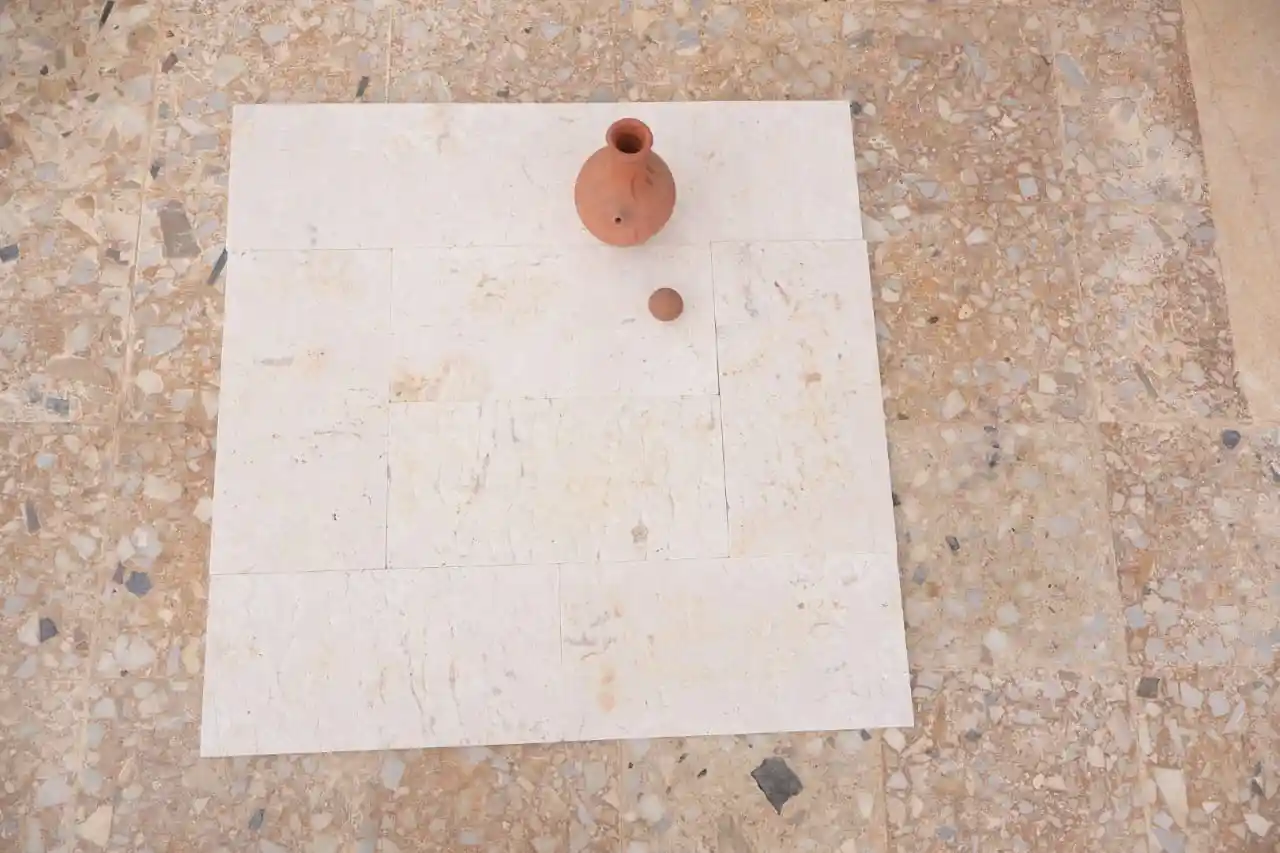
Aggregate driveways require periodic replenishment — that’s the honest trade-off compared to paved surfaces. Plan for a top-dressing application every 3–5 years on a typical passenger-vehicle driveway, adding approximately 0.5–1 inch of fresh #57 limestone to restore surface coverage and interlock. The replenishment interval shortens to 2–3 years on heavy-use driveways or in areas with frequent storm events that wash material from the surface.
Between replenishment cycles, your maintenance focus should be on grading. A driveway that develops ruts or low spots pools water, which accelerates material loss. Periodic dragging with a box blade or landscape rake restores grade and redistributes stone from high-traffic tracks back across the full surface width. Some property owners also apply a thin layer of limestone screenings every other year to improve surface firmness without replacing the entire #57 layer — this approach works well and reduces long-term replenishment costs. The ASLA provides useful guidance on driveway paving material performance and environmental considerations that’s worth reviewing when you’re weighing aggregate versus impermeable surface options for your specific site.
- Plan for full replenishment every 3–5 years under normal use conditions
- Heavy-use driveways may require replenishment every 2–3 years
- Drag-grade the surface annually to restore crown and eliminate ruts
- Apply limestone screenings as a topping every 1–2 years to improve surface firmness
- Inspect edge restraint after every significant storm event and re-anchor any displaced sections
- Address drainage problems at the source — regrading the sub-grade is more effective than simply adding more stone
Getting Your #57 Limestone Driveway Specification Right
Specifying #57 limestone for driveway construction comes down to understanding what this particular gradation does well and designing around what it doesn’t. It drains exceptionally, it compacts into a structurally sound base layer, and it offers better interlock stability than rounded alternatives. Its limitations — the need for edge restraint, periodic replenishment, and a surface that’s never quite as firm as a paved alternative — are manageable when you plan for them from the start rather than treating them as surprises.
Your installation sequence matters as much as material quality. Sub-grade preparation, geotextile fabric placement, compaction in controlled lifts, and proper edge anchoring are the variables that separate a driveway that holds up through years of weather and traffic from one that deteriorates within the first two seasons. Beyond the driveway itself, you may also want to explore complementary hardscape options for other areas of your property — bold contrast paving ideas cover another dimension of natural stone specification worth considering alongside your aggregate work. The right specification gets finalized before the first truck arrives — not after. Direct from quarries in Turkey, the Mediterranean, and beyond, our #57 limestone is washed and screened for uniform stone size.
Related reading: 10 Limestone Driveway Ideas to Inspire You · crushed limestone driveway pros and cons · crushed limestone driveway cost.