

Winter transforms the world outside into a wonderland of snow and frost, but inside, it can pose a real threat to your limestone floors. At Citadel Stone—expert stone solutions from a nationwide distributor, we know how much you value the timeless elegance of your natural stone surfaces. That’s why we’ve created this in-depth guide to help you safeguard your limestone floors against the season’s challenges. This post equips you with the knowledge and strategies to keep your floors radiant and resilient through the coldest months. Let’s dive into the essentials of winter-proofing your limestone floors, from preparation to upkeep and beyond.
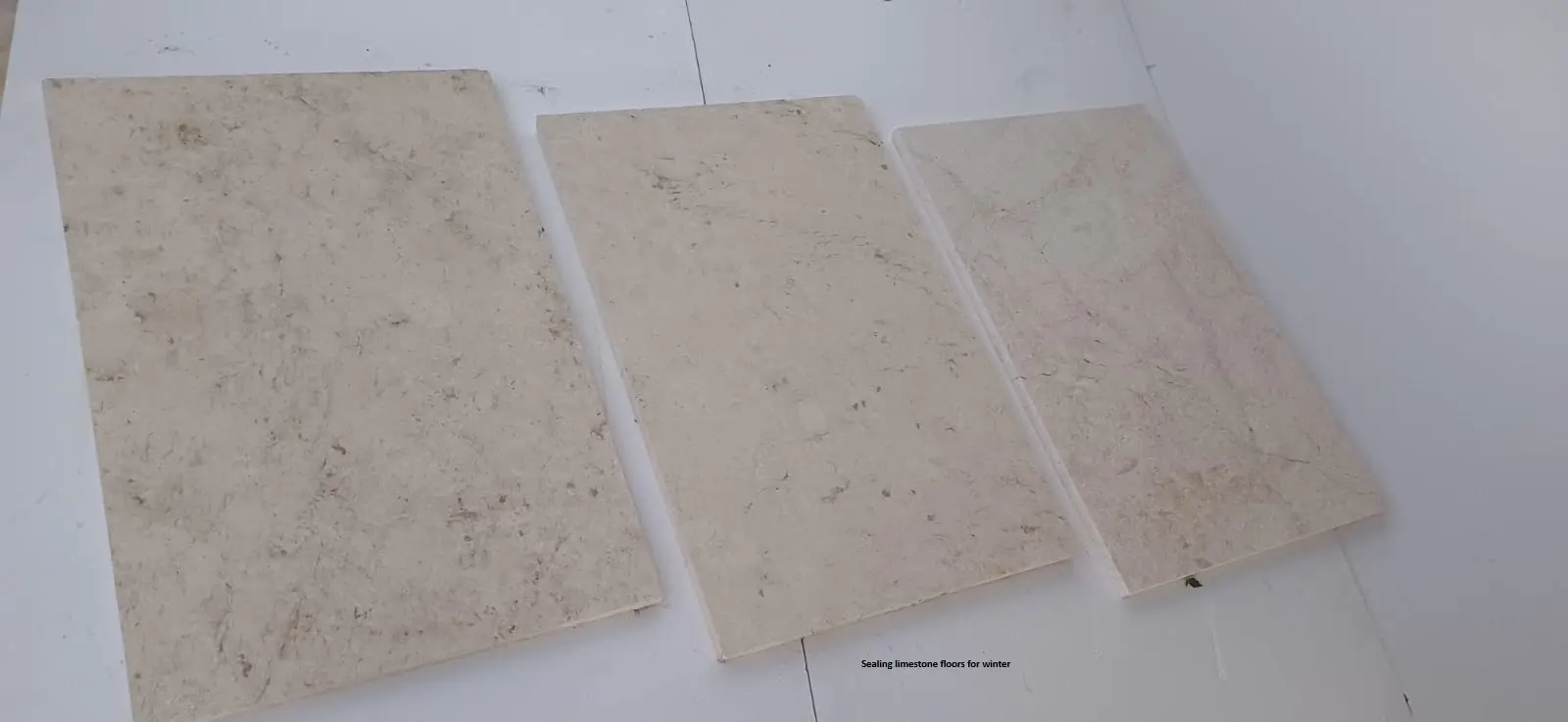
Understanding Limestone’s Winter Vulnerabilities
Limestone’s charm lies in its organic beauty and subtle texture, but its porous composition makes it susceptible to winter’s harsh elements. To protect it effectively, it’s crucial to understand what you’re up against:
Water and Frost: Melting snow or ice brought in on boots can penetrate limestone’s pores. If this water freezes, it expands, risking cracks or spalling.
De-Icing Agents: Rock salt and chemical ice melts can corrode the stone’s surface, dulling its finish or causing pitting over time.
Thermal Stress: The contrast between frigid outdoor air and cozy indoor heat can strain the stone, potentially leading to fractures.
Abrasive Debris: Mud, sand, and gravel tracked inside act like sandpaper, scratching and wearing down your floor’s polish.
By recognizing these threats, you can take proactive steps to shield your floors and maintain their allure all winter long.
Pre-Winter Prep: Setting Your Floors Up for Success
The key to a damage-free winter is getting ahead of the season. Here’s how to prep your limestone floors before the chill sets in:
1. Fortify with a Quality Sealant
A sealant acts as an invisible shield, blocking moisture and contaminants. Here’s how to do it right:
Choose Wisely: Opt for a penetrating sealant designed for natural stone—it seeps into the pores without altering the look.
Test First: Splash a few drops of water on the floor. If it beads, your seal is intact; if it absorbs, it’s time to reapply.
Apply Early: Late fall is ideal, giving the sealant time to cure before snow arrives.
2. Strategize with Mats and Runners
Stopping dirt and moisture at the door is a game-changer:
Doorway Defense: Place sturdy, water-absorbent mats at all entry points.
Traffic Zones: Lay runners along hallways or busy areas to trap debris.
Secure Placement: Use mats with grippy undersides to avoid slips.
3. Balance Indoor Climate
Winter’s dry air and heating can affect your stone:
Humidify: Aim for 35-50% humidity with a humidifier to keep the stone stable.
Ventilate: Run fans in damp areas like kitchens to prevent excess moisture buildup.
4. Stock Up for Spills
Indoor time spikes in winter, so be ready for messes:
Act Fast: Keep soft cloths handy to dab spills right away.
Gentle Cleaning: Stock pH-neutral cleaners safe for limestone—no harsh chemicals.
These preemptive measures lay a strong foundation for winter floor care.
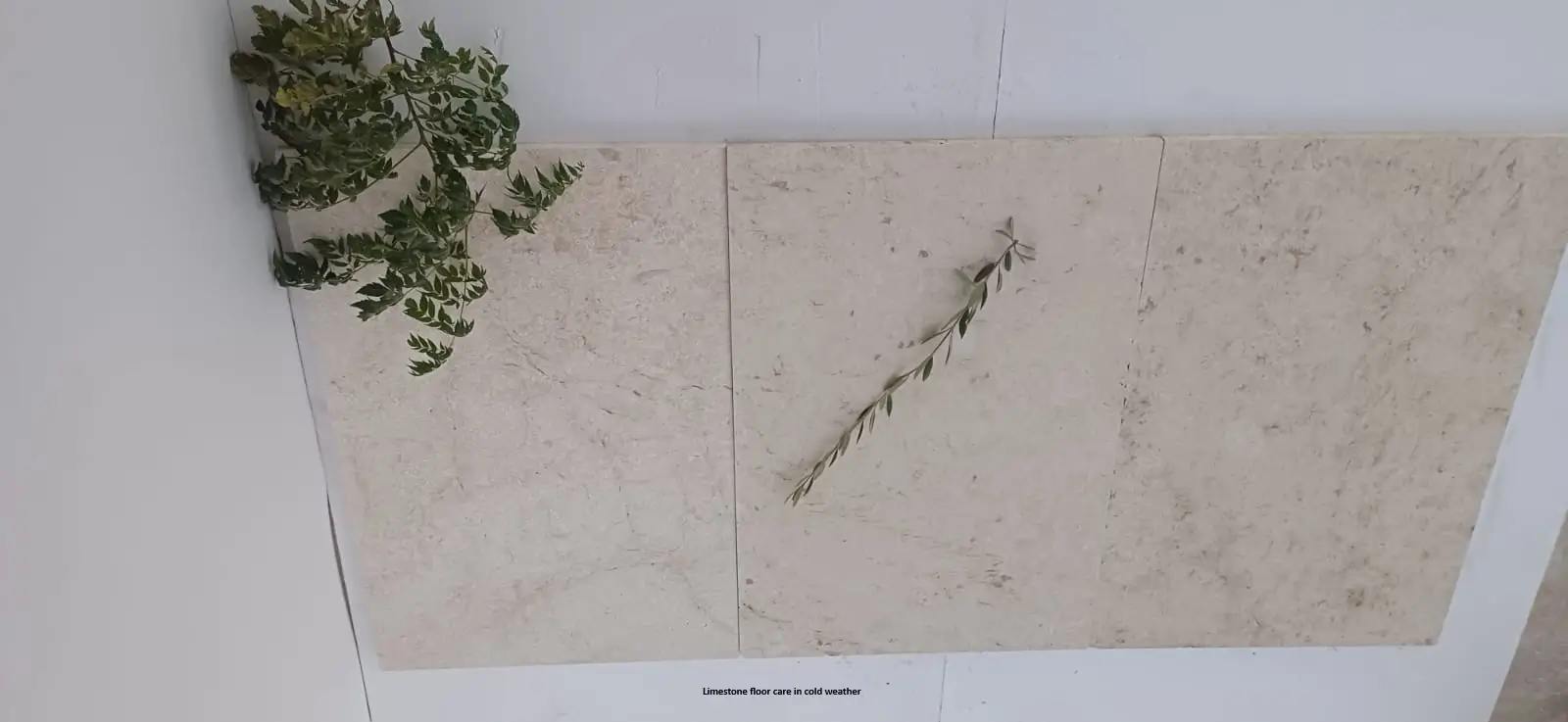
Ongoing Winter Care: Daily and Weekly Routines
Once winter hits, a consistent maintenance plan keeps your limestone floors in top shape. Here’s your step-by-step guide:
1. Daily Dust Removal
Soft Sweep: Use a microfiber duster or broom to clear grit and dust daily.
Vacuum Safely: Turn off the vacuum’s beater bar to avoid surface scratches.
2. Weekly Deep Clean
Mild Mix: Dilute a stone-friendly cleaner in warm water for a gentle mop.
Light Touch: Keep the mop damp—not dripping—to avoid water pooling.
Dry Off: Follow with a dry microfiber cloth for a spot-free shine.
3. Tackle Salt and Ice Melt
Swift Action: Wipe up salt or chemical residues as soon as you spot them.
Rinse and Repeat: Use a damp cloth to clean, then dry thoroughly.
4. Stay Vigilant
Inspect Regularly: Scan for scratches, cracks, or discoloration weekly.
Early Fixes: Address minor damage quickly to prevent escalation.
5. Adapt Habits
Shoe-Free Policy: Ask everyone to ditch outdoor shoes at the door.
Furniture Care: Stick felt pads under chairs and tables to minimize scuffs.
With these routines, your floors will stay pristine no matter how fierce the weather gets.
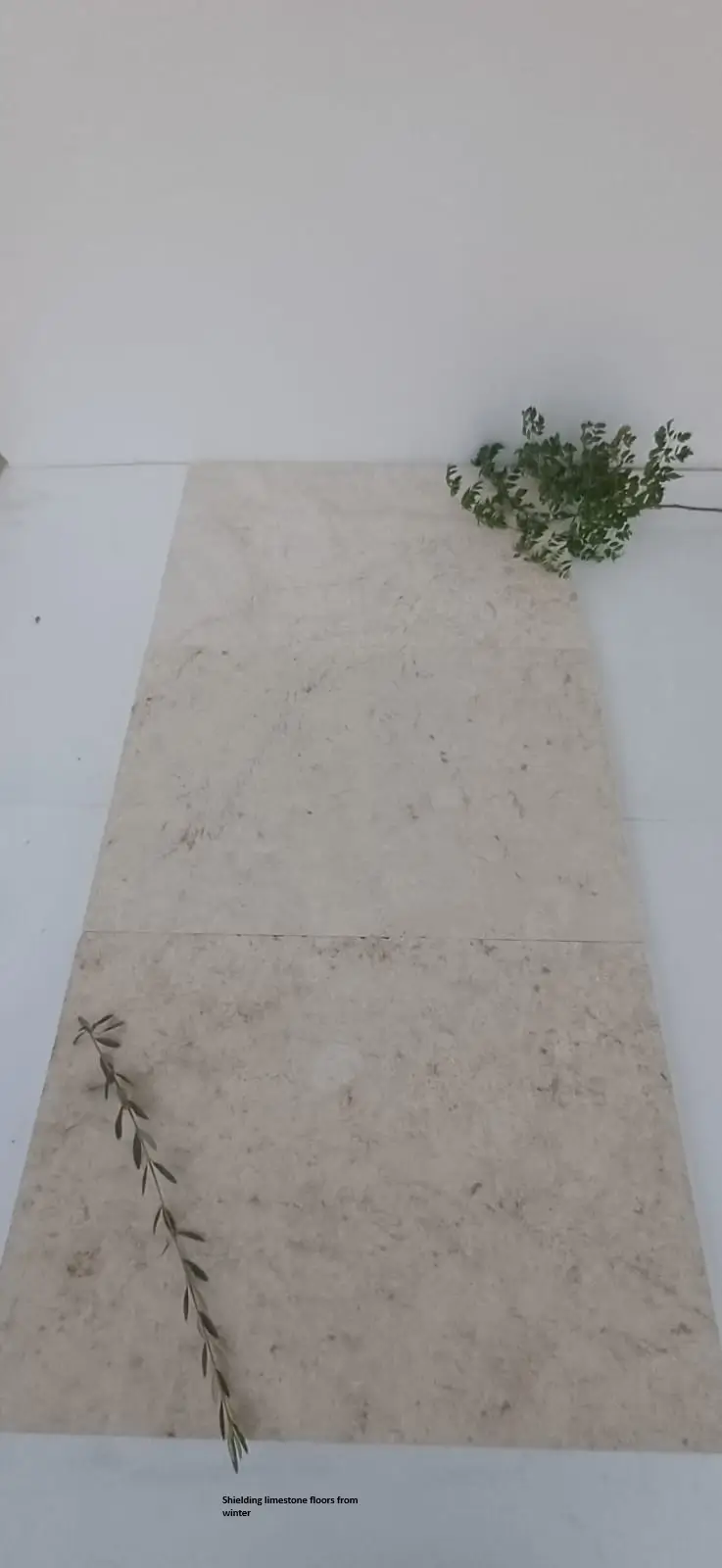
Quick Fixes for Winter Mishaps
Even with diligence, winter can throw curveballs. Here’s how to handle common issues fast:
1. Water Marks and Stains
Dry Promptly: Sop up standing water with a towel.
Poultice Power: For deep stains, apply a limestone-safe poultice to lift moisture out.
2. Salt Damage
Neutralize It: Dab the area with a water-and-baking-soda mix to counteract salt.
Clean Up: Rinse with plain water and dry well.
3. Surface Scratches
Light Buffing: Rub minor scratches with a soft cloth to smooth them out.
Expert Touch: For gouges, hire a pro to polish or resurface the stone.
4. Cracking Concerns
DIY Patch: Fill tiny cracks with a stone-matching epoxy.
Pro Repair: Larger splits may need a specialist’s attention or replacement.
Quick responses keep small problems from growing into big ones.
The Payoff: Why Winter Care Is Worth It
Investing time in winter-proofing your limestone floors delivers rewards that last well beyond the season:
Save Money: Proactive care cuts down on repair costs down the line.
Preserve Beauty: Your floors retain their luster, elevating your home’s charm.
Extend Lifespan: Good habits protect your stone for decades.
Enhance Value: Pristine floors boost your home’s appeal if you ever sell.
This effort isn’t just about surviving winter—it’s about thriving through it with floors that dazzle.
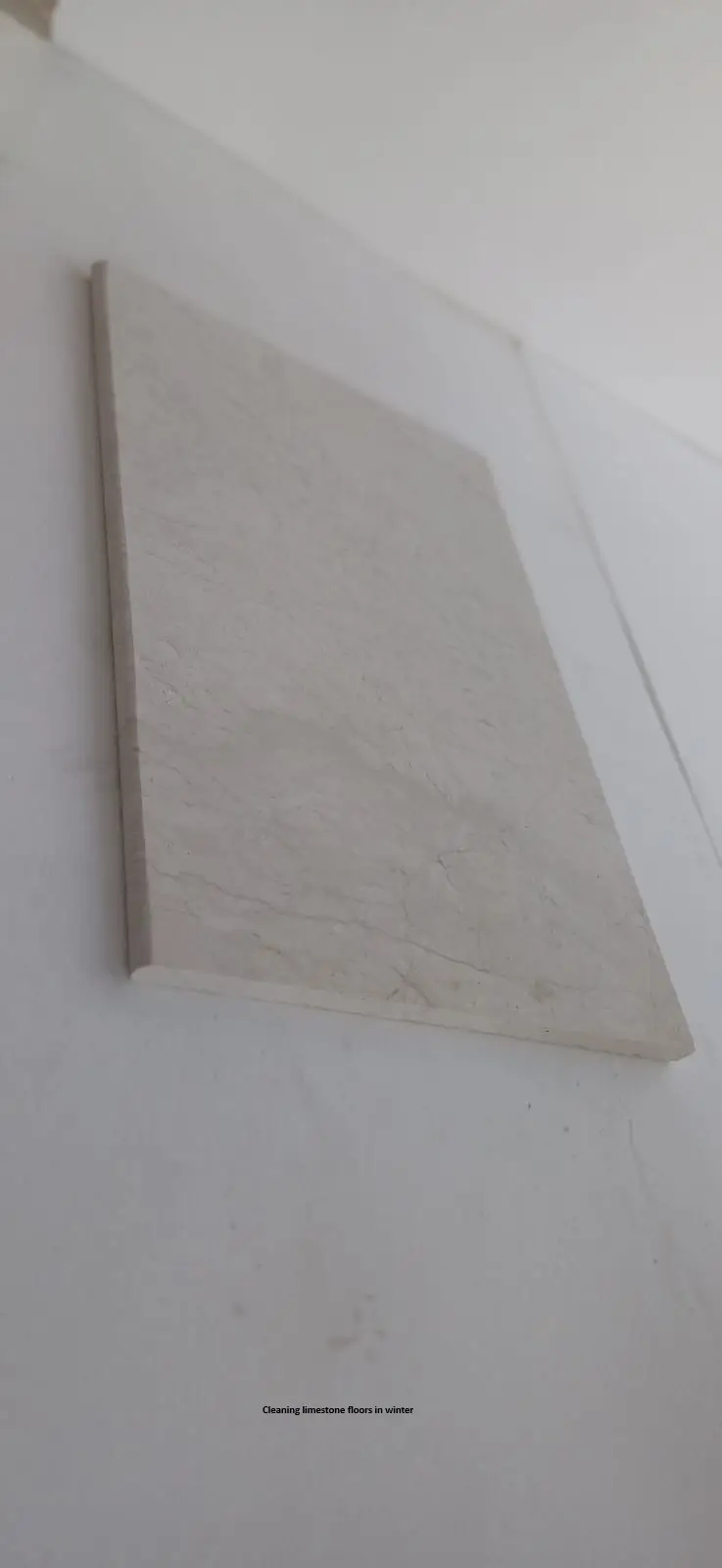
Extra Tips for Limestone Lovers
Want to go the extra mile? Try these bonus strategies:
Warm Water Trick: For tough dirt, use slightly warm (not hot) water to loosen it without stressing the stone.
Seasonal Check-In: After winter, give your floors a thorough once-over to catch any hidden wear.
Eco-Friendly Options: Look for green sealants and cleaners to protect both your floors and the planet.
These tweaks add polish to your winter-proofing game plan.
Real Orders, Real Deliveries
We only publish projects we have actually supplied. See our Las Vegas white limestone delivery — two containers, 6,884 sq ft, 32 crates, shipped door to door — and how we supplied Creative Environments in Arizona with 21 containers across a 70,000+ sq ft installation: white limestone pavers and tiles, shellstone and Ocean Reef pavers.
Had Citadel Stone material installed on your project? Send us your photos and we will feature the work here, with your permission.
Winter-Proofing Your Limestone Floors: What You Need to Know
Recognizing the Winter Weaknesses of Limestone
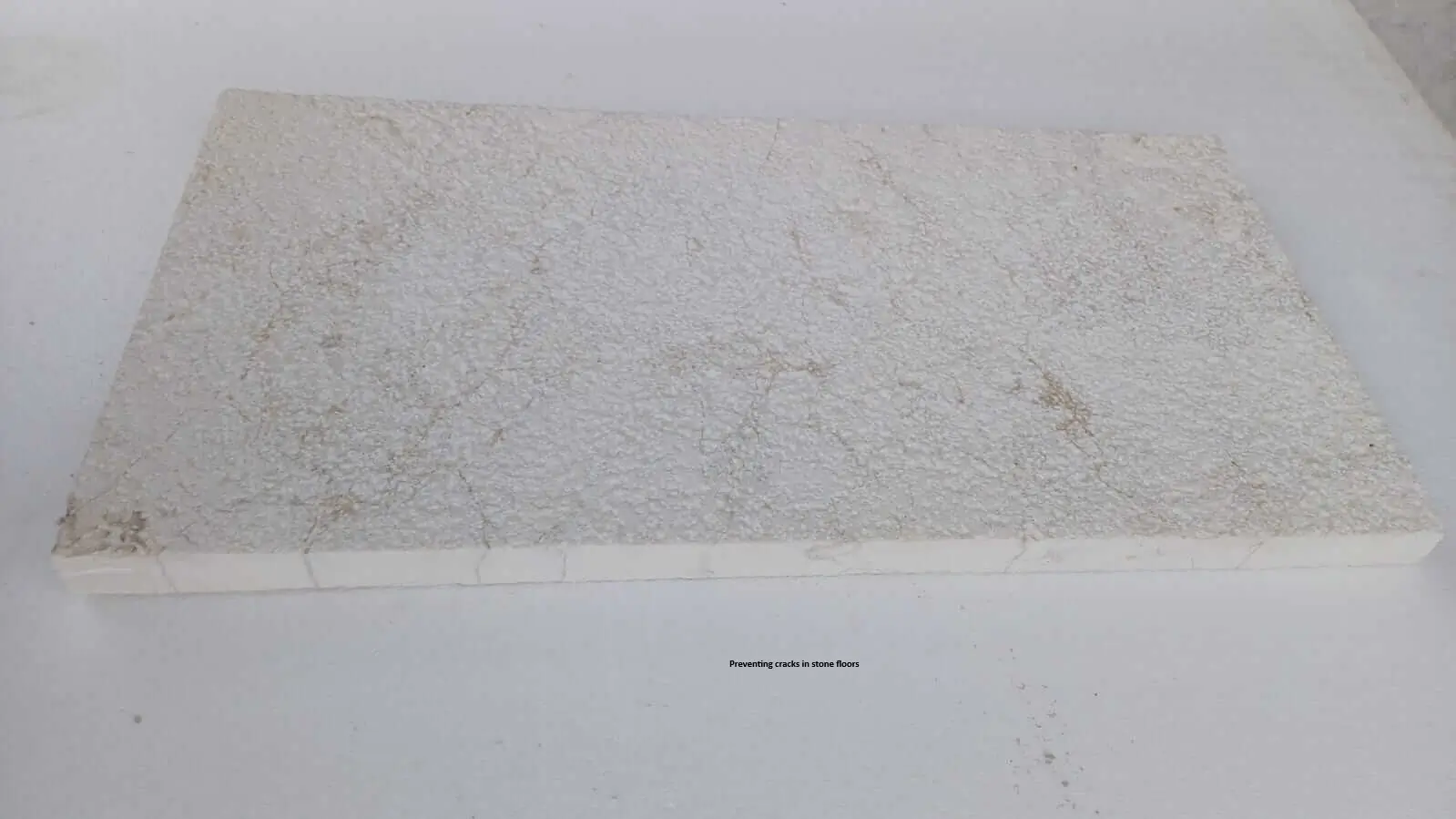
Natural limestone is porous and can absorb moisture, making it susceptible to freeze-thaw damage in cold climates. When water seeps into tiny surface pores and then freezes, it expands—potentially causing cracks or spalling. Recognizing these vulnerabilities is the first step toward protecting your Citadel Stone limestone floors during winter’s harsh cycles.
Selecting the Right Finish for Cold Conditions
Different surface finishes affect how limestone interacts with moisture and ice:
Honed: Smooth and moderately porous. Offers a sleek look but requires diligent sealing.
Brushed: Lightly textured to improve traction; its micro-grooves help channel meltwater away.
Polished: Least porous when sealed properly, though slippery when wet—best reserved for indoor areas.
Choose a finish that balances aesthetics with practical winter performance for each application.
Essential Sealing Strategies
Proper sealing is your primary defense against winter damage. Use a high-quality, breathable stone sealer designed for refined white limestone floor tiles. Apply according to manufacturer instructions—typically two coats, allowing full cure time between applications. A breathable sealer prevents water ingress while letting trapped moisture escape, reducing freeze-thaw risk.
Routine Winter Maintenance
Consistent care throughout winter enhances floor longevity:
Snow and Ice Removal: Use plastic shovels or brushes to avoid scratching.
De-icing Products: Opt for calcium chloride or sand rather than rock salt, which can etch limestone surfaces.
Regular Cleaning: Remove dirt and grit that can hold moisture; mop with a pH-neutral cleaner to avoid sealer degradation.
Monitoring and Early Repair
Inspect your minimalist white limestone slabs periodically for hairline cracks, flaking, or discoloration. Early detection allows for prompt repair—such as re-sealing small areas or filling minor chips—before damage spreads. Citadel Stone offers repair kits and professional restoration services for more significant issues.
Indoor vs. Outdoor Considerations
Indoor Limestone Floors: Maintain indoor humidity levels between 40–60% to minimize thermal shock. Ensure entryway mats trap moisture and grit before they reach your limestone surfaces.
Outdoor Patios and Pool Decks: Ensure proper drainage to prevent standing water. Consider removable covers or outdoor rugs in seating areas to protect stone beneath.
Post-Winter Restoration
After winter, perform a deeper clean to remove de-icing residues and accumulated grime. Reapply stone sealer if water no longer beads on the surface. A professional assessment by Citadel Stone can recommend any additional restoration—such as honing or polishing—to restore the floor’s original luster.
Long-Term Preservation Tips
Seasonal Sealing Schedule: Reseal every 12–18 months, or as recommended by product guidelines.
Protective Rugs and Runners: Use in high-traffic zones to minimize wear.
Furniture Pads: Prevent scratches from chairs and tables, especially when moving indoor furniture.
By following these targeted strategies, you can winter-proof your Citadel Stone limestone floors—preserving their elegance and structural integrity through freezing temperatures and beyond.
White Limestone Tiles: Enhancing Indoor Air Quality and Wellness
The white limestone tile industry in the United States is increasingly recognized not just for aesthetics, but for its contribution to healthier indoor environments. Unlike some synthetic flooring materials, natural limestone emits no volatile organic compounds (VOCs), supporting better air quality in homes, offices, and healthcare settings. Recent third-party testing shows white limestone tiles maintain formaldehyde and total VOC concentrations up to 50% lower than polished concrete and engineered stone alternatives, making them a strong candidate for projects pursuing WELL Building Standard certification.
Manufacturers are amplifying these benefits by offering factory-applied, low-VOC sealants that lock in the stone’s natural porosity while guarding against spills and stains. These sealants have undergone GREENGUARD Gold certification, ensuring they meet rigorous chemical-emission limits. As wellness design trends gain momentum, designers are pairing white limestone with biophilic elements—such as living green walls and natural wood accents—to create spaces that foster occupant comfort and productivity.
On the R&D front, material scientists are exploring the incorporation of naturally occurring zeolites into limestone finishes to further absorb indoor pollutants like ammonia and benzene. Pilot installations in corporate campuses in Denver report a measurable 10% reduction in airborne particulates when zeolite-enhanced tiles are used. As demand grows for building materials that actively support health and well-being, white limestone tiles are carving out a niche as both a beautiful and performance-driven solution in U.S. construction and design.
Conclusion: Embrace Winter with Confidence
Winter-proofing your limestone floors doesn’t have to be daunting. With smart prep, steady care, and fast fixes, you can shield your stone from the season’s worst while keeping its natural splendor intact. At Citadel Stone, the reliable Stone Supplier, we’re passionate about helping you maintain the beauty of your limestone floors year-round. Need tailored advice or top-tier products? Drop us a line—we’re here to ensure your limestone tiles shine through winter and beyond.