Natural vs Manufactured Stone: The Core Distinction
Selecting the right types of stone for building houses is a performance decision that plays out over decades, not just a materials choice made at the sample board. The gap between natural stone and manufactured stone veneer is wider than most homeowners and contractors anticipate, and it shows up in ways that aren’t visible at the point of sale. Natural stone is quarried directly from the earth, carrying geological density, mineral variation, and compressive strength values that factory-cast alternatives simply can’t replicate. Manufactured stone, also called cultured stone or cast stone, uses a concrete-based mix pressed into molds to simulate the look of fieldstone, ledgestone, or stacked slate.
The specification choice you make here determines not just aesthetics but long-term maintenance cycles, moisture behavior, and how the material ages in your particular building envelope. Both categories have legitimate use cases, but they’re not interchangeable, and treating them as equivalent is a mistake that surfaces — literally — over time.
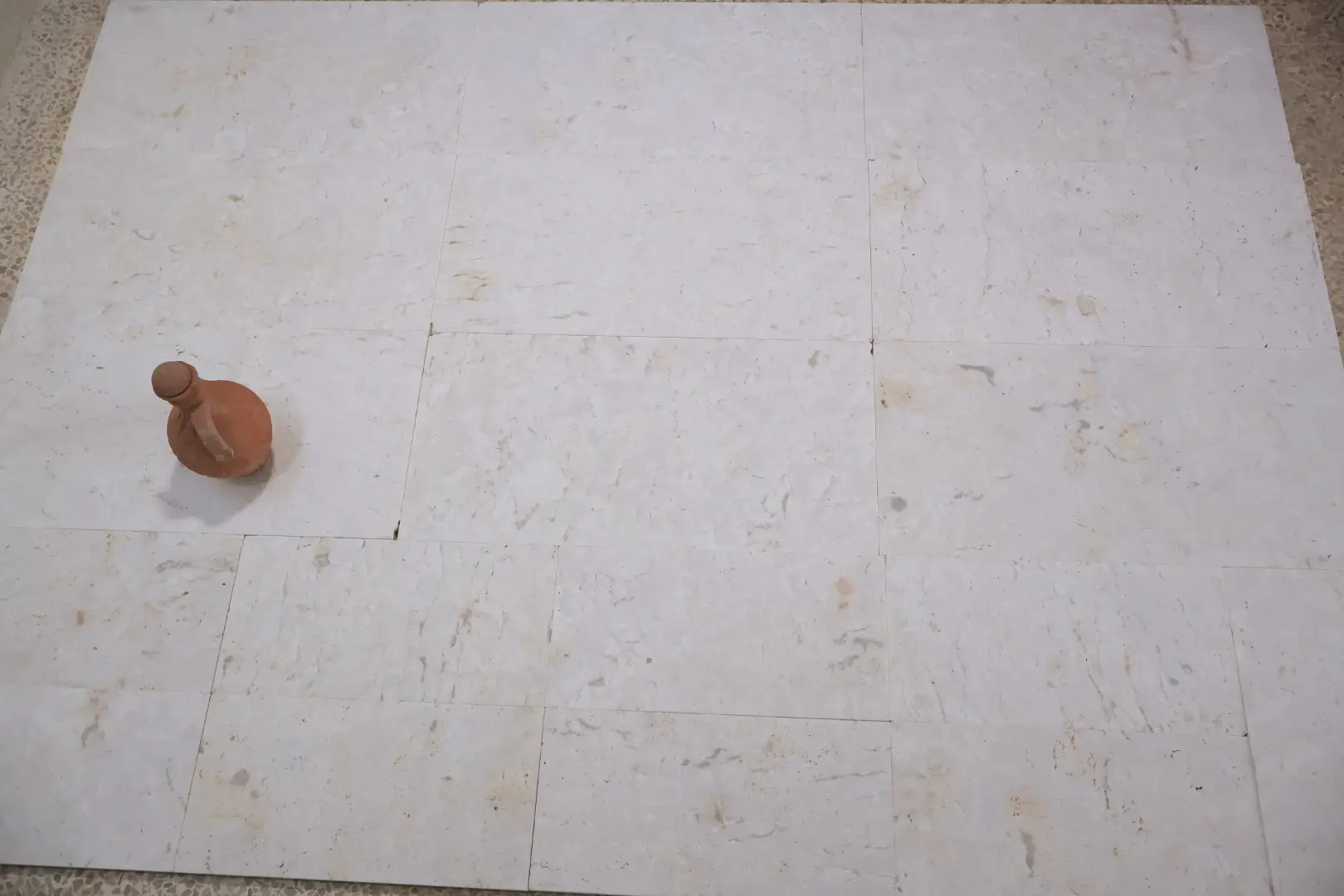
Performance Properties: A Side-by-Side Breakdown
When you line up the core performance metrics for natural stone versus manufactured stone, the differences become hard to ignore. Compressive strength is the starting point. Dense natural building stones — granite, basalt, limestone — regularly test above 10,000 PSI and can exceed 25,000 PSI for igneous types. According to Natural Stone Institute stone specifications, natural stone varieties carry verifiable compressive strength ranges validated through standardized testing protocols. Manufactured stone veneer typically lands between 2,500 and 4,500 PSI — adequate for non-structural cladding but not structural building applications.
Thermal mass is another performance factor that separates the two categories. Natural stone walls store heat during daylight hours and release it slowly after sunset — a behavior that reduces HVAC cycling in temperature-variable climates. Manufactured stone, due to its lower density and concrete binder, offers a fraction of that thermal mass benefit. For structural walls in hot, dry climates or high-altitude freeze-thaw regions, this difference is consequential.
- Natural stone compressive strength: 10,000–25,000+ PSI depending on species
- Manufactured stone veneer: 2,500–4,500 PSI (cladding-only applications)
- Natural stone thermal mass: high density creates genuine temperature buffering
- Manufactured stone thermal mass: minimal — concrete binder limits heat storage
- Moisture absorption: natural stone varies by species (limestone 3–12%, granite under 1%); manufactured stone absorbs 6–15% by weight in some formulations
- Freeze-thaw performance: dense natural stone rated for severe exposure; manufactured stone requires verified freeze-thaw cycling data before use in cold climates
Types of Natural Stone for House Construction
Natural stone for residential construction falls into three geological families: igneous, sedimentary, and metamorphic. Each carries distinct performance characteristics, and the right choice depends on your wall assembly, structural role, and design intent. Understanding these categories is the foundation of specifying the correct types of stone for building houses — one that matches material behavior to application requirements rather than defaulting to availability or aesthetics alone.
Igneous Stone: Granite and Basalt
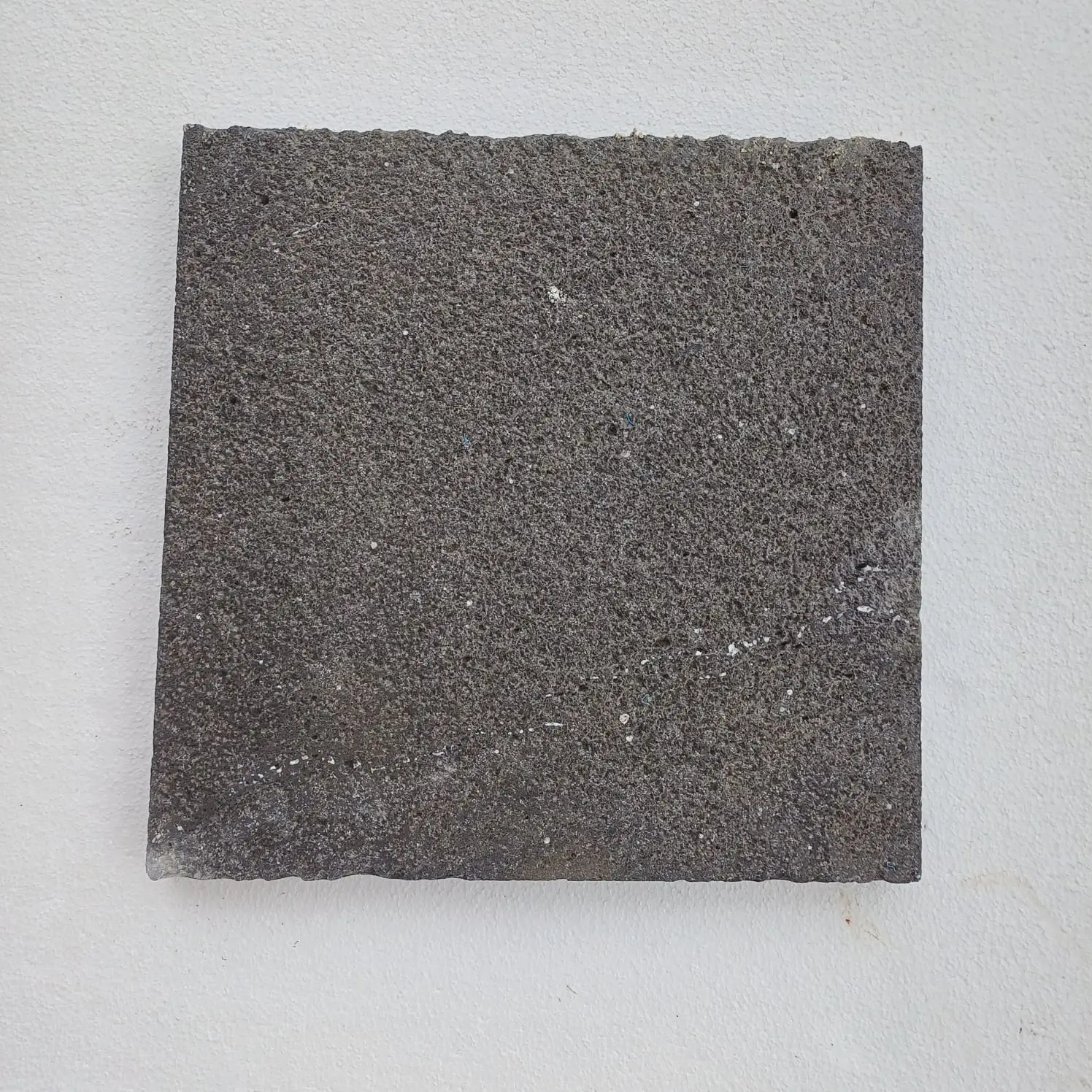
Granite is the benchmark for structural durability. Its interlocked crystalline structure gives it exceptional compressive strength, near-zero water absorption, and resistance to surface abrasion that makes it a sound choice for base courses, exterior cladding, and feature walls that need to hold up for generations. Basalt shares granite’s igneous origin and brings similar density with a finer grain structure and a darker, more uniform appearance. Basalt is specified frequently in contemporary residential architecture where a monolithic, dark-toned facade is part of the design language.
Sedimentary Stone: Limestone and Sandstone
Limestone remains one of the most widely used types of stone for building houses across traditional and transitional architectural styles. Its workability — the relative ease of cutting and finishing compared to granite — makes it practical for carved details, window surrounds, and coursed wall construction. Compressive strength for quality building limestone runs from 4,000 to 15,000 PSI depending on the formation, and its neutral color palette adapts naturally to a broad range of landscape design contexts, from colonial revival streetscapes to modern minimalist exteriors. Sandstone offers warm, earthy tones but requires careful sourcing — absorption rates vary significantly between quarry sources, and high-absorption sandstone in freeze-thaw regions demands a sealed, breathable finish to prevent spalling.
Metamorphic Stone: Slate and Quartzite
Slate’s layered structure makes it ideal for roofing, coping, and accent cladding rather than load-bearing wall construction. Its cleavage planes allow it to be split into thin, consistent panels, but those same planes make it susceptible to delamination under high lateral stress. Quartzite, by contrast, has been recrystallized under heat and pressure into a dense, non-directional matrix that behaves more like granite in structural applications. It’s underused in residential specification and worth considering where you need high hardness with a natural, varied surface texture.
Manufactured Stone Veneer: Where It Works and Where It Doesn’t
Manufactured stone veneer earns its place in residential construction when weight and cost constraints make full-depth natural stone impractical. Panels typically run 1 to 2.5 inches thick and weigh 15 to 25 pounds per square foot — roughly one-quarter the weight of full-bed natural stone. That weight reduction changes your structural detailing requirements significantly, particularly on upper floors, wood-frame additions, and retrofit cladding projects where the existing structure wasn’t engineered for stone loading.
The specification risk with manufactured stone veneer centers on moisture management. The IBC Chapter 21 masonry provisions set specific requirements for weather barriers, drainage planes, and flashing details behind veneer cladding — requirements that are frequently under-specified in residential projects. According to IBC Chapter 21 masonry and veneer building code requirements, proper flashing integration at all penetrations, base courses, and horizontal ledges is mandatory for code compliance and long-term water exclusion. Failures in manufactured stone veneer installations are almost always moisture-related, not material-related.
- Verify that the weather-resistive barrier behind veneer is continuous and lapped correctly at seams
- Confirm flashing is installed at the base course, above windows, and at all penetrations
- Specify a drainage gap or mat between the barrier and scratch coat — a critical omission in many residential installs
- Check the mortar coverage requirement: manufactured stone veneer requires minimum 80% back coverage for exterior applications
- Avoid manufactured stone veneer on below-grade walls or applications with chronic hydrostatic pressure
How Landscape Design Influences Stone Selection
The types of stone for building houses don’t exist in isolation — they interact with the surrounding landscape in ways that either reinforce or undermine the design intent. Architectural traditions and landscape styles create a visual grammar that your stone selection either speaks fluently or disrupts. A desert xeriscaping scheme with angular succulents and decomposed granite groundcover calls for a different stone vocabulary than a traditional lot with boxwood hedges and formal symmetry.
For contemporary minimalist exteriors, basalt and honed limestone deliver the tonal consistency and clean edge geometry that the design requires. Their uniform color ranges — dark charcoal to warm buff — work with native planting palettes and gravel ground covers without visual competition. For traditional and colonial revival styles, dimensional limestone coursing or fieldstone with a tumbled finish carries the textural richness those styles depend on. The stone selection signals historical authenticity when executed with correct coursing patterns and mortar joint profiles.
Tropical and lush planting schemes benefit from warmer-toned stones — sandstone, warm-buff limestone, or shell limestone varieties — that don’t read as cold or industrial against dense green foliage. Natural stone veneer contractor decisions often hinge on this landscape integration question as much as structural specification, because the façade is the transition zone between the built structure and the planted environment. Getting the stone color temperature, texture, and finish right for the surrounding landscape is where good projects become great ones. An experienced natural stone veneer contractor will evaluate the site’s existing landscape palette before finalizing the stone species and finish recommendation.
Structural vs Veneer Applications: Getting the Specification Right
The single most important distinction to make before selecting stone is whether it’s performing a structural function or a cladding function. Structural stone — load-bearing walls, foundation courses, retaining walls — demands full-bed natural stone with verified compressive strength, consistent bed depth, and proper mortar specification. Cladding applications — accent walls, gable ends, fireplace surrounds — can accommodate thin-cut natural stone veneer or manufactured alternatives, with the structural load carried by the substrate behind.
For residential load-bearing walls using natural stone, minimum bed depth of 4 inches is a standard starting point, but your engineer’s specification governs. The mortar specification matters as much as the stone: Type S mortar (minimum 1,800 PSI compressive strength) is appropriate for exterior load-bearing applications, while Type N is used for non-structural interior veneers. Using the wrong mortar type is one of the most common field errors on natural stone construction projects, and it’s invisible until joint failure begins at the 7-to-10-year mark.
Stone paver contractors working on exterior wall cladding projects should verify mortar type against exposure classification before any material is ordered — field substitutions at this stage add both cost and schedule risk. Explore our stone product range for dimensional building stone options that arrive pre-cut to standard bed depths, which simplifies mortar joint consistency on site. Consistent bed depth across a course is something you genuinely notice when it isn’t there — wall plumb and coursing alignment depend on it in ways that aren’t obvious until you’re three courses up and the variation has compounded.
Cost, Lead Time, and Supply Planning
Full natural stone construction carries a higher material cost than manufactured veneer — typically two to four times more per square foot depending on species, finish, and cut complexity. The cost gap narrows, however, when you account for the long-term maintenance differential. Natural stone, correctly specified and installed, doesn’t require periodic painting, repainting, or surface re-coating the way some manufactured veneer finishes do. For projects with a 30-plus-year ownership horizon, the lifecycle cost comparison shifts meaningfully in natural stone’s favor.
Lead time is a real project planning variable that gets under-weighted in early scheduling. Imported natural building stone on a custom specification can carry a 6-to-10-week import cycle from quarry to warehouse, which means your stone procurement decision needs to happen at design development — not at construction documents. Citadel Stone maintains ready stock of key building stone species in its national warehouse network, which compresses typical lead times to 1–2 weeks for standard dimensions and species. That warehouse stock availability is the difference between a project that holds its schedule and one that idles a framing crew while stone clears customs.
Truck access to the site is a delivery logistics variable worth addressing early. Full-depth natural stone is dense — granite runs around 170 pounds per cubic foot, limestone around 150 — and a typical building stone delivery will arrive on a flatbed truck requiring a forklift or crane offload. If your site has overhead line clearance issues, soft soil access lanes, or constrained staging areas, work out the truck access and offload plan with your supplier before the delivery date, not the morning of.
Common Specification Mistakes to Avoid
Field experience with stone building projects surfaces the same specification errors repeatedly. Most of them are preventable at the drawing stage if you know what to look for. The Masonry Society natural stone wall construction standards document best practices that address the majority of these vulnerabilities at the specification level.
- Specifying stone by color alone without a minimum compressive strength or absorption rate requirement — leaves the door open for substitution with a weaker material
- Omitting thermal expansion joint locations from stone veneer drawings — causes joint cracking at 3-to-5 year intervals in temperature-variable climates
- Using the same mortar specification for interior and exterior applications — Type N is not appropriate for freeze-thaw exposed exterior joints
- Failing to specify a bond break or flashing at the transition between stone and dissimilar materials (wood framing, metal lintels) — creates differential movement cracks at material interfaces
- Selecting a natural stone veneer contractor based on price alone without verifying their experience with the specific stone species being installed — installation technique matters as much as material quality
- Ordering stone without confirming warehouse availability against the project schedule — a 6-week lead time discovered at permit issuance creates real schedule compression
Stone Finishes and Their Role in Building Performance
The finish applied to a stone surface does more than affect appearance — it changes the surface absorption rate, the slip coefficient, and how the material ages visually over time. For exterior building stone, honed and thermal (flamed) finishes are the two most practical options. Honed stone has a smooth, matte surface with slightly elevated absorption compared to polished stone, while a thermal finish opens the crystal structure at the surface through high-heat treatment, creating a textured, grip-friendly profile that performs well in wet exposure conditions.
Polished finishes on exterior building applications are generally a specification mistake. The gloss surface on polished granite or limestone reads well in showroom conditions but degrades in UV exposure and shows water streaking and biological staining more visibly than matte alternatives. For most residential exterior applications, a honed or textured finish gives you the best combination of aesthetics and durability without the maintenance burden of maintaining a polished surface outdoors.
Stone paver contractors working on exterior wall cladding projects often raise the finish question late in the specification process. Address it at material selection — finish specification affects both the pricing and the lead time from the cutting facility, and changing finish after fabrication starts adds cost and delay. Whether the project involves feature walls, base courses, or full-facade cladding, finish decisions belong in the design phase, not the procurement phase.
Getting Stone Selection Right for Your Home
The specification decisions that define a stone building project’s long-term success come down to three things: material match to structural role, moisture management detail at every penetration and transition, and finish selection that holds up to the actual exposure conditions on the site. Selecting the right types of stone for building houses requires thinking past the sample board and into the performance envelope — compressive strength, absorption rate, thermal behavior, and the maintenance cycle you’re prepared to commit to over a 20-to-30-year horizon.
Natural stone delivers performance metrics and visual depth that manufactured alternatives genuinely cannot match in structural applications, but manufactured stone veneer earns its place when weight constraints or budget realities make full-depth stone impractical. The honest approach is to specify each system where it performs best, not to use one as a substitute for the other across the board. As your project moves from design to procurement, supply chain considerations become real variables — warehouse stock levels, truck delivery logistics, and lead time against your construction schedule all affect whether the right stone arrives at the right time. Large-scale stone building projects bring their own supply coordination challenges, and how supply issues affect large stone projects is worth reviewing before your procurement plan is finalized. Citadel Stone carries limestone, basalt, and travertine cut to standard building dimensions, reducing on-site fabrication time for contractors.
Related reading: types of stone for building · finding natural stone suppliers.