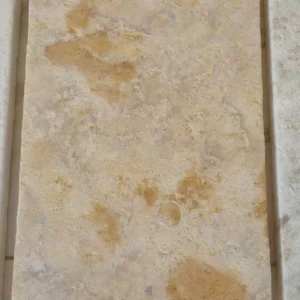
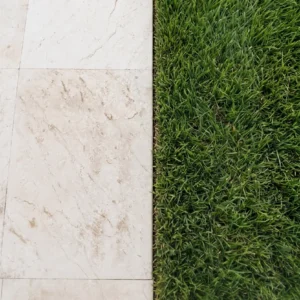
Travertine stain marks don’t just happen — they follow predictable chemistry that, once you understand it, makes prevention straightforward. The porous calcium carbonate matrix that gives travertine its warmth and texture is the same structure that draws in oils, acids, and pigmented liquids faster than almost any other natural stone. Getting ahead of that process means knowing which staining agents attack the surface chemistry, not just wiping up spills.
Why Travertine Stains So Readily
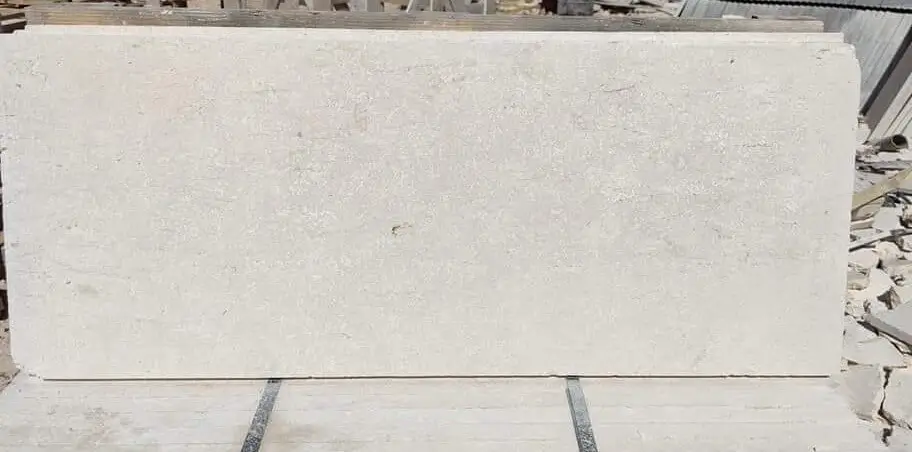
Travertine’s open-pore structure isn’t a manufacturing defect — it’s a geological feature formed during hot-spring mineral deposition. Those voids and channels that create the stone’s distinctive texture also act as capillary pathways for any liquid that contacts the surface. The calcium carbonate base reacts chemically with acids (citrus juice, vinegar, wine), while oil-based substances penetrate the pores mechanically and bind to the crystal structure. Understanding these two distinct staining mechanisms — chemical etching and physical absorption — is the foundation of every effective travertine stain removal strategy.
Surface finish plays a significant role in how quickly a travertine stain takes hold. Polished travertine has a tighter, denser surface that slows absorption marginally, giving you a slightly longer response window. Honed and tumbled finishes are more open, meaning a red wine spill on a tumbled patio tile can penetrate within seconds under warm conditions. The fill status of the voids matters too — unfilled travertine tiles present direct channels into the stone body, while epoxy-filled tiles restrict but don’t eliminate absorption pathways.
Common Travertine Stain Types and Their Chemistry
Not every travertine stain responds to the same treatment, and using the wrong removal method can deepen the damage. Categorising by stain type before reaching for a cleaner is the professional approach.
- Oil-based stains (cooking oil, body lotion, grease) — these penetrate the pore structure and require a poultice with an absorbent powder and a degreasing agent to draw them back out
- Organic stains (coffee, tea, wine, leaves, algae) — typically respond well to dilute hydrogen peroxide on light-coloured travertine, or a specialised enzyme-based cleaner on darker tones
- Acid etch marks (citrus, vinegar, carbonated drinks) — technically not stains but surface corrosion of the calcium carbonate; they appear as dull patches and require light re-honing or polishing powder, not stain removers
- Metal stains (rust from furniture legs, irrigation fittings) — the most stubborn category, requiring oxalic-acid-based poultices and sometimes multiple applications
- Biological growth (mould, mildew in shaded or damp settings) — surface treatments with dilute bleach work for mild cases, but recurring growth signals a moisture management issue beneath the stone
Acid etch marks deserve special attention because they’re frequently misdiagnosed as stains. They appear as cloudy or matte patches on polished surfaces — no colour change, just lost sheen. Applying stain remover to an etch mark won’t restore the surface; the calcium carbonate has actually been dissolved, and only mechanical re-polishing brings back the finish.
The Poultice Method for Removing Deep Travertine Stains
A poultice is the most effective tool in your travertine stain removal kit for any penetrating mark that simple cleaning won’t lift. The principle is straightforward: a paste of absorbent powder mixed with a chemical agent is applied over the stain, sealed with plastic film, and left to draw the contaminant back out of the pore structure as it dries.
Powder base choices include diatomaceous earth, kaolin clay, or talc — all widely available and chemically inert to the stone. The chemical component added to the powder depends on the stain type: acetone for oil-based stains, dilute hydrogen peroxide (12% maximum) for organic stains, and a commercial rust remover for iron-based discolouration. Mix to a peanut-butter consistency, apply at roughly 6mm thickness over the stain, cover tightly with plastic wrap, tape the edges, and leave it for 24–48 hours. Peeling the dried poultice away and rinsing thoroughly often lifts the mark significantly. Stubborn travertine stain marks may need two or three poultice cycles, with a 24-hour drying period between each application.
- Always pre-wet the stained area lightly before applying the poultice — dry stone absorbs the chemical agent too quickly, reducing dwell time at the stain level
- Use plastic or wooden tools to apply and remove the poultice — metal scrapers can score the surface
- Test the poultice on an inconspicuous area first, especially on honed or polished finishes that show surface changes readily
- Seal the stone within 48 hours of successful stain removal — cleaned pores are temporarily more vulnerable to re-staining
Sealing Travertine for Long-Term Stain Prevention
The single most effective stain prevention measure is an appropriately specified penetrating sealer applied correctly and reapplied on schedule. According to Natural Stone Institute travertine properties and outdoor suitability, travertine’s pore structure and absorption characteristics mean sealer selection and reapplication intervals are critical performance variables — not optional maintenance steps.
Penetrating (impregnating) sealers work by occupying the pore space below the surface without forming a topcoat film. They allow the stone to breathe while dramatically slowing liquid absorption. For interior use, a solvent-based fluoropolymer sealer typically outperforms water-based alternatives in high-traffic areas. For exterior travertine — pool decks, courtyard paving, outdoor kitchen surfaces — specify a sealer rated for UV exposure and thermal cycling, since solvent-based formulations can become brittle under sustained heat and expand with the stone differently than water-based products.
- Apply sealer to clean, dry stone only — moisture trapped beneath the sealer prevents proper penetration and creates a bond failure that accelerates staining
- Interior high-traffic floors typically need resealing every 2–3 years; outdoor surfaces exposed to weather and UV may need annual attention
- The water-bead test tells you when resealing is due — drop water on the surface and watch the contact angle; if it absorbs within 3–4 minutes rather than beading, resealing is overdue
- Tumbled travertine and heavily textured finishes require more sealer volume per square foot than polished surfaces due to their greater exposed surface area
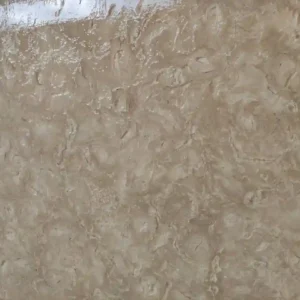
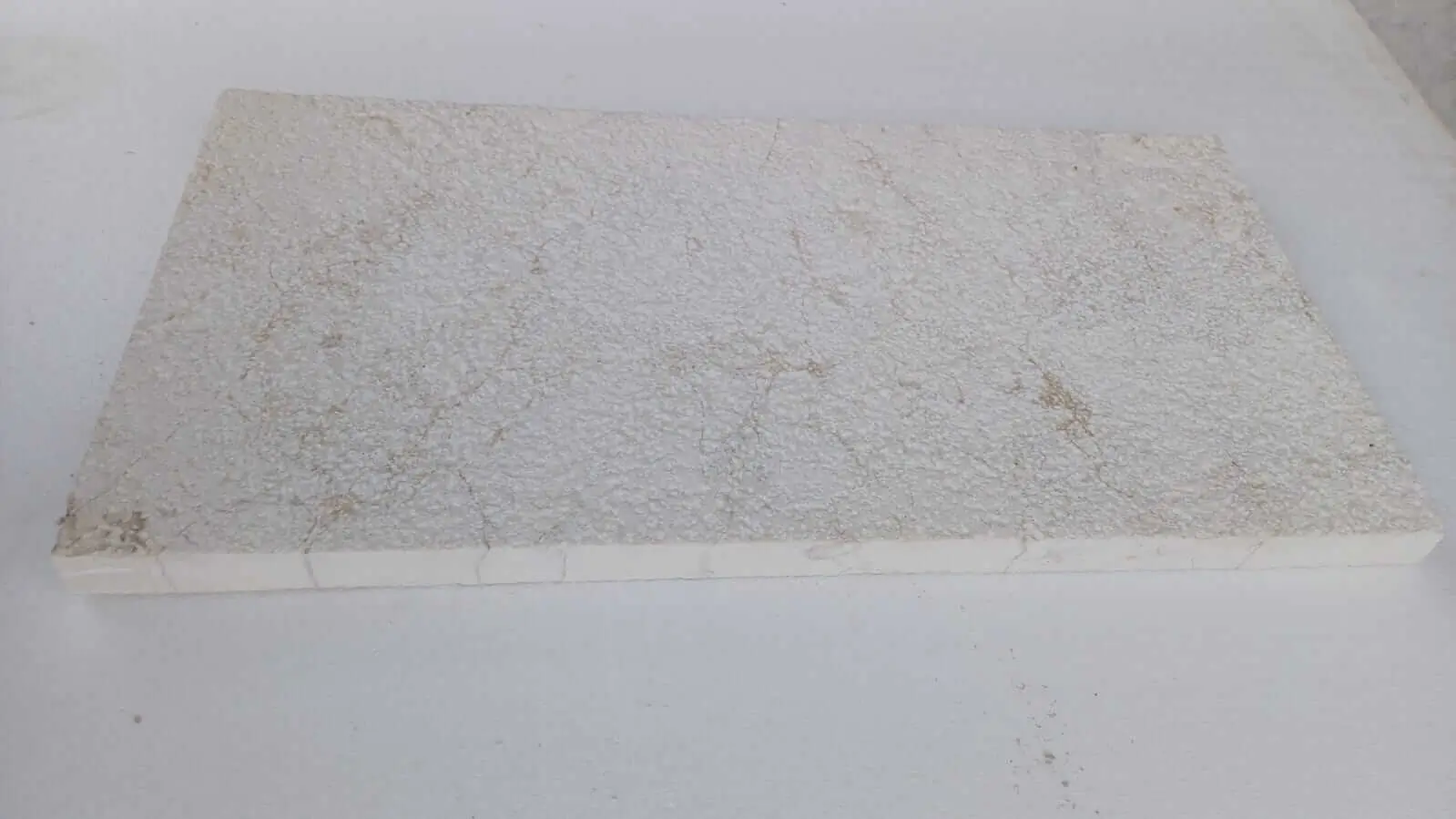
For projects specifying silver tumbled travertine — a popular choice for outdoor terraces and pool surrounds — factor in the textured surface profile when estimating sealer quantities. The tumbled surface holds sealer less efficiently than a flat honed face, and the natural colour variation means staining is slightly more visible in the lighter tone zones.
Travertine Stain Management in Landscape Design Contexts
The landscape setting a travertine installation occupies directly determines which staining agents will be most frequent. This is worth thinking through at the specification stage, not after the first season of use.
Travertine installed in lush garden settings — tropical planting zones, courtyard gardens with dense ground cover, or shaded pergola areas — faces persistent organic staining from leaf tannins, plant material, and biological growth. The shade that creates the aesthetic also reduces the UV-driven natural bleaching that helps lighter stones self-correct minor surface discolouration. For these settings, an enzyme-based maintenance cleaner used quarterly provides better long-term travertine stain control than annual deep cleaning alone.
Desert xeriscaping and minimalist modern landscapes with travertine as a hardscape centrepiece face a different profile. The primary staining risks are dust accumulation in pores (which shows as grey discolouration over time), irrigation water mineral deposits, and sunscreen or body oil contact around seating areas. A colour-enhancing sealer can deepen the stone’s natural tones while providing stain resistance — useful when the stone needs to read strongly against pale gravel or white concrete surrounds typical of contemporary desert garden design.
For traditional or colonial-style landscapes where travertine terrace paving coordinates with mature planting and iron garden furniture, rust staining from furniture legs is a recurring nuisance. Specify rubber or stainless-steel furniture feet from the outset, and treat any iron contact points in the paving with a rust-inhibiting sealer application immediately after installation.
Daily and Weekly Maintenance Routines That Prevent Staining
The most effective travertine stain strategy isn’t reactive — it’s the routine that prevents stains from developing in the first place. Consistent low-effort maintenance dramatically outperforms periodic intensive cleaning.
For everyday surface care, a dry dust mop or microfibre pad removes the grit and particulate that acts as an abrasive when tracked across polished or honed surfaces. Damp mopping with clean warm water and a pH-neutral stone cleaner handles the rest. The key word is pH-neutral — standard household cleaners, particularly those with citrus, bleach, or ammonia, will attack the calcium carbonate surface and create the same type of surface damage as acid etch marks. For guidance on appropriate cleaning chemistry, the ASTM C1527 travertine dimension stone standard provides specification context that informs cleaning product compatibility requirements.
- Blot liquid spills immediately — don’t wipe, which spreads the contaminant across more pore area
- Use stone-safe pH-neutral cleaners exclusively; check the label and avoid any product that doesn’t explicitly state pH-neutral or pH 7
- Place absorbent mats at food preparation and serving areas in outdoor kitchens where oil and acidic food contact is highest
- Rinse pool deck travertine after heavy chlorinated water splashing — prolonged chlorine contact can affect the sealer and, over extended periods, the stone chemistry
- Inspect grout and filled-void areas annually — cracked fill allows moisture and contaminants to bypass the sealed surface and enter the stone from below
Travertine vs Marble: How Stain Behaviour Differs
The travertine vs marble stain comparison comes up frequently in material selection discussions, and the answer is more nuanced than a simple ranking. Both are calcium carbonate stones and both are acid-sensitive, but their structural differences create meaningfully different staining profiles.
Marble is a metamorphic stone with a denser, more uniform crystalline structure than travertine’s sedimentary, voided matrix. That density means marble absorbs liquid more slowly, giving you a slightly longer window to respond to spills before they penetrate. However, polished marble’s high-reflectivity surface makes etch marks from acid contact dramatically more visible than the same damage on a honed or tumbled travertine. A lemon juice splash on a polished marble floor produces a visible dull patch almost immediately; on a honed travertine, the same contact causes etching but the finish difference is far less stark. According to USGS limestone and travertine natural mineral formation data, the mineralogical similarity between these stone types explains their shared acid sensitivity, even as their structural differences drive divergent maintenance requirements.
For high-volume areas where travertine stain risk is significant — commercial kitchens, busy outdoor entertaining spaces — travertine’s textured or filled-void surfaces can actually be more forgiving visually than polished marble. The texture diffuses surface defects that would be glaring on a mirror-polished stone. That said, the maintenance protocol for both materials is fundamentally similar: penetrating sealer, pH-neutral cleaning, and prompt spill response. When evaluating travertine vs marble for a specific project, weigh both the staining profile and the visual tolerance each finish offers for surface wear.
Sourcing Replacement Tiles and Planning Maintenance Supplies
One practical consideration that doesn’t get enough attention at specification time is ordering spare tiles for future maintenance. Travertine’s natural variation means a batch from a different quarry run — even nominally the same product — can read differently in colour and veining. Holding 5–10% overage in storage gives you matched material for any future repairs caused by severe staining, chipping, or damage that requires tile replacement.
Citadel Stone maintains inventory that allows tile order matching across projects, and our technical team can advise on sealer compatibility and maintenance product selection specific to the travertine you’ve sourced. For the full range of compatible maintenance and care products, the Citadel Stone travertine care range covers the sealer types, cleaners, and poultice materials referenced throughout this guide. Ordering care products alongside your tile shipment rather than sourcing them separately simplifies project logistics considerably.
Lead times from warehouse to site vary depending on your location and order volume, but having sealer and cleaning supplies on hand at installation means the first sealer coat can go down immediately after grouting — the most critical window for travertine stain protection in a newly installed surface.
Travertine Stain Management: Putting It All Together
Managing travertine stain marks effectively comes down to three things: understanding the stain chemistry so you’re treating the right mechanism, maintaining your sealer schedule so the stone’s pore structure stays protected, and building a simple routine that catches spills and surface contamination before they penetrate. The removal methods — poultice for deep penetration, pH-neutral cleaners for surface maintenance, re-honing for acid etch marks — are all accessible with the right materials and a straightforward technique. Your landscape setting should inform both your finish choice and your maintenance approach, since outdoor travertine in planted garden contexts faces different staining risks than pool deck or interior floor installations. Silver tumbled travertine, in particular, benefits from proactive sealer management given its open texture and light tone zones. If your project involves broader natural stone material comparisons, it’s worth exploring how different stone types handle wear and surface treatments — quarry tile versus travertine performance covers a useful comparison for projects where multiple stone options are under consideration. Travertine from Citadel Stone arrives from established quarry partners across multiple continents, selected for tight pore structure that limits staining.
Related reading: How to Polish Travertine Tile and Restore Its Sheen · Travertine Border Tile Ideas for Small-Tile Installs · small travertine bathroom ideas.