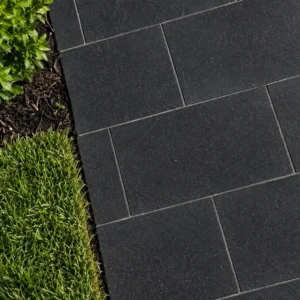
Santo Domingo holds the hemisphere’s deepest architectural seniority: the first cathedral of the Americas, the first fortress, the first paved street – the Zona Colonial, laid out at the turn of the sixteenth century and raised in the island’s own coralina. The quarter is a UNESCO World Heritage Site, a living neighborhood and the country’s heritage showcase at once, and building in or beside it is the region’s most senior heritage brief. This guide walks it with the respect five centuries have earned.
What the First City Means
The Zona Colonial is not a colonial theme – it is the original: the Catedral Primada begun in the 1510s, the Ozama Fortress commanding the river mouth since 1502, the Alcázar de Colón above the plaza, and Calle las Damas running its first-paved line between them. The masonry is coralina – the coral stone the island quarried for its own beginnings – and the quarter’s fabric is therefore both monument and material archive. New work anywhere near it answers to that seniority, and the answering is the craft.
The Quarter’s Rules
The colonial city runs under heritage oversight with real teeth, and the working rules follow the regional canon at first-city strictness:
- Historic fabric is untouchable except through sanctioned conservation – repair is a licensed craft here.
- New interventions declare themselves honestly: visible joints, legible eras, no counterfeit aging.
- Ground disturbance assumes archaeology; five centuries of city lie beneath every renovation.
- Facades, streetscapes and rooflines answer to the quarter’s review before any private preference.
Working Beside Coralina
The quarter’s coralina sets the material register, and new stone joins it as a respectful neighbor: pale tones that harmonize with the coral masonry’s weathered warmth, honest textures beside its fossil character, and clean provenance so no new piece is ever mistaken for – or taken from – the old. The pairing philosophy is the honest division at heritage grade: the historic coralina keeps its authority, conservation uses sanctioned like-for-like, and contemporary floors and courts run calibrated stone that clearly belongs to this century. the Danish quarter’s parallel craft walks the same discipline in a younger colonial fabric, and the first city applies it with deeper stakes.
The Boutique Renovation Wave
The quarter’s renaissance runs through its buildings: colonial shells becoming boutique hotels, courtyard houses becoming restaurants and galleries, upper floors returning to residence. The renovation craft is interface work – new services threaded under new floors rather than chased through old walls, courtyards repaved at historic levels with drainage the centuries never had, thresholds negotiated between street heritage and modern accessibility – and the reward is the hemisphere’s most atmospheric hospitality: rooms where the walls predate every other city a guest has slept in.
The Courtyard Heart
The quarter’s domestic genius is the courtyard – the shaded stone heart every colonial house organized itself around – and renovations succeed by restoring its logic: the court repaved as the living room it always was, galleries floored at their historic levels, the fountain or well-head kept as the composition’s memory, and planting returned to the pots and beds the typology always carried. Pale calibrated stone serves the revival honestly – cool underfoot in the city’s heat, clearly contemporary beside the old walls, and detailed to drain courts the original builders sloped by instinct.
A Living Quarter’s Manners
The Zona is a neighborhood before it is an attraction – residents, schools, colmados, the evening plaza life – and construction manners run urban-historic: works hours respecting streets where sound carries between stone walls, deliveries threading lanes drawn for carriages, staging that never colonizes the public realm, and dust management owed to neighbors living meters away. The quarter’s community memory is as long as its history; builders who honor the street earn the tolerance every heritage project eventually needs.
The Modern Capital Around It
Beyond the walls, Santo Domingo runs the region’s biggest metropolis – the Malecón’s oceanfront line, business districts building towers, Piantini and Naco’s polished residential quarters – and the capital’s stone brief runs metropolitan: lobby and plaza floors at commercial duty, tower amenity decks, embassy and corporate landscapes at institutional grade. The two cities trade craft constantly – the quarter lends the capital its gravitas, the capital funds the quarter’s revival – and suppliers serve both from the same disciplined palette.
Seniority, Honored
Building beside the first city is the region’s highest heritage privilege: five centuries of coralina seniority, a living quarter’s daily life, and a renaissance hungry for craft that honors both. The harbor-capital parallel is mapped in another harbor capital’s register at boutique scale; Santo Domingo runs the original edition. Declare the new honestly, defer to the old completely, and the first city of the Americas makes room – as it has for every honest century since its first.
The Malecón Front
Where the colonial quarter meets the sea, the capital runs its great oceanfront line – the Malecón, the esplanade where the city promenades, celebrates and takes its salt air at urban scale – and its public-realm stone brief is the country’s most civic:
- Esplanade surfaces at municipal durability: crowd-rated, salt-front, indifferent to festivals and parades alike.
- Seawall caps and edge works detailed for spray that arrives with every south swell.
- Event-ready falls and drainage – the front hosts the city’s biggest gatherings and washes down by morning.
- Adjacent hotel and restaurant frontages stepping their thresholds to the public line cleanly.
The front’s craft is the promenade canon at capital scale – pale tones against the glare, textures that hold through sea mist, the sittable edges every great seafront grows – and its lesson travels inland: the city that maintains its civic stone maintains its civic pride, and Santo Domingo has been proving the connection since its first paved street. The oldest promenade habit in the Americas deserves surfaces built to its seniority.
What the World Heritage Listing Means on Site
The Zona Colonial is not simply an old district. UNESCO inscribed the Colonial City of Santo Domingo in 1990 across a property of 106 hectares with a buffer zone of 465.49 hectares, describing 32 streets crossing 116 blocks of one and two story construction in stone, brick or earthen walls. The checkerboard layout that Nicolas de Ovando imposed from 1502 became the reference for town planners across the New World. That listing is the reason approvals take longer here and why material choices are argued about in detail.
- Expect a documented submittal for any surface visible from the street
- Sample panels on site, viewed wet and dry, are normal rather than exceptional
- Reversible details are preferred over anything that cuts into historic fabric
- Allow review time in the schedule, not just construction time
The official inscription record for the Colonial City of Santo Domingo is the primary reference.
Matching Coralina Without Copying It
The historic fabric is coralina, a coral limestone cut locally and weathered over five centuries. New work rarely matches it exactly, and trying to is usually a mistake. The Natural Stone Institute is clear that density and absorption vary widely within a single commercial name, which is precisely why a visual match can behave very differently once it is laid.
- Test absorption and density on the actual batch, not the brochure
- Aim for a sympathetic tone and texture rather than a forgery
- Detail a clear joint or level change where new meets old
- Check how the candidate stone weathers in shade as well as in sun
The reference material on limestone variation explains why two pale limestones can perform very differently.
Courtyards, Drainage and the Rain Nobody Plans For
Colonial courtyards drain to a point, not to a perimeter, and the falls were set long before modern rainfall intensity. Renovation work has to respect the geometry while quietly improving the performance.
- Survey the existing falls before you set new levels
- Add capacity at the outlet rather than re-grading the whole court
- Keep new channels narrow and honest instead of disguised
- Protect the base of historic walls from splash and standing water
If the project sits outside the quarter, our country wide supply overview covers what changes elsewhere.
Santo Domingo colonial stone, chosen with the quarter in mind
Working next to the first city of the Americas is a discipline rather than a style. The successful projects are the ones that read the context first and specify second.
- Understand the heritage constraint before selecting material
- Test the batch rather than trusting the name
- Detail the junction between new and old deliberately
- Keep records so the next renovation team inherits something useful
Five centuries set the standard here, and good new work simply avoids arguing with it.