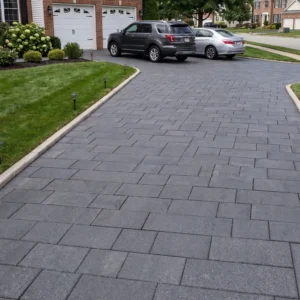
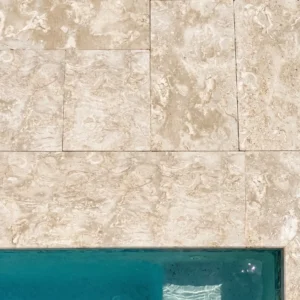
This comprehensive guide explores the top 10 trends shaping Bahamian outdoor living and provides specific paver picks that excel in tropical coastal conditions. Each recommendation considers salt-air durability, thermal performance, slip resistance, and local sourcing logistics to help you create stunning outdoor spaces that perform beautifully year after year.
1. Indoor-Outdoor Living & Seamless Thresholds
The boundary between interior and exterior spaces continues to blur in modern Bahamian homes, creating flowing transitions that maximize cross-ventilation and ocean views. Large sliding glass doors, pocket walls, and covered terraces extend interior living spaces outward, requiring flooring materials that work seamlessly in both environments.
Perfect Paver Picks
- Porcelain pavers in 24″x24″ format, 20mm thickness, with wood-look or concrete-look finishes
- Honed limestone in 18″x36″ or 24″x24″ dimensions, 1.25″ thickness for structural consistency
- Large-format granite pavers in 24″x36″, honed finish, 1.5″ thickness for durability
Installation tip: Use identical materials for both interior and exterior areas, ensuring proper drainage slopes outside while maintaining level thresholds for seamless transitions.
Why it works in the Bahamas
Porcelain pavers resist salt corrosion completely while offering consistent coloring that won’t fade under intense UV exposure. The large formats reduce grout lines where salt and moisture can accumulate, while their low porosity prevents water absorption that could cause damage during hurricane season deluges.
2. Cool, Light-Reflective Surfaces for Thermal Comfort
Bahamian sunshine creates surface temperatures that can make dark pavers uncomfortably hot for barefoot use around pools and patios. Light-colored, reflective surfaces have become essential for comfortable outdoor living, especially in areas where guests walk barefoot or lounge poolside.
Perfect Paver Picks
- Light-colored limestone (cream, buff, or white varieties) in 16″x24″ format, tumbled edges
- Coral stone in natural light tones, 12″x24″ or random ashlar patterns
- White or light gray granite with polished or honed finish, 18″x18″ format
Installation tip: Specify high solar reflectance index (SRI) ratings above 40 for optimal cooling performance.
Why it works in the Bahamas
Light-colored natural stone reflects rather than absorbs solar radiation, keeping surface temperatures 20-30°F cooler than dark alternatives. Local coral stone offers authentic Bahamian character while providing excellent thermal performance, and its availability from regional quarries reduces freight costs and delivery times.
3. Permeable Paving for Rapid Rainwater Management
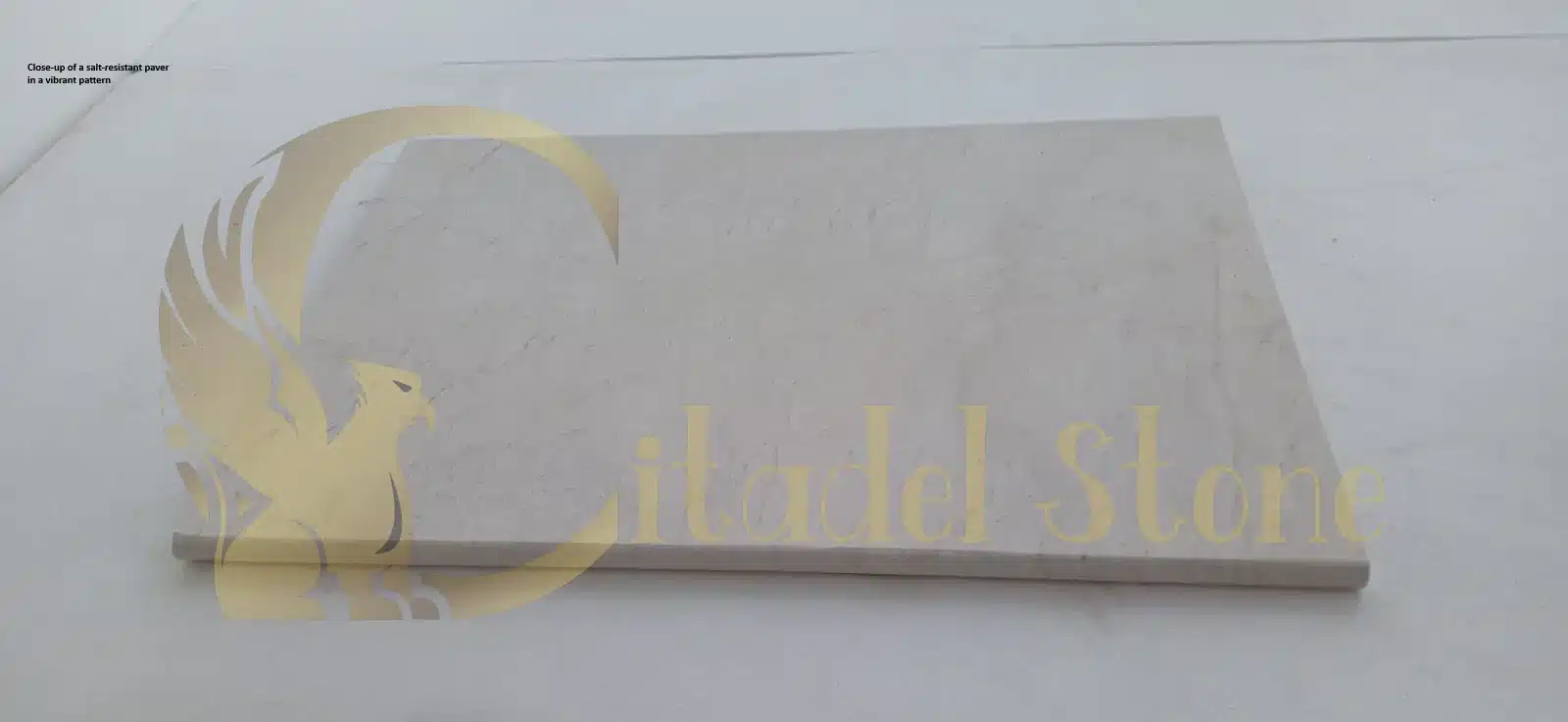
The Bahamas experiences intense rainfall during storm events, with precipitation rates that can overwhelm traditional drainage systems. Permeable paving Bahamas applications have gained popularity as both functional stormwater management and sustainable design solutions.
Perfect Paver Picks
- Permeable concrete pavers with spacer bars, 4″ thickness, in earth-tone colors
- Natural stone with wide joints (3/8″ to 1/2″) filled with permeable grout
- Porous limestone pavers in 12″x12″ format with open-graded base systems
Installation tip: Design proper base depths (6-8″) with graduated aggregate layers and underdrain systems for areas prone to standing water.
Why it works in the Bahamas
Hurricane season brings sudden, intense rainfall that traditional drainage cannot handle quickly enough. Permeable systems reduce surface runoff, prevent erosion around foundations, and minimize standing water that breeds mosquitoes. The evaporation cooling effect also reduces ambient temperatures in paved areas.
4. Natural Stone Pool Decks with High Slip Resistance
Pool safety takes priority in Bahamian outdoor design, where wet conditions occur frequently from pool splash-out, afternoon showers, and morning dew. Pool deck pavers must provide excellent traction while remaining comfortable underfoot and aesthetically appealing.
Perfect Paver Picks
- Bush-hammered granite in 16″x24″ or 12″x24″ format, 1.25″ thickness
- Flamed basalt pavers, 18″x18″ format, with rounded edges for comfort
- Textured limestone with natural cleft surface, random sizes for organic appearance
Installation tip: Ensure proper drainage slopes (1-2%) away from pool areas and confirm the wet DCOF of any sealer against ANSI A326.3.
Why it works in the Bahamas
Bush-hammered and flamed finishes create micro-texture that provides traction without being harsh on bare feet. Dense stones like granite and basalt pavers resist chlorine exposure and salt spray while maintaining their slip-resistant properties. The thermal mass helps moderate temperature swings during evening pool use.
5. Textured, Bush-Hammered & Anti-Slip Finishes
Beyond pool areas, textured surfaces have become popular throughout Bahamian outdoor spaces for both safety and aesthetic reasons. These finishes provide visual interest while addressing slip concerns in areas that experience frequent moisture from rain or sea spray.
Perfect Paver Picks
- Bush-hammered coral stone in varied sizes (12″x18″, 16″x16″, 18″x24″)
- Sandblasted granite pavers, 16″x24″ format, medium grit finish
- Naturally split limestone with riven texture, 12″x24″ rectangular format
Installation tip: Match texture depth to use intensity—lighter textures for dining areas, deeper textures for high-traffic walkways.
Why it works in the Bahamas
Textured finishes shed water quickly while providing secure footing during sudden tropical downpours. The varied surface heights create shadow lines that add visual depth and help hide minor staining from organic matter. Natural textures complement the islands’ organic landscape aesthetics.
6. Large-Format Pavers & Minimal Joints for Modern Courtyards
Contemporary Bahamian architecture increasingly features clean, minimalist outdoor spaces that emphasize expansive views and simple material palettes. Large-format pavers with minimal joints create the seamless surfaces that modern design demands.
Perfect Paver Picks
- Honed limestone slabs in 36″x24″ or 48″x24″ formats, 1.5″ thickness
- Large-format porcelain pavers, 32″x32″ or 24″x48″, 20mm thickness
- Cut granite pavers in 30″x30″ format, polished or honed finish
Installation tip: Use structural adhesive bedding for large formats to prevent differential settling and maintain joint uniformity.
Why it works in the Bahamas
Fewer joints mean less maintenance and reduced areas for salt and organic matter accumulation. Large formats create visual continuity that makes spaces appear larger while providing the substantial feel appropriate for hurricane-resistant construction. The simplified maintenance appeals to vacation property owners who need low-maintenance solutions.
7. Low-Maintenance, Resin-Bound & Composite Accents
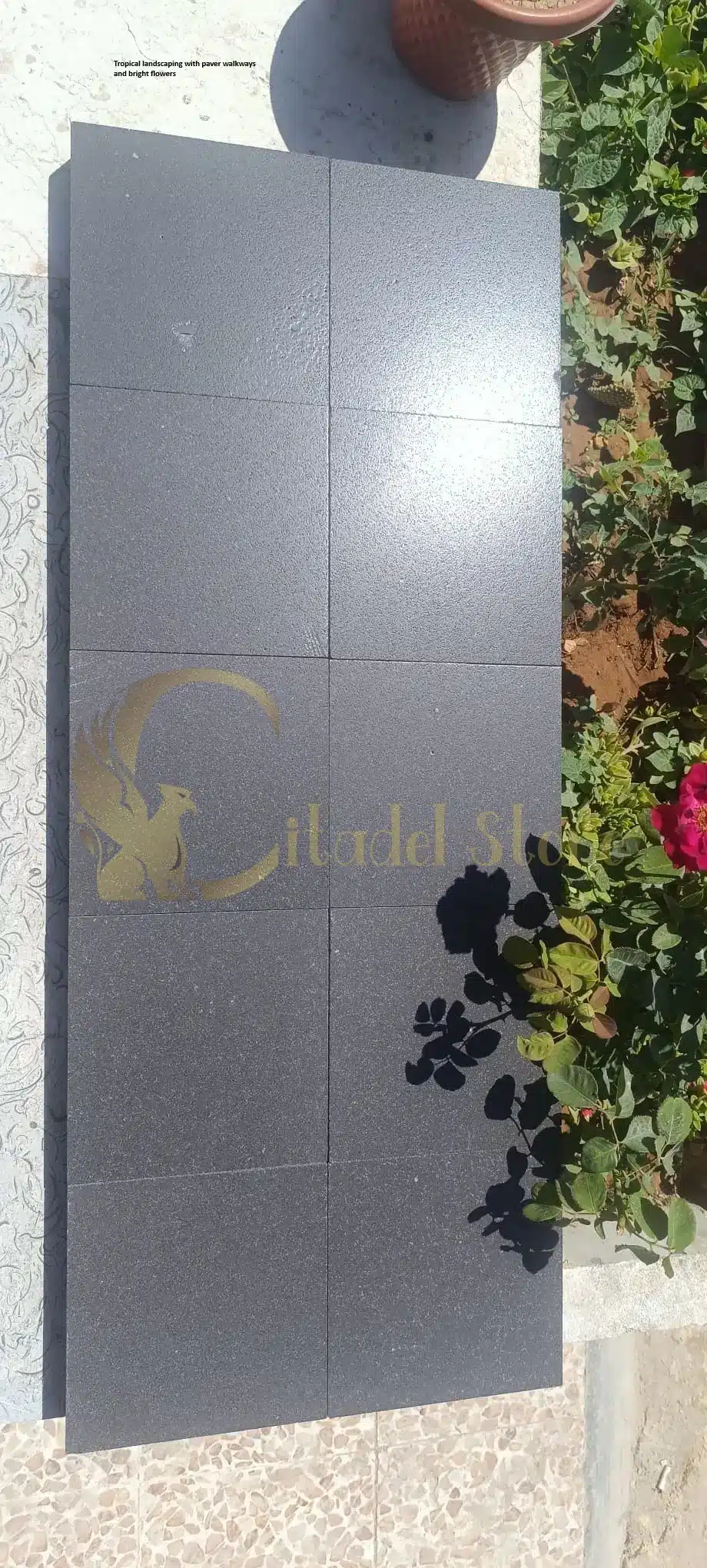
High-maintenance outdoor spaces don’t suit the Bahamian lifestyle or vacation property ownership model. Innovative materials that combine durability with minimal upkeep requirements have gained popularity, particularly for accent areas and specialty applications.
Perfect Paver Picks
- Resin-bound aggregate systems with local shell and coral aggregate
- Composite decking planks in stone colors for boardwalk-style applications
- Engineered stone pavers with integrated color and UV-resistant additives
Installation tip: Use these materials for accent borders, walkway edges, or transition zones rather than primary paving areas.
Why it works in the Bahamas
Resin-bound systems using local aggregates create authentic appearance while eliminating joint maintenance. Composite materials resist salt corrosion, UV fading, and biological growth while requiring only periodic cleaning. These solutions work well for absentee owners who need reliable performance with minimal intervention.
8. Native Shellstone & Local Materials — Authentic Tropical Character
The growing appreciation for authentic Bahamian character has renewed interest in traditional local materials. Shell stone, coral stone, and other native materials provide unique textures and colors that connect outdoor spaces to their island setting.
Perfect Paver Picks
- Bahamian shellstone in random ashlar patterns, natural thickness variations
- Local coral stone blocks in traditional Bahamian sizes (8″x16″, 12″x18″)
- Conch shell aggregate pavers with resin binding for durability
Installation tip: Source materials from established local quarries with proven reserves and consistent quality control.
Why it works in the Bahamas
Native materials eliminate freight costs while supporting local economy and reducing project carbon footprints. Shellstone’s natural porosity provides slip resistance and thermal comfort, while its light color reflects heat effectively. The authentic appearance enhances property values by emphasizing unique island character.
9. Fire & Water Features Integrated with Hardscape
Outdoor entertainment spaces increasingly incorporate fire pits, water features, and integrated seating that require specialized paving solutions. These features must withstand thermal cycling, water exposure, and structural loads while maintaining safety and aesthetics.
Perfect Paver Picks
- Refractory pavers around fire features, 2″ thickness minimum
- Dense granite or basalt for water feature surrounds, honed finish
- Heat-resistant concrete pavers with specialized aggregates for high-temperature zones
Installation tip: Create thermal expansion joints around fire features and specify heat-resistant mortars for permanent installations.
Why it works in the Bahamas
Dense natural stones handle thermal shock from fire features while resisting salt spray corrosion near water elements. The high thermal mass moderates temperature swings and creates comfortable microclimates for evening entertainment. Proper material selection prevents cracking and spalling from repeated heating and cooling cycles.
10. Sustainable Choices: Reclaimed Stone & Low-Carbon Options
Environmental consciousness influences material selection as property owners seek sustainable options that reduce environmental impact while delivering superior performance. Reclaimed materials and local sourcing strategies minimize carbon footprints.
Perfect Paver Picks
- Reclaimed coral stone from building demolitions, restored and refinished
- Locally quarried limestone to minimize transportation emissions
- Recycled concrete pavers with high recycled content and local production
Installation tip: Verify reclaimed material structural integrity and test for salt damage before installation.
Why it works in the Bahamas
Local sourcing eliminates international shipping emissions while supporting island economies. Reclaimed materials offer unique patina and character impossible to replicate with new products. The environmental story appeals to eco-conscious visitors and adds marketing value for resort and rental properties.
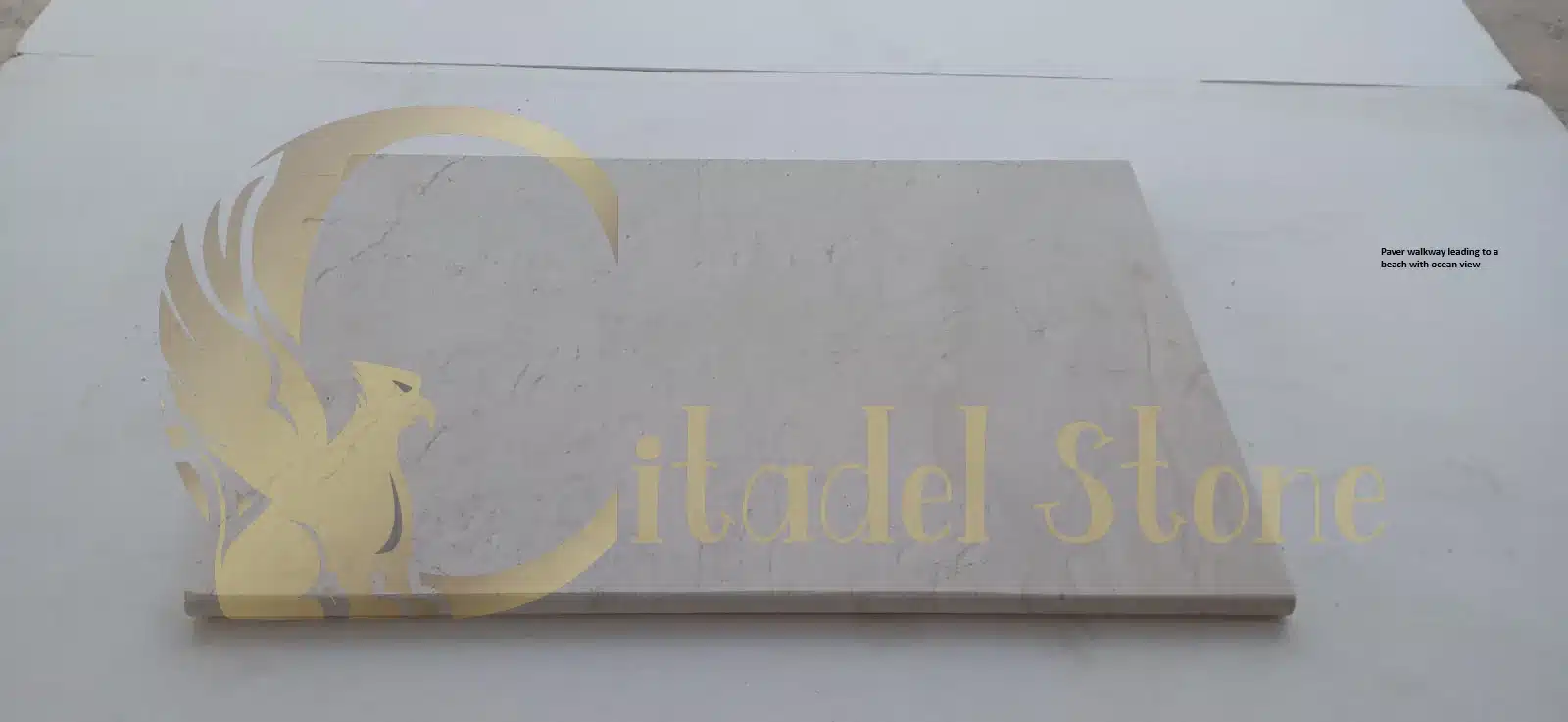
Quick Comparison Table: Top Paver Materials for Bahamian Projects
| Material | Salt Resistance | Porosity | Slip Potential | Typical Thickness | Best Uses |
|---|---|---|---|---|---|
| Limestone | Good | Medium | Low (textured) | 1.25″-2″ | Patios, courtyards |
| Granite | Excellent | Very Low | Low (bush-hammered) | 1.25″-1.5″ | Pool decks, high-traffic |
| Basalt | Excellent | Very Low | Very Low | 1.25″-2″ | Pool surrounds, steps |
| Porcelain | Excellent | None | Medium | 20mm | Indoor-outdoor transitions |
| Coral Stone | Good | High | Low | 1″-2″ | Authentic applications |
| Shellstone | Good | High | Low | 1.5″-3″ | Traditional designs |
Buying & Installation Tips for Bahamian Projects
- Order 12-15% extra material to account for transport damage and installation waste on island deliveries
- Schedule deliveries before hurricane season (typically May-November) to avoid weather delays
- Specify marine-grade sealers designed for salt-air environments with annual reapplication schedules
- Use polymeric jointing sand that resists washout during heavy tropical rainfall events
- Install aluminum or composite edge restraints that won’t corrode in coastal conditions
- Work with contractors experienced in island logistics and hurricane-resistant construction methods
- Request salt-spray test results (ASTM B117 or equivalent) for all materials in direct coastal exposure
- Build sample panels to evaluate thermal performance, slip resistance, and aesthetic compatibility
- Obtain building permits early as island authorities may have specific requirements for hardscape materials
- Plan staging areas with adequate drainage and security for material storage during installation
Explore our coastal paver collection featuring materials specifically tested for Caribbean conditions.
Conclusion & Call to Action
The outdoor living trends Bahamas homeowners are embracing reflect both the islands’ natural beauty and the practical demands of coastal tropical living. From seamless indoor-outdoor transitions to sustainable material choices, each trend offers opportunities to create stunning spaces that perform beautifully in salt air, intense sun, and seasonal storms.
Success depends on selecting appropriate materials for each application and understanding how different pavers respond to Bahamian conditions. Whether you’re designing a luxury resort pool deck, creating an intimate courtyard retreat, or building a family entertainment area, the right paver choices ensure lasting beauty and performance.
Ready to transform your outdoor space with trend-forward design and proven materials? Request a Bahamas sample kit to evaluate our recommended pavers in your specific environment, or contact our specialists for custom quotes and logistics planning tailored to your island location.
Contact Citadel Stone today for expert guidance on outdoor living trends, sample kits featuring our top Bahamian paver picks, and complete project support including logistics coordination and installation recommendations. Join our loyalty program for discounts on purchases with your stone supplier.