The quick answer — limestone’s edge in one minute
Limestone outperforms porcelain in entryways because it combines superior slip resistance, natural repairability, and timeless aesthetics with practical durability. Unlike glazed porcelain tiles that can become dangerously slippery when wet and show every scratch, limestone’s naturally textured surface provides consistent traction while developing a beautiful patina over time.
When damage occurs—and it will in high-traffic areas—limestone can be professionally restored or spot-repaired without replacing entire sections. Porcelain chips and cracks create permanent eyesores that often require complete tile replacement. Additionally, limestone’s thermal properties create a more comfortable walking surface year-round, while its natural variation ensures that everyday wear patterns blend seamlessly into the stone’s character rather than creating obvious traffic lanes.
How entryways stress flooring — what “high traffic” really means
High-traffic doesn’t just mean lots of footsteps. Entryways endure a unique combination of stresses that can rapidly deteriorate inferior flooring materials. Understanding these challenges helps explain why material choice matters so dramatically in these critical spaces.
Footfall, grit, and moisture — the three killers of entry floors
Every person entering your home brings a cocktail of destructive elements. Shoes track in sand, salt, and debris that act like sandpaper on floor surfaces. During weather transitions, this grit combines with moisture to create an abrasive paste that can quickly wear down protective finishes and expose vulnerable substrate materials.
The repetitive loading patterns in entryways also create concentrated wear zones. Unlike living room traffic that spreads across wide areas, entryway traffic follows predictable paths from door to interior spaces. This concentrated wear can cause premature failure in materials that aren’t designed to handle repeated stress in specific locations.
Performance metrics that matter (durability, slip resistance, porosity, repairability)
When evaluating entryway flooring materials, four key performance metrics determine long-term success. Durability encompasses both surface hardness and structural integrity under repeated loading. Slip resistance becomes critical when surfaces encounter moisture, requiring consistent traction regardless of conditions.
Porosity affects both maintenance requirements and freeze-thaw durability in climate-exposed entries. Materials with appropriate porosity levels resist water penetration while allowing minor moisture to evaporate naturally. Finally, repairability determines whether small damage becomes a major renovation project or a simple maintenance task.
Limestone basics every homeowner should know
Natural limestone forms over millions of years from compressed marine sediments, creating a material that combines strength with workability. This sedimentary process results in subtle variations in color, texture, and density that give each limestone installation unique character while maintaining consistent performance characteristics.
What limestone is (formation, typical finishes, common colours)
Limestone’s marine origins create a naturally textured surface texture that improves with age. Common colors range from warm beiges and creamy whites to rich grays and subtle earth tones. This natural color palette complements both traditional and contemporary design schemes without the artificial uniformity that can make porcelain installations feel sterile.
The stone’s relatively soft composition allows for easy cutting, shaping, and repair—advantages that become crucial during installation and long-term maintenance. Unlike manufactured materials, limestone’s natural formation ensures that replacement pieces will blend seamlessly with existing installations.
Typical finishes and how they affect performance (honed, tumbled, sawn, filled)
Honed finishes provide the ideal balance for entryway applications, offering slip resistance without excessive texture that traps dirt. The smooth, matte surface cleans easily while maintaining excellent traction even when damp. Tumbled finishes increase slip resistance further but require more intensive cleaning protocols.
Sawn finishes create a more rustic appearance with enhanced texture, perfect for outdoor-indoor transition areas. Filled finishes use matching compounds to create smoother surfaces in naturally porous stone varieties, though unfilled options often perform better in freeze-thaw environments where thermal expansion might compromise fill materials.
Side-by-side comparison: Limestone vs Porcelain for entryways
| Performance Factor | Limestone | Porcelain |
|---|---|---|
| Durability | Excellent – improves with age | Good – surface dependent |
| Scratch Resistance | Moderate – hides scratches naturally | High – but shows all damage |
| Slip Resistance | Excellent – naturally textured | Variable – depends on surface treatment |
| Water Absorption | Moderate – manageable with sealing | Very low – can create slip hazards |
| Ease of Repair | Excellent – spot repairs possible | Poor – requires tile replacement |
| Aesthetics/Variety | High – unique natural variations | Moderate – manufactured patterns |
| Installation Complexity | Moderate – requires stone expertise | Low – standardized process |
| Environmental Impact | Low – natural, biodegradable | Moderate – energy-intensive production |
| Cost (Installed) | Moderate to high – varies by grade | Low to moderate – consistent pricing |
The comparison reveals limestone’s advantages in critical entryway performance areas. While porcelain offers predictable installation and lower upfront costs, limestone excels in the factors that determine long-term satisfaction and functionality.
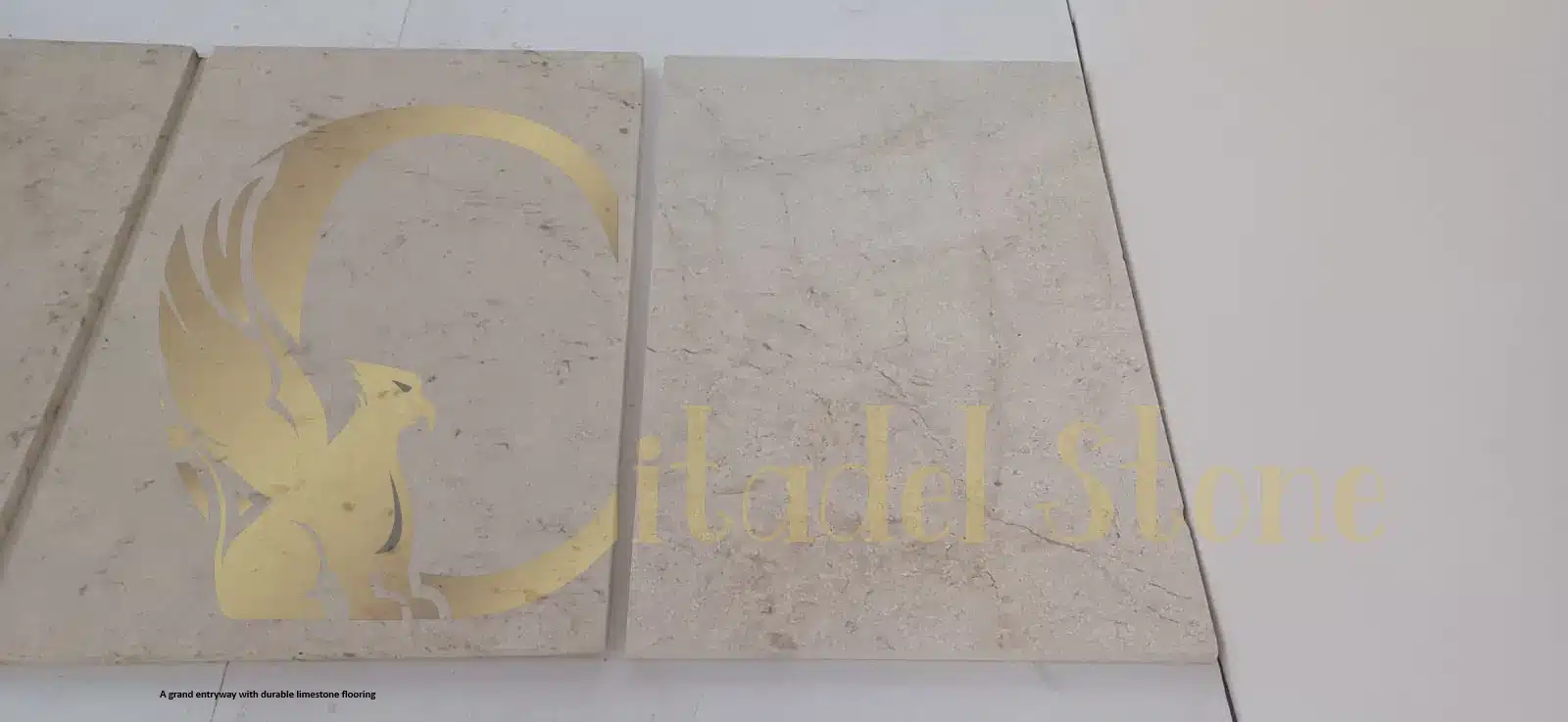
Limestone’s surface finish becomes particularly important in transitional spaces where moisture is inevitable. Unlike glazed porcelain surfaces that can become treacherous when wet, limestone maintains consistent traction regardless of conditions.
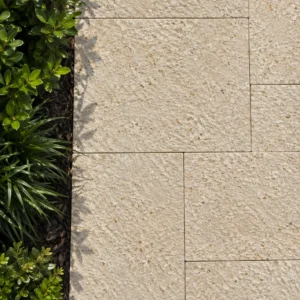
Invest in limestone tiles today for a premium driveway or patio that resists oil and tire marks.
Why limestone outperforms porcelain in real entryway conditions
Laboratory testing tells only part of the performance story. Real-world entryway conditions reveal limestone’s practical advantages over porcelain in ways that dramatically affect daily living and long-term satisfaction.
Wear patterns and repairability — why small damage matters less
In actual use, entryways develop predictable wear patterns that create visual “paths” in uniform materials. Porcelain’s manufactured consistency makes these wear patterns obvious and unsightly. Limestone’s natural variation helps camouflage normal wear, allowing the stone to develop character rather than showing deterioration.
When damage does occur, limestone’s repairability becomes invaluable. Professional stone restoration can remove scratches, chips, and stains without replacing entire sections. Porcelain damage typically requires complete tile removal and replacement, often resulting in color mismatches and obvious repairs.
The limestone’s softer composition also means that impacts which would shatter porcelain tiles often result in minor surface damage that can be polished out during routine maintenance.
Traction and safety — naturally textured surfaces vs glazed tiles
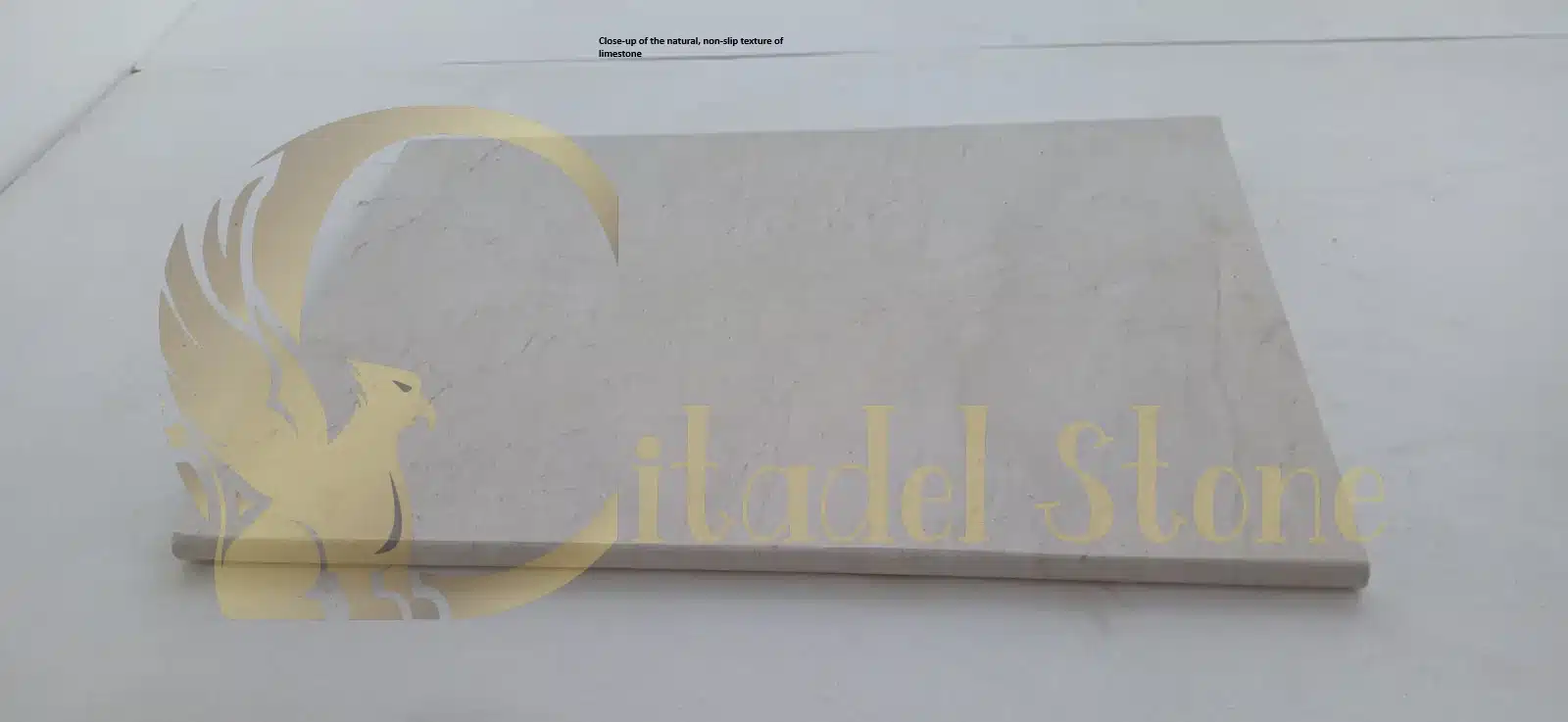
Slip resistance in wet conditions separates limestone from porcelain dramatically. Limestone’s sedimentary formation creates microscopic surface variations that maintain grip even when covered with water. This natural texture actually improves with use as foot traffic removes loose particles and creates a burnished surface.
Glazed porcelain surfaces, while initially attractive, can become dangerously slippery when wet. Anti-slip treatments often compromise the tile’s appearance and require regular reapplication. Textured porcelain options typically trap dirt and require aggressive cleaning methods that can damage the surface over time.
Temperature and comfort (stone thermal properties)
Natural stone’s thermal mass creates more comfortable walking surfaces than ceramic materials. Limestone absorbs and releases heat gradually, maintaining moderate surface temperatures that feel comfortable underfoot year-round. This thermal stability also reduces expansion and contraction stress that can cause grout failure in tile installations.
Porcelain’s rapid temperature changes can create uncomfortable hot or cold surfaces depending on ambient conditions. The material’s thermal properties also contribute to condensation problems in humid climates, potentially creating slip hazards and moisture damage.
Practical maintenance & longevity: keeping limestone looking great
Proper maintenance transforms limestone from a beautiful flooring choice into a lifetime investment that improves with age. Understanding the stone’s requirements helps homeowners maintain both appearance and performance without expensive professional interventions.
Daily cleaning routine (what products and why)
Daily limestone maintenance requires only pH-neutral cleaners and soft cleaning tools. Acidic cleaners damage limestone’s calcium carbonate composition, while alkaline cleaners can leave residue that attracts dirt. A simple solution of warm water and stone-specific cleaner handles everyday soil without compromising the stone’s integrity.
Microfiber mops work excellently for routine cleaning, removing surface debris without scratching. For textured finishes, soft-bristled brushes help remove embedded soil from surface irregularities. The key is consistency—daily maintenance prevents soil buildup that requires aggressive cleaning methods.
Sealing: frequency, product types, and realistic expectations
Modern limestone sealers provide excellent protection without altering the stone’s appearance or feel. Penetrating sealers work best for entryway applications, creating invisible barriers that repel liquids while allowing the stone to breathe naturally. Topical sealers can create slip hazards and typically require more frequent reapplication.
Most limestone installations require sealer reapplication every 2-3 years in high-traffic areas. However, proper sealer selection and application can extend this interval significantly. Quality penetrating sealers maintain protection for 5-7 years when applied correctly to properly prepared surfaces.
Handling stains, chips and cracks: DIY fixes vs when to call a pro
Minor limestone stains often respond to simple poultice treatments using household materials. Oil-based stains typically require absorbent clay mixed with appropriate solvents, while organic stains respond to hydrogen peroxide applications. The stone’s porosity actually helps with stain removal, allowing cleaning solutions to penetrate and lift contaminants.
Professional restoration becomes necessary for deep stains, significant chips, or structural cracks. However, the limestone’s repairability means that even major damage can often be addressed without replacement. Stone professionals can re-hone surfaces, fill minor chips, and address structural issues while maintaining the installation’s overall integrity.
Design and aesthetics: why limestone wins for timeless entryways
Limestone’s natural beauty creates entryways that improve with age rather than showing wear. The stone’s organic variations ensure that each installation develops unique character while maintaining sophisticated appeal that complements both traditional and contemporary design schemes.
Color selection should consider the home’s overall palette and the entryway’s relationship to adjacent spaces. Lighter limestone varieties create open, welcoming feelings while darker stones provide dramatic contrast and hide surface soiling more effectively. The stone’s natural variation means that even neutral colors provide visual interest without overwhelming smaller spaces.
Finish selection dramatically affects both appearance and performance in entryway applications. Honed finishes offer the best balance of slip resistance and cleanability for most applications. Grout selection should complement the stone’s natural tones while providing adequate contrast for safety and visual definition.
At Citadel Stone, our extensive sample library allows you to see how different limestone varieties and finishes perform in various lighting conditions. Our design team can help coordinate limestone selections with trim materials, ensuring cohesive designs that enhance your home’s architectural character.
Cost vs value: making the best flooring investment for an entryway
While limestone’s upfront costs typically exceed porcelain, the stone’s lifecycle value proposition becomes compelling when considering durability, repairability, and aesthetic longevity. Quality limestone installations can provide decades of service with minimal maintenance, while porcelain installations may require partial or complete replacement within 15-20 years.
Resale value considerations also favor limestone significantly. Natural stone flooring consistently adds more perceived value than ceramic alternatives, often recouping installation costs in increased home valuations. Buyers recognize limestone’s premium positioning and associate it with quality construction and thoughtful material selection.
The stone’s repairability extends its economic advantages throughout its service life. Minor damage that would necessitate tile replacement becomes simple maintenance with limestone, avoiding both material costs and installation disruption. This repairability also means that limestone installations can adapt to changing design preferences through refinishing rather than replacement.
Installation considerations & best practices for long-lasting results
Successful limestone entryway installations require attention to substrate preparation, adhesive selection, and environmental factors that don’t affect ceramic tile installations. Subfloor preparation becomes critical, as limestone’s natural weight requires adequate structural support and perfectly level surfaces.
Movement joints must accommodate both seasonal expansion and structural settling without compromising the installation’s integrity. Limestone’s natural characteristics require specific adhesive formulations that provide strong bonds while allowing minor movement. Edge details around doors and transitions require careful planning to prevent moisture infiltration and thermal movement problems.
Professional installation ensures proper sealer application and curing before the floor enters service. Rushing limestone installations often results in premature failure and costly remediation, making experienced installation teams essential for long-term success.
Quick buyer’s checklist — choosing limestone for your entryway
- Verify structural capacity for limestone’s weight requirements
- Select appropriate finish for your specific traffic and moisture conditions
- Choose colors that complement your home’s existing palette
- Plan for proper drainage and moisture management systems
- Budget for professional installation with stone-experienced contractors
- Research local stone suppliers with extensive limestone inventory
- Consider maintenance requirements and sealing schedules in your decision
- Evaluate subfloor conditions and preparation requirements
- Plan movement joints and expansion considerations
- Select compatible grout and trim materials
- Understand warranty terms and professional support availability
- Schedule installation during appropriate weather conditions for curing.
Limestone Pavers for Landscaping Excellence
Conclusion & clear call to action
Limestone entryways represent the perfect intersection of natural beauty, practical performance, and long-term value. While porcelain offers predictable uniformity, limestone provides the character, durability, and repairability that transform ordinary entrances into extraordinary first impressions that improve with age.
The stone’s thermal comfort and aesthetic flexibility make it ideally suited for the demanding conditions that entryways face daily. When properly selected, installed, and maintained, limestone creates flooring that welcomes guests while standing up to whatever life brings through your front door.
Ready to transform your entryway with premium limestone flooring? Visit Citadel Stone’s showroom to explore our extensive limestone collection, see samples in person, and consult with our experienced design team about creating the perfect entrance for your home. Contact Citadel Stone today for personalized guidance and professional installation support that ensures your limestone entryway delivers beauty and performance for decades to come.