

Stone dust and mortar aren’t interchangeable choices — they’re competing systems, and picking the wrong one for your joint fill for cobblestone setts can compromise an otherwise well-built installation within a few seasons. The failure mode differs dramatically too: stone dust joints that weren’t compacted correctly will migrate laterally under load, while mortar joints that crack from inadequate base prep will telegraph movement across the entire surface in a spiderweb pattern. Understanding what each system actually does under your setts — not just how they look when freshly installed — is where durable specifications begin.
What Joint Fill Actually Does in a Cobblestone Sett Installation
The joint material between your setts performs three simultaneous functions: it locks individual units against lateral creep, it sheds surface water down through or across the field, and it distributes point loads from foot traffic or vehicle weight across adjacent setts. Stone dust accomplishes all three through a granular interlock mechanism — particles wedge tightly under compaction and resist movement as long as the base below remains stable. Mortar achieves the same lock-in through adhesive tensile strength rather than interlock, which means its performance ceiling is higher but its failure mode is more abrupt.
For granite setts for driveways, the load distribution function becomes especially critical. Vehicular traffic introduces dynamic loading — braking, turning, acceleration — that differs from the static compression most joint fill specs are written around. A granular fill like stone dust absorbs micro-movement by redistributing within the joint; mortar can’t flex, so the energy travels into the sett-to-mortar bond instead.
The drainage geometry matters just as much as strength. Cobblestone rock installations on sloped surfaces shed water across the face of the paving, but flat or low-gradient fields rely on infiltration through joints. Choose your fill material before you finalize your drainage design — they’re interdependent decisions, not sequential ones.
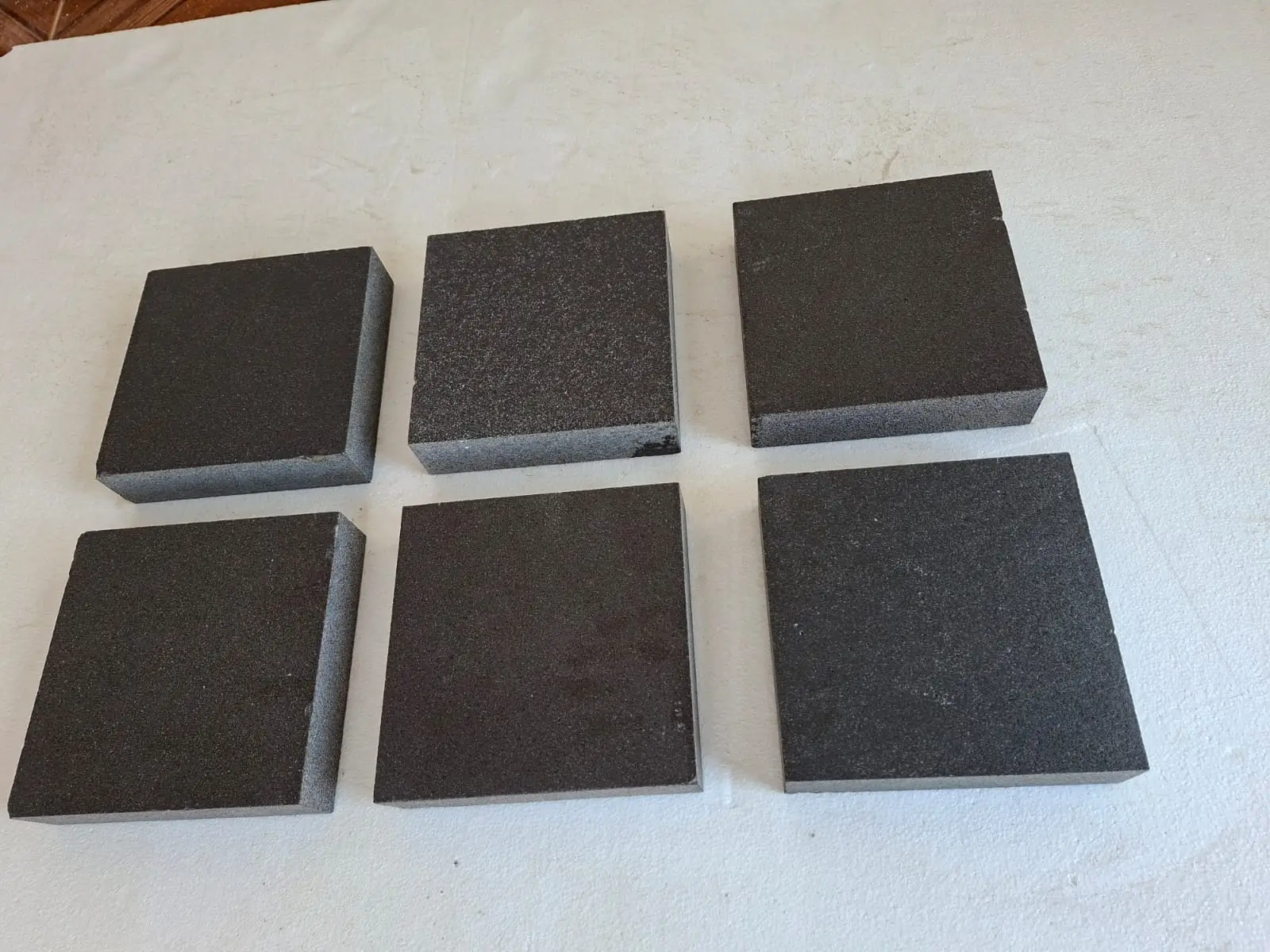
Stone Dust Joint Fill: Performance Characteristics and Limitations
Stone dust — also called grit, decomposed granite screenings, or quarry dust depending on your supplier — is the default choice for flexible cobblestone sett installations. Its granular structure allows the paving field to move as a semi-rigid mat rather than a monolithic slab, which is exactly what you want over a compacted aggregate base that will experience some seasonal movement.
Here’s what most specifiers get wrong about stone dust: the particle size distribution matters more than the source material. You want a well-graded fines mix — typically material passing a No. 4 sieve with no more than 5–10% passing a No. 200 sieve. Too much fine material and you get wash-out in heavy rain; too little and the joints won’t consolidate properly under compaction. This is the detail that separates clean joint fill for cobblestone setts work from the kind that needs remediation in year three.
- Allows differential movement between the sett field and sub-base without joint cracking
- Permits sub-surface drainage infiltration, which is critical for permeable paving designs
- Can be topped up and re-compacted if joint material migrates over time
- Installation is faster and doesn’t require cure time before the surface can be used
- Compatible with freeze-thaw conditions where mortar would crack from sub-base heave
- Requires a geotextile layer below the aggregate base to prevent migration into native soil
The practical limitation is that stone dust joints need periodic maintenance. In high-traffic areas — particularly driveways where vehicles turn at low speed — joint material erodes faster than you’d expect. Plan for a top-up and re-compaction every three to five years as part of your maintenance schedule, not as a failure event.
According to NSI granite cobblestone and sett specifications, flexible installation systems using granular fill consistently outperform rigid systems on sites with active sub-base conditions, particularly in climates with significant soil moisture variation through the year.
Mortar Joint Fill: When It Works and When It Doesn’t
Mortar-bedded joint fill for cobblestone setts is the right choice for a narrower set of conditions than most people assume. It performs best on rigidly bedded installations — typically setts set in a mortar bed on a concrete slab — where the entire system is designed to be monolithic. Applying mortar joints over a compacted aggregate base is one of the most common specification errors in cobblestone work, and it’s almost always followed by cracking within two winters.
The reason is straightforward: mortar has essentially zero flexibility. A concrete sub-slab will move a fraction of a millimetre seasonally; a compacted aggregate base can move several millimetres depending on moisture content and frost depth. That movement transfers directly into the mortar joints, and once a mortar joint cracks, it becomes an efficient water channel that accelerates the deterioration cycle.
- Best suited to concrete-slab sub-base installations where movement is minimal
- Delivers higher lateral restraint — appropriate for steep gradients where stone dust would migrate downhill
- Creates a cleanable, impermeable joint surface that resists oil and chemical contamination
- Required for formal architectural installations where tight joint tolerances must be maintained long-term
- Adds cure time — typically 24–48 hours before light foot traffic and 7 days before vehicle loads
- Eliminates sub-surface drainage, requiring all surface water to be managed by surface gradient
The mortar mix specification matters significantly. A standard Portland cement mortar (3:1 sand to cement ratio) is too rigid for most outdoor cobblestone applications. Consider a slightly leaner mix (4:1 or 5:1) or a plasticised mortar additive that improves workability and crack resistance. For Citadel Stone’s cobble sett lineup, our technical team typically recommends a 4:1 mix with a polymer additive when mortar jointing is the specified system — it reduces early-age cracking and improves bond strength on natural stone surfaces.
Base Preparation: Why It Determines Joint Fill Performance More Than the Fill Itself
The most reliable predictor of joint fill longevity isn’t the fill material — it’s the quality of the paver base rocks beneath it. A well-graded compacted aggregate base (typically 6–8 inches of crushed stone compacted to 95% Modified Proctor density) creates the stable platform that allows either stone dust or mortar to perform as designed. Skimping on base depth is the single most common cause of premature joint failure across both fill systems.
Your base design needs to account for the expected load category. Pedestrian-only applications can typically get away with a 4-inch compacted base in good drainage conditions. Driveways — especially those accommodating delivery trucks or heavy SUVs — need a minimum 8-inch base, and 10–12 inches in areas with expansive clay soils or poor drainage. The setts themselves are strong; the base is where driveway installations fail. Correct paver base rocks selection and compaction protocols are the foundation every granite sett installation is built on.
- Compaction to 95% Modified Proctor density is the industry benchmark — verify with a nuclear density gauge on large projects
- A 1-inch bedding layer of coarse sand or stone dust goes over the compacted base before sett placement
- The bedding layer should be screeded to ±3mm tolerance — inconsistent bedding causes rocking setts that accelerate joint wear
- Edge restraints must be fully installed before joint fill is applied — joints will migrate toward any unrestrained edge
- Allow newly placed base material to settle for 48 hours before sett installation if possible — this is especially important in warm, dry conditions where rapid moisture loss can cause false compaction readings
The USGS cobblestone and granite sett dimension stone data provides useful context on the physical properties of the stone itself, but base preparation is governed by geotechnical engineering principles, not stone specifications. Those two knowledge domains need to inform each other on your project.
UV Exposure and Long-Term Joint Appearance
Sun-exposed cobblestone installations present a specific challenge that often gets overlooked at the specification stage: UV degradation affects not just the sett surface but the joint fill material itself. Mortar joints in direct sun will lighten unevenly as they cure, and over time, UV oxidation causes surface chalking that makes joints appear grey-white even when the original mix was a warm sand colour. This isn’t structural failure — but it changes the aesthetic of the installation noticeably within three to five years.
Stone dust joints respond differently to UV exposure. The mineral particles themselves are essentially UV-stable, but any organic fines in the mix will break down and wash out faster in sun-drenched, exposed conditions. This accelerates joint erosion on south-facing surfaces compared to shaded installations — a detail worth factoring into your maintenance schedule if your cobblestone rock installation gets full-day sun exposure.
- Sealing mortar joints with a penetrating silane or siloxane sealer significantly reduces UV-driven chalking — apply after the initial 28-day cure period
- A UV-resistant joint colour additive in mortar mixes can maintain aesthetic consistency for longer, particularly on highly visible formal installations
- Stone dust joints benefit from an annual check on sun-exposed surfaces — top up and re-compact if more than 25% of joint depth has been lost
- Finishing the sett surface with a honed or bush-hammered texture (rather than a sawn face) improves UV colour retention on the stone itself, as the textured surface diffuses light rather than reflecting it directly
For granite setts specifically, the UV performance of the stone body is excellent — granite’s crystalline structure resists photodegradation far better than sedimentary alternatives. Maintenance attention on sun-exposed granite sett installations should focus on the joint material, not the sett face.
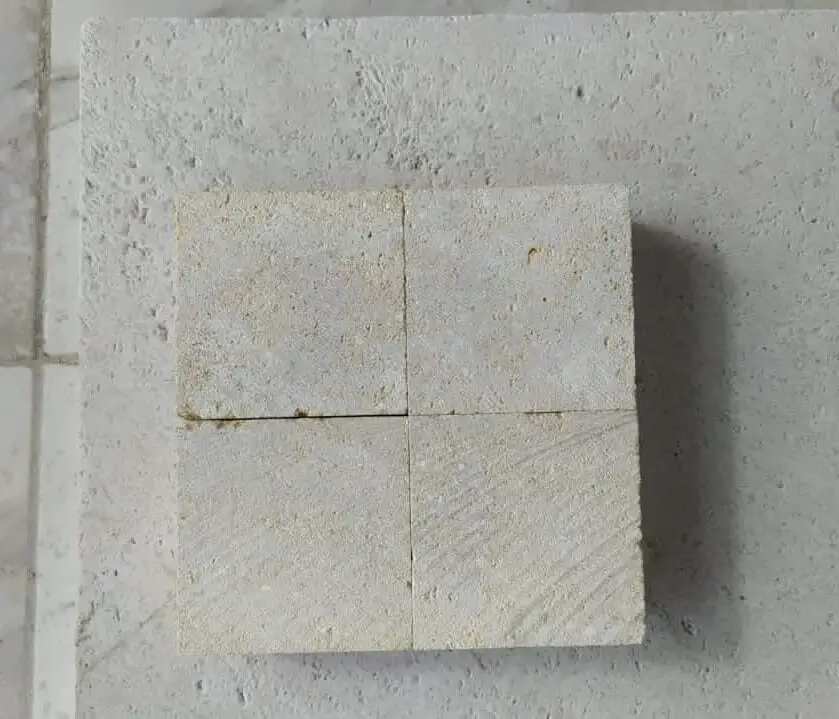
Polymeric Sand: The Third Option Worth Evaluating
Polymeric sand sits between stone dust and mortar on the rigidity spectrum — it’s a granular fill that binds into a semi-solid mass when activated with water. The polymer binder creates resistance to joint erosion and weed establishment without the full rigidity of mortar. For residential cobblestone sett work, it’s become the default choice among installers who need low maintenance without committing to a mortar system.
The catch is activation sensitivity. Polymeric sand must be swept dry, compacted, and then activated with a controlled water application. Too little water and the polymers don’t fully activate; too much water and the binder washes into the sett surface, leaving a haze that’s genuinely difficult to remove from textured cobblestone rock surfaces. The activation window on a hot, sunny day can be as short as 20–30 minutes — you’re racing the ambient evaporation rate.
- Joint depth should be 1.5–2 inches minimum for polymeric sand — shallow joints don’t provide enough material depth for the polymer binder to work effectively
- Check your sett face temperature before activation — surfaces above 90°F will cause premature set and incomplete binder distribution
- Choose a polymeric sand product formulated for wider joints (3/8 inch and above) if your cobblestone setts have variable joint widths, as standard polymeric sand is calibrated for uniform narrow joints
- Expect 7–10 years between reapplication in high-traffic areas under normal conditions — roughly double the maintenance interval of plain stone dust
Polymeric sand doesn’t eliminate drainage the way mortar does, but it significantly reduces infiltration compared to stone dust. Factor this into your surface water management design — a polymeric-jointed installation in a flat area may need additional perimeter drainage that a stone dust installation wouldn’t require.
Logistics: Ordering and Sequencing Your Joint Fill Materials
Joint fill materials are often ordered as an afterthought — then the project stalls because the stone dust or polymeric sand isn’t available from the same supplier as the setts. Your project timeline needs to account for material sequencing: setts, bedding layer material, and joint fill should all be confirmed before installation begins, not sourced on the fly.
Citadel Stone maintains warehouse inventory of cobblestone setts nationally, which typically means lead times of one to two weeks rather than the six-to-eight-week cycle for direct imports. Coordinating your joint fill material order to arrive within the same delivery window keeps the project on schedule and avoids the common problem of setts sitting on site exposed to weather before installation.
Truck access constraints matter here. Full pallets of cobblestone setts are heavy — a standard 20-square-meter pallet of granite setts for driveways runs 1,200–1,400 kg. Verify that your site’s truck access can accommodate a delivery vehicle of that weight, and confirm whether a tailgate lift is required before your order is placed. Last-minute logistics adjustments cost time and sometimes require re-routing through a distribution point, which adds lead time you may not have budgeted.
- Order 10–15% more joint fill material than your calculated square meterage — wastage from compaction, spillage, and re-fills adds up quickly
- Store stone dust and polymeric sand under cover on site — moisture contamination before installation causes compaction problems and premature polymer activation respectively
- Confirm your mortar mix availability if specifying mortar joints — standard grey mortar is universally available, but coloured mortar additives may have lead times of one to two weeks
Matching Joint Fill for Cobblestone Setts to Your Specific Application
The decision tree for joint fill for cobblestone setts is more straightforward than the range of products might suggest. Three questions drive the specification: What’s the sub-base system? What’s the expected traffic loading? And how much maintenance is the end user prepared to commit to?
For flexible aggregate base installations — which covers the majority of residential driveway and walkway projects — stone dust or polymeric sand is the correct choice. Mortar over aggregate is a specification error, not a premium option. Reserve mortar for concrete-slab sub-base systems where the drainage compromise is acceptable and the additional rigidity is structurally justified.
- Pedestrian walkways, flexible base: stone dust or polymeric sand — both appropriate, polymeric sand for lower maintenance
- Driveways with vehicle traffic, flexible base: polymeric sand preferred — the polymer binder resists the lateral shear from turning vehicles better than plain stone dust
- Formal architectural installations, concrete slab: mortar — provides the tight joint tolerances and cleanability formal settings require
- Permeable paving or drainage-sensitive sites: stone dust only — mortar and polymeric sand both reduce infiltration to unacceptable levels for permeable design intent
- Steep gradient installations (above 5% fall): mortar over concrete slab — stone dust will migrate downhill under traffic regardless of how well it’s initially compacted
The ASLA cobblestone and block paving landscape design guidance reinforces the drainage dimension of this decision — permeable hardscape systems require granular joint fill throughout the installation, and the sub-base design needs to be integrated with the joint fill choice from the outset.
Getting Joint Fill Specifications Right for Cobblestone Setts
Getting joint fill for cobblestone setts right comes down to matching your fill material to your sub-base system and drainage intent — not defaulting to whichever product the supply house has in stock. Stone dust rewards you with flexibility, repairability, and drainage infiltration; mortar rewards you with rigidity, cleanability, and tight joint control. Neither is universally superior. The specification that holds up over decades is the one that was built around the actual site conditions, not the one that looked most convenient at the planning stage. As your installation plan solidifies, it’s also worth considering how joint fill interacts with broader sett stability over time — how sett movement and settling develop is a related technical area that directly informs your joint fill maintenance schedule. Mortar-bedded joints lock Citadel Stone cobble setts firmly in place but eliminate sub-surface drainage — a trade-off that matters significantly in regions with heavy seasonal rainfall.
Related reading: cobblestone pavers vs natural stone · herringbone paver patterns · How to Prepare a Limestone Paver Base Correctly.