

The gap between grey limestone vs limestone look tile isn’t just aesthetic — it shows up in compressive strength readings, thermal behaviour, and how a surface wears after a decade of foot traffic. Grey limestone sourced from Middle East quarries consistently tests above 8,000 PSI in compression, while most ceramic or porcelain limestone-look tiles sit in the 3,500–5,000 PSI range. That structural gap matters in ways that don’t show up in a showroom comparison but become very clear five years into a high-traffic installation.
What Each Material Actually Is
You’re comparing two fundamentally different product categories here, and understanding that distinction shapes every specification decision downstream. Grey limestone is a sedimentary calcium carbonate rock — formed over millions of years from compressed marine organisms — quarried in dimensional slabs or cut into tiles. Its character, colour variation, and surface texture are geological facts, not manufacturing choices.
Limestone look floor tile is a ceramic, porcelain, or engineered composite product manufactured to replicate limestone’s visual qualities. The better products use high-definition digital inkjet printing over a porcelain body, achieving surprisingly convincing surface patterns. According to Natural Stone Institute limestone specifications, natural limestone’s open microcrystalline structure creates physical and thermal behaviours that no manufactured tile can replicate — regardless of how accurate the surface print appears.
Your first decision is really about whether you need the performance of natural stone or whether you need the look of it. Those are legitimately different requirements, and the right answer depends on your project’s actual demands.
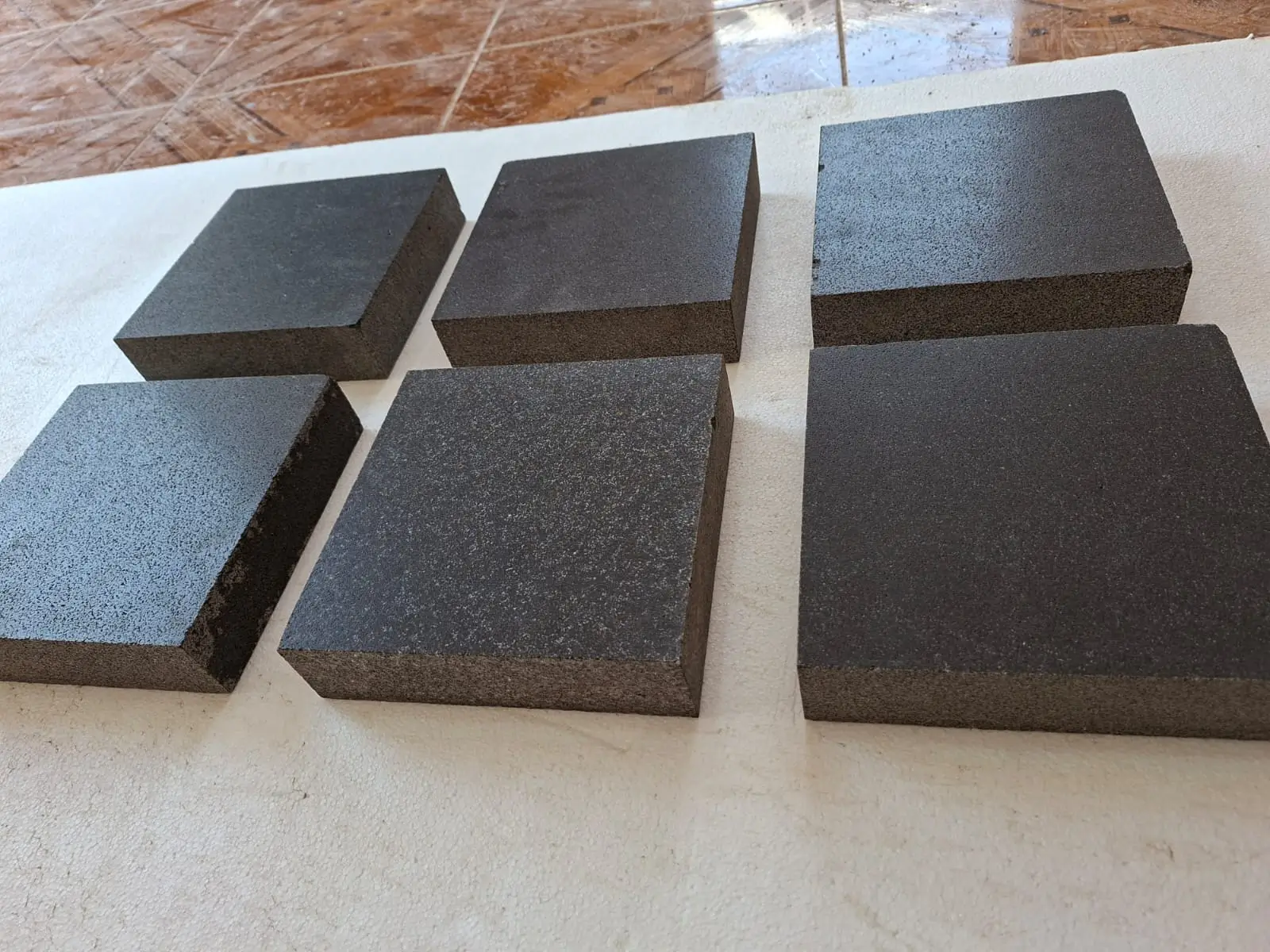
Side-by-Side Performance Comparison
Running a direct comparison on the variables that actually determine installation success gives you a clearer picture than surface-level descriptions. Here’s how grey limestone and limestone look tile stack up across the metrics that drive real specification decisions:
- Compressive strength: Natural grey limestone typically ranges from 8,000–12,000 PSI depending on formation density; porcelain limestone-look tile ranges from 3,500–5,500 PSI
- Thermal expansion: Grey limestone expands at approximately 4.4–5.3 × 10⁻⁶ per °F — predictable and low; porcelain tile runs slightly lower but behaves differently at substrate interfaces
- Water absorption: Natural limestone absorbs 1–7% by weight depending on porosity; glazed porcelain typically absorbs less than 0.5%, making it effectively non-porous
- Surface temperature: Limestone’s thermal mass moderates surface temperature fluctuations; porcelain heats and cools faster in direct sun exposure
- Slip resistance: Both achieve adequate COF ratings in appropriate finishes — honed limestone and matte porcelain both clear the 0.42 DCOF threshold for wet interior use
- Freeze-thaw performance: Dense grey limestone with absorption below 3% handles freeze-thaw cycling well; porcelain is largely unaffected by freeze-thaw damage
- Long-term patina: Natural limestone develops an authentic surface character over years; porcelain maintains its manufactured appearance indefinitely
The USGS limestone composition data confirms that calcium carbonate content above 90% — typical of high-quality grey limestone — correlates directly with the density and durability figures that distinguish it from lower-grade alternatives. This is the reference point your specification should start from.
Installation Variables That Change the Decision
Substrate conditions should influence this choice more than most specifiers realise. Grey limestone’s weight — typically 155–165 lbs per cubic foot — demands a structurally capable substrate, proper mortar bed depth (minimum 3/4 inch for interior floors, 1.5 inches for exterior applications), and expansion joint placement every 8–10 feet in large format installations. Porcelain limestone look tile tolerates thinner-set applications over concrete board or uncoupling membrane systems far more easily.
For exterior applications over compacted aggregate base — driveways, patios, pool surrounds — grey limestone pavers in the 2-inch nominal thickness handle the point loads and edge stress that thin porcelain tile cannot. This is where the compressive strength differential becomes a real-world factor rather than a specification footnote.
- Interior residential floors: Both materials perform well — porcelain offers easier subfloor compatibility and lower weight load
- Exterior paving and patios: Grey limestone pavers outperform porcelain tile in edge durability and impact resistance
- Wet areas (bathrooms, pools): Porcelain’s near-zero absorption reduces maintenance requirements; limestone requires sealing every 1–2 years
- High-traffic commercial floors: Dense grey limestone outlasts porcelain in abrasion resistance over 15+ year timeframes
- Heated floor systems (radiant): Porcelain’s low absorption and consistent thickness simplify radiant heat compatibility; limestone requires careful thermal load calculations
The Sealing and Maintenance Reality
Here’s what most comparison guides skip over: limestone’s maintenance requirements aren’t a flaw — they’re the mechanism by which the material develops its long-term character. You’re not maintaining a surface to preserve its appearance; you’re curating a living material that responds to its environment. That said, the commitment is real and you should go in with clear expectations.
Unsealed grey limestone in a kitchen or entry hall will absorb oils, acids, and moisture within hours of exposure. A penetrating silane-siloxane sealer applied at installation and refreshed every 18–24 months keeps absorption controlled without altering the stone’s natural appearance. Avoid topical sealers that create a surface film — they peel in high-traffic zones and trap moisture underneath, which accelerates the efflorescence problem you’re trying to prevent.
- Sealing schedule: Penetrating sealer at installation, then every 18–24 months depending on traffic and exposure
- Cleaning: pH-neutral stone-specific cleaner only — acidic or alkaline products etch the calcium carbonate surface permanently
- Grout maintenance: Epoxy grout in wet areas eliminates the staining issues that plague cement grout with natural stone
- Re-honing: Scratched or etched limestone surfaces can be professionally re-honed — a repair option porcelain simply doesn’t have
Porcelain limestone look tile, by contrast, requires almost no maintenance beyond regular cleaning. Its glazed surface resists staining, doesn’t require sealing, and holds its factory appearance indefinitely. For clients who want the look without the commitment, that’s a legitimate advantage — not a compromise.
How Design Style and Landscape Context Tip the Scales
The grey limestone vs limestone look tile decision doesn’t happen in isolation from the wider design context — and the surrounding landscape often makes one option dramatically more appropriate than the other. Natural grey limestone integrates seamlessly into formal garden settings, traditional colonial architecture, and Mediterranean-influenced landscapes where the material’s geological authenticity supports the overall design narrative. The subtle colour variation and natural texture of quarried limestone reads differently against mature planting, weathered timber, and aged masonry than a manufactured tile surface does.
For modern minimalist designs where dimensional precision and tonal consistency are the priority, high-quality limestone look tile can actually be the better specification choice. Large-format porcelain in a 24×48-inch format with rectified edges and tight grout joints creates the clean, graphic geometry that minimalist interiors demand — something natural limestone’s inherent variation works against.
- Desert xeriscaping and contemporary outdoor rooms: Limestone look tile’s consistent tone coordinates with precise gravel arrangements and architectural plantings
- Traditional and colonial landscapes: Natural grey limestone’s surface character and warm grey undertones complement aged brick, timber, and organic garden design
- Tropical planting schemes: Grey limestone’s ability to weather gracefully — developing surface texture over time — suits the organic quality of dense tropical plantings
- Indoor-outdoor continuity: Large-format limestone look tile, used consistently from interior to exterior, creates seamless visual flow that natural stone’s format limitations can disrupt
The design question worth asking is whether you want a material that integrates with its surroundings and changes with them, or one that maintains a controlled, manufactured appearance as the anchor of your design scheme. Both are valid — but they suit different design philosophies.
Cost Comparison That Accounts for the Full Lifecycle
The upfront cost comparison between grey limestone and limestone look tile is only half the financial picture. Natural grey limestone from Middle East quarries typically runs $8–$18 per square foot for material, depending on finish, format, and thickness. Quality porcelain limestone look tile ranges from $4–$14 per square foot. The material cost advantage for the manufactured alternative is real — but it narrows when you factor in the full project lifecycle.
Natural limestone’s re-honing capability means a damaged or worn surface can be restored in place — typically at $2–$4 per square foot — rather than replaced. Porcelain tile damage requires tile replacement, which means matching a discontinued print run, disrupting existing installation, and paying for removal and reinstallation. Over a 25-year ownership window, a well-maintained natural limestone floor often costs less in total than two porcelain tile installations across the same period.
- Material cost: Porcelain limestone-look tile is typically 30–50% lower upfront
- Installation cost: Similar for both; porcelain may be slightly lower over complex substrates due to weight and mortar requirements
- Maintenance cost: Limestone sealing adds roughly $0.50–$1.00 per square foot every two years; porcelain maintenance cost is near zero
- Restoration vs replacement: Limestone can be honed and restored in place; porcelain tile requires physical replacement when damaged
- Long-term value: Natural stone consistently adds measurable property value; porcelain tile’s contribution is less definitive in premium property assessments
Ordering Logistics and What to Confirm Before You Commit
Project timeline should influence which material you specify. Natural grey limestone sourced from Middle East quarries operates on a different supply chain rhythm than domestically warehoused porcelain tile. Import cycles for limestone can run 6–10 weeks from order to delivery — which means your specification needs to be locked before your project timeline begins, not confirmed when framing goes up. Citadel Stone natural stone paving maintains warehouse stock of grey limestone products that reduces this lead time significantly — typically to 1–2 weeks for standard formats — but you should verify current stock levels against your project’s square footage requirements before committing to a schedule.
Porcelain limestone look tile, particularly from domestic distribution networks, is more immediately available. Warehouse stock for popular formats is generally sufficient for residential and mid-scale commercial projects without extended lead time. The trade-off is that popular colourways get discontinued or reformulated — a mismatch risk that doesn’t exist when you’re working with natural stone where geological consistency is the constant.
- Confirm warehouse availability of your chosen limestone format and finish before finalising project timelines
- Order 10–15% overage for natural limestone — cutting waste and pattern matching require more buffer than porcelain tile grids
- For large commercial projects, verify that truck delivery access meets your site’s constraints — limestone pallets are significantly heavier than tile and require appropriate unloading equipment
- Check lot consistency for porcelain — dye lots vary and installing from mixed lots creates visible tonal banding across the floor plane
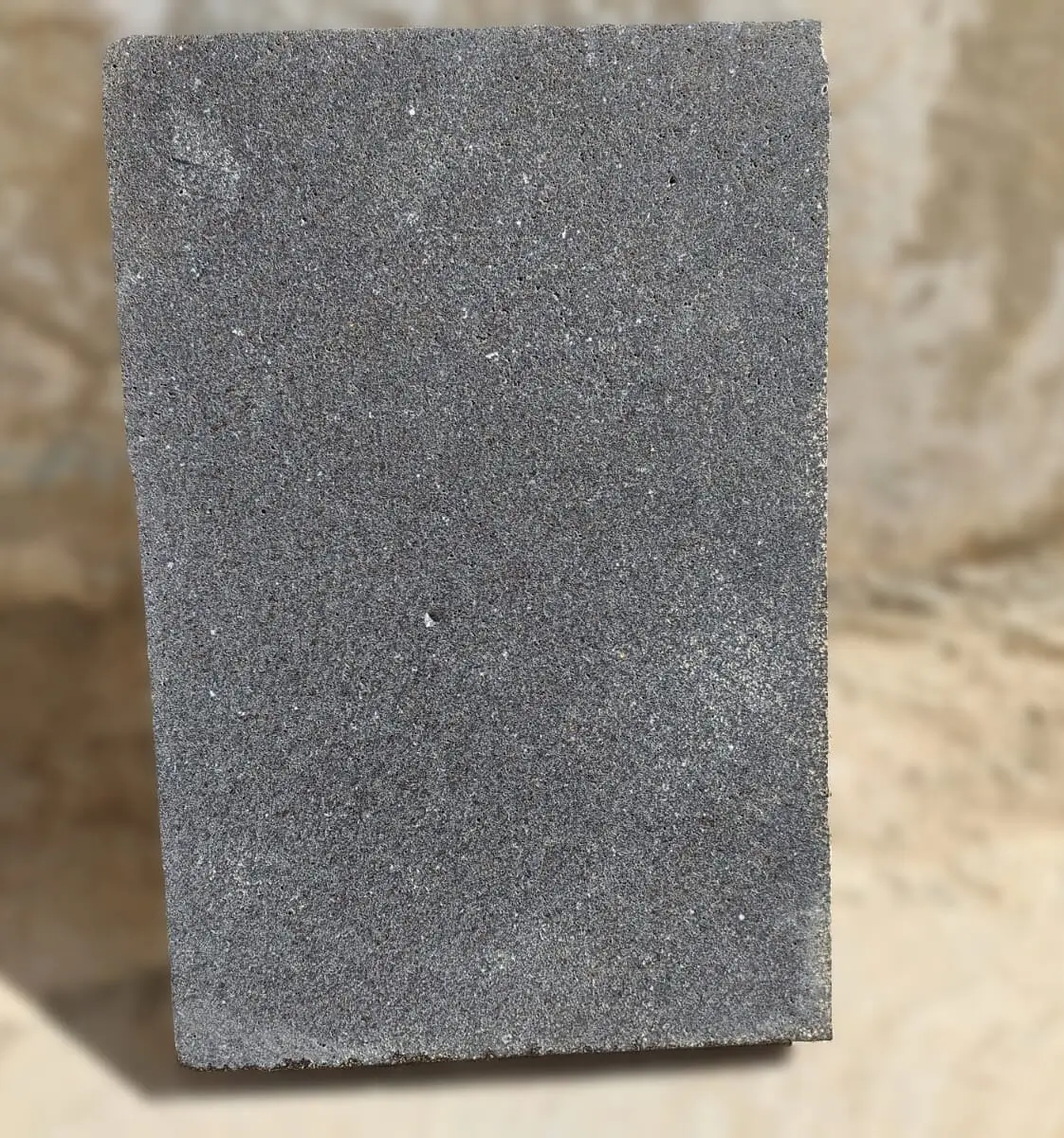
Where Limestone Look Tile Genuinely Wins
Being honest about where the manufactured alternative outperforms natural stone is part of making a defensible specification. Porcelain limestone look tile wins in several scenarios — and pretending otherwise doesn’t serve your project or your client.
Wet areas where absorption control is paramount — bathrooms, steam rooms, commercial kitchen prep zones — benefit from porcelain’s near-zero porosity. You eliminate the acid-etching risk from cleaning products and the ongoing sealing commitment entirely. For multi-unit residential projects where maintenance budgets are centralised and tight, that’s a real operational advantage.
- Large-scale consistent coverage: Porcelain’s manufacturing consistency eliminates the tonal variation management that natural stone requires across large floor planes
- Wet and chemical exposure environments: Zero absorption means no sealing, no etching risk, no staining vulnerability
- Radiant-heated interiors where thermal consistency matters: Porcelain’s predictable expansion rate simplifies engineering calculations
- Weight-sensitive substrates: Upper-floor installations, renovations over existing timber subfloors, and applications where structural loading is constrained benefit from porcelain’s lighter mass
- Budget-constrained projects that need limestone aesthetics: Quality porcelain delivers a convincing result at a lower material cost
The TCNA installation standards for natural stone tile distinguish between Type S and Type M mortar requirements based on absorption and substrate compatibility — details that affect both material types differently and should inform your installation specification alongside the material selection itself.
Making the Right Call on Grey Limestone vs Limestone Look Tile
The grey limestone vs limestone look tile decision comes down to what you actually need the material to do over its full service life — not just how it looks on day one. Specify natural grey limestone where authentic character, long-term patina, structural performance, and repairability matter. Specify limestone look tile where maintenance minimisation, substrate limitations, wet area exposure, or design consistency demands outweigh the benefits of the natural material. Neither choice is inherently superior — but one of them is right for your specific project conditions, and that clarity only comes from assessing the actual variables rather than defaulting to what looks good in a sample board. For projects where finish selection adds another layer of complexity to the grey limestone specification, honed versus tumbled grey limestone finishes covers how surface treatment affects both performance and aesthetic outcomes in detail. Projects sourced through Citadel Stone in natural grey limestone tend to develop a patina over years that gives them a visual authenticity no limestone-look tile achieves.
Related reading: Grey Limestone Varieties Compared: Jura to Thala · Grey Limestone Color Guide: Shades, Tone & Light.