

What Actually Drives Cobblestone Paver Pricing
Most buyers approach a cobblestone paver cost guide expecting a single price per square foot — and that number exists, but it tells you almost nothing useful on its own. The real story is in the variables stacked beneath that figure: material species, unit thickness, surface finish, quarry origin, and the logistics chain between extraction and your project site. A 4-inch tumbled granite sett and a 2-inch honed limestone cobble both qualify as “cobblestone pavers,” but they can sit $8 to $14 apart per square foot before installation even enters the picture. Understanding what drives those differences is where a cobblestone paver cost guide becomes genuinely useful — and that’s exactly what this breakdown covers.
Material Species and Quarry Origin
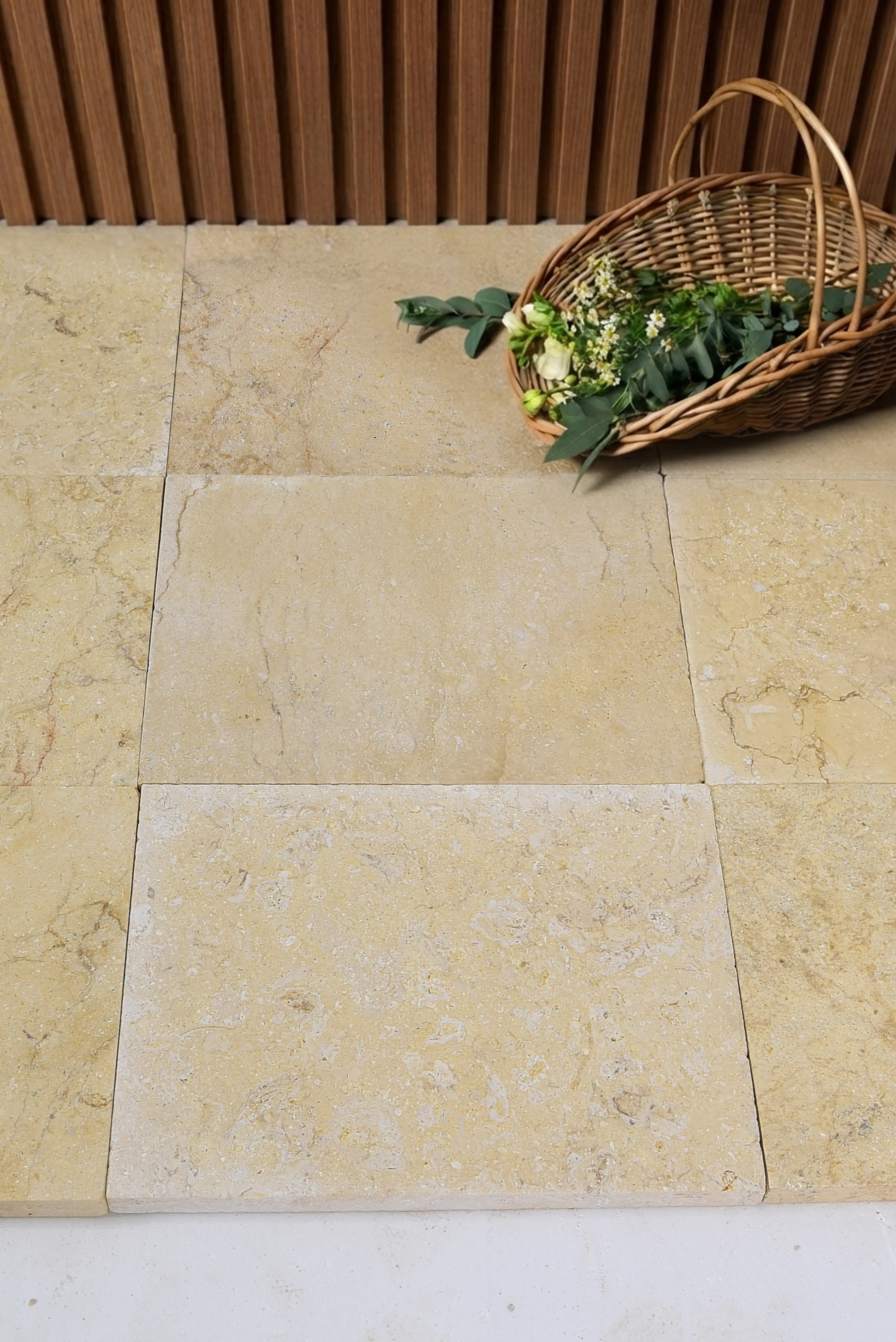
The stone type you choose is the single largest price lever in any cobblestone paver cost guide. Limestone cobblestone setts typically run in the $6–$12 per square foot range for the material itself, while granite setts — denser, harder, and more abrasion-resistant — generally land between $9 and $18 per square foot depending on grade and origin. Basalt cobbles tend to sit in a middle tier, often $8–$15 per square foot, valued for their tight grain structure and exceptional compressive strength.
Quarry origin shapes cost significantly. Domestic quarrying eliminates import duties, currency fluctuation markups, and the 10–14-week ocean freight cycle that European or Asian stone carries. That freight delta alone can add $3–$5 per square foot to an otherwise comparable product. According to USGS cobblestone and dimension stone data, domestic dimension stone output has remained competitive precisely because shorter supply chains reduce the cost variance that plagues imported cobblestone supply.
You’ll also encounter regional quarry surcharges tied to extraction difficulty. Harder granite formations require more saw time and blade wear per cut, and quarries pass that cost forward. This is why two visually similar grey granites — one from a soft-seam deposit, one from a hard crystalline formation — can differ by $2–$4 per square foot at the material level, even before any finishing work.
Unit Thickness and Its Cost Implications
Thickness is where cobblestone pricing gets counterintuitive for buyers coming from concrete paver backgrounds. A 2-inch nominal limestone cobble costs less per unit than a 4-inch equivalent — but the 4-inch unit carries far more stone per piece, demands a different saw setup, and ships at a higher weight-per-pallet ratio that affects freight cost directly. You’re not just paying for more stone; you’re paying for the machine time to produce it and the truck capacity it consumes.
Standard residential driveway applications typically call for a minimum 3-inch thickness in natural stone cobbles to handle point loads from vehicle tires. For light pedestrian applications — garden paths, courtyard inlays — 2-inch nominal units are often sufficient and carry a meaningfully lower material cost. The practical guidance: match thickness to load, not aesthetics. Overspecifying thickness adds cost without adding service life in low-load zones; underspecifying it in high-load zones creates a failure scenario no amount of quality stone can overcome.
- 2-inch nominal: appropriate for pedestrian zones and decorative inlays — lowest cost tier
- 3-inch nominal: standard residential driveway minimum — mid-range cost, broadest application
- 4-inch nominal: commercial driveways, heavy vehicle access, or structural requirements — highest material cost
- Non-standard thicknesses require custom quarry cuts, which typically add 15–25% to material cost
Surface Finish and Its Price Impact
The finish applied to a cobblestone paver isn’t cosmetic — it’s a structural and safety decision that carries a real cost premium. Tumbled finishes, which replicate the worn, rounded appearance of antique cobblestone pavers, require mechanical or hand tumbling after cutting. That processing step adds labor and time, which translates to a $1.50–$3.00 per square foot premium over a standard split-face or sawn finish in the same stone.
Honed finishes involve abrasive grinding to a smooth, matte surface. For limestone cobbles, honing reveals the stone’s natural color depth but also requires sealing to limit moisture absorption — a downstream maintenance cost worth factoring into your total cost model. Flamed finishes, common on granite setts, use intense heat to create a textured, slip-resistant surface. This is the most labor-intensive finish and typically commands the highest premium, often $2–$4 per square foot above a standard sawn face.
- Split-face / natural cleft: lowest finish cost — the stone’s natural fracture plane is the surface
- Sawn / cut face: modest cost — consistent dimensions but no added texture processing
- Tumbled: mid-range premium — ideal for achieving the antique cobblestone pavers aesthetic
- Honed: mid-to-high premium — smooth surface, requires sealing on porous stones
- Flamed / thermal: highest finish premium — textured, slip-resistant, excellent outdoor performance
The Natural Stone Institute granite cobblestone and sett specifications confirm that surface treatment directly affects both friction coefficients and long-term weathering behavior — which is why finish selection needs to precede cost comparison, not follow it.
How Subgrade Conditions Affect Your Total Project Cost
Material price is only part of the cobblestone paver cost guide equation. Your subgrade is where installation budgets quietly expand — sometimes by 30–50% of the material cost — and it’s the variable most buyers underestimate during the planning phase. Natural stone cobbles are rigid units; they don’t flex under load like concrete pavers. That rigidity transfers stress directly into the base and subgrade, which means subgrade quality determines whether your installation performs for 25 years or develops differential settlement within five.
Expansive clay soils present the most significant cost risk. Clay shrinks and swells with moisture cycling, which creates uneven movement beneath a rigid stone surface. When you’re working above clay subgrades, base depth requirements increase substantially — often from a standard 6-inch compacted aggregate base to 10–12 inches, with a geotextile fabric layer between the native soil and base course. That additional excavation, fabric, and aggregate can add $4–$8 per square foot to installed cost, independent of material selection.
Sandy or well-draining soils are the most forgiving subgrade condition for cobblestone work. They compact predictably, drain freely, and require less base depth to achieve adequate support. Rocky subgrades introduce a different problem: they’re stable but uneven, and grinding or adjusting a rock subgrade to accept a uniform base course adds equipment time and cost that can rival the material budget on smaller projects.
- Expansive clay: requires deep base, geotextile, and sometimes lime stabilization — highest installation cost
- Caliche hardpan: mechanically stable but impermeable — drainage engineering often required
- Sandy loam: compacts well, drains freely — most cost-efficient subgrade condition
- Rocky subgrade: stable but requires leveling preparation — equipment-intensive cost premium
- Organic fill or topsoil: must be fully excavated — never an acceptable bearing layer for cobblestone
At Citadel Stone, we ask about subgrade conditions before quoting project quantities, because base depth requirements directly affect how much material a project consumes. Underestimating base aggregate need is a common source of mid-project cost overruns.
Cobblestone Pavers for Driveway Applications: Cost-Specific Factors
Driveways introduce load and drainage variables that don’t apply to pedestrian paving — and those variables shift the cost profile in ways worth understanding before you spec the project. Cobblestone pavers for driveway use need to meet a minimum compressive strength threshold to handle vehicle loads without surface degradation. Granite setts consistently exceed that threshold, with compressive strengths above 19,000 PSI. Limestone cobbles vary more widely — some dense, low-porosity limestones perform well under vehicle load, while higher-porosity varieties can exhibit surface fatigue over time in high-traffic applications.
Joint width also affects driveway performance and cost. Wider joints — filled with compacted stone dust or polymeric sand — allow minor independent movement between units and improve drainage. Tighter joints look refined but require more precise unit dimensions, which means tighter tolerances at the quarry and higher material cost. For driveway applications, a 10–15mm joint is the practical sweet spot: tight enough to minimize wobble underfoot or under tire, wide enough to allow effective drainage and minor thermal movement.
You can explore our cobblestone sett selection to compare limestone and granite options across the thickness and finish variables most relevant to driveway specifications. Matching stone species to load class upfront is far less expensive than replacing a misspecified installation after the fact.
Driveway projects also carry higher truck delivery complexity than patio or walkway projects. Palletized cobblestone is heavy — a standard 40-square-foot pallet of 3-inch granite setts can exceed 2,000 pounds — and truck access constraints at the delivery site affect whether you can use a flatbed with a liftgate or need a specialized boom delivery. That logistics variable can add $150–$400 to delivery cost depending on site conditions and distance from warehouse inventory.
Antique Cobblestone Pavers: Reclaimed vs. Reproduction Cost Comparison
The antique cobblestone pavers market operates on a completely different pricing logic than new material. Genuine reclaimed setts — salvaged from historic street removals or decommissioned infrastructure — carry significant cost premiums for two reasons: scarcity and labor. Reclaimed material must be sorted, cleaned, and inspected unit by unit, and matching sizes across a reclaimed stock lot is genuinely difficult. Expect to pay $18–$35 per square foot for verified antique setts, with premium lots from documented historic sources reaching higher.
Reproduction antique cobblestone pavers — new stone processed to replicate the worn, irregular character of aged material — offer a cost-effective alternative at $10–$18 per square foot. Tumbled granite and tumbled limestone both achieve the aesthetic effectively. The visual difference between a well-tumbled reproduction and a genuine reclaimed sett is minimal once installed and jointed; the structural performance of the reproduction is often more consistent because the units come from a controlled quarry cut rather than variable salvage stock.
The practical guidance: if the project’s historical context genuinely requires documented reclaimed provenance — a landmark restoration, a heritage property specification — budget for the premium and the extended lead time that comes with sourcing authentic material. For projects where the aesthetic is the goal rather than provenance, reproduction tumbled stone delivers equivalent visual character at a fraction of the cost and with predictable availability.
Logistics, Lead Times, and the Hidden Cost of Waiting
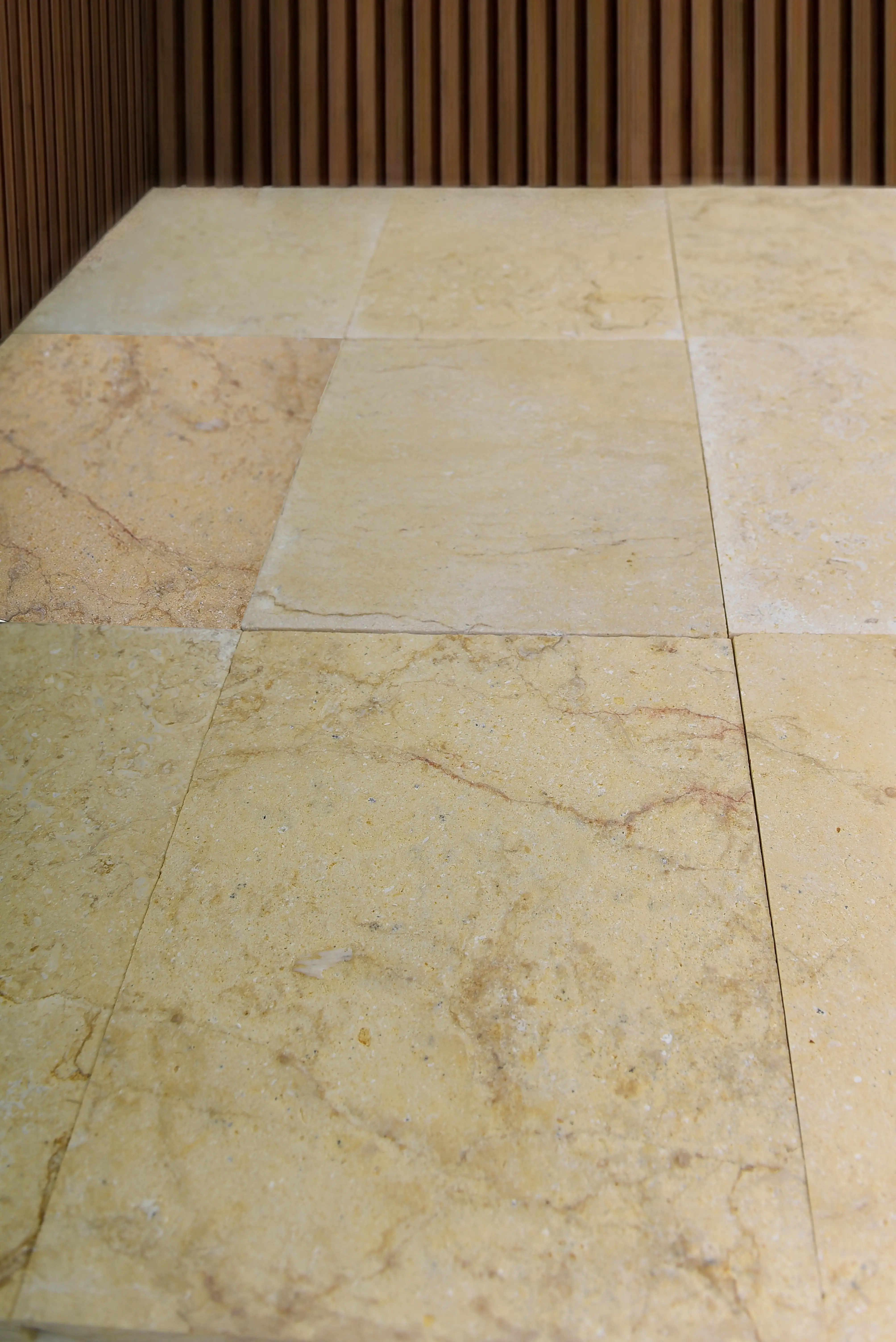
Project schedules carry real cost consequences that don’t appear on any material price list. Cobblestone stock availability from warehouse inventory versus a custom quarry order is the fork in the road that separates a 10-day lead time from a 10-week one. For most standard cobblestone specifications — grey granite setts in 3-inch or 4-inch nominal, tumbled limestone in common sizes — domestic warehouse inventory exists and ships quickly. Custom dimensions, unusual finishes, or non-standard stone species route through an import cycle that you need to build into your project timeline.
Every order is cut to its own specification, so the schedule is quoted with the order rather than promised from a shelf. That timeline compares favorably to the 8–14-week import window that custom or specialty cobblestone typically requires. If your project has a hard completion date, warehouse availability should be part of your material selection criteria — not an afterthought.
Freight cost is also a function of order size. Cobblestone ships by weight, and a full pallet or full truck load reduces cost-per-square-foot of freight significantly compared to partial loads. For projects over 500 square feet, coordinating a consolidated truck delivery rather than splitting across multiple partial shipments typically saves 15–25% on freight. Worth running the numbers before finalizing your order structure. According to the ASLA cobblestone and block paving landscape design guidance, project planning that integrates material logistics early consistently produces better cost and schedule outcomes across hardscape installations.
Cobblestone Pavers Price Ranges: A Working Reference
Pulling the variables together into a working reference makes the cobblestone paver cost guide genuinely actionable. These are material-only ranges — installation labor, base aggregate, and freight are separate line items that vary by project scale and site conditions.
- Tumbled limestone cobbles, 2-inch nominal: $6–$10 per square foot — pedestrian and decorative applications
- Honed limestone setts, 3-inch nominal: $9–$14 per square foot — residential driveways, light vehicle zones
- Tumbled granite setts, 3-inch nominal: $11–$16 per square foot — residential driveways, high-traffic areas
- Flamed granite setts, 4-inch nominal: $14–$22 per square foot — commercial driveways, heavy vehicle access
- Reproduction antique cobblestone, tumbled limestone or granite: $10–$18 per square foot — heritage aesthetic without reclaimed sourcing premium
- Genuine reclaimed antique cobblestone pavers: $18–$35+ per square foot — provenance-verified, variable availability
Installation cost adds a separate layer — typically $8–$20 per square foot depending on base complexity, joint treatment, and regional labor rates. Subgrade remediation, as discussed earlier, is a potential additional cost that only a site evaluation can quantify accurately.
What Matters Most
A cobblestone paver cost guide is only as useful as the decisions it drives. The cobblestone pavers price per square foot is a starting coordinate, not a destination — the real specification work happens when you align stone species to load class, thickness to subgrade condition, finish to use context, and order timing to project schedule. Buyers who anchor to the lowest material cost without running those variables frequently encounter installation failures or project delays that cost far more than the premium they avoided upfront.
Your base preparation is as important as your material selection. For a deeper technical reference on getting that foundation right, limestone paver base preparation covers the aggregate compaction and drainage geometry that underpins long-term cobblestone performance — details that apply equally to cobblestone sett installations across driveway, courtyard, and hardscape applications.
Specify thickness to match the load. Match finish to the environment and the safety requirement. Build lead time into your schedule before material selection narrows your options. And treat subgrade assessment as a mandatory pre-specification step, not an installation crew responsibility. Get those four variables aligned, and the price you pay per square foot delivers full value over a 20-to-30-year service life. Compromise on any of them, and the lowest cobblestone pavers price on the quote sheet becomes the most expensive decision on the project. Material grade, unit thickness, and surface finish all influence what buyers pay per square foot — Citadel Stone’s range reflects these variables across its full cobblestone sett lineup.
Related reading: Cobblestone Pavers vs Natural Stone: Which Wins? · Limestone Cobblestone Paving Patterns Explained.