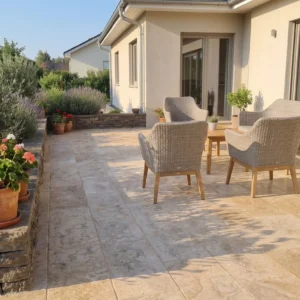
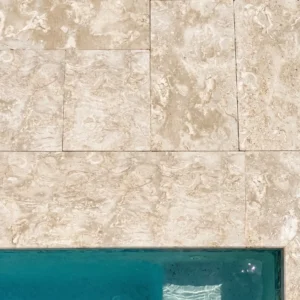
The canal left Panama more than the waterway: the old Zone’s townships – Balboa, Ancón, Gamboa and their kin – built in the distinctive tropical-colonial register of deep verandas, screened galleries and institutional masonry under great trees; the lock complexes whose visitor decks watch the world’s ships climb; and a century’s infrastructure heritage the country inherited whole in 1999 and has been renovating into its own ever since. The Zone legacy brief blends institutional heritage, visitor pulse and township renewal, and this guide walks it lock to lawn.
The Zone’s Register
The townships’ architecture is its own school: generous frame buildings on masonry ground floors, verandas run wide for the climate, institutional stonework at the civic anchors, and the parklike settings the Zone’s planners drew under the great figs and palms. The renovation wave – residences, offices, embassies and institutions taking the old fabric – runs the working-heritage canon: the register continued rather than costumed, ground layers renewed in honest stone at the historic levels, services threaded beneath, and the tree-shaded settings protected as the ensemble’s soul.
The Lock-Side Pulse
The locks are the country’s signature spectacle – visitor centers at Miraflores and Agua Clara watching the giants transit – and the viewing infrastructure runs the pulse canon at icon grade:
- Deck and terrace surfaces absorbing daily national-monument volumes.
- Circulation spines moving tour-bus surges without queuing the exhibits.
- All-weather textures for a spectacle that runs through the green season.
- The maintenance discipline an icon’s cameras audit continuously.
The ships provide the show hourly; the stone keeps the audience safely seated.
Ancón’s Civic Crown
Ancón hill carries the legacy’s civic crown – the flag at the summit, the administration’s great building on the slope, the township’s institutional fabric at the base – and the precinct’s brief runs institutional-heritage: ceremonial grounds and stairways at national-symbol grade, the administrative masonry conserved through sanctioned works, and the summit’s viewpoint infrastructure serving the pilgrimage every visitor makes to see the city, the canal and the two-ocean horizon from one green hill.
Gamboa’s Forest Chapter
Where the Chagres meets the canal, Gamboa runs the legacy’s forest chapter: the old township’s frame houses under the rain-forest edge, the resort economy serving the canal-and-jungle pairing, and Soberanía’s trails – Pipeline Road above all, the birding road whose species counts made it world-famous – threading the protected forest. The register blends township renewal with the eco-lodge canon: heritage ground floors, wet-forest path textures, birding-platform craft at canopy edges, and the ship-watching terraces where freighters glide past jungle.
The Railway Thread
The transcontinental railway – the canal’s older sibling, running its scenic thread between the oceans – stitches the legacy’s visitor economy: station precincts at heritage-pulse grade, platform and forecourt surfaces serving the tourist trains, and the corridor’s viewpoints where the line runs the lake causeways. The railway’s stations are the legacy in miniature – working heritage, visitor volumes, institutional maintenance – and their stone runs the same canon the locks taught.
The Institutional Files
The Zone’s inheritors are institutions – the authority, the ministries, the universities and embassies in the old fabric – and the specification culture runs institutional throughout: documented materials, conservation-clean interventions, batch records held in files that outlast administrations, and the audit-ready maintenance the fabric’s symbolism demands. a storied paving inheritance walks a kindred legacy’s stone memory; the Zone’s edition is younger and no less governed.
The Waterfront Seams
Where the legacy meets the capital – the Amador causeway’s spoil-built drive, the Balboa waterfront, the marina edges under the bridge’s great arc – the seams run the promenade canon at canal-mouth theatre: esplanades watching the ship queue, salt-rated surfaces on both flanks, sittable edges the length of the show, and the civic maintenance the capital’s favorite weekend deserves. The seams are where the Zone’s green formality and the city’s energy shake hands; their stone hosts the handshake daily.
Renewal Manners
Zone renewal carries its manners: the township ensembles conserved as districts rather than lots, the great trees protected as fiercely as the buildings, interventions declared honestly in fabric whose story is its value, and the community layer – the neighborhoods that live in the legacy – respected as residents rather than exhibits. The parallel disciplines are the region’s heritage canon; the Zone’s addition is scale – a century’s planned landscape renewing as one inheritance – and the projects that read the whole ensemble build the best chapters in it. layered-heritage building manners maps the layered-register craft the legacy demands.
The Green Commute
The Zone’s townships keep a daily culture their planners drew in: the running and cycling life on the shaded roads, the morning loops under the great trees, the weekend pelotons tracing the canal’s edge roads. The green-commute infrastructure runs civic-recreational: path and shoulder surfaces at daily-loop durability, crossing thresholds where the routes meet the working roads, rest points with sittable edges at the viewpoints, and the shade sovereignty that makes the whole culture possible – the trees the loops were drawn beneath protected as fiercely as ever. The commute is the legacy’s daily life; its surfaces keep the century’s healthiest habit running.
The Legacy’s Terms
The Zone’s terms are the inheritance’s own: institutional standards, icon-grade visitor pulse, township ensembles conserved whole and the great trees sovereign. Build the waterway’s legacy to its governed standards – documented, declared, ensemble-first – and the century that dug the canal keeps its townships worthy of the ships still climbing past them.
Flag-Day Ground
The legacy’s ceremonial calendar peaks on the flag days: the national commemorations that fill Ancón’s summit path and the civic precincts with processions, wreaths and the flags the century’s history earned. The ceremonial ground runs national-symbol grade: summit paths and stairways carrying the pilgrimage volumes, precinct plazas staging the honors, and the maintenance discipline that keeps symbol-bearing stone worthy of its cameras every anniversary. The flag days are the inheritance performing its meaning; the ground’s stone hosts the performance – and its condition is read, correctly, as the respect itself.
An Inherited Standard
The former Canal Zone was built and maintained under its own rules for most of a century, and the physical result is still visible: generous grounds, consistent detailing and a building stock that was maintained to a schedule. Work in Ancon, Balboa, Clayton or Albrook is usually matching that inheritance rather than inventing something.
- Survey what is there before specifying a replacement
- Match coursing, joint width and edge treatment to the original
- Keep new interventions legible rather than disguised
- Record what was removed and why, for the next team
The scale of the system these settlements served is documented by the Panama Canal Authority.
Fortifications and the Older Layer
The Canal is only the most recent of the isthmus crossings. The Caribbean fortifications at Portobelo and San Lorenzo, inscribed as a World Heritage property in 1980 and placed on the List of World Heritage in Danger in 2012, guarded the earlier route across the same narrow ground.
- Expect heritage review for work near protected fabric
- Prefer reversible details inside protected settings
- Keep new surfaces visually subordinate to historic masonry
- Allow review time in the schedule before committing to dates
The inscription record for the Caribbean fortifications is the reference.
Mature Trees and Old Root Systems
Zone landscapes are old, and the trees in them are large. Root movement is the single most common cause of failure in this housing stock.
- Survey root zones before setting levels
- Use flexible edge restraint that can be reset
- Keep permeable surfaces within root protection areas
- Avoid rigid continuous slabs near mature specimens
Matching Rather Than Replacing
Most work here is partial. The skill is making a repair read as part of the original rather than as a patch.
- Reclaim and reset original units where they are sound
- Blend new material through a transition rather than a hard line
- Weather new work deliberately where the setting demands it
- Keep a documented stock of matching units on site
Working in an Occupied Historic Setting
Much of the former Zone is now offices, schools and homes, so works happen alongside daily use.
- Sequence in short finished sections
- Protect adjacent surfaces before the first pallet arrives
- Deliver outside peak movement hours
- Agree a daily clean-down standard in the contract
Supply detail for the capital region sits in our Panama supply overview.
Canal Zone heritage stone, matched properly
The inheritance here is unusually coherent, and the work that fails is the work that ignores it.
- Survey and record before specifying
- Respect the older heritage layer as well as the Canal era
- Design around mature root systems
- Match rather than replace wherever possible
A century of borrowed rules left a standard worth keeping, and matching it is cheaper than arguing with it.