Cabarete runs on a meteorological gift: the thermal wind that builds every afternoon as the north coast heats, turning the bay into the Caribbean’s kiteboarding capital with the reliability of a timetable. Mornings belong to the surfers at Encuentro down the road, afternoons to the kites stacked above Kite Beach, and evenings to the beach-bar strip where the whole international circus compares sessions in the sand. The wind capital’s building brief blends the region’s wind-sport, surf-town and beach-bar canons – and adds its own clauses. This guide walks them.
The Thermal Clock
Cabarete’s wind is a daily machine: calm mornings, the sea breeze building through midday, honking afternoons, and the evening glass-off – and the town’s entire rhythm rides it. Building serves the clock: morning-calm works windows for anything the wind complicates, kite operations staged for the afternoon peak, shade and shelter engineered for a wind that arrives on schedule, and outdoor hospitality designed to thrive at wind strengths that would close terraces elsewhere. The clock is the town’s constitution; the specification signs it.
The Kite Yard
The kite school and the kite hotel run on their yards – rigging, launching, landing, packing – and the yard’s floor is the sport’s working surface:
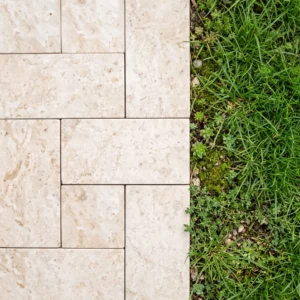
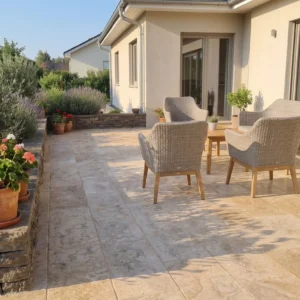
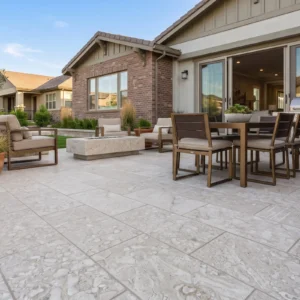
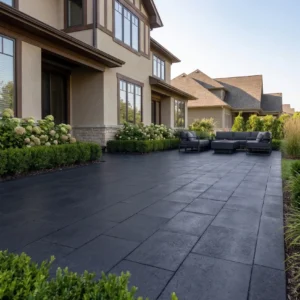
- Textured stone aprons where lines are laid out and bars rigged – sand-tolerant, bare-foot rated, kind to fabric.
- Pump and repair stations at working grade with shade the afternoon wind cannot dismantle.
- Storage thresholds sized for board-and-kite traffic in both directions at session change.
- Wash-down points that rinse salt from gear and drain clear of the launch path.
the windsurf-lagoon cousin walks the adjacent craft one island south, and Cabarete runs it at ocean scale with a wind that never takes the season off.
The Encuentro Dawn
Down the coast road, Playa Encuentro serves the other congregation: surfers at first light, when the wind sleeps and the reef lines up. The surf-side brief is the sand-street canon in Dominican form – dawn-patrol thresholds staged for silent five-a.m. departures, board racks and rinse courts at the surf lodges, textured paths for dew-wet dark walks to the beach – and the properties serving both sports run the double calendar: surf operations before nine, kite operations after noon, and surfaces specified for wet gear moving both directions all day.
The Strip on the Sand
Cabarete’s signature is its beach-bar strip – restaurants and bars whose tables stand literally on the sand, the bay’s kites as dinner theatre – and the premises brief is the beach-club canon at its most literal: stone service floors and kitchen lines behind sand dining rooms, thresholds that negotiate boardwalk, terrace and beach in barefoot grades, wind-rated everything on the front line, and lighting that holds atmosphere in a breeze that never quite stops. The strip is the town’s stage; its working surfaces backstage keep the show nightly.
Wind-Rated by Default
The thermal machine writes the fixing schedule: umbrellas and shade sails engineered rather than hoped, coping and caps mechanically fixed, signage and fittings specified for daily flogging, loose furniture curated by weight, and the windward detailing the wild coasts use applied here as ordinary practice. Salt rides the wind inland, so the low-absorption rule and rinse regimes run at full strength a street back from the beach – the specification is windward canon as municipal default.
The International Town
Cabarete’s population is the sport’s: instructors and athletes from everywhere, seasonal returners who become residents, digital workers who found a town where the office closes when the wind builds. The property market serves the mix – apartment-hotels, villa shares, long-stay condos – and the surfaces brief blends turnover durability with live-in comfort: working rinse-and-gear circuits, terraces that host the evening debrief, and the community-scale manners of a town where reputations travel at session speed. sand-street surf standards maps the kindred culture on the Pacific.
Event Weeks
The wind calendar peaks in event weeks – competitions that bring the sport’s circuit to the bay, crowds to the strip and pressure to every working surface. The event brief is the region’s pulse-day canon: launch zones and judging areas staged on ground that recovers, strip premises absorbing festival volumes, parking and access managed on the one coast road, and the reset that returns the town to its daily clock by the next thermal. Premises specified for the pulse bank their season in the highlight reels.
The Sosúa Neighbor
Ten minutes west, Sosúa runs its own chapter – a calmer bay, a diving-and-residents economy, a distinct history worn openly – and the two towns share a coast road, a labor pool and a building market: crews work both, suppliers serve both, and the specification travels intact with the register adjusted from wind-sport working to bay-town residential. For orders the pairing means consolidated logistics; for owners it means the north coast’s trades know exactly what pale textured stone is for before the crate opens.
Built for the Machine
Cabarete’s brief reduces to its machine: serve the thermal clock, fix everything the wind will test, floor the working yards for gear and bare feet, and keep the strip’s stage running nightly. Build the wind capital wind-rated by default, and the town repays on its own schedule – every afternoon, when the thermal arrives on time and the bay fills with proof.
The Lagoon Behind
Behind the kite beach, Cabarete keeps its second water: the lagoon – flat, sheltered, the learning pool where beginners find their water start before graduating to the bay, and the paddleboard-and-kayak morning venue the wind leaves alone until noon. The lagoon-side brief runs gentler than the beachfront’s:
- School staging on the flat water’s edge: launch lawns and stone aprons where lessons stage without the surf’s drama.
- Morning-venue hospitality – coffee terraces facing the glass – working the calm shift before the thermal claims the day.
- The eco-margin manners of a wetland edge: drainage that respects the lagoon’s system, lighting kept low along the reeds.
The lagoon completes the town’s wind machine – beginners’ flat water feeding the bay’s progression – and its quieter surfaces serve the sport’s patient half: the morning hours where careers in the wind begin at walking pace, on stone that stages the first water starts of thousands of eventual experts.
Designing Around the Afternoon Thermal
Cabarete works on a daily wind cycle rather than a weather forecast, and the built environment follows it. Mornings are calm and used for surfing, the thermal fills in from late morning, and by mid afternoon the bay is full. Everything on the hard landscaping side has to assume wind-driven sand and salt for several hours a day, every day. Seasonal context matters too, since the Atlantic hurricane season runs from June through November with a climatological peak around 10 September.
- Detail joints so wind-blown sand can be swept rather than trapped
- Avoid fine open textures that hold grit in the traffic route
- Fix loose furniture and edge units against afternoon gusts
- Plan storm season works to finish before the September peak
The National Hurricane Center climatology is the reference for those dates.
Sand as a Design Input, Not a Nuisance
Kite and surf towns move an extraordinary amount of sand indoors. The fix is layout and surface texture, not a bigger doormat.
- A rinse zone with a drained, textured surface before the threshold
- A transition strip that catches grit without becoming a trip hazard
- Wide, sweepable joints on the beach side of the building
- Board storage detailed with a surface that tolerates being wet all day
This is also a protected coastline. Los Humedales de Montecristi y la Linea Noroeste was designated in October 2022 across 84,322.2 hectares spanning Montecristi, Dajabon and Puerto Plata provinces and holds a large share of the country’s most representative coral reefs, as the official Ramsar site record sets out, so runoff detailing is not a formality here.
Building for a Town That Never Closes
Cabarete trades all year, and works have to happen alongside operating businesses rather than instead of them.
- Sequence in short sections so frontages stay open
- Deliver early, before the wind and the crowds arrive
- Use dry-laid details where a section may need lifting later
- Keep a small stock of matching units for repairs after storm damage
Delivery logistics along this coast are covered in our Dominican Republic supply overview.
Cabarete kite stone, chosen for wind and sand
The brief here is unusually specific: constant grit, salt-laden air, wet feet and an afternoon that never gets calmer. Specify for that and the surface simply works.
- Choose textures that release sand instead of holding it
- Detail rinse and transition zones properly
- Fix everything that wind can move
- Time the program around the hurricane season peak
Wind is not an occasional problem in Cabarete, it is the design brief.