

Basalt tiles, crafted from volcanic rock, have surged in popularity among architects, designers, and homeowners for their durability, sleek aesthetic, and eco-friendly appeal. At Citadel Stone, we pride ourselves on supplying refined basalt slabs for minimalist applications that elevate spaces with their timeless charm. Yet, one critical factor often surprises project planners: the weight of basalt tiles. This weight significantly influences both shipping and installation costs, making it a key consideration for any project—whether a cozy home renovation or a sprawling commercial development.
In this detailed guide, we’ll unpack how basalt tile weight affects your budget, from freight charges to labor expenses. Backed by five real-world case studies from recent U.S. projects, we’ll show you the practical implications and offer actionable tips to manage costs effectively. By the end, you’ll be equipped to make informed decisions and harness the full potential of basalt tiles from Citadel Stone.
What Are Basalt Tiles?
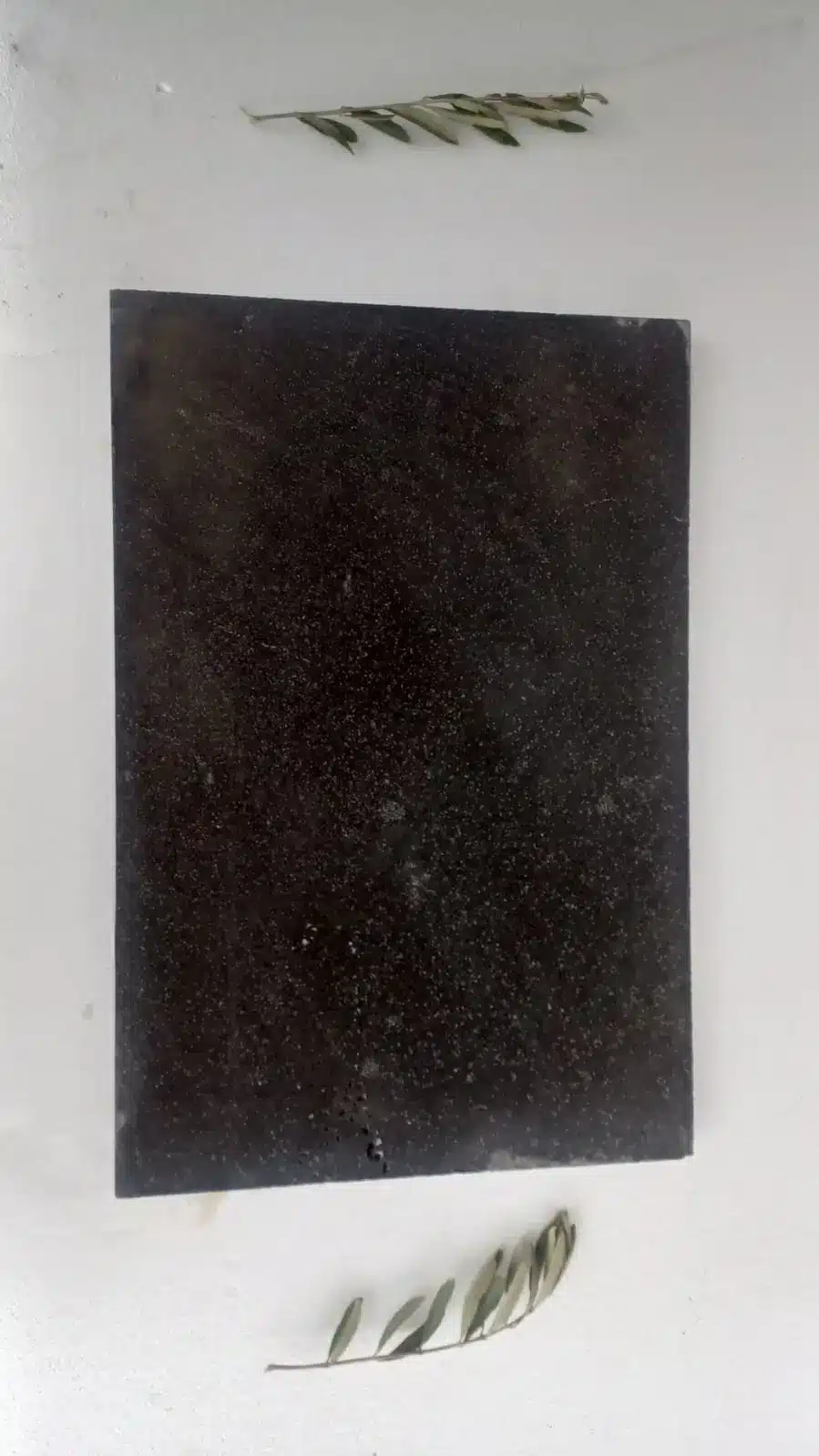
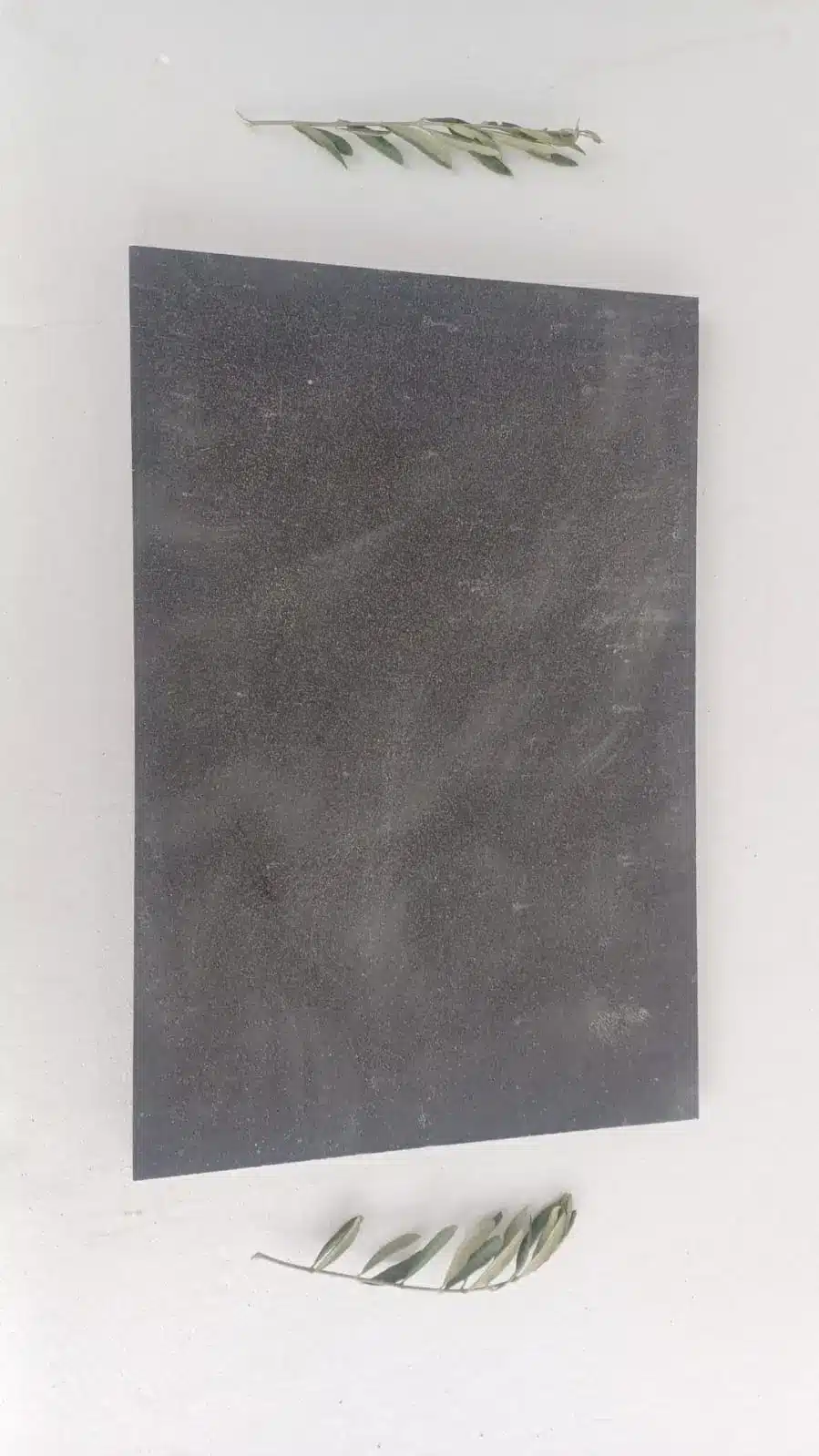
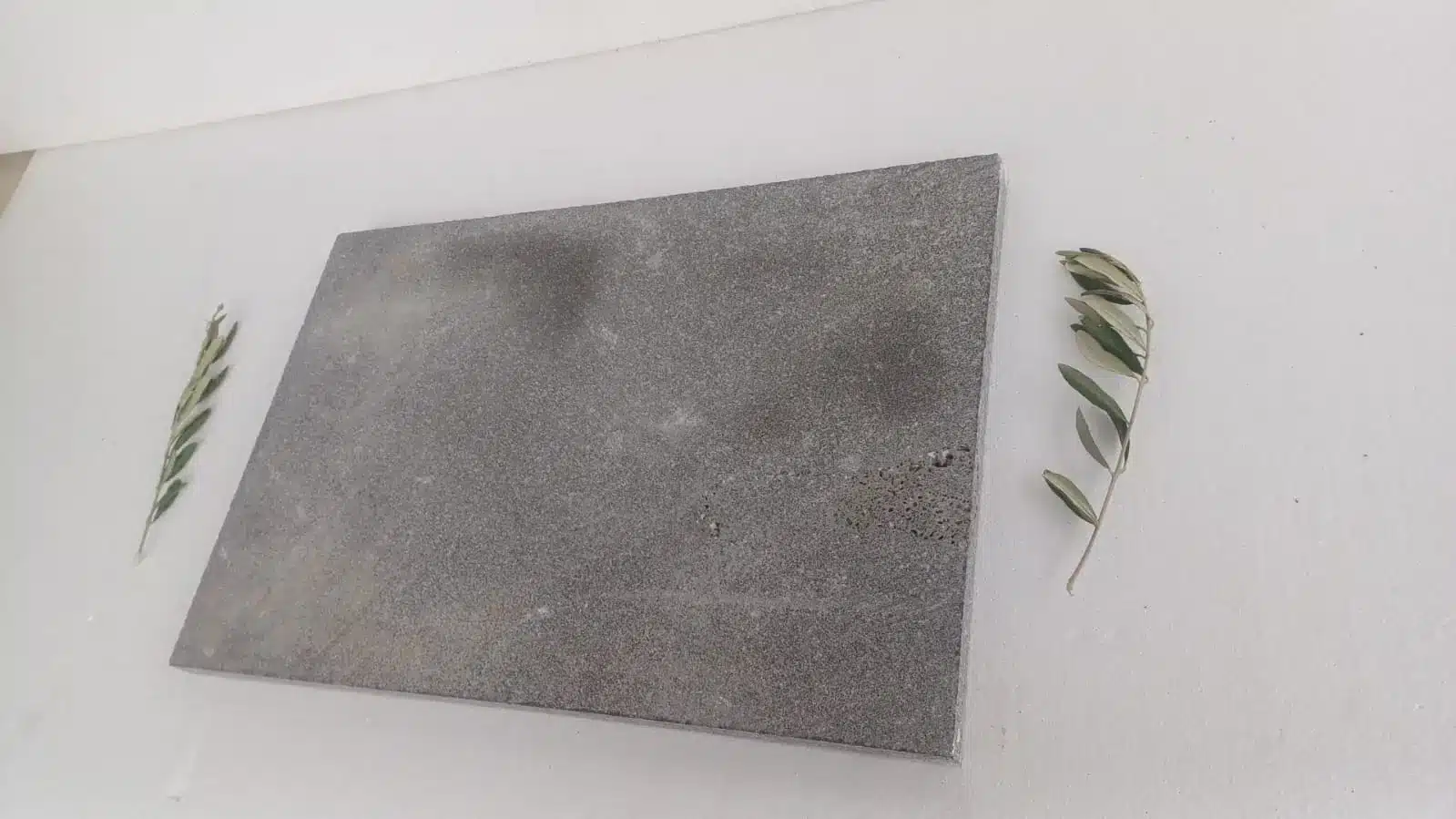
Basalt is an igneous rock formed from cooled lava, rich in minerals like plagioclase, pyroxene, and olivine. Its fine-grained texture and dark hues—typically deep gray to near-black—give basalt tiles a modern, sophisticated look. These qualities, combined with exceptional strength, make basalt a top choice for flooring, wall cladding, countertops, and outdoor paving.
Key Features of Basalt Tiles
- Unmatched Durability: Resists scratches, wear, and weather, ideal for high-traffic areas.
- Sleek Aesthetic: Uniform tones create a contemporary vibe.
- Eco-Friendly: A natural stone with minimal processing, basalt supports sustainable design.
- Versatile Applications: Perfect for indoor elegance or outdoor resilience.
But there’s a catch: basalt’s density, while a strength, also makes it heavier than many alternatives. This weight impacts logistics and installation, driving up costs in ways that lighter materials avoid. Let’s dive into why this matters and how it plays out.
Why Weight Matters in Tile Projects
Tile weight isn’t just a technical detail—it’s a cost driver that ripples through every phase of a project. For lightweight basalt slabs for flexible installations, their heft brings both benefits and challenges, particularly in shipping and installation.
Weight Comparison
Basalt’s density sets it apart from other tiling options:
- Basalt Tiles: 2.8–3.0 g/cm³ (approximately 10–12 lbs per square foot for standard thickness).
- Ceramic Tiles: 2.2–2.4 g/cm³ (about 4–6 lbs per square foot).
- Granite Tiles: 2.6–2.8 g/cm³ (around 11–13 lbs per square foot).
This means basalt tiles are heavier than ceramic or porcelain but comparable to granite. The extra weight translates directly into:
- Higher Shipping Costs: More pounds mean higher freight rates, especially over long hauls.
- Increased Installation Expenses: Heavier tiles demand stronger materials and more labor.
Understanding these dynamics is the first step to budgeting smartly with basalt.
Shipping Costs: The Weight Factor
Shipping is often the first hurdle where basalt tile weight makes its mark. Here’s how it affects your bottom line.
Freight Charges and Tile Weight
Shipping costs hinge on weight, distance, and delivery type. For basalt tiles:
- Less-Than-Truckload (LTL) Shipping: Smaller orders share truck space, but rates scale with weight. A 500-square-foot shipment of basalt (2,000–2,500 lbs) costs more than ceramic over the same route.
- Full Truckload (FTL) Shipping: Large projects fill a truck, where weight impacts fuel and handling fees.
For example, shipping 1,000 square feet of basalt tiles from Oregon to New York might cost $1,500–$2,000, while lighter ceramic tiles could save 20–30% on the same trip.
Packaging Requirements
Heavier tiles need robust packaging to avoid breakage:
- Reinforced Crates: Extra wood or bracing adds to material costs.
- Special Handling: Carriers may charge premiums for heavy or fragile loads.
At Citadel Stone: setting benchmarks in natural stone design, we prioritize secure packaging, but this can nudge shipping expenses higher.
Distance Impact
Weight’s effect grows with distance:
- Short Hauls: Within 100 miles, weight adds moderate costs.
- Cross-Country: From coast to coast, the difference between basalt and lighter tiles becomes stark.
To offset this, consider sourcing from regional suppliers or bundling orders for efficiency.
Installation Costs: Handling the Heft
Once basalt tiles arrive, their weight shapes installation costs. Here’s what to expect.
Structural Needs
Heavy tiles require a solid foundation:
- Subfloor Reinforcement: Older homes or upper floors may need extra support, like additional joists or underlayment.
- Thicker Mortar Beds: Provides stability but increases material use.
For instance, installing basalt on a second-story patio might add $1–$2 per square foot for structural upgrades.
Adhesives and Grout
Basalt’s weight calls for top-tier bonding materials:
- High-Strength Adhesives: Prevent shifting or cracking, costing more than basic options.
- Epoxy Grout: Enhances durability but raises expenses by $0.50–$1 per square foot.
These choices ensure longevity but impact your budget.
Labor Demands
Installing heavy tiles takes more effort:
- Team Size: Two or more workers may be needed to lift and place tiles, unlike lighter materials.
- Special Tools: Suction cups or tile lifters add rental costs.
- Time: A 300-square-foot floor might take 25–30 hours with basalt vs. 20 hours with ceramic.
Labor rates—typically $4–$8 per square foot—climb with these demands.
Safety Considerations
Heavier tiles increase installer fatigue, potentially leading to:
- More Breaks: Slows progress.
- Higher Insurance: Contractors may adjust quotes to cover risks.
Partnering with pros familiar with basalt, like those recommended by Citadel Stone, keeps costs in check.
Real Orders, Real Deliveries
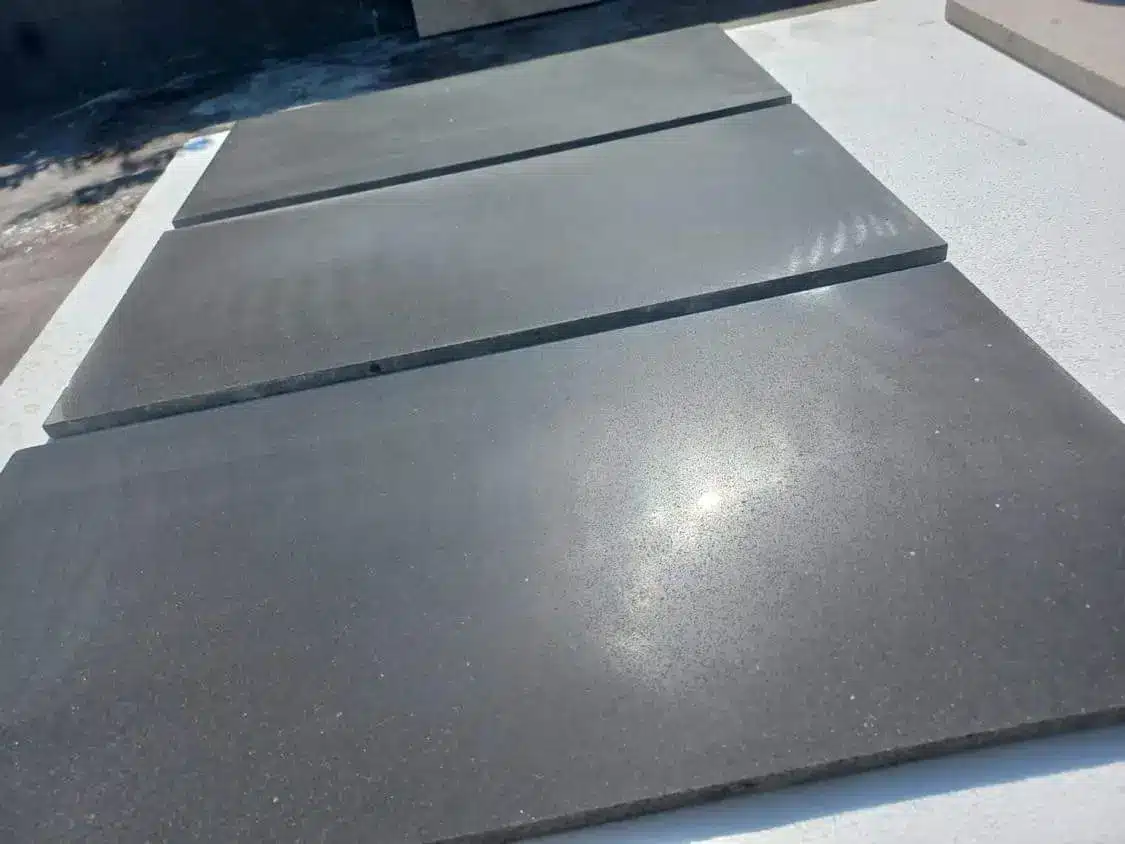
We only publish projects we have actually supplied. See our Las Vegas white limestone delivery — two containers, 6,884 sq ft, 32 crates, shipped door to door — and how we supplied Creative Environments in Arizona with 21 containers across a 70,000+ sq ft installation: white limestone pavers and tiles, shellstone and Ocean Reef pavers.
Had Citadel Stone material installed on your project? Send us your photos and we will feature the work here, with your permission.
Cost-Saving Tips for Basalt Tile Projects
While stylish black basalt tiles for sophisticated commercial spaces carry a weight premium, smart planning can keep expenses manageable:
Shipping Strategies
- Go Local: Source from nearby quarries to cut freight costs.
- Bulk Up: Order in larger quantities for better rates.
- Negotiate: Discuss discounts with carriers for heavy loads.
Installation Hacks
- Prep Early: Check structural needs upfront to avoid surprises.
- Hire Experts: Skilled crews save time and money.
- Minimize Waste: Optimize layouts to use every tile efficiently.
At Citadel Stone, we’re here to guide you through these steps, ensuring your project shines without breaking the bank.
Conclusion: Balancing Weight and Worth
Fine-grain black basalt tiles for refined finishes bring durability, beauty, and sustainability to any space—but their weight does lift shipping and installation costs. By grasping these impacts and leveraging our case studies, you can plan wisely and maximize value. From Portland’s bustling airport to Aspen’s tranquil spa, basalt proves its worth across the USA.
Ready to transform your space with sleek black basalt tiles for creating smooth surfaces? Visit www.citadelstone.us to explore our collection and get expert advice tailored to your project. Let Citadel Stone help you build something extraordinary—efficiently and affordably.