

When planning an outdoor project, one of the biggest concerns is how your chosen paving material will hold up under constant sunlight exposure. Fading colors can diminish the beauty of your driveway, patio, or walkway, leaving you with a surface that looks aged and worn. If you’re considering basalt pavers for your next project, you might be asking: Do basalt pavers fade in sunlight?
At Citadel Stone, we specialize in providing high-quality natural stone solutions, and we’re here to answer that question with a comprehensive look at basalt pavers’ UV resistance and long-term color retention. This in-depth guide is designed to give you the facts, insights, and practical advice you need to make an informed decision. Let’s dive into what makes basalt pavers a standout choice for outdoor spaces exposed to the sun.
Introduction: Why UV Resistance and Color Retention Matter
Sunlight isn’t just a source of warmth and light—it’s a force that can wreak havoc on outdoor materials. Ultraviolet (UV) rays, a component of sunlight, have the power to fade colors, alter appearances, and even weaken some surfaces over time. For homeowners, contractors, and designers, choosing a paving material that resists these effects is essential for maintaining both aesthetics and functionality.
Basalt pavers have earned a reputation for their durability and striking appearance, making them a popular option for everything from driveways to pool decks. But how do they perform when faced with relentless UV exposure? In this article, we’ll explore:
- What basalt pavers are and why they’re a top choice for outdoor projects.
- How UV rays impact paving materials and what causes fading.
- The science behind basalt’s resistance to UV damage.
- How basalt pavers maintain their color over the long haul.
- Tips to keep your basalt pavers looking their best.
By the end, you’ll have a clear understanding of why basalt pavers from Citadel Stone are an excellent investment for any sun-exposed outdoor area.
The Essentials of Basalt Pavers
To determine how basalt pavers perform in sunlight, we first need to understand what they are and what makes them unique.
Origin and Formation
Basalt is a volcanic rock born from the rapid cooling of lava on the Earth’s surface. This natural process creates a fine-grained, dense stone renowned for its strength and resilience. At Citadel Stone, we transform this raw material into basalt pavers by cutting it into precise shapes and sizes, perfect for outdoor applications like patios, walkways, and driveways.
Key Properties of Basalt
Basalt’s natural characteristics set it apart as a premier paving material:
- Hardness: With a rating of 6-7 on the Mohs scale, basalt resists scratches and wear, making it ideal for high-traffic areas.
- Density: Its compact structure (around 2.9 g/cm³) provides stability and durability.
- Low Porosity: Basalt absorbs less than 1% water, protecting it from freeze-thaw damage and staining.
- Thermal Stability: It withstands extreme temperatures without cracking or degrading, a critical feature for sun-exposed surfaces.
These properties make basalt pavers a reliable choice for enduring harsh weather conditions, including intense sunlight.
Beauty and Elegance
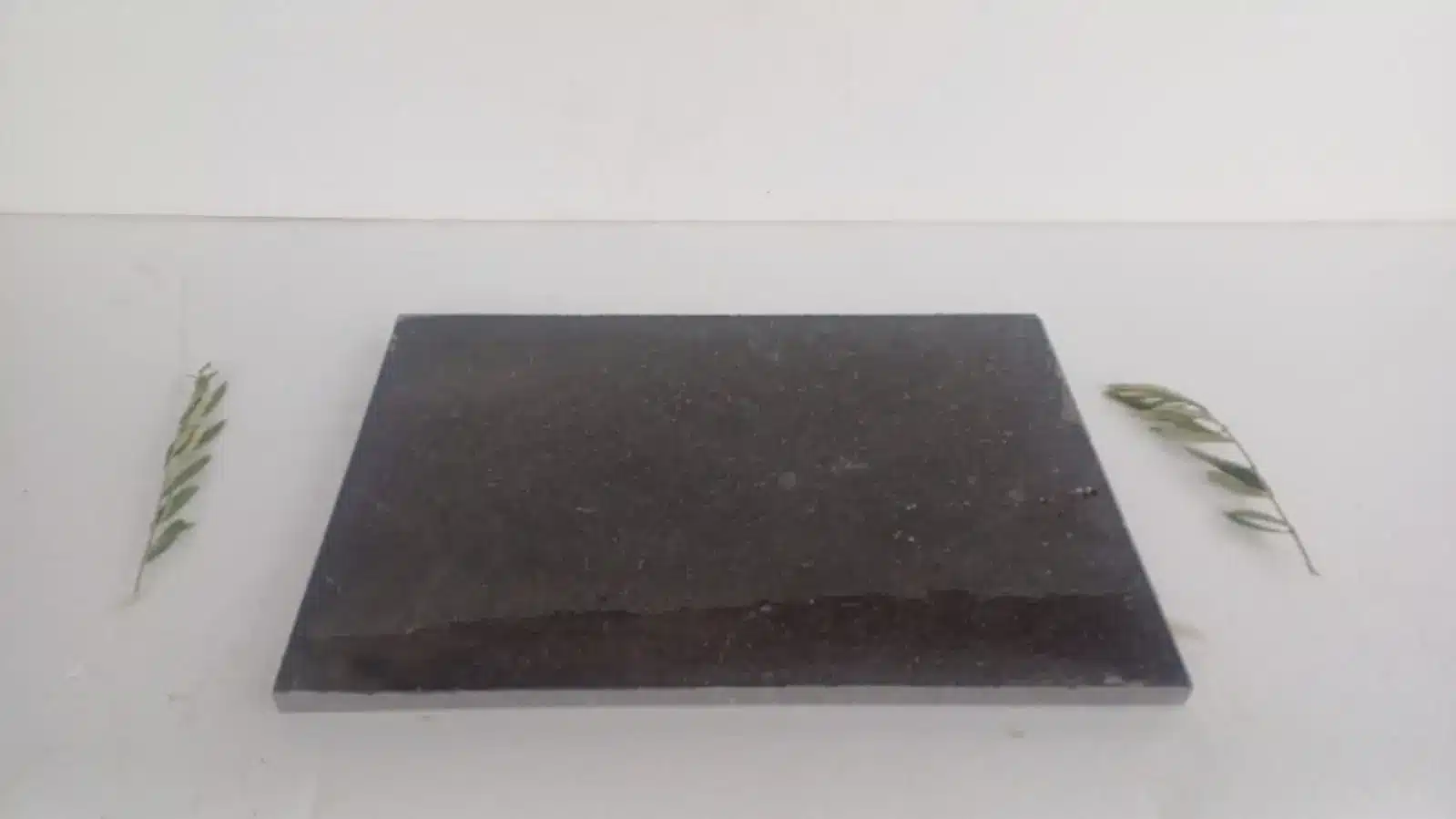
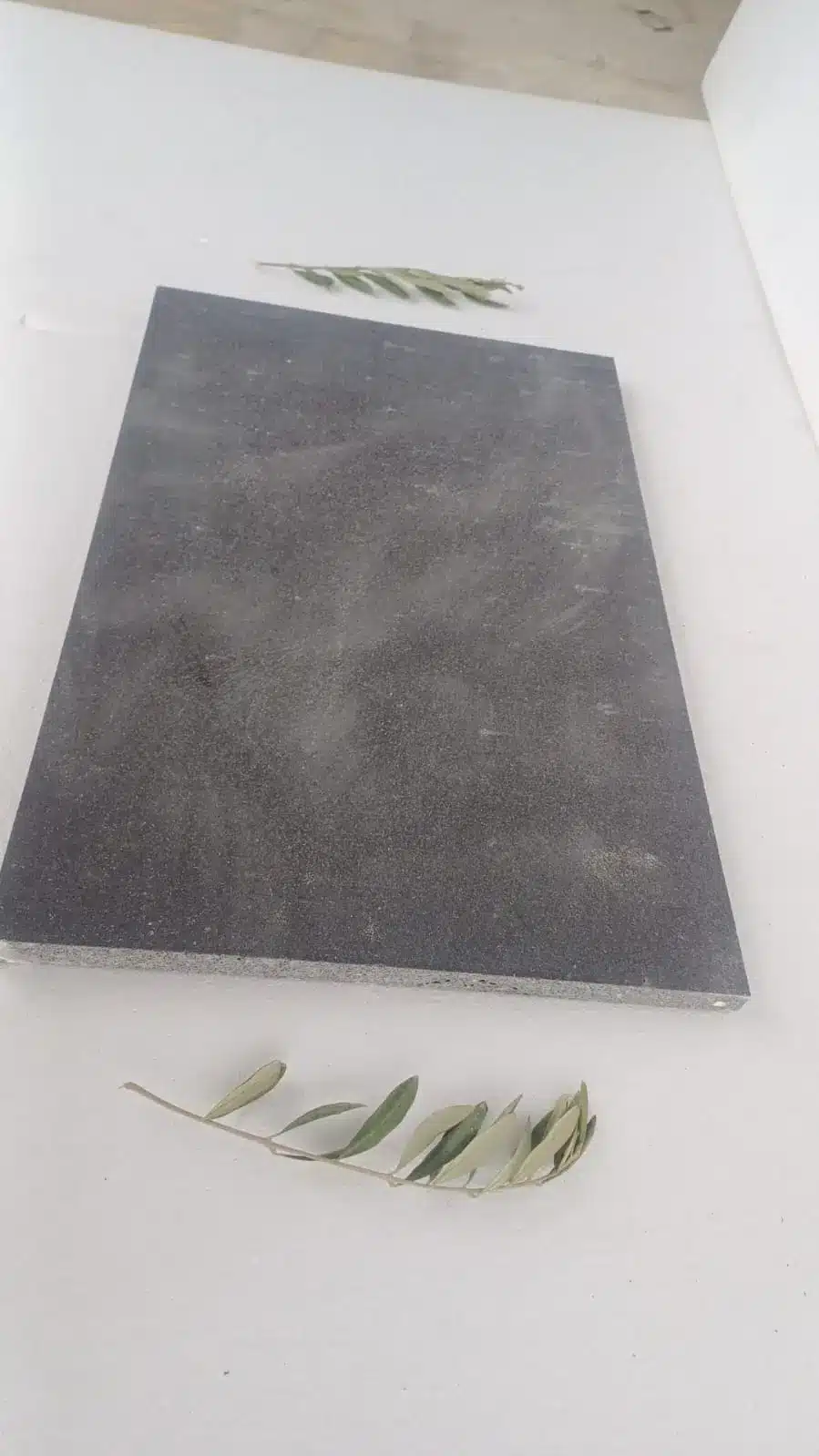
Beyond durability, basalt pavers offer a sophisticated look. Their natural color palette—typically dark gray to black—delivers a sleek, modern aesthetic that pairs beautifully with various design styles. At Citadel Stone, we offer basalt pavers in multiple finishes to enhance both form and function:
- Flamed Finish: A textured surface created by heating and cooling the stone, often specified for wet areas like pool decks.
- Honed Finish: A smooth, matte surface that highlights basalt’s rich color, perfect for contemporary designs.
- Bush-Hammered Finish: A rough, tactile finish that boosts slip resistance and adds visual depth.
These options allow you to customize your project while maintaining the stone’s inherent strength.
Common Uses
Thanks to their versatility, basalt pavers are used in a wide range of applications:
- Driveways
- Patios
- Walkways and pathways
- Pool surrounds
- Commercial plazas
- Public parks
Whether you’re designing a residential oasis or a commercial space, basalt pavers from Citadel Stone offer a blend of beauty and performance. But the real question remains: How do they hold up under sunlight?
UV Resistance of Basalt Pavers
To answer whether basalt pavers fade in sunlight, we need to examine how UV radiation affects materials and why basalt stands out as a UV-resistant option.
Understanding UV Radiation and Its Effects
UV radiation is a type of electromagnetic energy emitted by the sun. When it strikes a material, it can trigger chemical reactions that lead to:
- Fading: Breakdown of pigments or dyes, causing colors to lose vibrancy.
- Discoloration: Unintended shifts in hue or tone.
- Degradation: Weakening of the material’s surface, resulting in cracks or increased porosity.
For outdoor pavers, constant UV exposure can turn a once-vibrant surface into a faded, lackluster one. Materials that lack UV resistance often require frequent maintenance or replacement, driving up costs and effort.
Why Basalt Pavers Resist UV Damage
Basalt pavers excel in resisting UV rays due to their natural properties:
- Mineral Composition: Basalt is made up of stable minerals like plagioclase, pyroxene, and olivine. These minerals don’t react to UV light in a way that causes fading or structural changes.
- Dense Structure: With low porosity, basalt limits the penetration of UV rays, reducing the potential for damage.
- Inherent Color: Unlike pavers with artificial dyes or coatings, basalt’s dark color is part of its mineral makeup. There’s no surface layer to wear off or fade.
- Thermal Resilience: Basalt can handle the heat from sunlight without expanding or cracking, preserving its integrity.
These traits make basalt naturally equipped to withstand UV exposure without losing its appeal.
Comparing Basalt to Other Paver Materials
To highlight basalt’s UV resistance, let’s compare it to other common options:
- Concrete Pavers: Often rely on added colorants that break down under UV rays, leading to noticeable fading over time.
- Clay Brick Pavers: More resistant than concrete, but glazed or lighter-colored bricks can still experience subtle color shifts.
- Other Natural Stones: Stones like sandstone may fade or develop a patina, while limestone can become more porous and susceptible to weathering.
In contrast, basalt pavers maintain their deep, uniform color because it’s embedded in the stone itself. This makes them an ideal choice for sunny climates where UV exposure is a constant challenge.
The Science Behind Basalt’s UV Resistance
For a deeper look, basalt’s UV resistance is rooted in its mineral stability. The primary components—plagioclase and pyroxene—have crystal structures that don’t absorb UV light in a way that triggers photochemical reactions. Unlike organic pigments or synthetic dyes found in other pavers, basalt’s inorganic nature ensures its color remains stable.
Additionally, while basalt’s dark color absorbs more sunlight, this doesn’t lead to fading. The absorbed energy may increase the stone’s temperature, but its thermal stability prevents any structural damage. Research on basalt in construction applications supports this, showing that it retains its physical and chemical properties even after prolonged sun exposure.
Real Orders, Real Deliveries
We only publish projects we have actually supplied. See our Las Vegas white limestone delivery — two containers, 6,884 sq ft, 32 crates, shipped door to door — and how we supplied Creative Environments in Arizona with 21 containers across a 70,000+ sq ft installation: white limestone pavers and tiles, shellstone and Ocean Reef pavers.
Had Citadel Stone material installed on your project? Send us your photos and we will feature the work here, with your permission.
Natural Color Stability
Basalt’s color is a product of its mineral content, not a surface treatment. This means the dark gray to black hue runs through the entire stone, ensuring that minor wear or scratches don’t alter its appearance. Unlike materials that rely on coatings or dyes, basalt’s color is permanent and fade-resistant.
Factors That Can Affect Appearance
While basalt is highly durable, external elements can impact its look:
- Surface Contaminants: Dirt, algae, or moss can dull the pavers if left unchecked.
- Water Stains: Hard water can leave mineral deposits, creating white spots.
- Efflorescence: A natural process where salts rise to the surface, leaving a temporary white residue.
- Physical Damage: Though rare, heavy impacts can cause scratches or chips on the dark surface.
These issues don’t indicate fading but can affect the pavers’ visual appeal if not addressed.
Maintenance Tips for Long-Term Color Retention
With minimal effort, you can keep your basalt pavers looking pristine:
- Regular Cleaning: Sweep or rinse every few weeks to remove debris. For deeper cleaning, use water and a mild detergent—avoid harsh chemicals.
- Sealing: Apply a penetrating sealant every 2-3 years to enhance stain resistance and simplify maintenance.
- Stain Removal: Address spills promptly. Use a poultice for oil stains or a stone-safe cleaner for tougher marks.
- Efflorescence Control: Brush off white residue with a dry brush. For stubborn cases, use an efflorescence cleaner after testing a small area.
- Winter Precautions: In cold climates, skip de-icing salts and use sand for traction to avoid surface damage.
These steps ensure your basalt pavers from Citadel Stone retain their bold color and elegant finish.
Longevity and Value
Basalt pavers are a long-term investment. Their ability to resist fading and weathering means they outlast many alternatives, reducing replacement costs. Plus, their timeless aesthetic can boost your property’s curb appeal and value. With proper care, basalt pavers can look stunning for decades, making them a smart choice for any outdoor space.
Conclusion: Basalt Pavers—A Sun-Proof Solution
So, do basalt pavers fade in sunlight? The answer is a resounding no. Thanks to their natural UV resistance and exceptional color retention, basalt pavers are engineered by nature to thrive in sunny conditions. Their dense structure, stable minerals, and inherent color ensure they remain vibrant and durable, even under the harshest rays.
At Citadel Stone, we’re proud to offer basalt pavers that combine beauty, strength, and longevity. Whether you’re paving a driveway, patio, or walkway, our team is here to help you choose the perfect solution. Contact us today to learn more or order your basalt pavers—because your outdoor space deserves a material that stands the test of time and sunlight.