
When designing an outdoor space, basalt pavers stand out as a premium choice, blending sleek aesthetics with exceptional durability. Crafted from volcanic rock, these natural stone pavers offer a timeless look and robust performance, making them ideal for driveways, walkways, and beyond. However, one crucial decision can determine the success of your project: selecting the right paver thickness. Too thin, and your pavers may crack under pressure; too thick, and you could overspend unnecessarily. Whether you’re paving a driveway to handle heavy vehicles or a walkway for light foot traffic, thickness is the key to balancing functionality, cost, and longevity.
At Citadel Stone: the refined choice for discerning projects, we’re passionate about helping you create outdoor spaces that last. In this detailed guide, we’ll explore everything you need to know about choosing the ideal basalt paver thickness for driveways versus walkways. From technical considerations to real-world examples, this article provides the insights you need to make informed choices and avoid common pitfalls. Let’s get started!
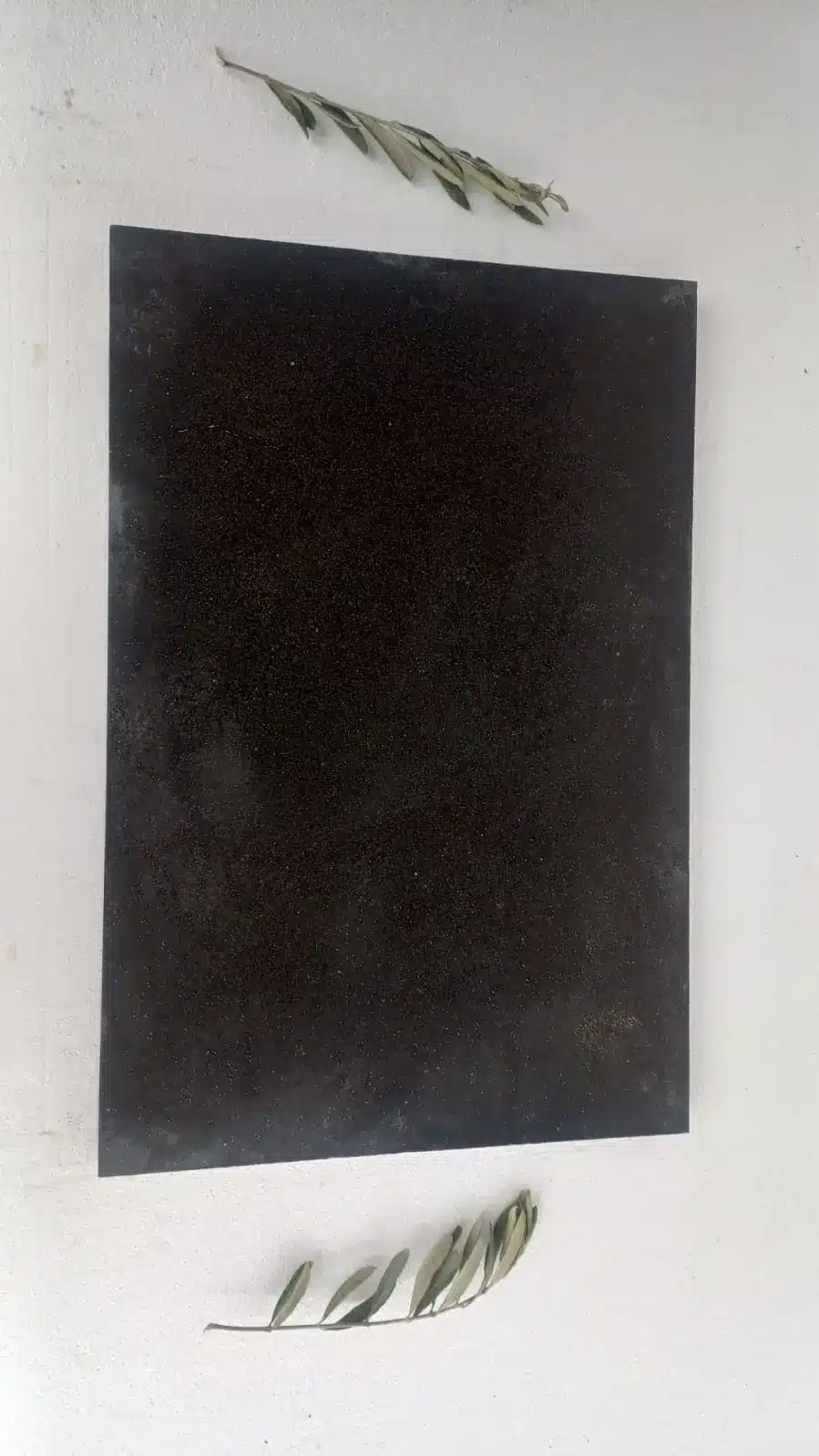
Introduction to Basalt Pavers
Basalt pavers are more than just a paving option—they’re a statement of strength and style. Formed from cooled lava, basalt is a dense, fine-grained igneous rock known for its dark, sophisticated hues, typically ranging from deep gray to near-black. Its natural properties make it a favorite for outdoor applications, offering a unique combination of beauty and resilience.
What Makes Basalt Pavers the Right Choice?
- Superior Durability: Basalt’s volcanic origins give it remarkable strength, resisting cracks, chips, and wear over time.
- Low Maintenance: Naturally stain-resistant, these pavers require little upkeep, saving you effort and expense.
- Sustainable Choice: As a natural stone, basalt is eco-friendly, quarried with minimal environmental impact.
- Design Versatility: Available in various sizes, shapes, and finishes, basalt adapts to any aesthetic, from modern to rustic.
At Citadel Stone, our basalt pavers are crafted to the highest standards, ensuring quality and performance for every project. But to unlock their full potential, you must choose the right thickness—a decision that hinges on how your pavers will be used.
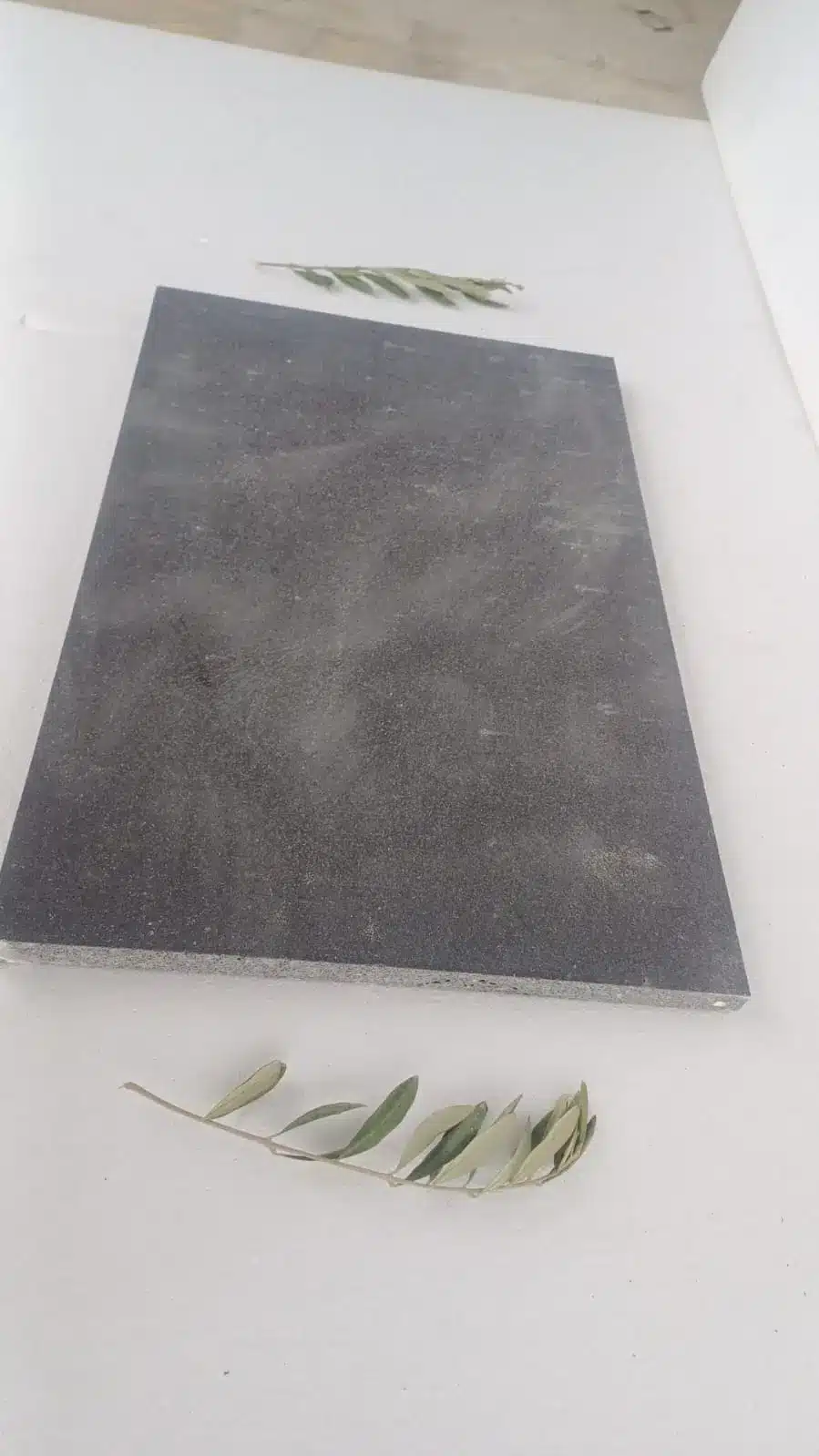
Understanding Basalt Pavers: What Sets Them Apart?
Before we dive into thickness specifics, let’s explore what makes basalt pavers a standout choice for outdoor projects.
The Origins of Basalt
Basalt begins as molten lava, cooling rapidly to form a dense, uniform rock rich in minerals like plagioclase and pyroxene. This volcanic heritage gives basalt its signature hardness and fine texture, distinguishing it from softer sedimentary stones like limestone or sandstone. Its consistency and strength make it a top pick for both residential and commercial paving.
Benefits of Basalt Pavers
- High Compressive Strength: Basalt outperforms many natural stones in load-bearing capacity, ideal for heavy-duty applications.
- Weather Resilience: It stands up to freeze-thaw cycles, intense sunlight, and heavy rain without fading or cracking.
- Uniform Aesthetic: Basalt’s subtle color variations and smooth surface create a polished, cohesive look.
- Eco-Conscious Appeal: Sourced sustainably, basalt aligns with green building practices.
These attributes make basalt pavers a smart investment, but their success depends on matching thickness to the demands of your project—whether it’s a bustling driveway or a serene walkway.
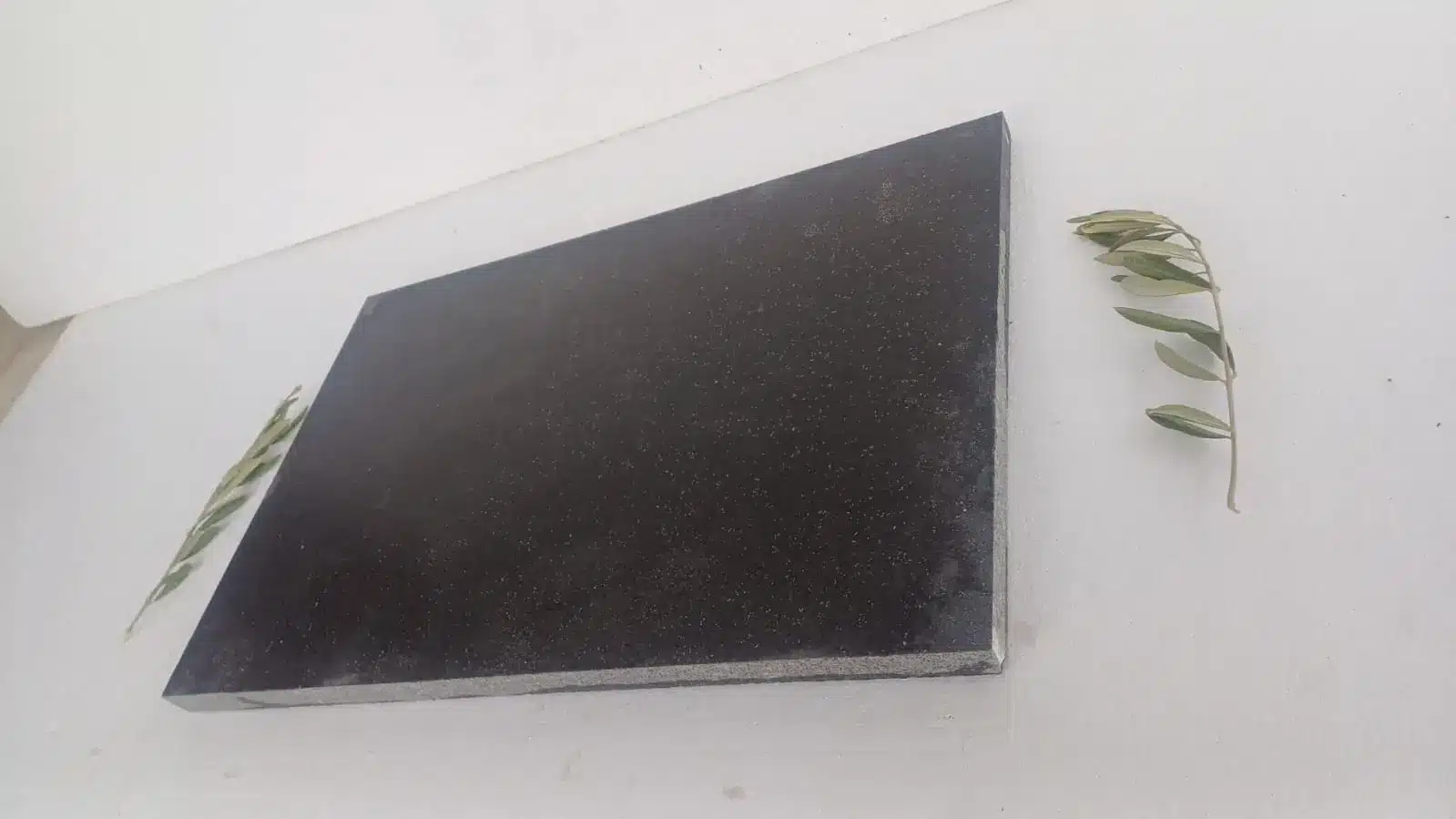
Why Paver Thickness Matters
Paver thickness isn’t a minor detail—it’s a foundational element that impacts performance, durability, and cost. Here’s why it’s so critical:
1. Load-Bearing Capacity
Thicker pavers can handle greater weight, making them essential for driveways where vehicles exert significant pressure. Thinner pavers, while lighter and more affordable, may fail under heavy loads.
2. Durability and Longevity
A thicker paver is less likely to crack or shift over time, especially in high-traffic zones. For walkways with minimal stress, thinner options still deliver lasting results.
3. Installation Requirements
Thicker pavers demand a deeper, more robust base and often professional installation, while thinner pavers are simpler to work with, even for DIY projects.
4. Cost Factors
Thicker pavers require more material and labor, increasing initial costs but reducing future repairs. Thinner pavers cut upfront expenses but may not suit every application.
By understanding these dynamics, you can choose a thickness that meets your needs without compromising quality or budget.
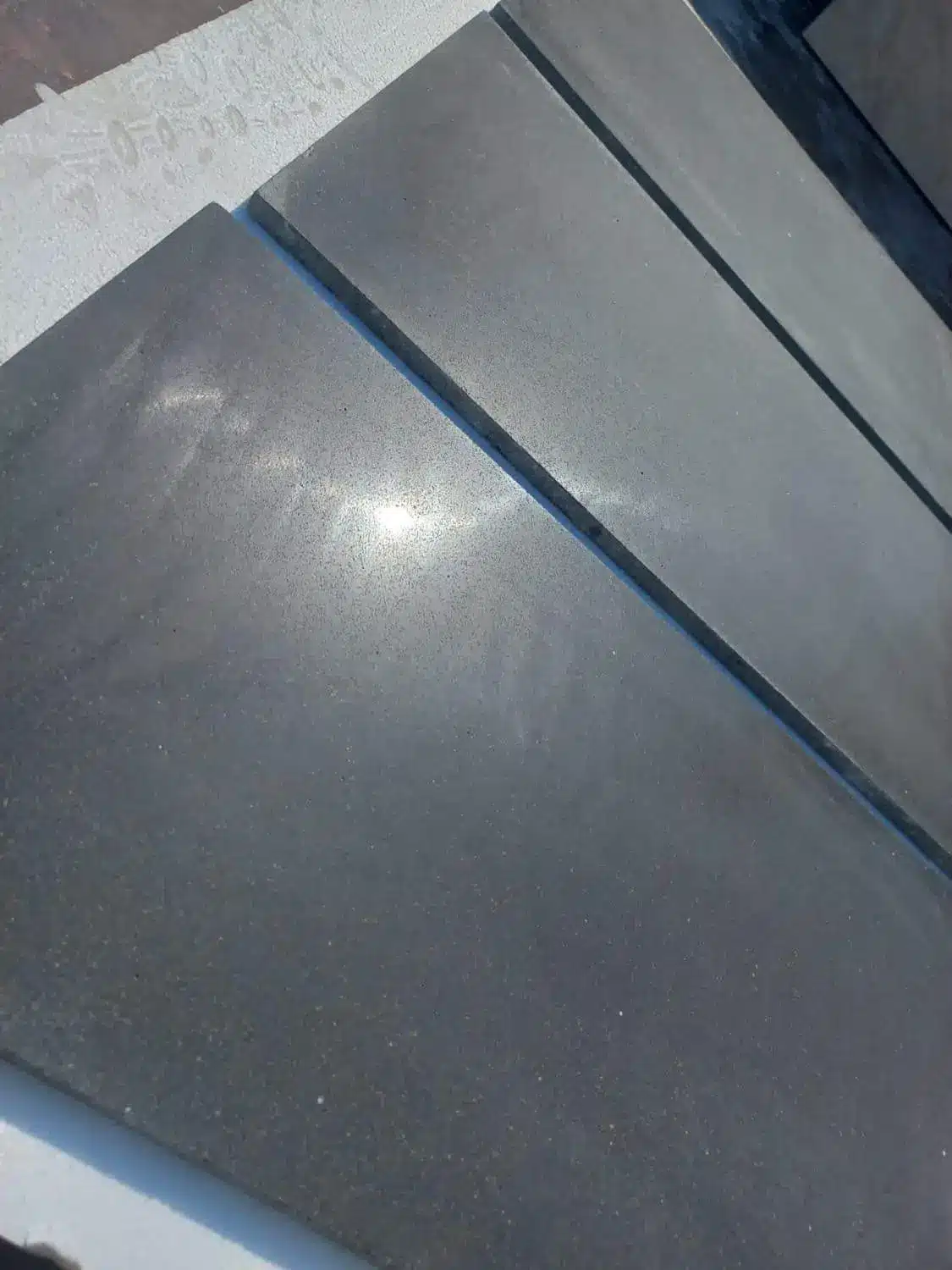
Driveways: Thickness Requirements for Heavy Loads
Driveways are the workhorses of outdoor paving, enduring constant vehicle traffic and heavy loads. To keep them functional and attractive, thicker basalt pavers are a must.
Key Considerations for Driveway Pavers
- Vehicle Weight: Driveways must support everything from compact cars to SUVs and occasional delivery trucks.
- Traffic Volume: Frequent use demands greater strength to prevent wear and tear.
- Base Stability: A solid foundation is critical to distribute weight and avoid settling.
Recommended Thickness for Driveways
For residential driveways, 2 to 3 inches (50-75 mm) is the ideal thickness range for basalt pavers. This provides the durability needed for vehicle traffic while maintaining a sleek profile.
- Light Vehicles (Cars, Motorcycles): 2 inches (50 mm) is often sufficient.
- Heavy Vehicles (SUVs, Trucks): 2.5 to 3 inches (60-75 mm) ensures extra resilience.
Pro Tip: For driveways with commercial use or extreme weather conditions, 3-inch pavers or a consultation with a structural engineer is recommended.
Installation Tips for Driveway Pavers
- Base Depth: Excavate 8-10 inches to accommodate a thick layer of compacted gravel.
- Compaction: Use a plate compactor to create a firm, even base that prevents shifting.
- Edge Support: Install concrete or metal edging to lock pavers in place under load.
With the right thickness and installation, your basalt driveway will stand up to years of use while enhancing your property’s curb appeal.
Walkways: Thickness Requirements for Lighter Traffic
Walkways, from garden paths to front entrances, experience far less stress than driveways. This allows for thinner pavers that still deliver strength and style.
Key Considerations for Walkway Pavers
- Pedestrian Use: Walkways primarily support foot traffic, requiring less load-bearing capacity.
- Design Freedom: Thinner pavers enable intricate patterns and creative layouts.
- Budget Efficiency: Reduced thickness lowers material and installation costs.
Recommended Thickness for Walkways
For most walkways, 1 to 2 inches (25-50 mm) is ideal. This range offers durability for pedestrian traffic while keeping expenses in check.
- Light Use (Garden Paths): 1 to 1.5 inches (25-40 mm).
- Moderate Use (Main Walkways): 1.5 to 2 inches (40-50 mm).
Pro Tip: If your walkway might occasionally support small vehicles (e.g., golf carts), opt for 2-inch pavers for added safety.
Installation Tips for Walkway Pavers
- Base Depth: Excavate 4-6 inches for a stable gravel foundation.
- Sand Bedding: Add a 1-inch layer of coarse sand to level the pavers.
- Creative Patterns: Try herringbone, basketweave, or running bond designs for visual flair.
Thinner pavers simplify installation and open up design possibilities, making them perfect for walkways.
Comparing Driveways and Walkways: Key Differences in Thickness Needs
While basalt pavers excel in both applications, the thickness requirements for driveways and walkways differ due to their unique purposes. Here’s a breakdown:
Load and Traffic
- Driveways: Handle heavy, moving loads from vehicles, requiring 2-3 inches of thickness.
- Walkways: Support lighter, static pedestrian loads, suitable for 1-2 inches.
Base Preparation
- Driveways: Demand a deeper base (8-10 inches) to manage weight and prevent sinking.
- Walkways: Need a shallower base (4-6 inches), reducing labor and material needs.
Cost Implications
- Driveways: Higher upfront costs for thicker pavers and extensive groundwork pay off in durability.
- Walkways: Thinner pavers and simpler prep make them more affordable.
Aesthetic Choices
- Driveways: Focus on function, often using straightforward layouts for vehicle access.
- Walkways: Prioritize beauty, allowing for decorative patterns with thinner pavers.
Matching thickness to these factors ensures your project performs as intended.
Real-World Examples: Basalt Pavers in Action
To show how thickness choices play out in practice, here are five unique U.S.-based examples of basalt paver projects.
Example 1: Coastal Driveway in Monterey, California
- Project: A 1,200 sq. ft. driveway for a beachside residence.
- Thickness: 2.5 inches (63 mm).
- Why: Supports occasional heavy loads and resists salty coastal air.
- Result: A durable, stylish driveway that enhances the home’s modern vibe.
Example 2: Urban Walkway in Chicago, Illinois
- Project: A 300 sq. ft. path in a public park.
- Thickness: 1.5 inches (38 mm).
- Why: Designed for light pedestrian use with a focus on aesthetics.
- Result: A budget-friendly, elegant walkway that ties into the park’s design.
Example 3: Mountain Driveway in Aspen, Colorado
- Project: An 800 sq. ft. driveway for a mountain retreat.
- Thickness: 3 inches (75 mm).
- Why: Built to handle snowplows and harsh winters.
- Result: A rugged, reliable driveway that withstands the elements.
Example 4: Suburban Walkway in Austin, Texas
- Project: A 500 sq. ft. front walkway for a family home.
- Thickness: 1.25 inches (32 mm).
- Why: Light use with a decorative herringbone pattern.
- Result: An affordable, eye-catching walkway boosting curb appeal.
Example 5: Commercial Driveway in Seattle, Washington
- Project: A 2,000 sq. ft. driveway for a small business.
- Thickness: 3 inches (75 mm).
- Why: Handles frequent delivery trucks and wet weather.
- Result: A professional, long-lasting surface supporting daily operations.
These cases demonstrate how thickness aligns with specific project needs, delivering both form and function.
Practical Tips for Choosing the Right Paver Thickness
Ready to pick your basalt paver thickness? These tips will help you decide with confidence:
1. Evaluate Traffic and Load
- Driveways: Choose 2.5-3 inches for regular vehicle use.
- Walkways: Stick to 1-2 inches for pedestrian traffic.
2. Plan for the Future
- Consider potential changes, like adding small vehicles to a walkway. If in doubt, go slightly thicker.
3. Weigh Cost vs. Durability
- Thicker pavers cost more initially but save on repairs. Thinner pavers are cheaper upfront but less versatile.
4. Seek Expert Advice
- For big projects, consult Citadel Stone’s team or a contractor to ensure optimal thickness and installation.
5. Account for Climate
- In cold or wet regions, thicker pavers and deeper bases prevent cracking from freeze-thaw cycles.
These steps will guide you to a thickness that fits your project perfectly.
Conclusion: Build Your Perfect Outdoor Space with Citadel Stone
Choosing the right basalt paver thickness is the foundation of a successful driveway or walkway. For driveways, 2-3 inches of thickness ensures strength under vehicle loads, while 1-2 inches works beautifully for walkways, blending affordability with durability. By understanding your project’s demands—traffic, climate, and budget—you can create an outdoor space that’s both stunning and enduring.
At Citadel Stone, we’re here to help you every step of the way. Discover our premium basalt paver collection at www.citadelstone.us and let our experts assist you in finding the perfect fit for your next project. Ready to transform your outdoor area? Contact us today!