

Grey limestone blocks buyers guide decisions come down to more than just aesthetics — the density, bedding face orientation, and compressive strength of the block you specify will determine whether your wall, plinth, or structural feature holds its geometry for decades or begins to spall and shift within a few years. Most specifiers focus on colour consistency and overlook the mechanical properties that actually govern long-term performance. Understanding where that performance comes from — and where it has limits — is what separates a well-executed installation from an expensive remediation project.
What Grey Limestone Blocks Actually Are
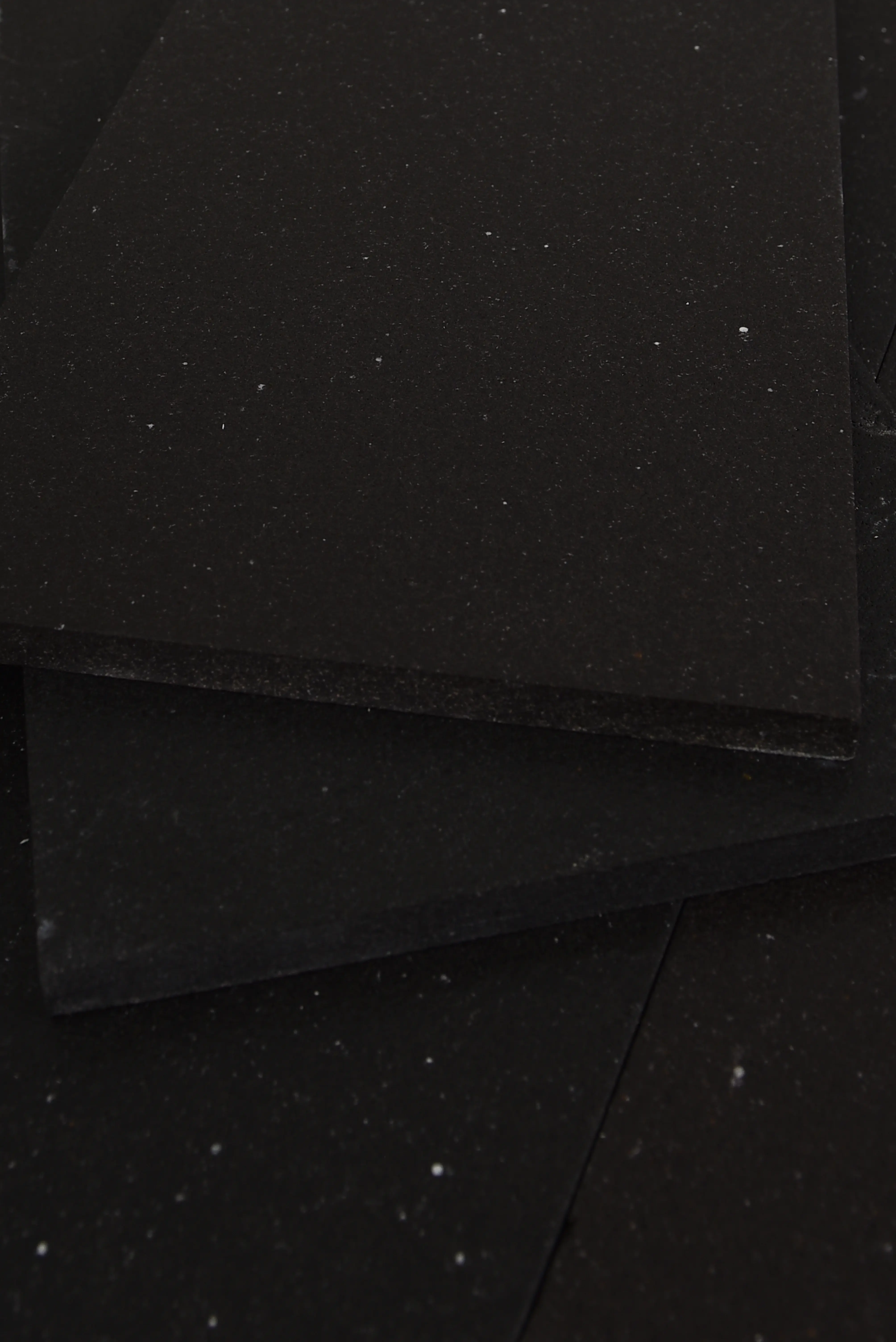
Grey limestone is a sedimentary carbonate rock composed primarily of calcite, with trace minerals — dolomite, silica, and iron compounds — responsible for the grey tones that range from pale silver to near-charcoal. The grey colour typically deepens with higher clay mineral content or organic carbon inclusions, which also affects porosity and compressive strength. Blocks quarried from denser, lower-porosity seams deliver compressive strengths in the 7,000–18,000 PSI range, while softer, higher-porosity material from the same quarry face can test as low as 3,500 PSI. That variability is why sourcing matters as much as material selection. According to NSI limestone technical specifications, density and absorption rate are the two most reliable predictors of limestone’s outdoor performance across varied loading and weather conditions.
The formation process also dictates the block’s cleavage planes. Dense, reef-origin grey limestone tends to have less pronounced bedding stratification, making it more predictable under multi-directional loading. Lacustrine limestones, by contrast, often have tight but visible bedding planes that you’ll need to orient correctly during installation — bedding face perpendicular to load, not parallel. Miss that detail and you’ll see delamination along those planes within a few freeze-thaw cycles.
Reading the Grade Specifications Before You Buy
A solid grey limestone blocks buyers guide process has to start with the technical data sheet, not the sample board. The four numbers that matter most are compressive strength (ASTM C170), water absorption (ASTM C97), modulus of rupture (ASTM C99), and abrasion resistance (ASTM C241). For structural walling applications, you want compressive strength above 6,000 PSI minimum — ideally 9,000 PSI or higher for anything load-bearing. Water absorption below 3% by weight positions the block well for exposure to freeze-thaw cycling and wind-driven rain infiltration.
- Compressive strength above 9,000 PSI for load-bearing applications; 6,000 PSI minimum for decorative walling
- Water absorption below 3% for freeze-thaw climates; below 5% is acceptable for mild-climate installations
- Modulus of rupture above 900 PSI for cantilevered elements, steps, or any spanning application
- Abrasion resistance HA rating of 10 or higher when blocks will face regular foot or vehicle contact
- Density above 155 lb/ft³ correlates reliably with improved impact resistance and reduced wind-driven rain infiltration
The USGS limestone composition data confirms that calcite purity above 85% typically correlates with higher compressive strength and lower absorption — useful context when a supplier can only provide quarry origin rather than a full test report. Ask for both whenever possible.
Sourcing and Supply Chain: What to Verify Early
Grey limestone blocks ship in significant weight per pallet — typically 2,200 to 3,300 lbs per layer depending on block dimensions — so your truck access constraints and site delivery logistics should be confirmed before you lock in lead times. A crane-offload requirement or a long haul from the street to the installation zone adds cost and time that doesn’t show up in the material quote. Verify warehouse stock levels before committing your project timeline, particularly for larger orders where partial shipments can stall work mid-installation.
At Citadel Stone, we source grey limestone blocks from quarries across Europe and selected quarries from the Middle East, running incoming material through dimensional and absorption checks at our warehouse before stock is released for order fulfillment. That quality-control step catches batches where colour or density deviates from spec — something that’s very hard to detect from a small sample but becomes obvious when 40 pallets arrive on a truck and the middle third is noticeably lighter in tone and softer to the touch. You can browse our grey limestone block range to review available stock dimensions, finishes, and technical data before submitting a specification.
Block Dimensions and Coursing Decisions
Standard grey limestone block dimensions for walling applications typically run 12″ × 6″ × 4″, 16″ × 8″ × 4″, and 24″ × 12″ × 6″ — though many quarries offer custom-cut sizing for projects requiring specific coursing heights or ashlar patterns. Your coursing decision affects not just aesthetics but structural behaviour: taller blocks with a higher aspect ratio are more susceptible to toppling loads from lateral wind pressure unless the wall includes adequate tie-back or mass-to-height ratio.
- For freestanding walls above 3 feet, maintain a base width of at least one-third the wall height
- Staggered vertical joints by a minimum of one-third the block length in every course
- Use a running bond or English bond for structural walls — stack bond concentrates stress at vertical joints and performs poorly under wind loading
- Confirm block tolerances: ±⅛” on face dimensions and ±¼” on depth is the standard for quality-cut grey limestone blocks
- For retaining wall applications, batter the wall face at least 1″ per foot of height to improve resistance to lateral earth pressure
Dimension variation beyond ±¼” in depth causes uneven bed joint thicknesses, which creates stress concentrations at the thinnest mortar sections — a common cause of horizontal cracking in grey limestone walling that gets misattributed to material quality rather than dimensional inconsistency.
Finish Selection and Surface Performance
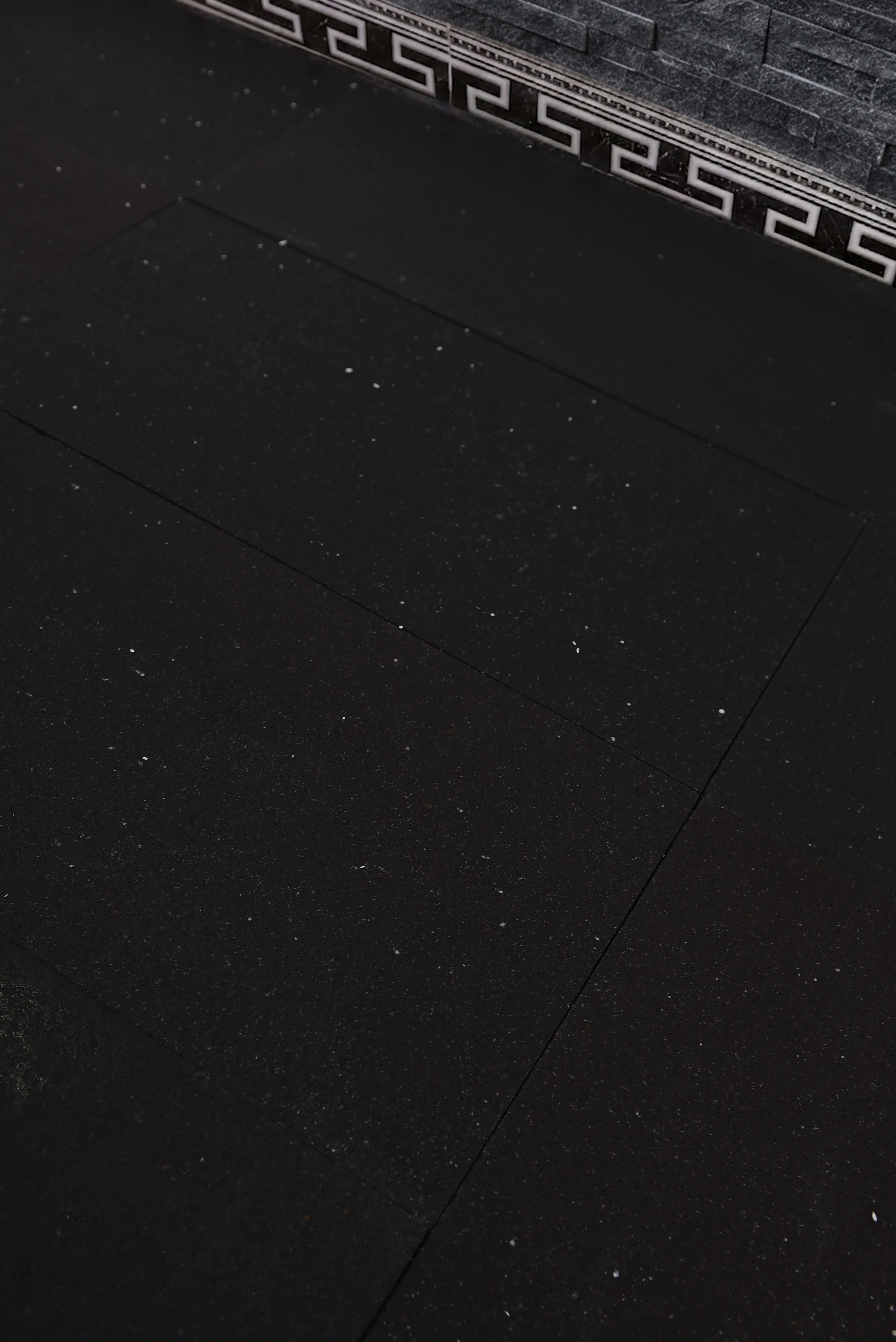
Grey limestone blocks are available in sawn, honed, bush-hammered, split-faced, and tumbled finishes — each with different performance implications beyond aesthetics. Split-faced and bush-hammered surfaces provide superior grip and are the right choice for steps, retaining wall caps, and any horizontal surface that will see foot traffic. Sawn and honed finishes increase surface contact area for mortar adhesion, making them preferable for faces that will be set into a structural mortar bed.
The finish also affects how grey limestone stone responds to wind-driven rain. A split-faced surface has micro-relief that can trap wind-borne moisture, keeping the face wetter for longer after a storm event — relevant in climates where wetting and drying cycles are frequent. Honed faces shed water more efficiently but may show efflorescence more visibly when calcium carbonate leaches to the surface through a porous mortar joint. Neither outcome is a material failure, but knowing which surface behaviour fits your project context saves you from complaints that were entirely predictable.
According to Britannica’s overview of limestone formation and characteristics, the calcite matrix in limestone is chemically reactive with acidic solutions — including rainwater in urban environments with elevated CO₂ levels — which gradually etches the stone surface over decades. A honed finish will show this etching slightly earlier than a textured split-face, but the overall material loss rate is comparable.
Wind, Storm Resistance, and Installation Integrity
Grey limestone blocks perform well under wind loading when the installation is detailed correctly — but the details matter enormously. Freestanding grey limestone walls without reinforcement or adequate mass are vulnerable to overturning if wind loads are underestimated. For walls in open or elevated sites where sustained winds regularly exceed 60 mph or storm gusts can reach 90 mph or more, your specification should address edge restraint, mortar joint depth, and the wall’s structural mass explicitly.
- Use a full mortar bed rather than spot bedding for any grey limestone block wall in a wind-exposed location
- Mortar joint depth should be a minimum of ¾” to provide sufficient bond area against shear forces from wind pressure
- Cap stones on freestanding walls must be mechanically anchored or significantly heavier than the coursing blocks — wind uplift on flat cap surfaces is consistently underestimated
- Joint integrity under wind-driven rain depends on mortar type: Type S mortar (1,800 PSI compressive minimum) outperforms Type N for exposed exterior applications
- Hail impact on grey limestone blocks rated above 9,000 PSI compressive strength is generally not a structural concern — pitting of surface finishes is possible but does not compromise structural integrity
- For retaining walls in storm-prone environments, install weep holes at 4-foot horizontal intervals to prevent hydrostatic pressure buildup after heavy rain events
The interaction between wind-driven rain infiltration and mortar joint porosity is worth particular attention on north-facing wall faces where drying is slower. Saturated joints that freeze overnight expand and crack — it’s the combination of moisture infiltration and temperature drop, not either factor alone, that causes most joint deterioration in exposed grey limestone walling.
Sealing and Maintenance Planning
Sealing grey limestone blocks is a legitimate performance decision, not just a cosmetic one — but the right sealant type depends entirely on the block’s absorption rate and the application context. For blocks with absorption rates above 4%, a penetrating silane-siloxane sealer reduces water ingress without creating a surface film that can delaminate. For very dense grey limestone stone with absorption below 1.5%, a topical sealer provides limited additional benefit and can actually trap moisture in the substrate if the installation has subsurface water movement.
Your maintenance cycle for sealed grey limestone blocks should include reapplication every three to five years for exterior applications, with an inspection of mortar joints annually. Joint repointing is often more important than resealing — a compromised mortar joint allows water pathways that no surface sealer can address. For grey limestone used in wall applications with a mortar bed, plan for partial repointing at 15–20 year intervals regardless of how well the stone itself has held up.
Installations used in high-traffic paving or stepping stone applications will show wear on honed surfaces within 10–15 years under heavy foot traffic. Bush-hammered or textured finishes extend the useful appearance life considerably because the micro-relief masks wear more effectively. Factor this into your finish selection if the installation is in a commercial or high-pedestrian context.
Ordering, Logistics, and Project Planning
Confirm your required quantity with a 10–15% overage factored in for cutting waste, colour selection during installation, and future repair stock. Grey limestone blocks are a natural material — dye lots vary between quarry pulls, and matching replacement material years after the original installation is genuinely difficult. Holding back a partial pallet from the original delivery costs far less than sourcing a close-but-not-matching replacement later.
Lead times from warehouse stock for standard grey limestone block dimensions are typically one to two weeks for most national delivery points. Custom-cut orders sourced directly from quarry add four to eight weeks depending on origin and current production schedules. Factor that into your project programme and communicate clearly with your masonry contractor — delayed material arrival that stalls a crew is significantly more expensive than slightly expedited shipping costs. Citadel Stone maintains consistent national inventory across common grey limestone block formats, which reduces the risk of mid-project stock gaps.
- Order at least 10% overage on cut-to-size blocks; 15% for irregular or custom formats
- Confirm pallet weight and truck access requirements with your delivery coordinator before scheduling
- Store blocks on a flat, drained surface off direct ground contact — staining from groundwater and soil contact is very difficult to remediate after installation
- Inspect each pallet on delivery for dimensional consistency and colour grouping before the truck leaves the site
- Segregate any blocks with visible bedding plane defects or edge chipping before installation begins
Getting Your Grey Limestone Block Specification Right
The grey limestone blocks buyers guide process should move in a clear sequence: confirm technical specifications before aesthetics, verify sourcing and dimensional consistency before committing lead times, and detail the installation for your specific exposure conditions — wind, moisture, and loading — rather than relying on generic masonry guidelines. Grey limestone stone is a highly resistant and exceptionally durable material when the specification matches the application, and genuinely underperforms when it doesn’t. The material doesn’t fail — misspecified installations do. Beyond walling and structural applications, grey limestone performs across a wide range of project types, and if you’re considering interior applications as part of the same project scope, a look at common grey limestone floor issues and fixes gives you practical guidance on what to watch for when the material transitions from exterior to interior use. Landscape contractors sourcing from Citadel Stone note that properly graded grey limestone blocks seat more uniformly, reducing mortar adjustment time during wall construction.
Related reading: thala grey limestone · grey limestone color guide · Honed Grey Limestone Finishes: Honed vs Tumbled.