

What Price Range Actually Means for Limestone Quarry Blue Pavers
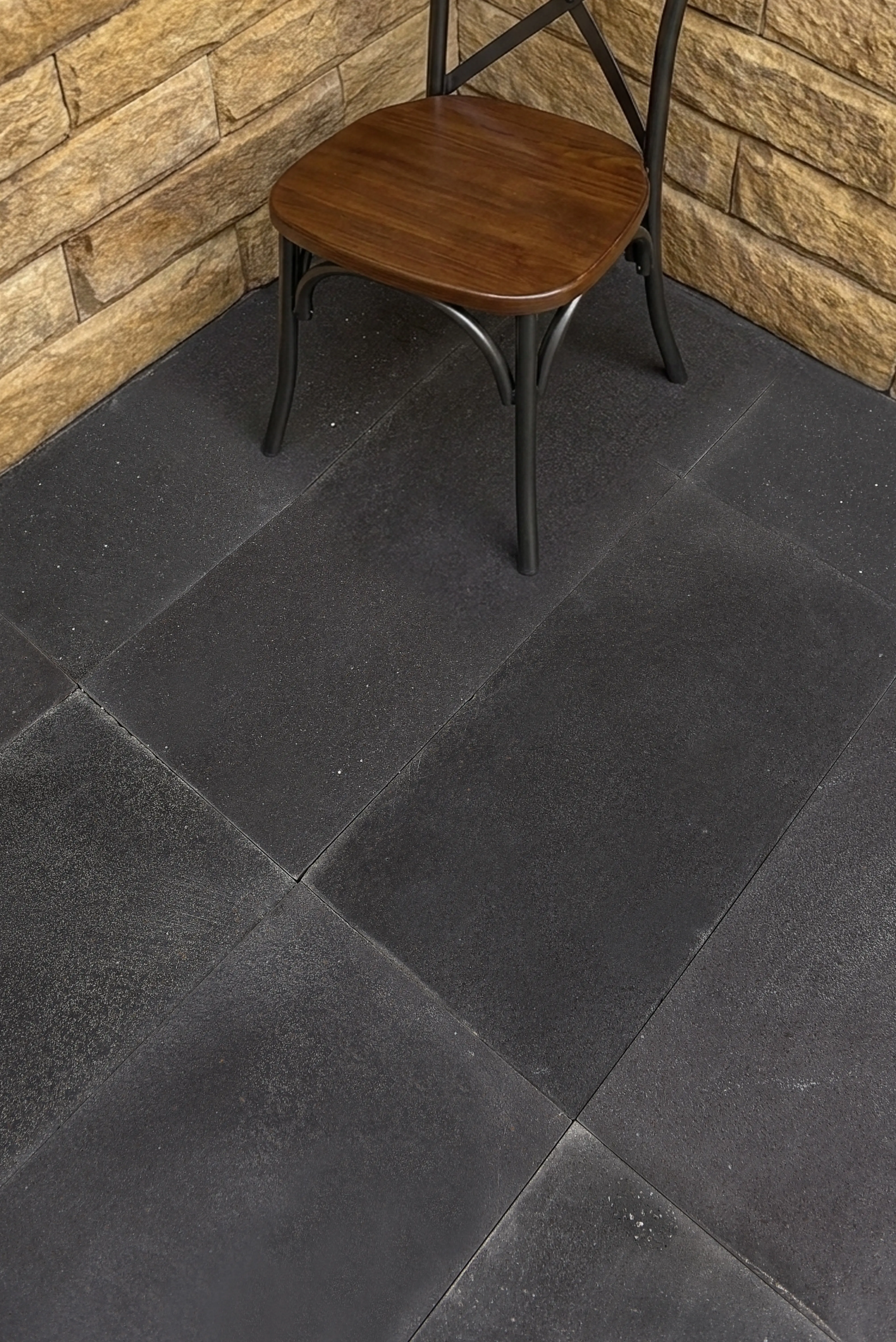
Limestone quarry blue pavers sit in a pricing band that genuinely rewards careful specification — the difference between a $4-per-square-foot material and a $12-per-square-foot slab isn’t always thickness or origin. It’s often finish, calibration tolerance, and the sourcing depth that determines whether your delivery matches your sample. You’ll find that pricing transparency breaks down fastest when buyers conflate supply-chain tiers, so understanding what each cost layer represents is the first practical step toward a defensible project budget.
The material itself arrives from quarries across several regions — primarily selected quarries from the Middle East and parts of Europe — and quarry-gate pricing alone can swing 30–40% based on bed consistency and colour saturation. According to NSI limestone specifications, limestone’s variable mineral composition directly affects how consistently colour holds across a batch — a detail that matters enormously when you’re matching limestone quarry blue pavers across a large installation. Your spec sheet should lock in L*a*b* colour tolerance, not just a general description like “blue-grey.”
Cost Per Square Foot: Breaking Down the Real Numbers
Realistic pricing for limestone quarry blue pavers in 2024–2025 runs between $4.50 and $14.00 per square foot for the raw material, depending on thickness, finish, and batch size. Here’s how those tiers actually stack up in practice:
- Entry-level sawn-cut blue limestone, 20mm nominal thickness, unfilled: $4.50–$6.50 per square foot — suitable for low-traffic garden paths where precise calibration is less critical
- Mid-grade honed finish, 30mm, filled and calibrated: $7.00–$9.50 per square foot — the most common specification for residential patios and commercial walkways requiring consistent foot traffic performance
- Premium bookmatched or hand-selected colour-consistent slabs, 40mm+: $10.00–$14.00 per square foot — reserved for feature installations where aesthetic uniformity justifies the premium
- Tumbled finish variants add approximately $1.50–$2.50 per square foot over the equivalent honed price, reflecting additional processing time at the quarry facility
- Oversized formats (600×900mm and larger) carry a 15–25% upcharge over standard 400×400mm or 600×600mm modules due to increased breakage risk in transit
These figures represent material cost only. You’ll need to add freight, base preparation, bedding layer, grout or jointing compound, and sealer — which routinely push total installed cost to $22–$40 per square foot depending on your site’s complexity.
Thickness and Application: How They Drive Your Cost Decision
Thickness selection isn’t a preference — it’s a load-path calculation that directly determines which price tier you’re working in. For pedestrian-only applications on a prepared aggregate base, 20mm limestone quarry blue pavers perform adequately when the base achieves 95% Proctor compaction. Drop to 85% compaction and you’ll see joint cracking within 18–24 months regardless of thickness, so your base specification matters as much as the stone spec itself.
Vehicular applications require a minimum 40mm paver thickness, with most specification writers moving to 50mm when the application includes heavy SUVs or light commercial vehicles. That jump from 30mm to 40mm adds roughly $2.50–$4.00 per square foot to your material cost, but skipping it adds a line item for replacement stone within five years. The USGS limestone composition data confirms that dense limestone varieties — which include most quarry blue grades — exhibit compressive strengths in the 8,000–16,000 PSI range, making them inherently capable of vehicular service when properly supported.
- 20mm: pedestrian paths, covered terraces, areas with engineered sub-base
- 30mm: standard residential patios, pool surrounds, moderate foot traffic commercial zones
- 40mm: driveways, vehicular access points, public plazas with frequent foot traffic
- 50mm+: loading zones, areas subject to point loads from furniture dollies or pallet jacks
Finish Options and Their Cost Implications
Your finish choice locks in three things simultaneously: aesthetic outcome, slip-resistance rating, and maintenance commitment. Honed blue limestone delivers a consistent matte surface and less texture than a brushed or tumbled finish — verify against the 0.42 wet DCOF minimum of ANSI A326.3 if the zone sees regular moisture. Sawn-cut finishes come in slightly cheaper because they skip the grinding pass, but they show saw marks that some clients find acceptable and others reject outright after seeing physical samples.
- Sawn-cut: lowest cost finish, directional texture visible, DCOF 0.40–0.48 dry — acceptable for most ground-level pedestrian zones
- Honed: mid-range cost, smooth matte appearance, most popular finish for residential and boutique commercial projects
- Sandblasted: adds $1.00–$2.00 per square foot over honed, creates a textured open surface ideal for wet environments and pool surrounds
- Brushed: aged appearance, similar price to sandblasted, preferred when the installation needs to complement existing natural stone elements
- Flamed: thermal process that opens the surface texture aggressively — excellent slip resistance, adds $2.50–$3.50 per square foot, and changes the colour tone slightly toward a lighter grey-blue
At Citadel Stone, we recommend requesting wet DCOF test data specific to the finish and batch you’re specifying — not generic product-line data — because bed variation within a quarry can shift surface texture measurably from run to run.
Drainage Design and Base Preparation: Where Hidden Costs Live
Here’s what most project budgets miss entirely: the base preparation cost for limestone quarry blue pavers can equal or exceed the material cost itself, particularly in regions that see significant seasonal rainfall or unpredictable storm events. In areas with monsoon-season precipitation patterns, heavy hurricane-season rain, or prolonged wet winters, an undersized drainage specification is the single most common cause of paver failure — and it never shows up as a line item in low-bid proposals.
Proper drainage design for quarry blue pavers in high-rainfall zones requires a minimum 150mm compacted aggregate sub-base (200mm recommended where freeze-thaw cycling compounds drainage stress), a 1–2% cross-fall to direct surface water away from structures, and French drain placement at no more than 4-metre intervals in low-gradient applications. Skipping the French drain saves roughly $8–$12 per linear metre upfront; replacing undermined pavers costs four to six times that figure. The base layer alone typically runs $8–$18 per square foot installed, depending on depth and whether the existing soil requires geotextile stabilisation.
You can review limestone’s geological properties to understand why the material itself handles water cycling well — its crystalline matrix is more dimensionally stable under repeated wetting and drying than many sedimentary alternatives. The vulnerability isn’t the stone; it’s always the base. Plan the drainage geometry first, then select your paver thickness and finish to match the application.
Volume Pricing and Order Quantities: Where Budget Efficiency Lives
Pricing for limestone quarry blue pavers responds significantly to order volume. Most suppliers operate on break-point pricing with meaningful jumps at the following thresholds:
- Under 50 square metres: standard retail price — expect to pay full per-square-foot rates plus minimum-order surcharges
- 50–150 square metres: first volume discount tier, typically 8–15% below retail, often the most common bracket for residential patio and pool surround projects
- 150–500 square metres: commercial pricing tier, 15–25% reduction — this is where project economics shift substantially in your favour
- 500+ square metres: direct-import pricing may become accessible, with further reductions of 10–20% depending on quarry relationships and warehouse stock levels
Citadel Stone’s warehouse inventory model means you’re not waiting on a custom quarry order for mid-range quantities. Standard sizes and finishes ship from existing stock, which compresses lead times from the 10–14 weeks typical of a direct import order down to 5–10 business days for most pallet quantities. That lead-time compression has real budget value — it eliminates the carrying cost of holding other materials on site while waiting for pavers.
Plan your order quantities carefully before committing to a supplier. Ordering 10% overage is standard practice for natural stone — colour and texture variation between production batches means a mid-project top-up order may not match your original material, regardless of how precisely the quarry specifies the product. Order your full requirement plus overage from a single batch, verify your warehouse allocation before signing off on the project schedule, and confirm truck delivery access at the site before the pallet shipment is dispatched.
Comparing Quarry Blue Limestone to Alternative Materials on a Cost Basis
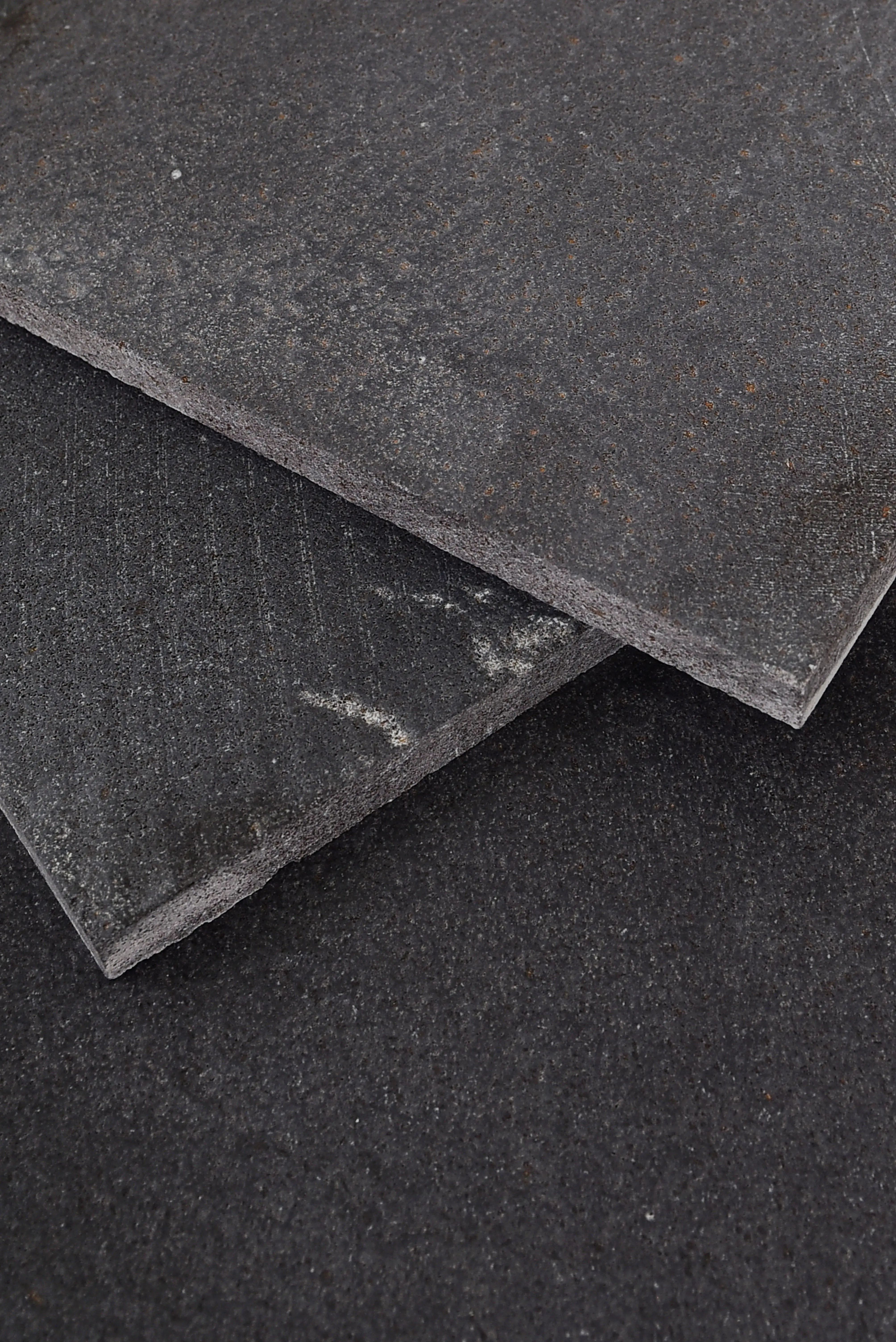
The cost conversation around limestone quarry blue pavers only makes sense when you compare it against realistic alternatives for the same application. Concrete pavers in a grey-blue tone run $3.50–$6.00 per square foot installed but require resealing every 3–4 years and show UV bleaching within 5–7 years in high-sun environments. Porcelain tile in a stone-effect finish runs $8.00–$16.00 per square foot installed and eliminates maintenance concerns — but it lacks the thermal mass behaviour and visual depth that quarry blue limestone delivers, and it chips rather than wearing gradually under impact.
- Concrete pavers: lower upfront cost, higher long-term maintenance, colour inconsistency over time
- Porcelain tile: comparable material cost at premium grades, zero porosity (which creates drainage challenges in outdoor applications if falls aren’t precise), minimal colour variation
- Sandstone: similar price range to blue limestone, softer matrix (lower compressive strength — typically 4,000–8,000 PSI), more vulnerable to freeze-thaw cycling and acid etching
- Basalt pavers: higher material cost ($10.00–$18.00 per square foot), superior hardness and scratch resistance, heavier to handle during installation
- Limestone quarry blue pavers: mid-range cost for material, 20–30 year service life with proper installation and biennial sealing, genuine colour depth that improves with controlled patination
The 20–30 year performance horizon for quarry blue limestone is honest, not promotional — but it requires you to maintain perimeter edge restraints, keep joints filled to 90% capacity or better, and reseal on a two-year cycle with a penetrating silane-siloxane product rather than a film-forming sealer that traps moisture below the surface.
Installation Cost Variables You Need to Factor In
Material cost is only one number in a cost-per-square-foot calculation. Your installed cost will include several variables that shift significantly based on site conditions:
- Sub-base excavation depth: if existing soil is clay-heavy or poorly drained, expect 50–100mm of additional excavation depth, adding $3–$7 per square foot to groundwork costs
- Bedding layer specification: dry-pack mortar beds (25–35mm) run slightly more than compacted sharp sand, but they provide better point-load distribution for thinner pavers
- Joint type: open gravel joints (permeable design) cost less to install than tight mortar joints but require annual top-up maintenance; resin-bound jointing compounds add $1.50–$3.00 per square foot installed
- Pattern complexity: straight coursed layouts (running bond or stacked joint) are the least labour-intensive; diagonal patterns or herringbone layouts add 15–25% to installation labour cost
- Site access constraints: if your truck delivery can’t reach within 20 metres of the installation zone, manual handling costs increase meaningfully — verify access before finalising delivery logistics
- Sealer application: budget $0.80–$1.50 per square foot for initial sealer application by a qualified contractor using penetrating silane-siloxane formulations appropriate for limestone porosity ranges
You can explore our quarry blue paver options to verify current format availability and calibration tolerances before locking your specification into a tender document.
Specifying Limestone Quarry Blue Pavers for Long-Term Value
The most reliable indicator of long-term value in limestone quarry blue pavers isn’t price per square foot — it’s the combination of calibration consistency, compressive strength documentation, and sourcing transparency. A supplier who can provide quarry-specific test data for water absorption (ASTM C97), compressive strength (ASTM C170), and modulus of rupture (ASTM C99) is giving you the information you need to write a defensible specification. A supplier who offers only a product description and a colour chip is asking you to assume risk on behalf of your client.
Water absorption for quality quarry blue limestone typically falls between 0.5% and 3.0% by weight — lower values indicate denser material with better resistance to staining and freeze-thaw cycling. Material at the high end of that range (2.5–3.0%) still performs well in dry climates and covered applications but needs more rigorous sealing protocols and more attentive drainage design in wet-climate applications. In areas subject to drought-flood precipitation cycles — increasingly common across much of the country — that absorption differential matters more than it used to, because rapid wetting of previously dry stone creates thermal and hydrostatic stress at the pore level that accelerates micro-fracturing over time.
Your long-term cost calculation should include: material, installation, sealer at year zero, resealing at years two, four, six, and beyond, plus a contingency allowance for edge units lost to impact or ground movement. Over a 25-year horizon, a properly installed and maintained quarry blue limestone installation typically delivers lower total cost of ownership than concrete or porcelain alternatives in the same application — not because the material is inexpensive, but because replacement cycles are far less frequent when the spec is right from the start. For projects incorporating complementary natural stone across multiple areas, how bluestone slab compares covers useful specification differences worth reviewing alongside your quarry blue limestone selection.
Budgeting Limestone Quarry Blue Pavers: The Complete Picture
Budgeting accurately for limestone quarry blue pavers means working through material cost, base preparation, drainage design, installation complexity, and long-term maintenance as a single connected calculation — not a series of isolated line items. The material’s performance ceiling is genuinely high: dense quarry blue limestone sourced from consistent Middle East quarries and properly installed on a well-drained base will outlast most alternatives in the same application by a decade or more. What shortens that lifespan isn’t the stone — it’s under-specified bases, neglected drainage, and inconsistent maintenance. Get those three variables right and the cost-per-year figure for quarry blue limestone becomes one of the most defensible numbers in your specification. Stone for nationwide projects ships in mixed-size packs, letting Citadel Stone customers plan quarry blue paver budgets precisely.
Related reading: blue sandstone · blue limestone countertops · pavers with black border.