Material Selection Sets the Tone
The single variable that separates a cohesive patio stepping stones design from a disjointed one isn’t spacing or pattern — it’s stone type, and specifically how the material’s surface texture interacts with surrounding groundcover. Patio stepping stones ideas tend to look effortless in finished photos, but the underlying choices around thickness, finish, and porosity are doing a lot of heavy lifting. Lock down your material before committing to a layout, because reversing that decision mid-project costs time and money that wasn’t budgeted for.
Natural stone options worth serious consideration include limestone, bluestone, slate, and irregular flagstone. Each carries a distinct visual character and a very different performance profile depending on whether you’re setting them into grass, gravel, or decomposed granite. Bluestone delivers a clean, contemporary edge with reliable density above 150 lbs/ft³, while limestone brings warmth and a softer, more organic palette that pairs exceptionally well with planted borders.
Patio with Stepping Stones in Grass
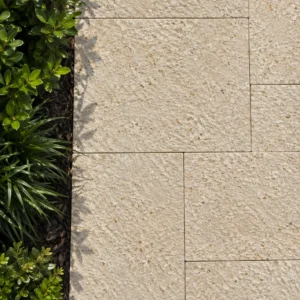
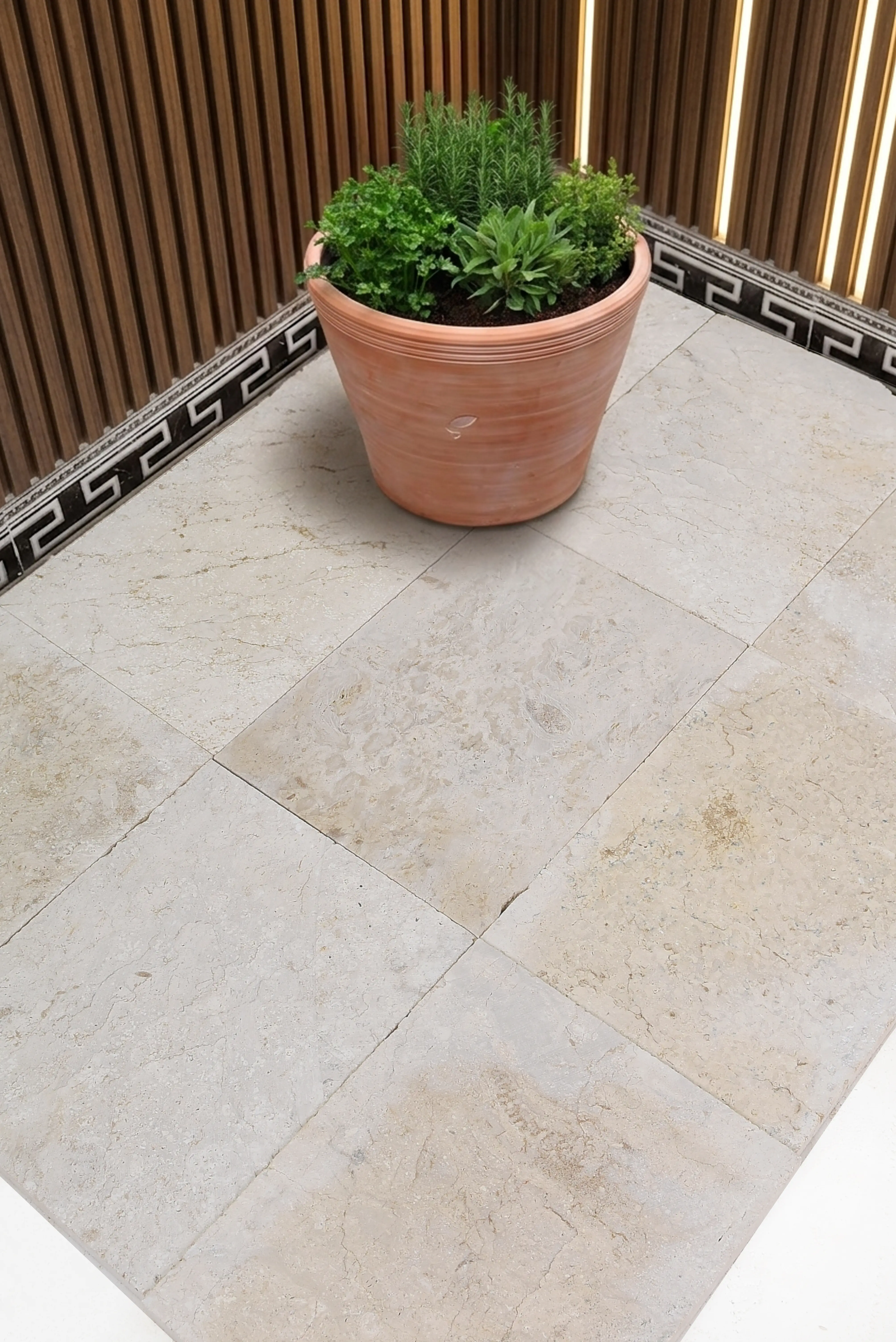
A patio with stepping stones integrated into a grass lawn is one of the most visually satisfying approaches in residential hardscape — but it demands more precision than it appears. Stone thickness needs to sit between ½ inch below and flush with the turf surface. Go lower and you create a mowing hazard; go higher and you produce a tripping edge that’s a liability in wet conditions.
The base preparation underneath each stone matters far more than most people expect. A minimum 2-inch compacted sand or fine aggregate bed is required for each stone, regardless of stone weight. In areas with expansive clay soils, increase that to a 3-inch stabilised sand-and-gravel blend — clay heave over freeze-thaw cycles will tilt individual stones and break sight lines within a season or two if that step is skipped.
- Set stones at stride-length intervals — typically 18 to 24 inches center-to-center for adult-stride comfort
- Use a minimum 1.5-inch stone thickness for grass settings to resist cracking under foot traffic and lawn equipment
- Cut the grass outline with a spade before excavating to keep clean edges that hold their definition through the growing season
- Check level in two directions — a 1–2% cross-slope on each stone sheds water without creating a visible tilt
According to ASLA natural stone walkway and stepping stone design guidance, permeable stone installations in turf significantly reduce localized runoff when set with appropriate gaps and granular beds. That’s not just an environmental benefit — it directly protects the lawn from pooling, which degrades both the turf and the base beneath the stones over time.
Patio Ideas with Stepping Stones in Gravel
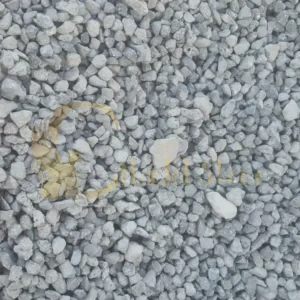
Gravel settings are the most forgiving medium for patio stepping stones ideas, and for good reason — the drainage is built in. A well-graded 3/8-inch or pea gravel bed at 3 to 4 inches deep gives stones a stable resting surface while allowing rainfall to move freely through without saturating the surrounding grade. This matters significantly in regions with intense seasonal rainfall patterns, where a poorly drained patio perimeter can undermine even heavy-gauge stone within a few storm cycles.
The design opportunity in gravel settings is the visual contrast between the rough, loose aggregate and the flat plane of the stone. Larger format stones — 18×24 inches or 24×24 inches — read most powerfully in gravel because the scale relationship between stone and ground material creates a deliberate hierarchy. Smaller stepping stones in gravel tend to look accidental rather than designed.
- Use angular gravel rather than round pea gravel where possible — angular aggregate interlocks and resists stone migration better
- Bed each stone individually on compacted aggregate; don’t simply drop them into loose gravel
- Maintain at least a 1-inch gravel depth above the hardpan base to allow drainage movement
- Edge the gravel area with a metal or stone border to prevent lateral spread that gradually swallows stone edges
For patio ideas with stepping stones that use irregular flagstone in gravel settings, the Citadel Stone irregular flagstone range offers thickness consistency that’s harder to achieve sourcing locally — warehouse-controlled inventory means stone arrives within a tight thickness tolerance, which makes bedding depths predictable rather than a guessing game on-site.
Stepping Stones for Patio: Spacing and Pattern Logic
Spacing decisions depend on two factors that should be resolved before any stone hits the ground: function and flow. A stepping stone path that crosses a lawn to reach a back gate needs to prioritize stride comfort — 18 to 22 inches on center covers most adults without a shuffling gait. A decorative patio accent that frames a seating area can compress spacing to 12 to 14 inches for a more layered, mosaic-like composition.
Pattern geometry matters for the overall reading of patio ideas with stepping stones. A straight-line grid suits modern and minimalist architecture. A gentle arc or free-form curve reads more naturalistic and tends to integrate better into established planting beds. Mixed-size stepping stones in an irregular offset pattern — sometimes called a crazy-pave layout — work well for large gravel patios because the variation draws the eye across the entire space rather than directing it along a single axis.
- Mark the layout with sand or spray paint before excavating — walk it at normal pace and adjust spacing to actual stride, not a measured ideal
- Odd numbers of stones in a curve or cluster typically read better than even numbers — a design convention worth following
- Vary stone sizes within the same project for visual interest, but keep thickness consistent for a clean finished level
- Allow at least 6 inches of clearance between stepping stones and adjacent hard edges like raised beds or walls to prevent water trapping and plant root intrusion
Drainage and Base Preparation for Lasting Results
Base preparation is where stepping stone installations succeed or fail over the medium term. This is particularly true in regions with monsoon-season downpours, hurricane-adjacent rainfall, or extended wet winters — environments where sustained moisture saturation can destabilize even well-compacted aggregate beds. The fix isn’t complicated, but it’s non-negotiable: the excavated bed needs to be graded away from any adjacent structure at a minimum of 1% slope, and the aggregate fill needs to be angular and well-drained, not clay-heavy fill.
The ADA walkway surface firmness and accessibility standards provide useful benchmarks for surface stability even on private residential paths — a firm, stable surface that doesn’t shift under load is the design standard to hold regardless of code jurisdiction. An individual stepping stone that rocks underfoot isn’t just uncomfortable; it’s a progressive failure mode that accelerates edge chipping and sub-base erosion with every cycle of use.
- Excavate to a minimum of 4 inches below finished grade — 6 inches in areas with clay-dominant or high-expansion soils
- Compact a 2-inch granular base layer before placing any bedding sand or fine aggregate
- Slope each individual stone slightly (1–2%) in the direction of intended drainage flow
- In regions with intense rainfall events, consider a French drain channel at the low end of the stone run to intercept sheet flow before it undermines the base
Finish and Texture Options That Work Outdoors
Surface finish is a safety and performance decision as much as an aesthetic one. Honed finishes look refined but can become genuinely hazardous in wet conditions, particularly on smooth limestone or polished slate. For outdoor stepping stone applications — especially in any climate that sees significant rainfall or dew accumulation — a natural cleft, sandblasted, or tumbled finish gives a coefficient of friction that keeps foot traffic safe without ongoing maintenance interventions.
The CDC slip-and-fall prevention guidelines for outdoor walking surfaces recommend a coefficient of friction no lower than 0.6 for wet outdoor walking surfaces. Natural-cleft flagstone and tumbled limestone consistently meet or exceed this threshold without surface treatment, which is one practical reason to favour natural finishes over processed ones for stepping stone applications.
- Natural cleft slate and flagstone deliver the most pronounced surface texture with minimal maintenance requirement
- Tumbled limestone edges eliminate sharp corners that can chip or crumble, especially in freeze-thaw climates
- Sawn-cut stone with a brushed or sandblasted finish balances a contemporary look against practical outdoor traction
- Avoid polished or honed finishes for stepping stone paths — reserve those surface treatments for covered patios or indoor applications
Natural Stone Types Compared for Stepping Stone Use
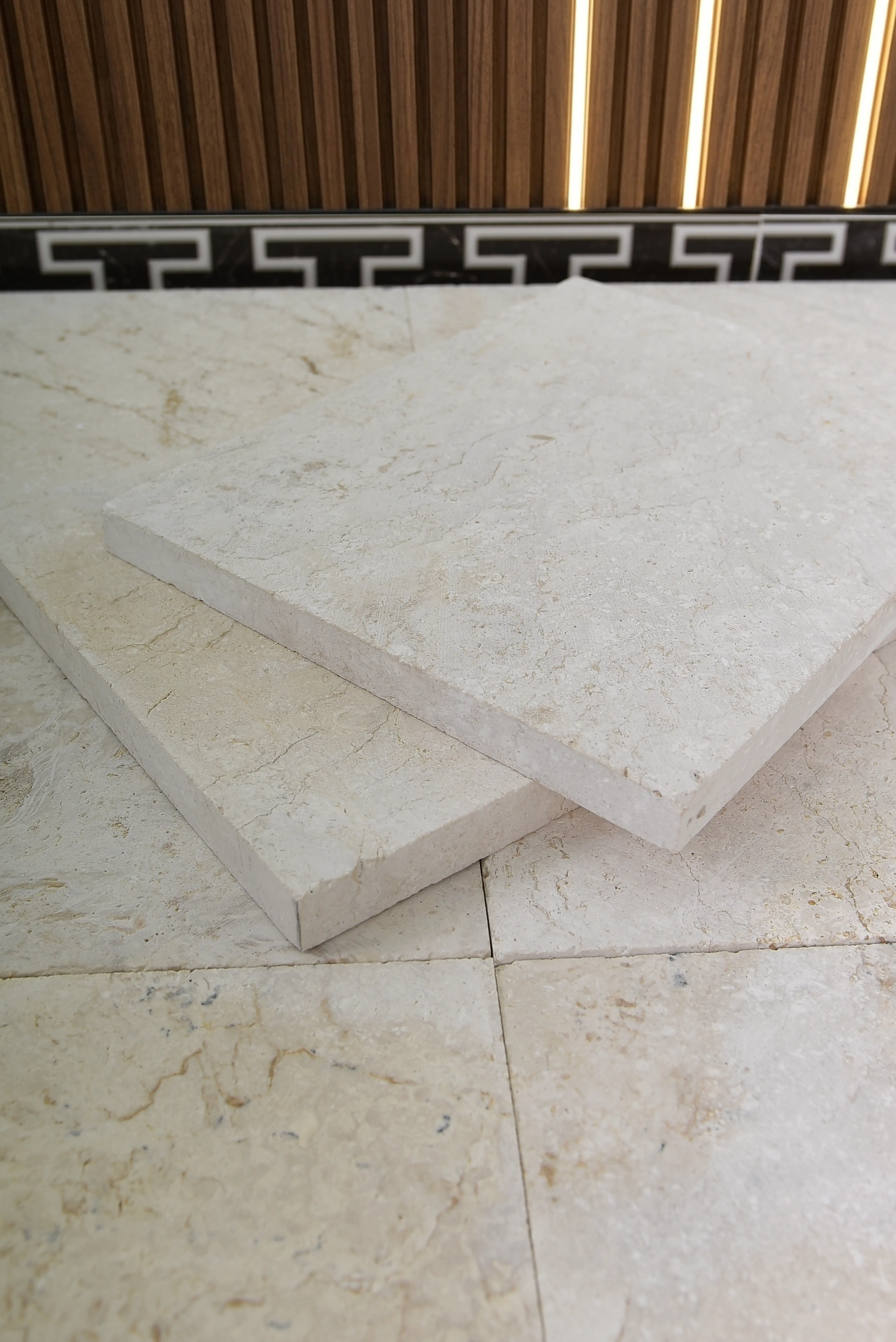
Choosing between stone types comes down to a project’s specific performance demands and visual goals. Bluestone is arguably the most durable all-rounder in this category — its dense, fine-grained structure resists chipping, handles freeze-thaw cycling well, and holds its colour over decades. Limestone is softer and more porous, which means it absorbs moisture more readily and benefits from a penetrating sealer in wet climates, but its warmth and character are hard to replicate with any other material.
Slate brings a distinctive layered surface and exceptional split resistance along its cleavage planes, making it a reliable choice for irregular, handset stepping stone layouts. Irregular flagstone — particularly sourced from quarries in the Middle East — offers dramatic colour variation and oversized format options that suit large-scale patio settings where smaller stones would look proportionally weak. The Natural Stone Institute outdoor patio stone selection guide provides detailed performance comparisons across stone families if technical spec sheets are needed to support a project specification.
- Bluestone: highest density, best freeze-thaw performance, consistent blue-grey palette
- Limestone: warm tones, softer surface, sealing recommended in high-rainfall areas
- Slate: naturally cleft, excellent traction, colour fades to a silver-grey patina over time outdoors
- Irregular flagstone: maximum character and format flexibility, ideal for naturalistic and large-format patio designs
Ordering, Delivery, and Project Planning
Stepping stone quantities are straightforward to calculate if the layout is mapped before ordering. Count individual stone positions, add 10–15% for cuts, breakage, and selection culls, and order by square footage or individual piece count depending on how the supplier invoices. Where planning often goes wrong is timeline — natural stone from warehouse inventory ships in 1–2 weeks nationally, but custom-cut or specific-profile orders can extend that window significantly. Verify warehouse stock levels before committing an installation date to a contractor or client.
Citadel Stone carries stepping stone inventory nationally, which means truck delivery schedules are predictable and less dependent on import lead times. For project managers coordinating stone delivery with grading, base preparation, and planting, that lead-time reliability is operationally important — a two-week ship window versus an eight-week import cycle is a meaningful project planning variable, not a minor detail.
Final Recommendations
The best patio stepping stones ideas are the ones that account for how the space will actually be used — not just how it will photograph. Material, spacing, finish, and base preparation decisions should all trace back to the combination of foot traffic, ground type, and rainfall an installation will genuinely see over its lifetime. Natural stone is a long-commitment material; get those foundational decisions right and the result is a patio feature that ages gracefully rather than requiring constant repair cycles.
As the stepping stone layout comes together, it’s worth considering how the shapes and arrangement interact with adjacent hardscape elements. Curved formats and circular compositions introduce a different kind of pattern logic that complements stepping stone paths particularly well — circular patio layout and pattern ideas from Citadel Stone covers pattern geometry and layout sequencing for curved formats worth reviewing alongside a stepping stone plan. Spacing stepping stones at consistent intervals across a gravel bed is a low-maintenance layout approach that works well with Citadel Stone slate.
Related reading: sealer for patio stones · types of patio stones · patio stones cost.